
Peasant family on the tramp — History & Facts
In Peasant Family on the Tramp, the viewer is drawn into a moment threaded with quiet despair and unspoken betrayal, where the weight of poverty hangs in the air like a heavy shroud. Look to the left at the weary figures of the family, their faces etched with lines of hardship and endurance. The rich, earthy tones of browns and ochres envelop them, emphasizing their connection to the land yet contrasting starkly with the vibrancy of a more privileged life. Notice how the light tenderly caresses the contours of their weathered skin, illuminating the resilience in their gaze while casting deeper shadows that reveal their struggles.
The composition of figures huddled together suggests both unity and isolation, drawing the eye to their interlinked hands that symbolize a shared burden. Within this poignant scene, the tension of betrayal lies in the backdrop of their journey. The family's closeness juxtaposes the harsh reality of their transient existence, and the juxtaposition of light and dark hints at a deeper narrative of lost dreams and fractured trust in a world indifferent to their plight. The worn clothes contrast with the lush offerings of the landscape, suggesting that beauty exists only in the heart's memory, forever out of reach, and their plight may reflect a silent accusation against societal neglect. In the early 1650s, Rembrandt was grappling with personal and professional turmoil, having lost his beloved wife and facing financial difficulties.
Painted during this tumultuous period in Amsterdam, his work began to shift towards more somber themes, mirroring the societal tensions of the time and highlighting the human experience in all its complexities.
More Artworks by Rembrandt van Rijn
Browse all →
The Night Watch Militia Company of District II under the Command of Captain Frans Banninck Cocq
Rembrandt van Rijn

The Return of the Prodigal Son
Rembrandt van Rijn

The Hundred Guilder Print: the figures leaning on the wall in the centre left
Rembrandt van Rijn

The Hundred Guilder Print: the central piece with Christ preaching, the plate arched
Rembrandt van Rijn

Isaac and Rebecca, Known as ‘The Jewish Bride’
Rembrandt van Rijn
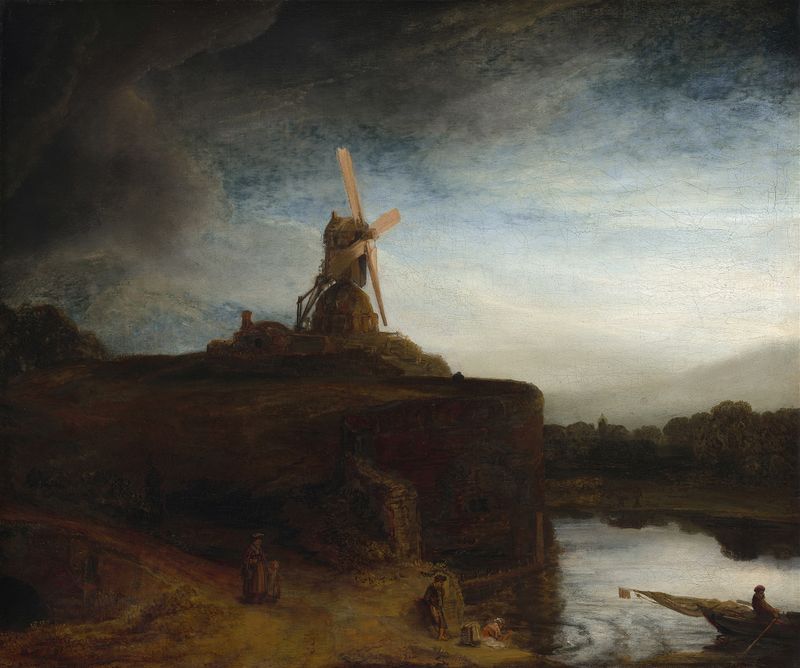
The Mill
Rembrandt van Rijn

The Sampling Officials of the Amsterdam Drapers’ Guild, Known as ‘The Syndics’
Rembrandt van Rijn

The return of the prodigal son
Rembrandt van Rijn
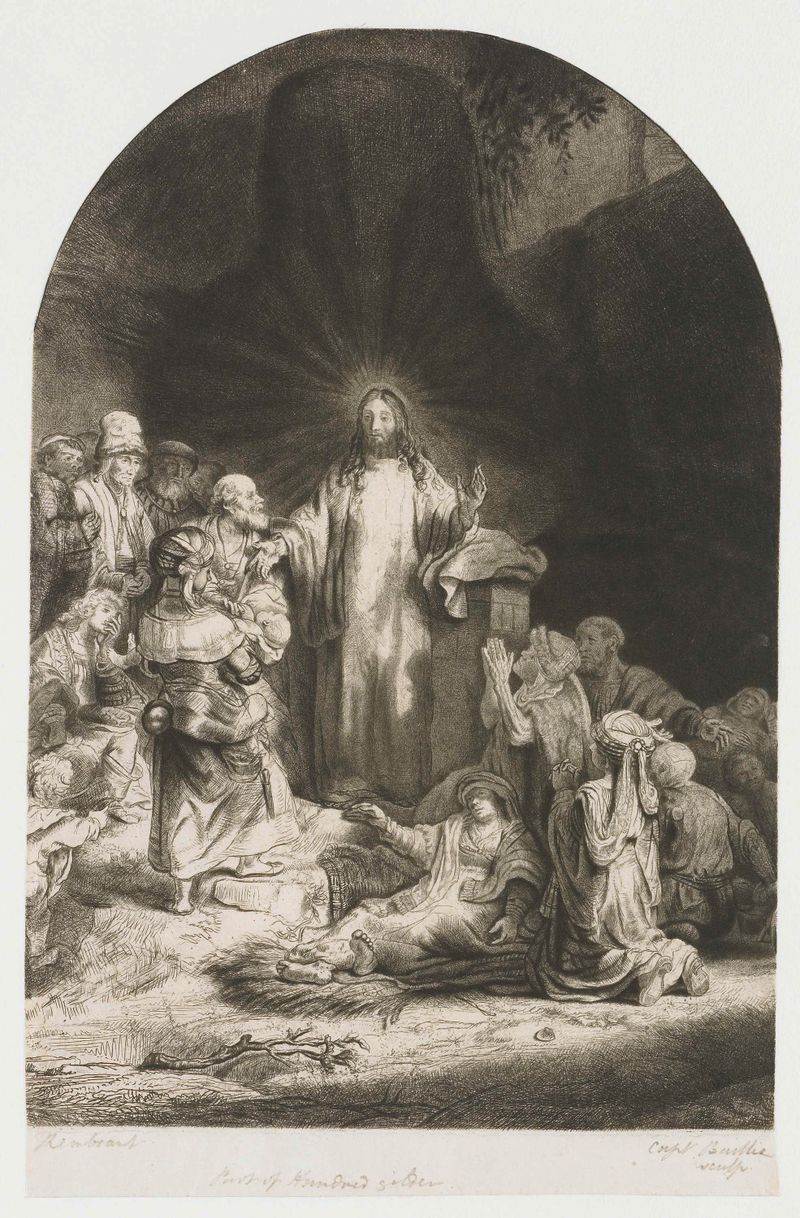
The Hundred Guilder Print: the central piece with Christ preaching, the plate arched
Rembrandt van Rijn

The Hundred Guilder Print: the man seen on the back in the lower left corner
Rembrandt van Rijn





