
Peasant family on the tramp — History & Facts
In the hushed expanse of the canvas, shadows weave tales of hardship and resilience, illuminating the thin line between despair and hope. Focus first on the weary figures huddled together in the dim light. Notice how the soft shadows cradle their forms, accentuating the delicate details of their worn clothing and drawn faces. The background fades into darkness, emphasizing the starkness of their plight, while the warm glow of the central light source draws your gaze to the family's intimate connection.
It is through this interplay of light and shadow that the artist reveals not just their physical state, but their shared emotional landscape of struggle. Delve deeper into the contrasts at play: the crumpled clothes against the smooth skin of the children, the quiet resolve on the parents' faces beneath their furrowed brows, and the innate dignity that emerges even in their destitution. The subtle expressions—the mother’s gentle touch, the father’s protective stance—speak volumes of a love that perseveres despite their circumstances. Each detail carries weight, inviting reflection on the broader human experience. In 1652, Rembrandt was navigating a turbulent chapter in his life, marked by personal loss and financial struggle.
Living in Amsterdam during a time of artistic innovation, he turned his gaze toward the common people, celebrating their stories through poignant realism. Peasant family on the tramp became a testament to his ability to capture life’s complexities, revealing the profound depth in what society often overlooks.
More Artworks by Rembrandt van Rijn
Browse all →
The Night Watch Militia Company of District II under the Command of Captain Frans Banninck Cocq
Rembrandt van Rijn

The Return of the Prodigal Son
Rembrandt van Rijn

The Hundred Guilder Print: the figures leaning on the wall in the centre left
Rembrandt van Rijn

The Hundred Guilder Print: the central piece with Christ preaching, the plate arched
Rembrandt van Rijn

Isaac and Rebecca, Known as ‘The Jewish Bride’
Rembrandt van Rijn
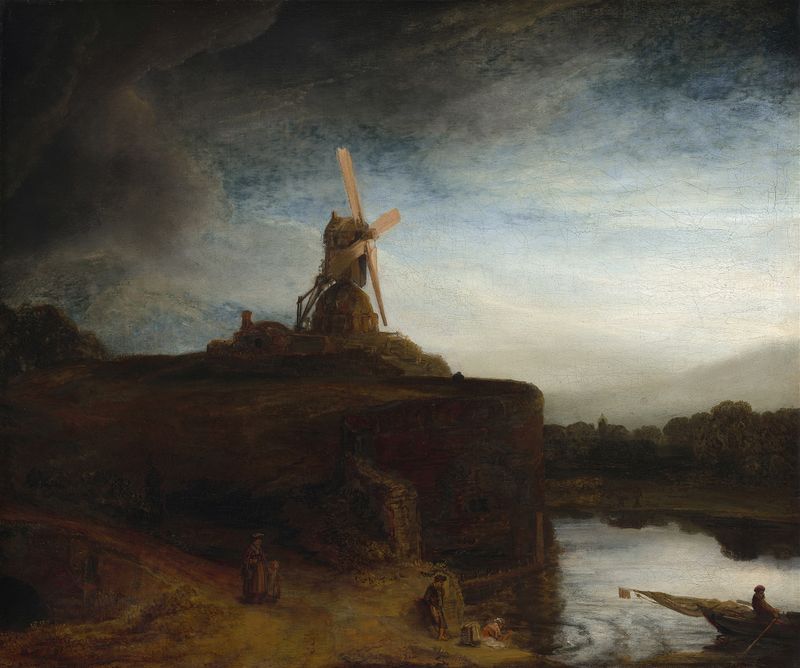
The Mill
Rembrandt van Rijn

The Sampling Officials of the Amsterdam Drapers’ Guild, Known as ‘The Syndics’
Rembrandt van Rijn

The return of the prodigal son
Rembrandt van Rijn
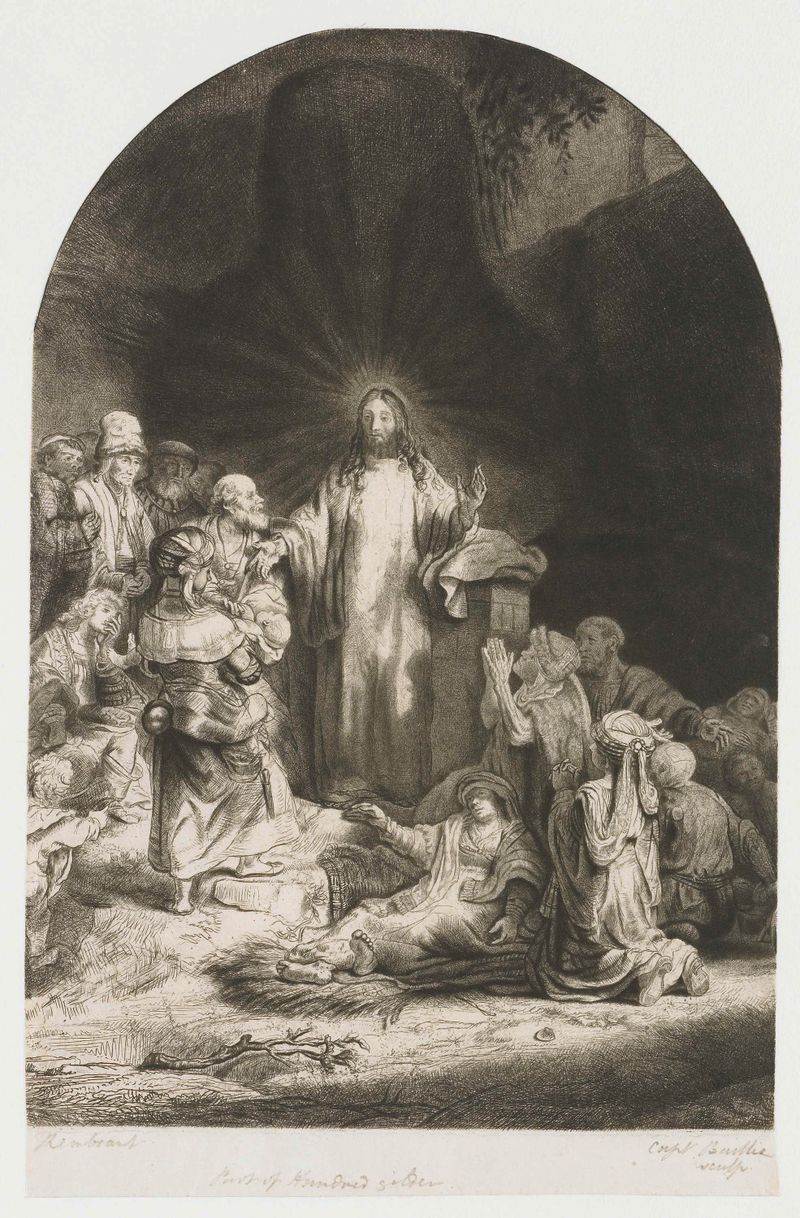
The Hundred Guilder Print: the central piece with Christ preaching, the plate arched
Rembrandt van Rijn

The Hundred Guilder Print: the man seen on the back in the lower left corner
Rembrandt van Rijn





