
Peasants harvesting — History & Facts
Could a single brushstroke hold eternity? In Peasants Harvesting, the moment feels suspended, capturing the labor and joy found within the rhythm of rural life, yet echoing a deeper obsession with time and toil. Focus first on the vibrant greens of the fields, where figures bend and gather, their bodies merging with the earth. Notice how the sunlight bathes their forms, illuminating the golden grains they collect, while shadows whisper of the effort and sweat that lingers just beneath the surface. The delicate balance of color creates a harmony that reflects the connection between man and nature, urging the viewer to appreciate this age-old ritual. Beneath the surface, there is a poignant tension between labor and the passage of time.
The peasants, though engaged in their harvest, seem to embody a cycle of existence, an endless loop of toil and satisfaction. Their expressions reveal a mixture of determination and weariness, hinting at the struggle against nature's indifference. The scattered tools around them serve as reminders of their toil, symbolizing both their hardship and their reliance on the land for sustenance. In 1627, when this work was created, the artist was situated in the Netherlands, a region undergoing profound transformation due to the economic and social shifts of the time.
It was an era marked by a burgeoning interest in realism and the quotidian aspects of life, reflecting broader changes in artistic focus. The influence of the Dutch Golden Age is apparent, as artists like this one sought to elevate the humble scenes of labor to the status of fine art, merging the everyday with the eternal.
More Artworks by Salomon van Ruysdael
Browse all →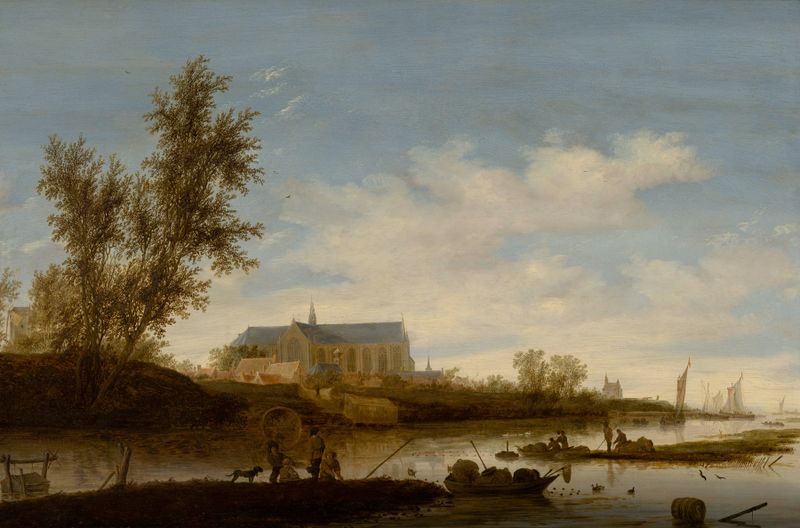
River landscape with fishermen in the foreground, the Laurenskerk in Alkmaar beyond
Salomon van Ruysdael

River Landscape with a View of Naarden
Salomon van Ruysdael
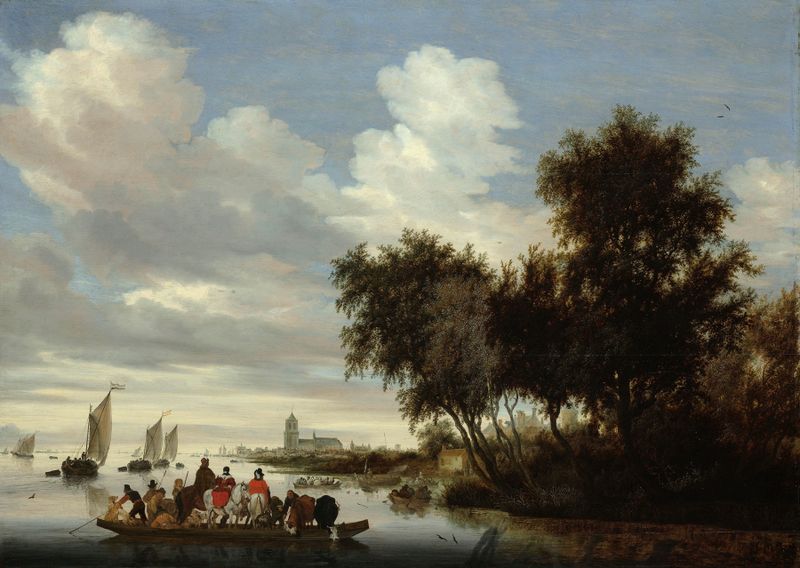
River Landscape with Ferry
Salomon van Ruysdael
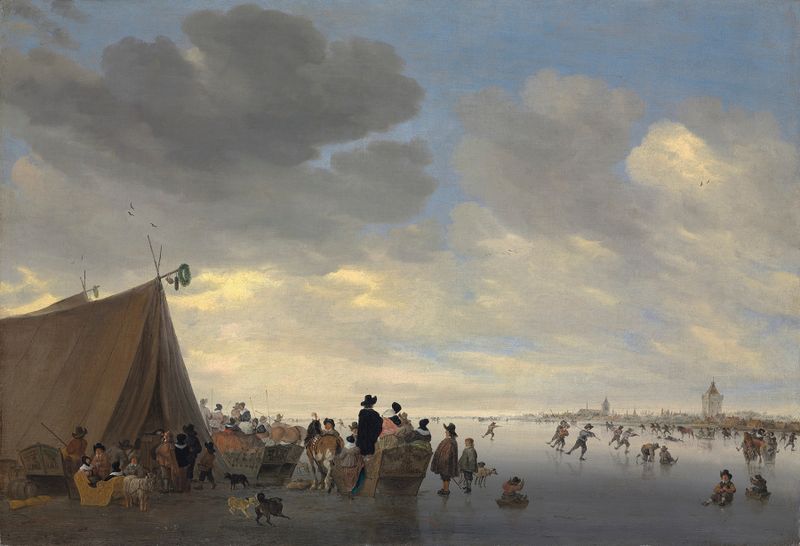
Skaters on the frozen river Lek, the town of Vianen beyond
Salomon van Ruysdael
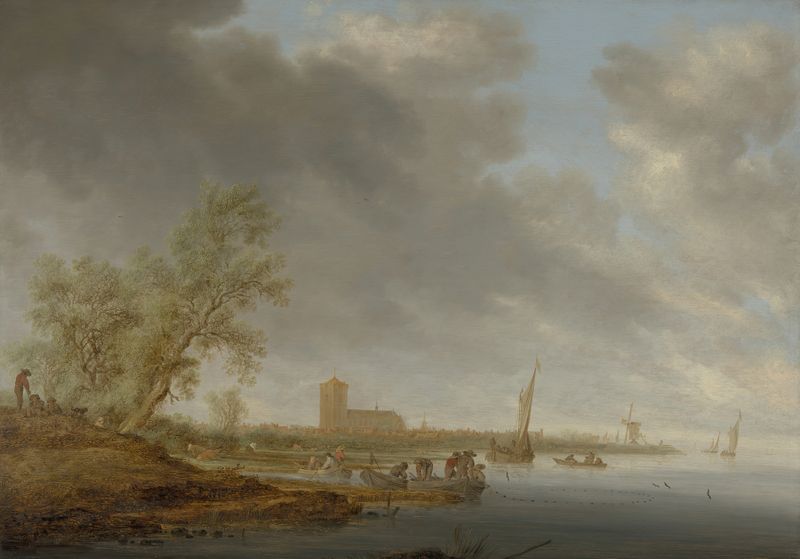
River Landscape with a View of Naarden
Salomon van Ruysdael
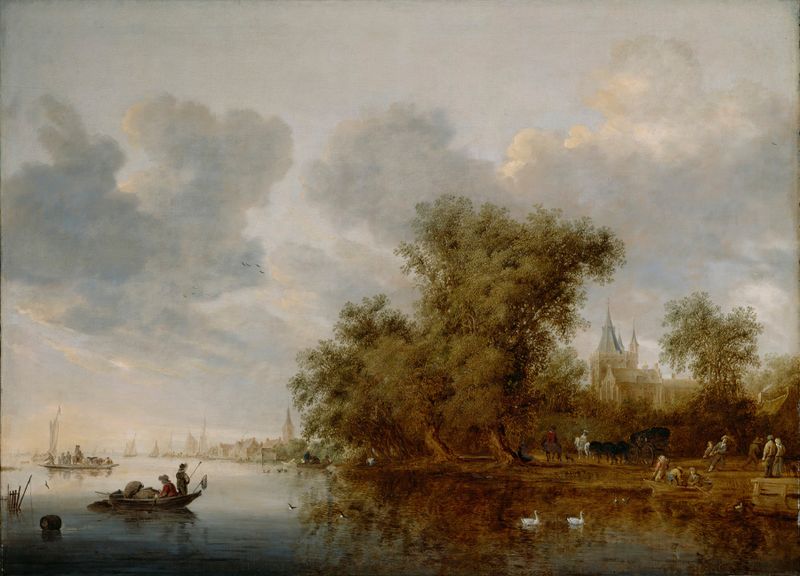
River Landscape
Salomon van Ruysdael
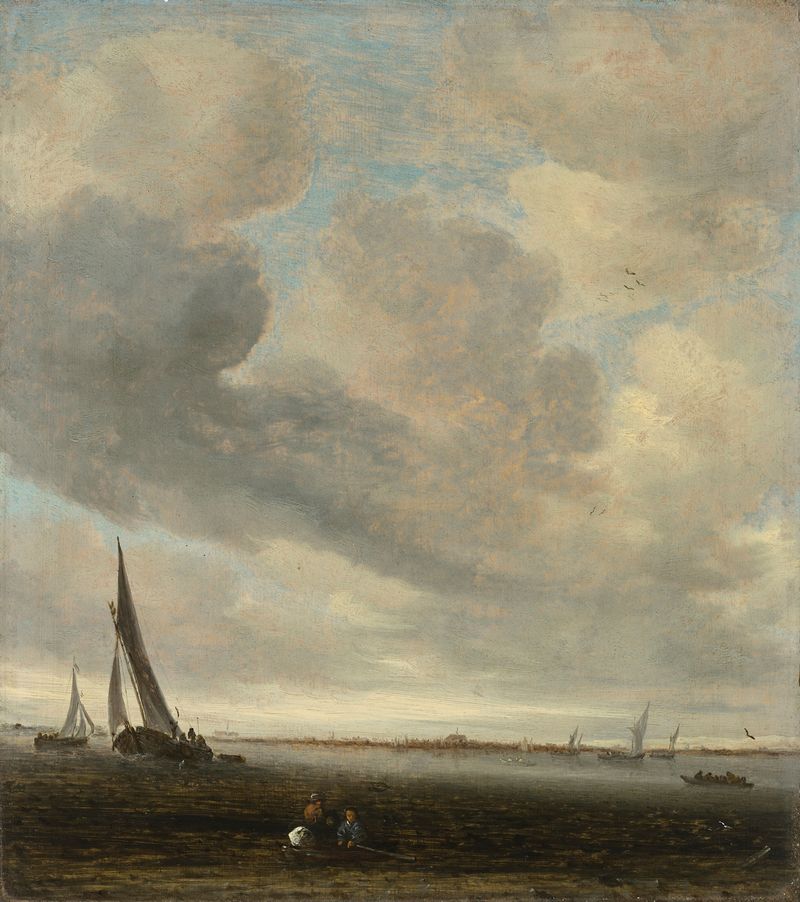
An estuary scene with a distant view of Haarlem
Salomon van Ruysdael
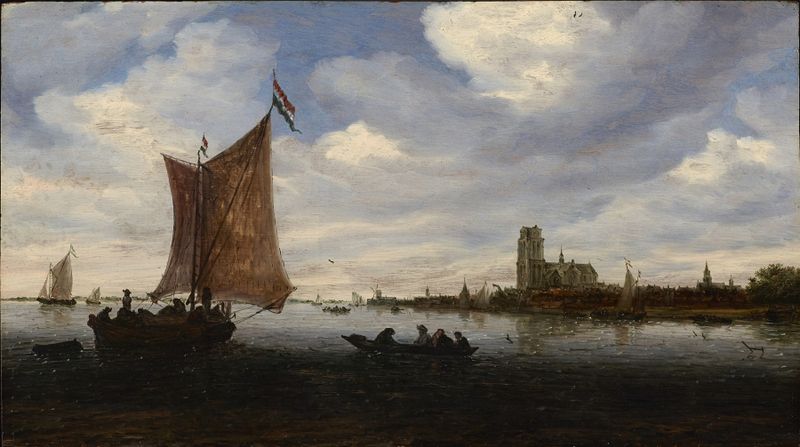
View of Dordrecht
Salomon van Ruysdael
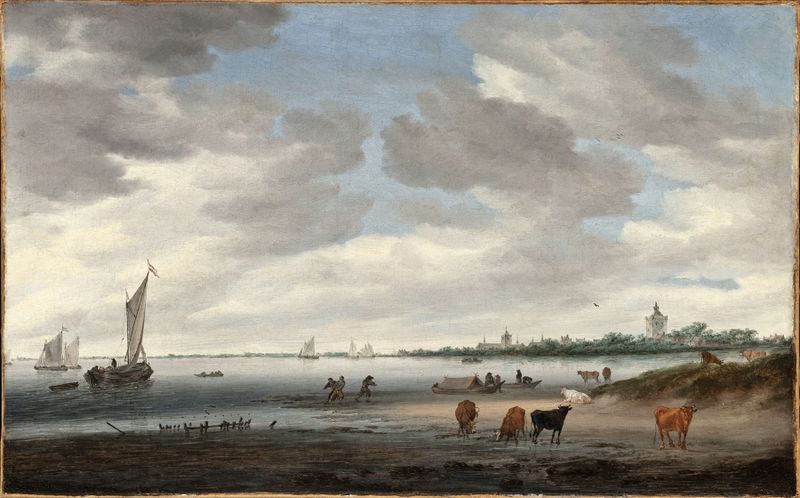
View of the River Lek and the Town of Vianen
Salomon van Ruysdael
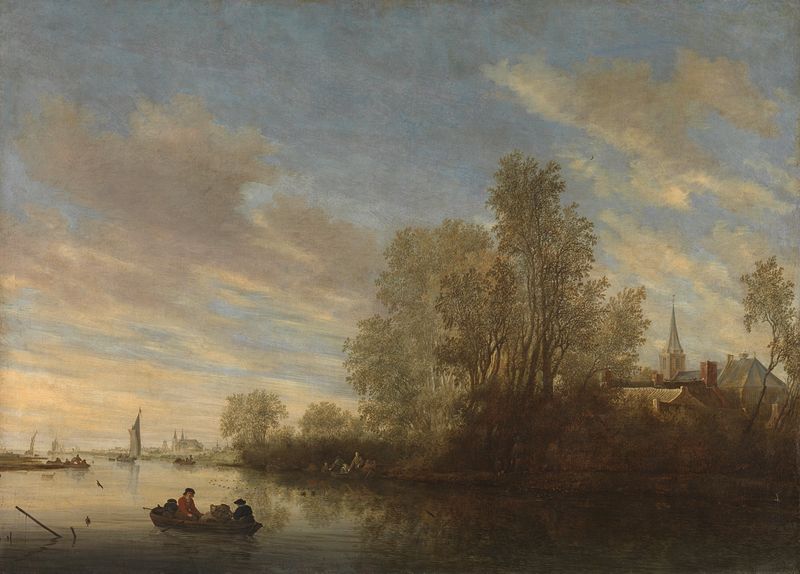
River View near Deventer
Salomon van Ruysdael





