
Pejzaż z kapliczką — History & Facts
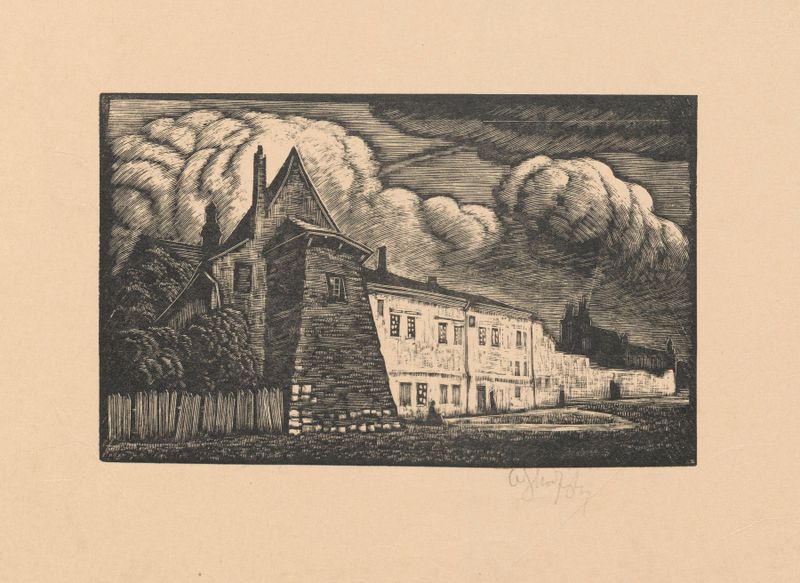
Is this a mirror — or a memory? In the tranquil landscape, echoes of a past life intertwine with the present, inviting a contemplation of balance between what once was and what continues to exist. Look to the left at the delicate chapel, its modest structure standing resolute against the expansive backdrop. The soft hues of dusk envelop the scene, with gentle strokes of blue and green creating a harmonious blend, suggesting both serenity and nostalgia. The composition is meticulously crafted, drawing the viewer's gaze through the winding path that leads towards the chapel, symbolizing a journey not just in space, but in time. Beneath the surface lies a deeper commentary on juxtaposition; the chapel represents faith and permanence amidst the fleeting nature of life.
Notice how the play of light dances upon the landscape, illuminating some areas while casting shadows on others, creating a visual dialogue between hope and uncertainty. This subtle tension evokes a sense of longing, emphasizing the delicate balance between remembrance and reality, past and present. Władysław Skoczylas painted Pejzaż z kapliczką in 1930 during a time of significant change in Polish art. As a key figure in the development of Polish modernism, he sought to capture the essence of the land and its cultural heritage through his work.
At this point in his life, the artist was exploring the fusion of traditional themes with contemporary sensibilities, which is vividly apparent in this serene landscape.
More Artworks by Władysław Skoczylas
Browse all →
Motyw ze Starego Miasta
Władysław Skoczylas
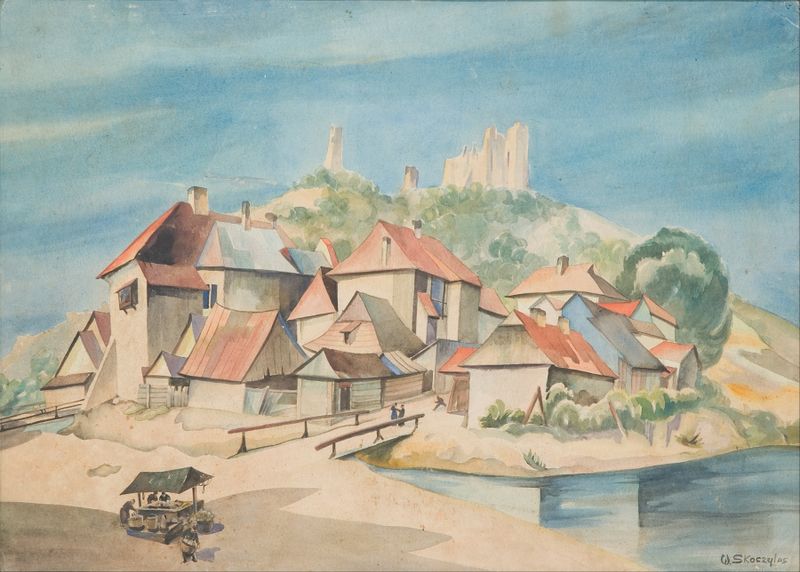
Widok Kazimierza nad Wisłą
Władysław Skoczylas
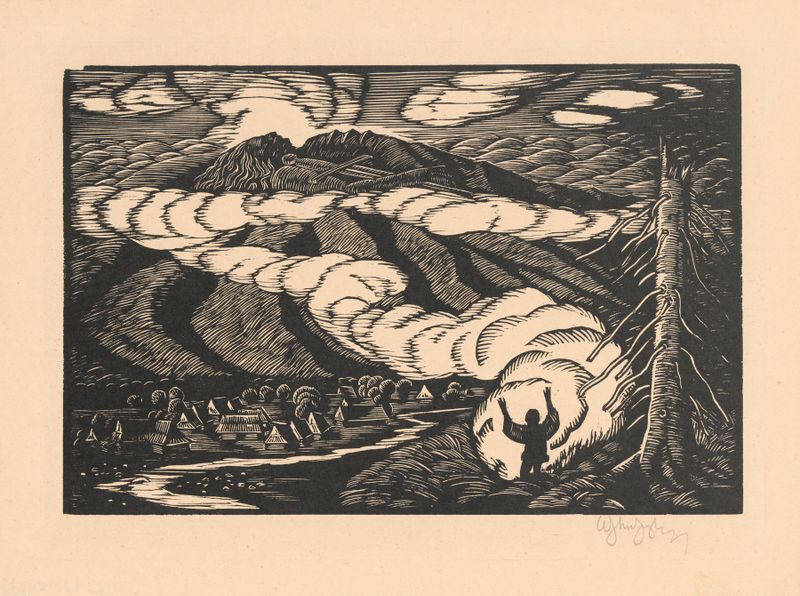
Giewont
Władysław Skoczylas
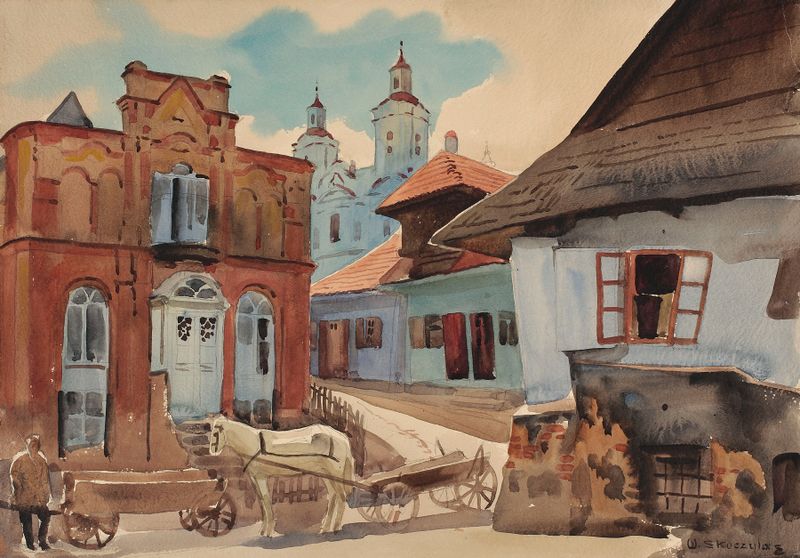
Fragment miasteczka
Władysław Skoczylas

Kościół w Dębnie
Władysław Skoczylas

Ulica w Kazimierzu
Władysław Skoczylas

Rynek w Kazimierzu nad Wisłą
Władysław Skoczylas
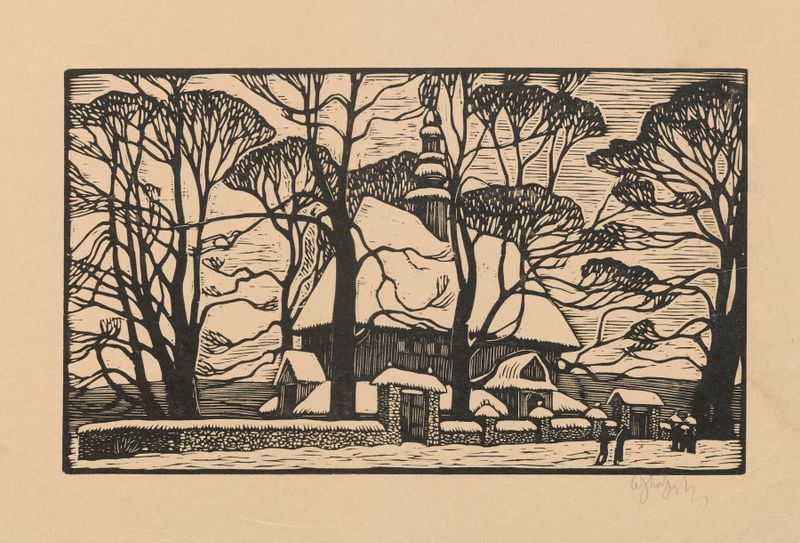
Kościółek w zimie
Władysław Skoczylas

Kolumna Zygmunta
Władysław Skoczylas
Motyw z Krakowa; Baszta Augustianów
Władysław Skoczylas





