Petite anse près de la pointe du Raz — History & Facts
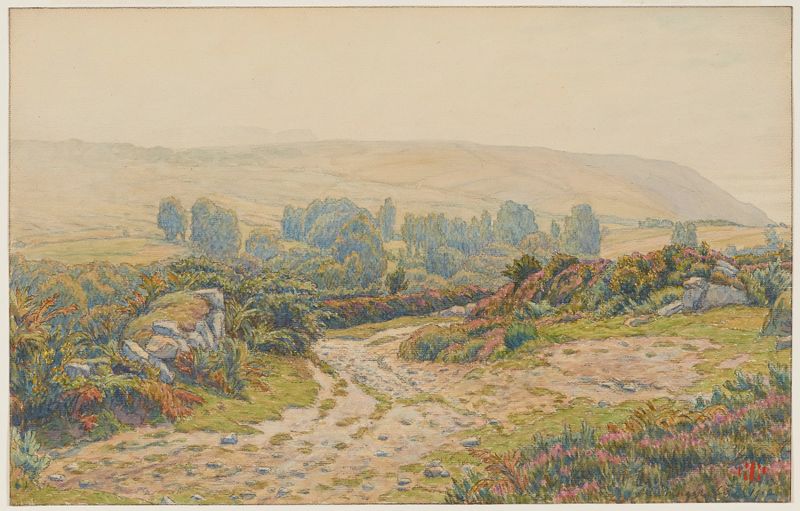
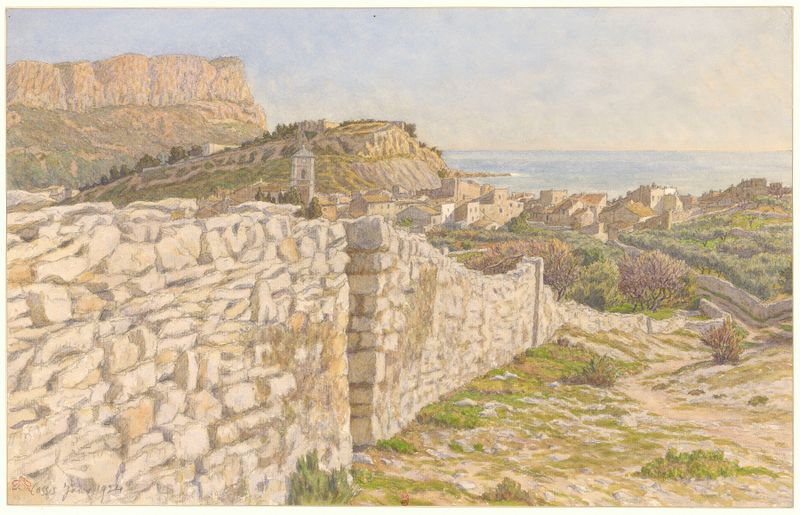
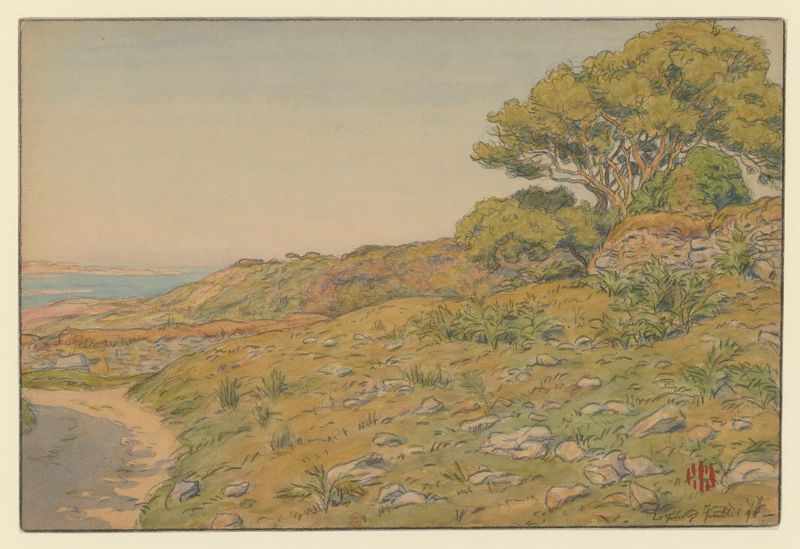
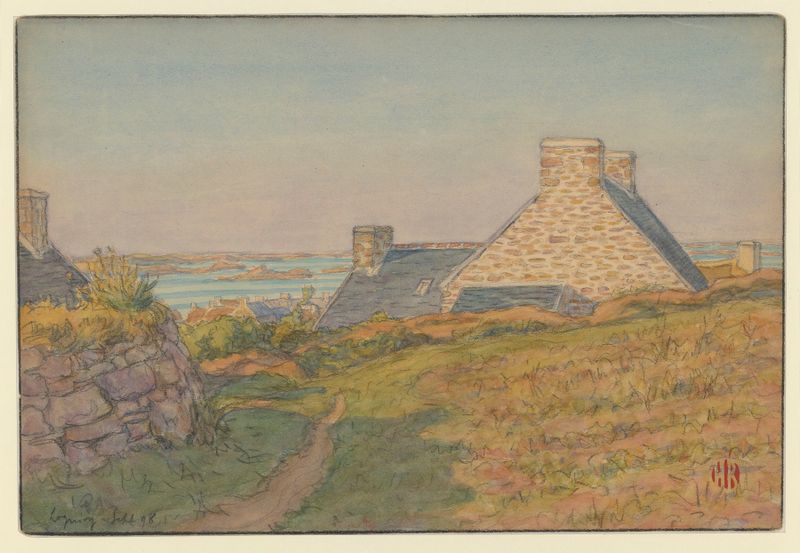
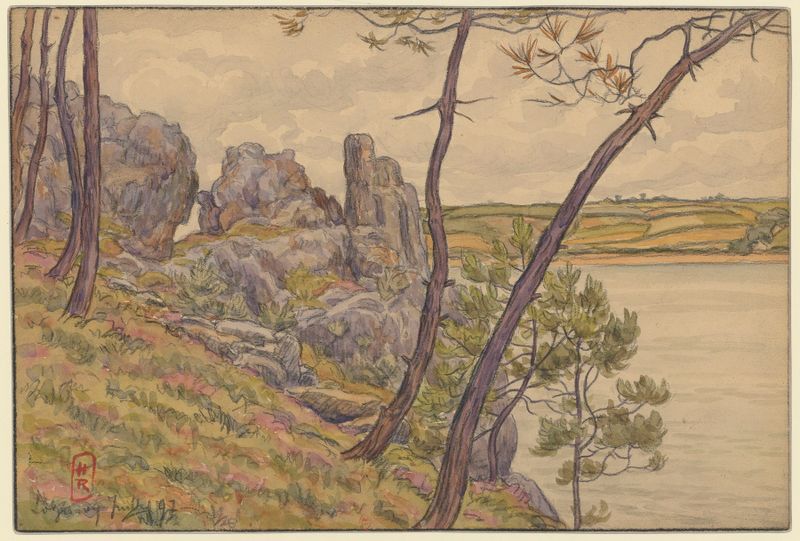
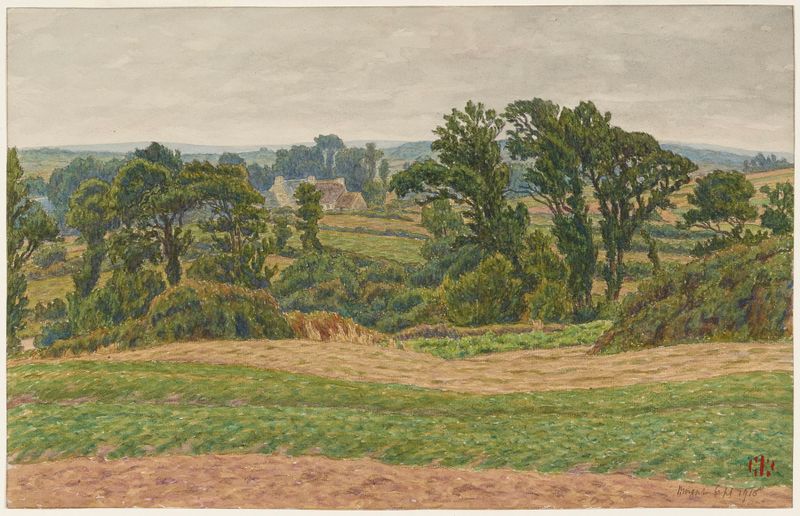
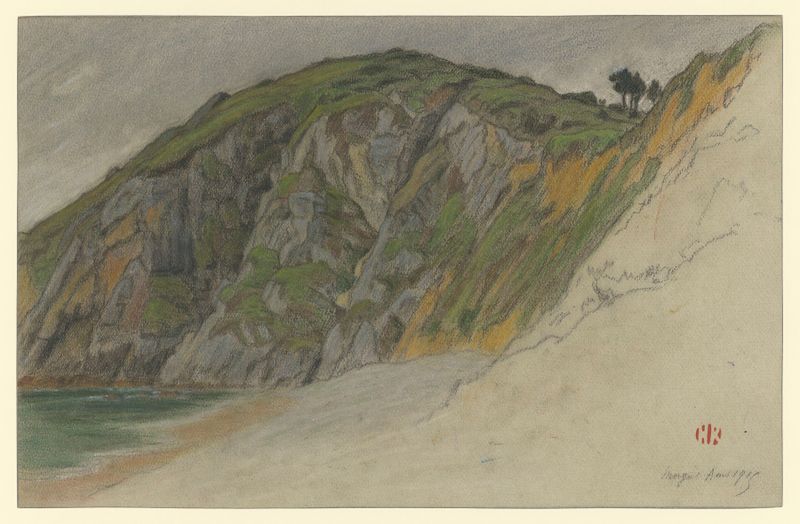
This poignant reflection resonates through the strokes of a canvas where nature's allure intertwines with sorrow, revealing the depths of human emotion in a single scene. Look to the center of the composition where the delicate waves caress the rugged shoreline, the tumultuous sea rendered in varying shades of blue and green. Notice how the light dances upon the water’s surface, illuminating the foam as it crashes against the rocks, creating a juxtaposition of tranquility and turmoil. The palette evokes both a sense of harmony and an undercurrent of melancholy, effectively drawing the viewer's eye to the horizon, where sky and sea blend into an enigmatic embrace. Delve deeper into the subtle contrasts woven throughout the piece: the vibrant colors of the rippling water against the dark, brooding cliffs symbolize the clash between joy and despair.
The density of the clouds overhead hints at a brewing storm — a reflection of inner turmoil, perhaps mirroring the artist's own feelings of loss. Every brushstroke seems to whisper stories of the sea’s beauty, while the elements surrounding it murmur tales of grief, hinting at the duality of existence. In 1907, during a period marked by personal and societal shifts, the artist found himself exploring the coastal landscapes of Brittany. Amidst the burgeoning movements of Impressionism and Post-Impressionism, he sought to convey not only the physical beauty of nature but also the emotional landscapes that lie beneath its surface.
This painting stands as a tribute to a time when both art and life were steeped in a complex tapestry of joy and sorrow.