
Petite Rue au Beurre, Brussels — History & Facts
In the quiet shadows of urban life, an unassuming street holds the secrets of its legacy, inviting us to peer deeper into its essence. Look to the left where the narrow alleyway, flanked by quaint buildings, draws your eye into its embrace. Notice the delicate interplay of light and shadow that bathes the scene in a soft, muted palette. The bluish-gray hues evoke a sense of twilight, while the warm ochres of the buildings suggest the lingering warmth of the day.
The architecture leans slightly inwards, creating a tunnel-like perspective, pulling viewers into the heart of the painting with an alluring depth. Amidst the stillness, the absence of figures speaks volumes—an echo of solitude that invites reflection on the passage of time. Whistler’s careful brushwork captures not only the physicality of the street but also the emotional weight of a life lived quietly in its folds. The subtle variations in color and texture hint at the stories of those who may have walked this path, evoking a poignant contrast between the vibrancy of human experience and the emptiness of the moment captured. Created in 1887, this work emerged during a transformative period for the artist.
Living in Brussels, Whistler was influenced by the European art scene, exploring the interplay of color and form that defined his style. The painting reflects his ongoing pursuit of beauty in the mundane and his desire to leave a legacy that transcends the ordinary, capturing fleeting moments in a rapidly changing world.
More Artworks by James Abbott McNeill Whistler
Browse all →
Nocturne in Blue and Silver
James Abbott McNeill Whistler
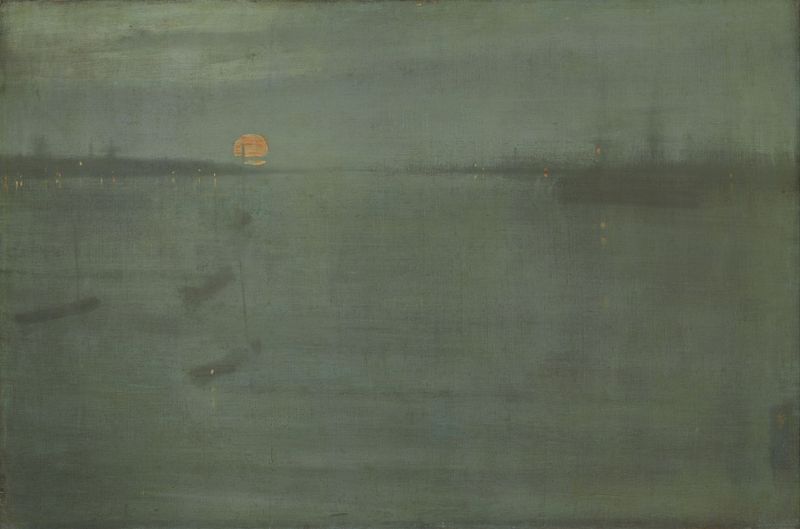
Nocturne: Blue and Gold–Southampton Water
James Abbott McNeill Whistler
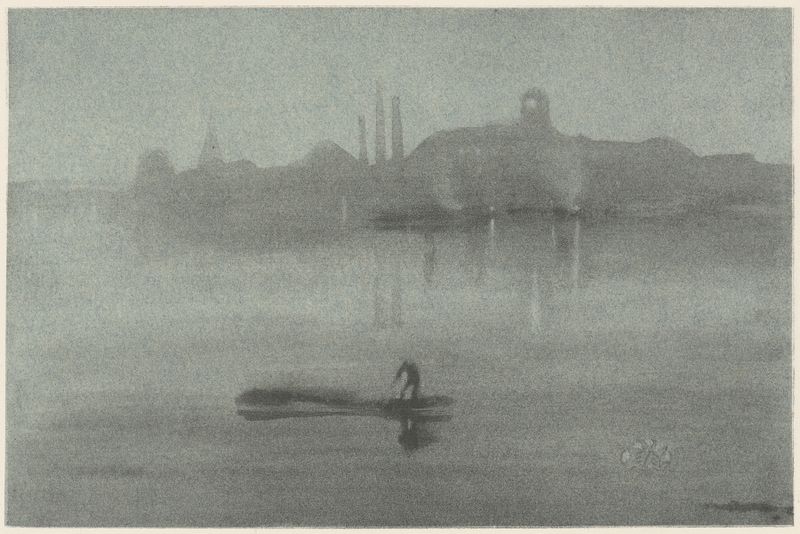
Nocturne
James Abbott McNeill Whistler
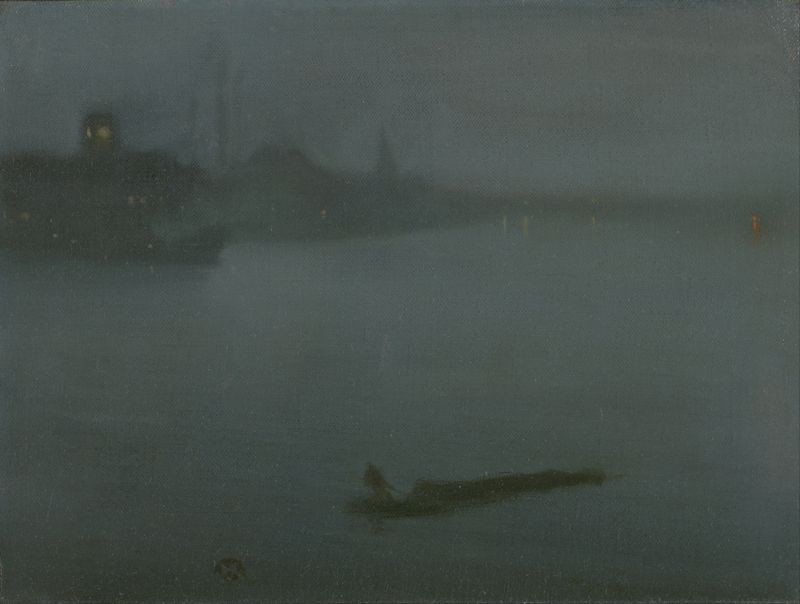
Nocturne in Blue and Silver
James Abbott McNeill Whistler
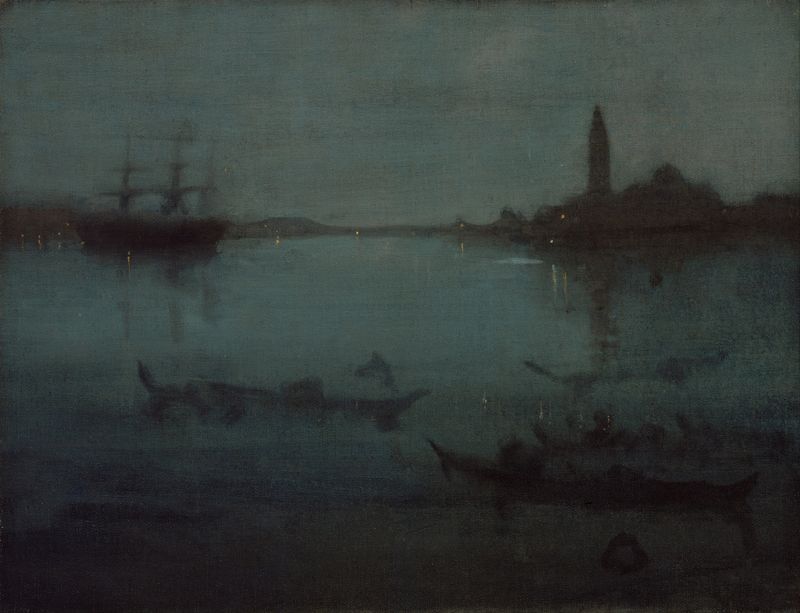
Nocturne in Blue and Silver- The Lagoon, Venice
James Abbott McNeill Whistler
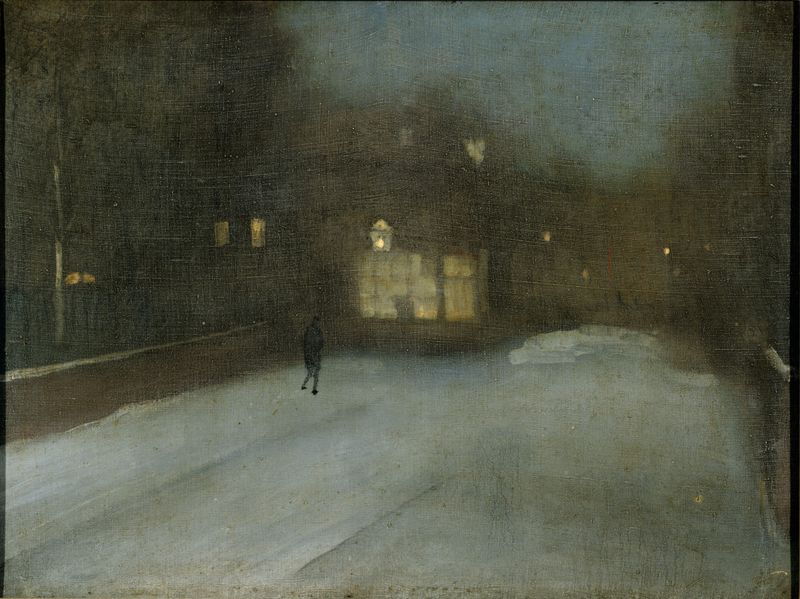
Nocturne in Grey and Gold: Chelsea Snow
James Abbott McNeill Whistler
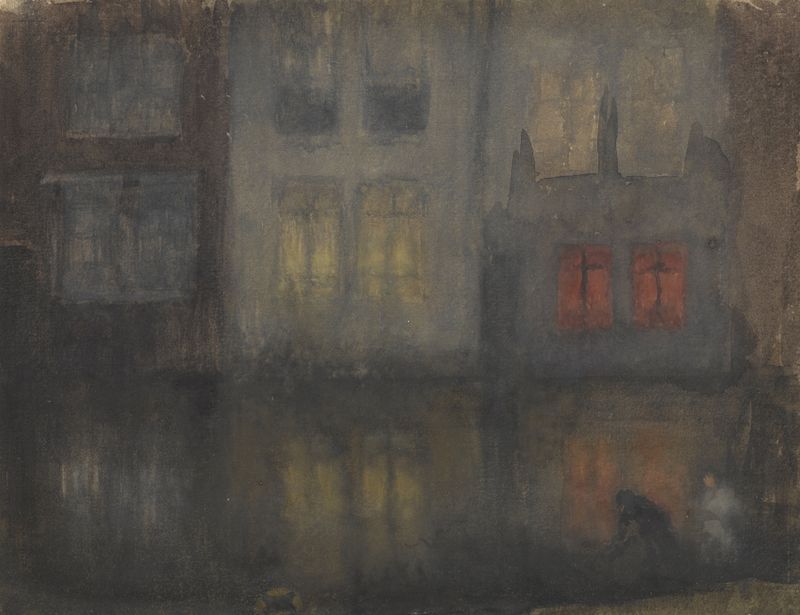
Nocturne: Black and Red—Back Canal, Holland
James Abbott McNeill Whistler
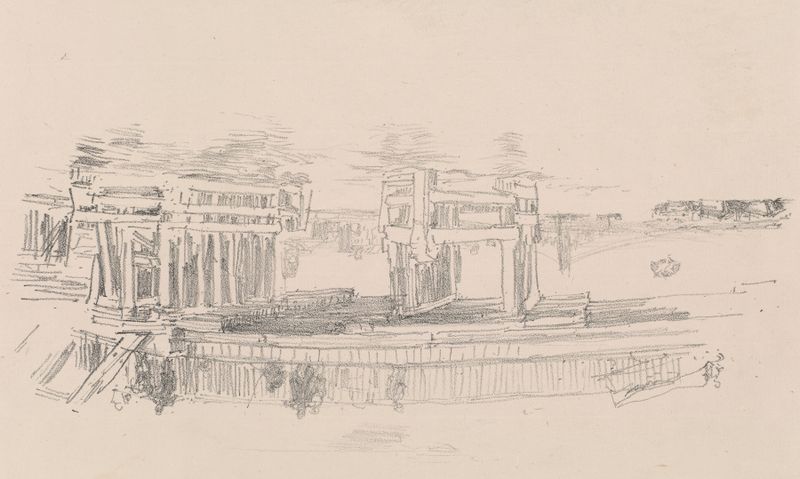
Old Battersea Bridge
James Abbott McNeill Whistler

Nocturne: Blue and Silver–Battersea Reach
James Abbott McNeill Whistler
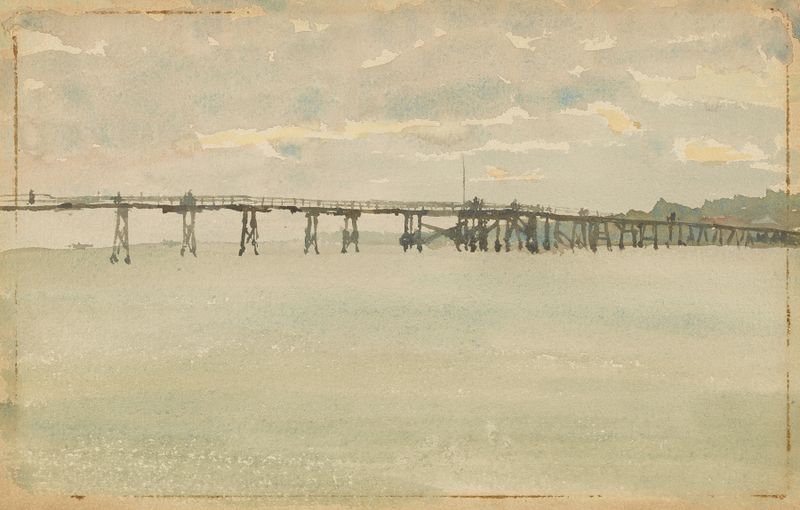
Grey and Silver–Pier, Southend
James Abbott McNeill Whistler





