
Petra, April 14, 1858 — History & Facts
In a world ever in flux, art becomes a vessel for transformation, a way to capture fleeting moments that slip through our fingers. Focus first on the vibrant hues that wash over the canvas, particularly the striking contrast between the deep blues of the sky and the warm, earthy tones of the landscape. Notice how Lear’s brushstrokes evoke a sense of movement; the clouds appear to swirl above, while the ancient ruins stand resolutely below. The composition guides your gaze from the foreground, where soft grasses sway, to the looming cliffs that cradle the scene, creating a sense of depth and infinity. Yet beneath this serene vista lies a rich tapestry of contrasts.
The juxtaposition of the crumbling stone architecture against the fluidity of nature reflects the tension between permanence and impermanence. The light illuminating the ruins hints at their storied past, while the shadows remind us of decay and the inevitability of time. This encapsulation of transformation invites a dialogue between nostalgia and renewal, urging the viewer to reflect on their own journey through change. Created during a time of personal and artistic exploration for Lear, this work emerged in 1858 while he traveled through the landscapes of the Middle East.
The artist, known for his whimsical illustrations and poetry, was embracing the Romantic movement's fascination with nature and history. This painting marks a pivotal moment in his career, blending his love for landscape with a deeper engagement in capturing the essence of transformation inherent within both nature and human endeavor.
More Artworks by Edward Lear
Browse all →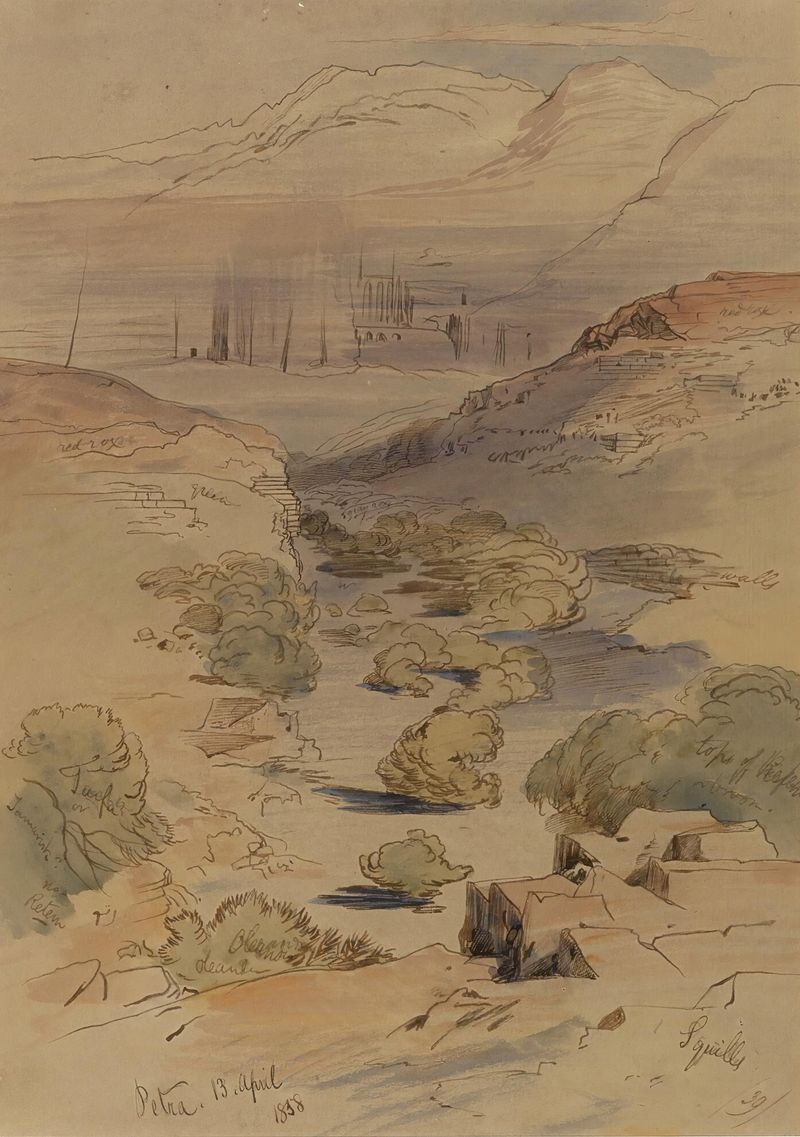
Petra
Edward Lear
Philae, Egypt
Edward Lear
Mount Athos and the Monastery of Stavronikétes
Edward Lear
Kangchenjunga from Darjeeling
Edward Lear
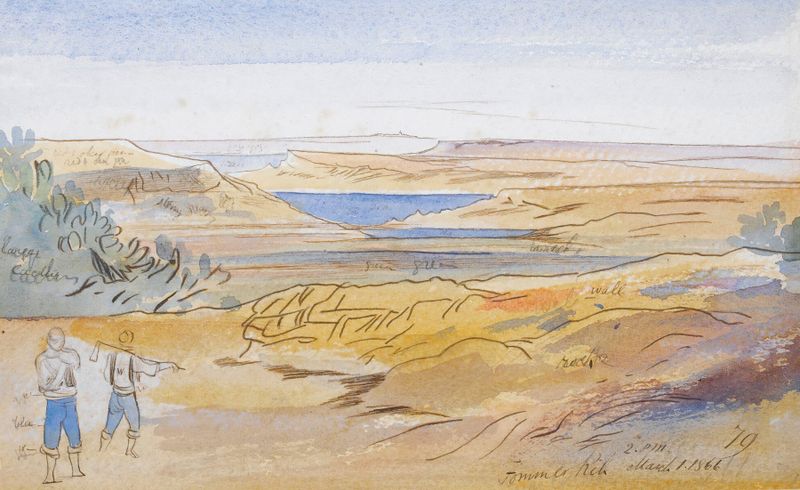
Fomm Ir-Rih, Malta
Edward Lear
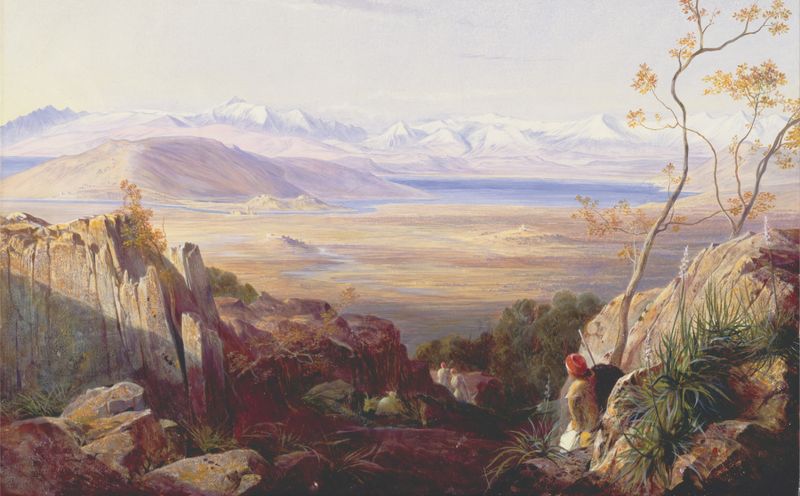
Butrinto, Albania
Edward Lear
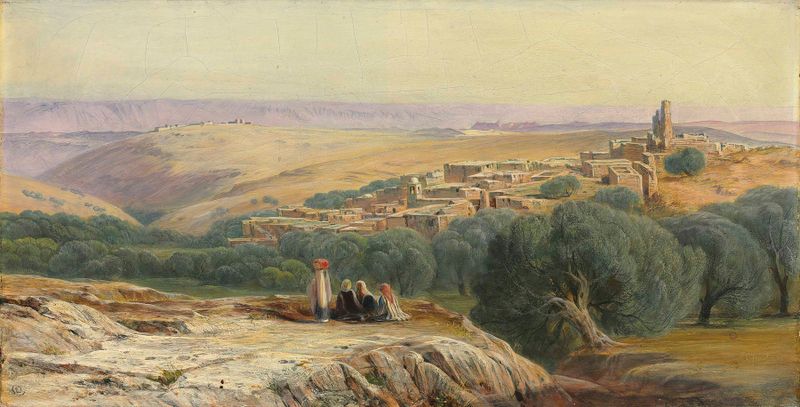
The Plains of Bethany
Edward Lear

Karnak, 9-30 pm, 22 January 1867
Edward Lear
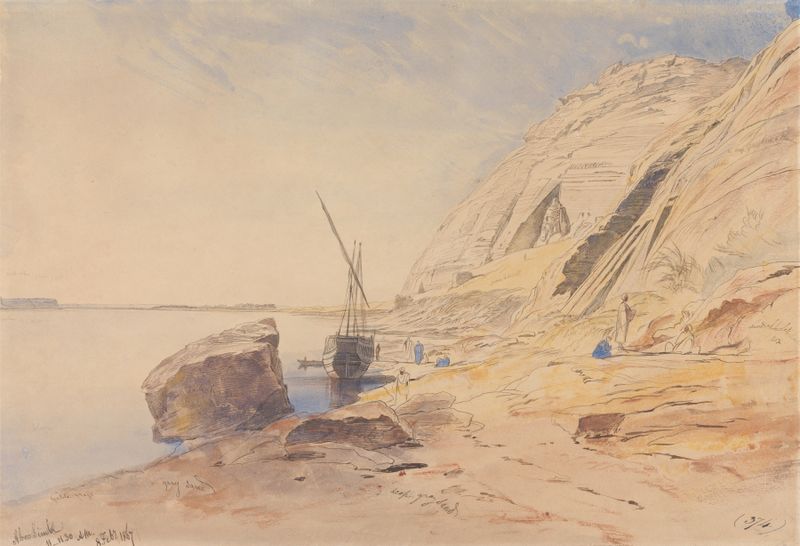
Abu Simbel, 11-11;30 am, 8 February 1867 (374)
Edward Lear

A View Of Mount Athos And The Pantokrator Monastery, Greece
Edward Lear





