
Petrus en Johannes genezen een verlamde man bij de tempelpoort — History & Facts
This haunting notion begs us to contemplate the depths of longing etched within our very souls. In Petrus en Johannes genezen een verlamde man bij de tempelpoort, Jacques Callot captures a moment suspended in time, revealing the unspoken desires that underpin our existence. Focus first on the figures at the forefront, where Peter and John stand, their gestures animated with purpose as they reach toward the crumpled body of the paralyzed man. Notice how the light illuminates Peter's face, radiating a sense of compassion, while shadows envelop the recipient, enhancing the vulnerability of his plight.
The contrast between their postures—one dynamic and elevating, the other resigned and grounded—creates a dramatic tension palpable in the air, inviting viewers to witness the miracle unfolding. As you delve deeper, consider the subtle but profound interplay of color. The rich earth tones evoke the rawness of the human condition, while the ethereal light symbolizes hope, bridging the gap between despair and salvation. The onlookers, frozen in their moment of anticipation, embody the collective longing for healing and redemption, hinting at the universal quest for spiritual connection and understanding that transcends time. Created between 1608 and 1611, this work emerged during a period of significant change in the art world.
Callot was influenced by the tumultuous environment of post-Reformation Europe, where religious themes wrestled with personal narratives of faith and doubt. As he painted this poignant scene, he navigated the complex tensions of his time, reflecting both individual yearning and the transformative power of belief through his intricate mastery of technique and emotion.
More Artworks by Jacques Callot
Browse all →
Titelprent voor de prentreeks 'De kleine apostelen' (Het martelaarschap van de apostelen)
Jacques Callot
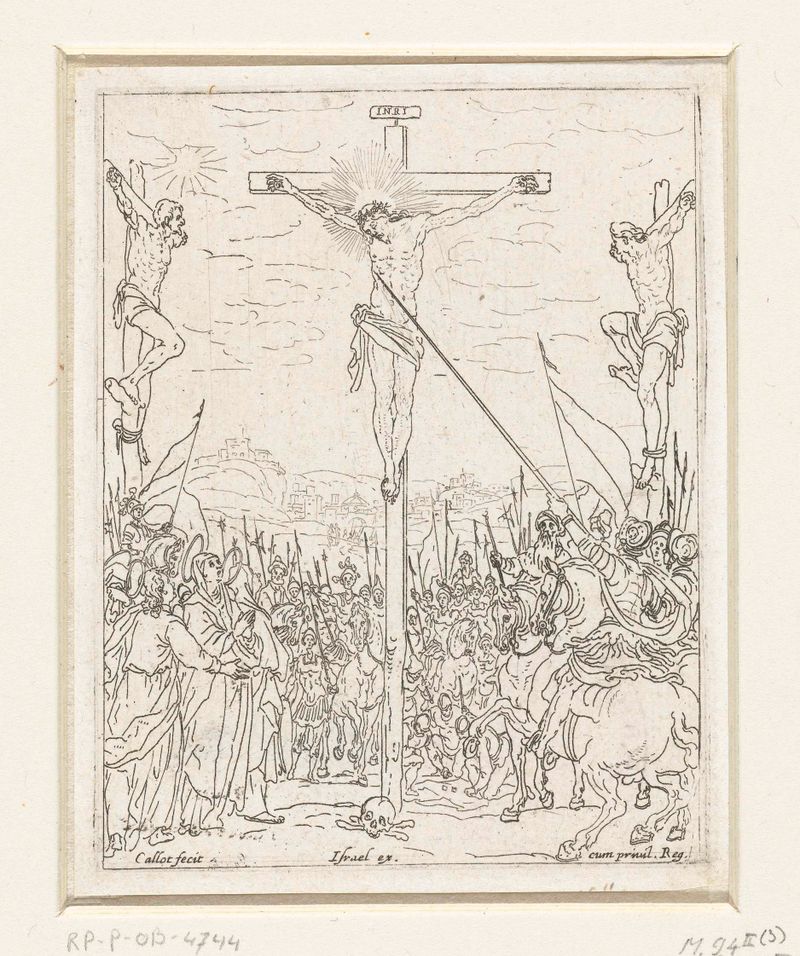
Kruisiging
Jacques Callot

De doortocht door de Rode Zee
Jacques Callot

De verloren zoon als zwijnenhoeder
Jacques Callot

Annunciatie
Jacques Callot
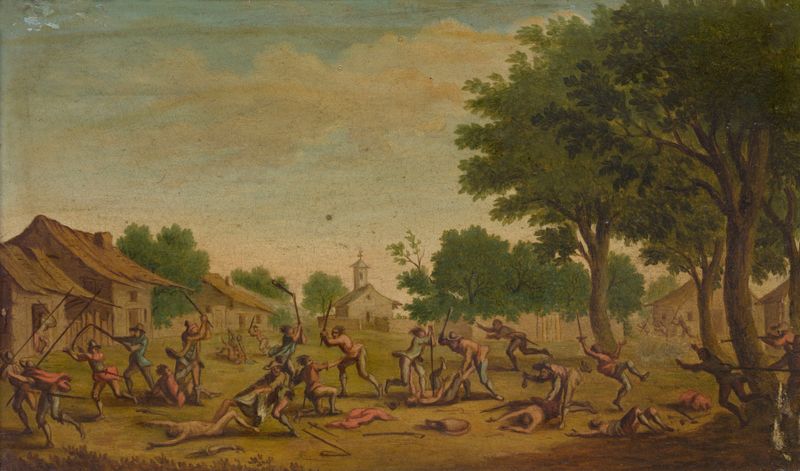
Village Fight
Jacques Callot

Titelprent voor prentreeks 'Het leven van Maria'
Jacques Callot
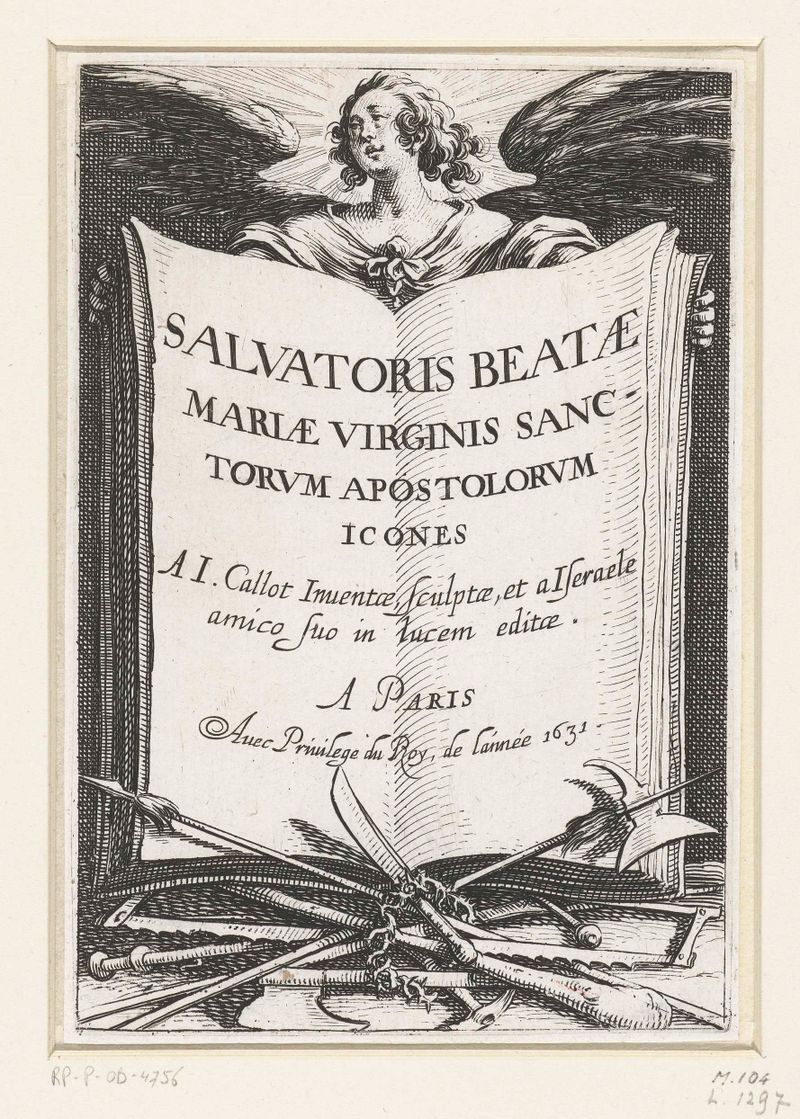
Titelprent voor de prentreeks 'De grote apostelen' (Christus, Maria en de apostelen)
Jacques Callot

Christus aan het volk getoond (Ecce homo)
Jacques Callot
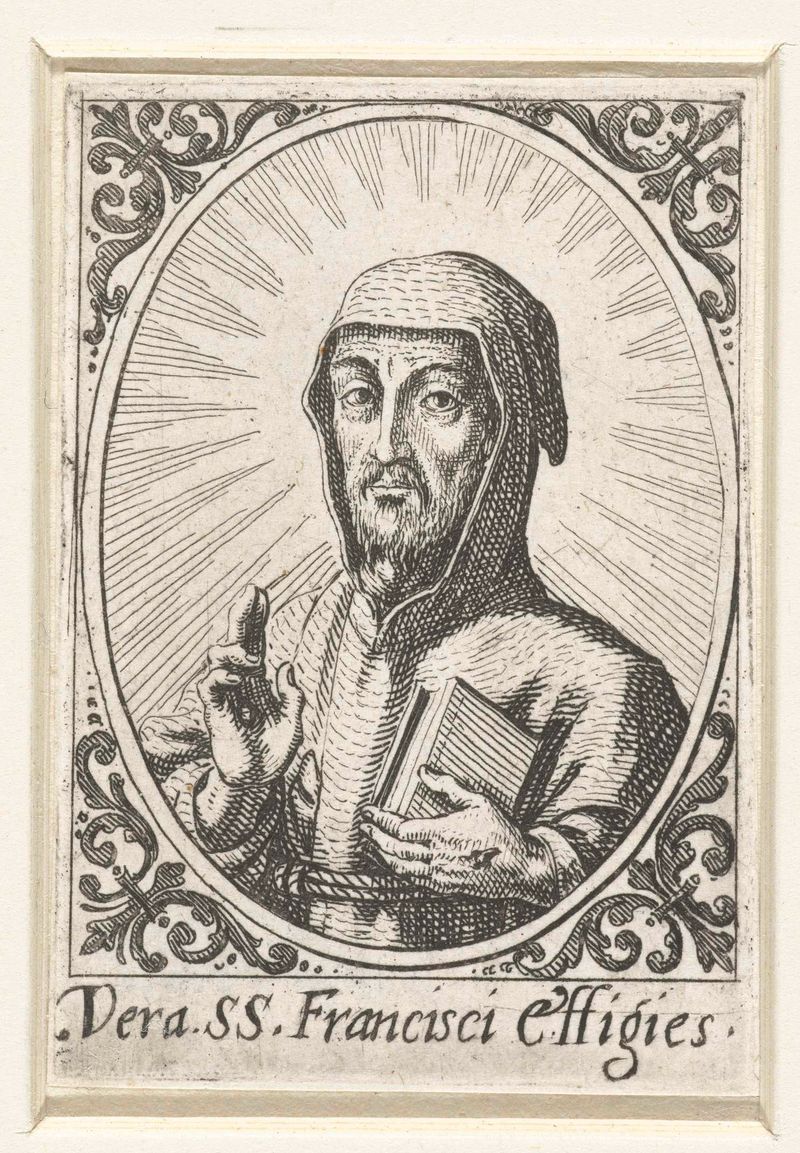
Portret van de Heilige Franciscus
Jacques Callot
More Religious Art
Browse all →
The Return of the Prodigal Son
Rembrandt van Rijn

The Garden of Earthly Delights
El Bosco

Count Orgaz’ funeral
El Greco

The Hundred Guilder Print: the central piece with Christ preaching, the plate arched
Rembrandt van Rijn

The Descent from the Cross
Rogier van der Weyden

The return of the prodigal son
Rembrandt van Rijn