
Petrus wekt Tabitha op — History & Facts
In the stillness of existence, moments of fragility unfold, inviting us to witness the delicate balance between life and death. Look to the center of the composition, where the figure of Tabitha lies in repose, her pallid skin contrasting starkly with the deep hues of her surroundings. The careful interplay of light and shadow accentuates her stillness, casting her in a soft halo that draws the eye, while the gestures of those around her amplify the tension of hope and despair. Notice how the figures hover over her, each face etched with emotion, their outstretched hands creating a dynamic composition that teeters on the brink of the miraculous. Beneath the surface, the work resonates with deeper meanings of resurrection and the fragility of life.
The contrasting emotions of grief and hope are palpable; the mourners’ expressions range from despair to anticipation, intricately woven into the fabric of the scene. The placement of Tabitha’s body, laid out and yet seemingly still alive, speaks to the thin veil between existence and absence, urging viewers to ponder the transient nature of life and the power of belief. During the years 1608 to 1611, Jacques Callot was immersed in the vibrant artistic community of Nancy, where he explored themes of spirituality and the human condition. This period was marked by a burgeoning interest in narrative painting, as artists sought to convey emotional depth through visual storytelling.
Callot's Petrus wekt Tabitha op reflects not only his artistic evolution but also the cultural context of the time, as the Catholic Counter-Reformation inspired a deeper examination of faith and miraculous events.
More Artworks by Jacques Callot
Browse all →
Titelprent voor de prentreeks 'De kleine apostelen' (Het martelaarschap van de apostelen)
Jacques Callot
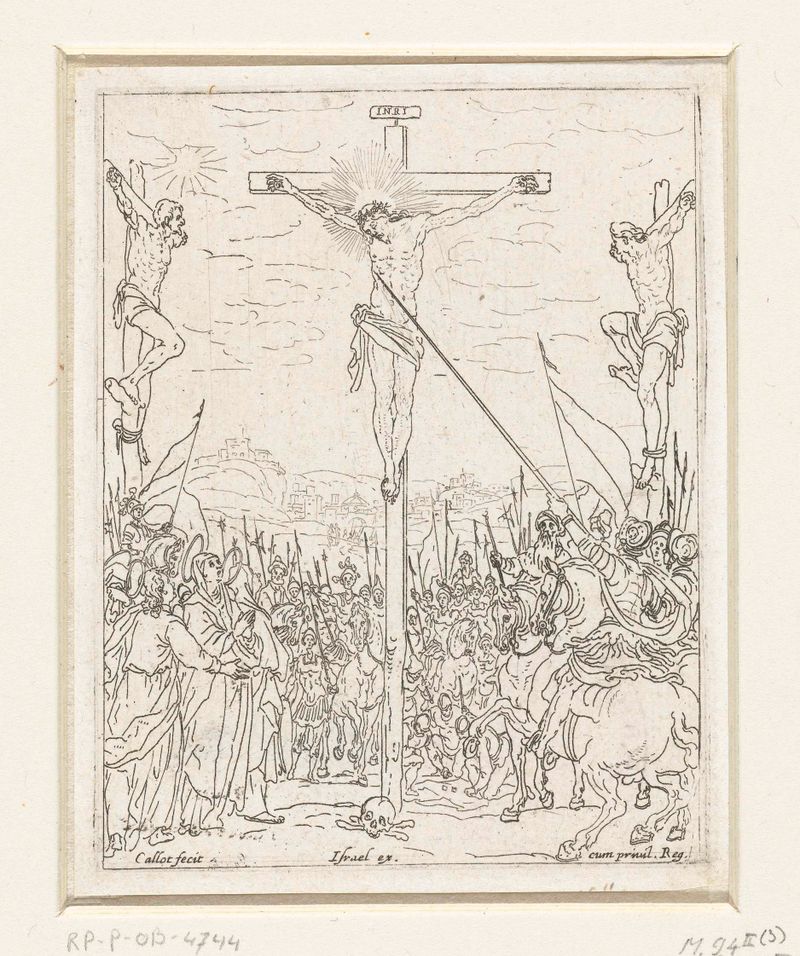
Kruisiging
Jacques Callot

De doortocht door de Rode Zee
Jacques Callot

De verloren zoon als zwijnenhoeder
Jacques Callot

Annunciatie
Jacques Callot
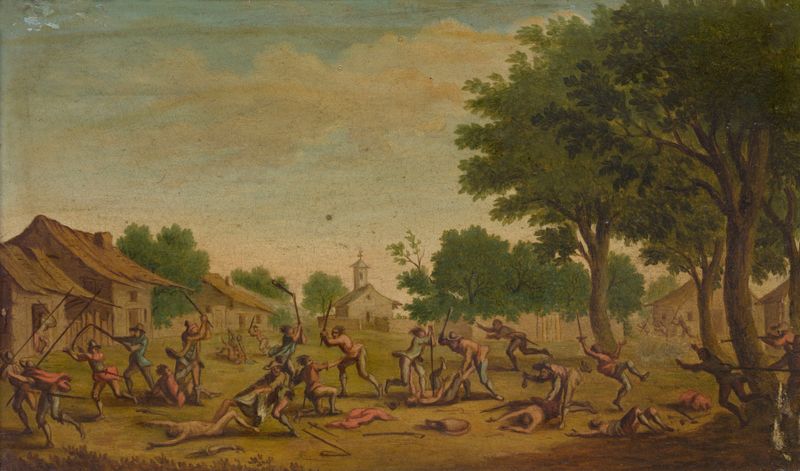
Village Fight
Jacques Callot

Titelprent voor prentreeks 'Het leven van Maria'
Jacques Callot
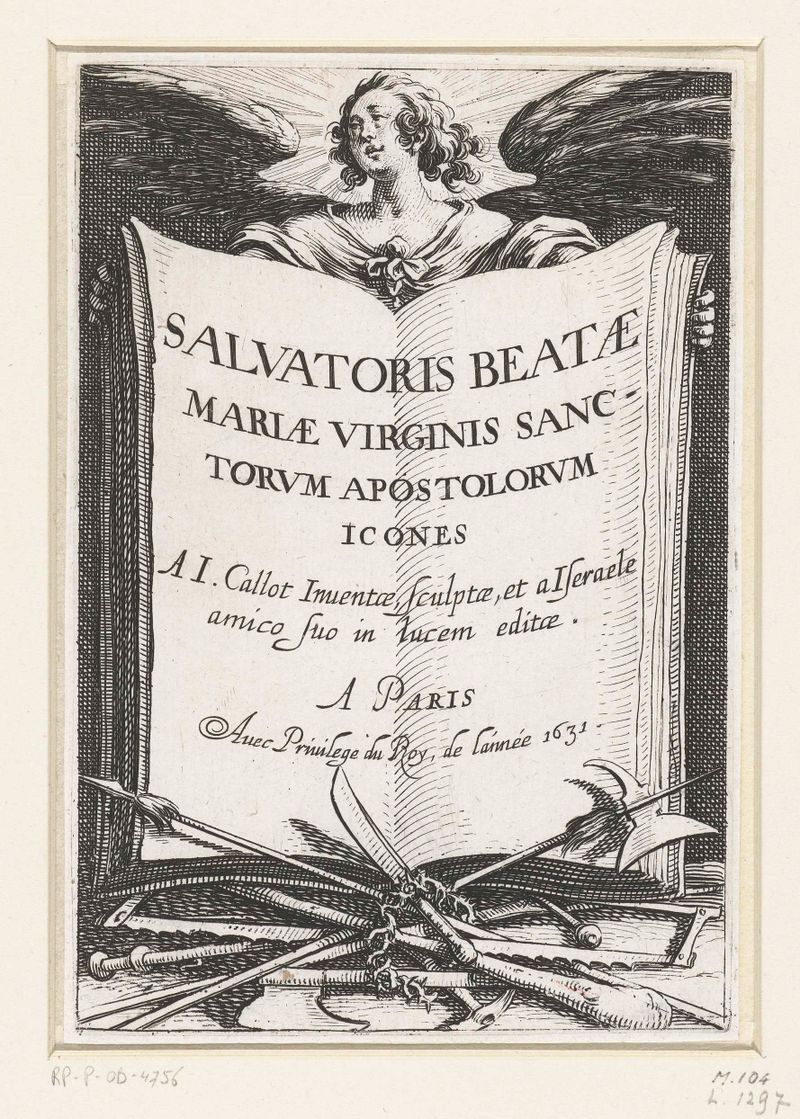
Titelprent voor de prentreeks 'De grote apostelen' (Christus, Maria en de apostelen)
Jacques Callot

Christus aan het volk getoond (Ecce homo)
Jacques Callot
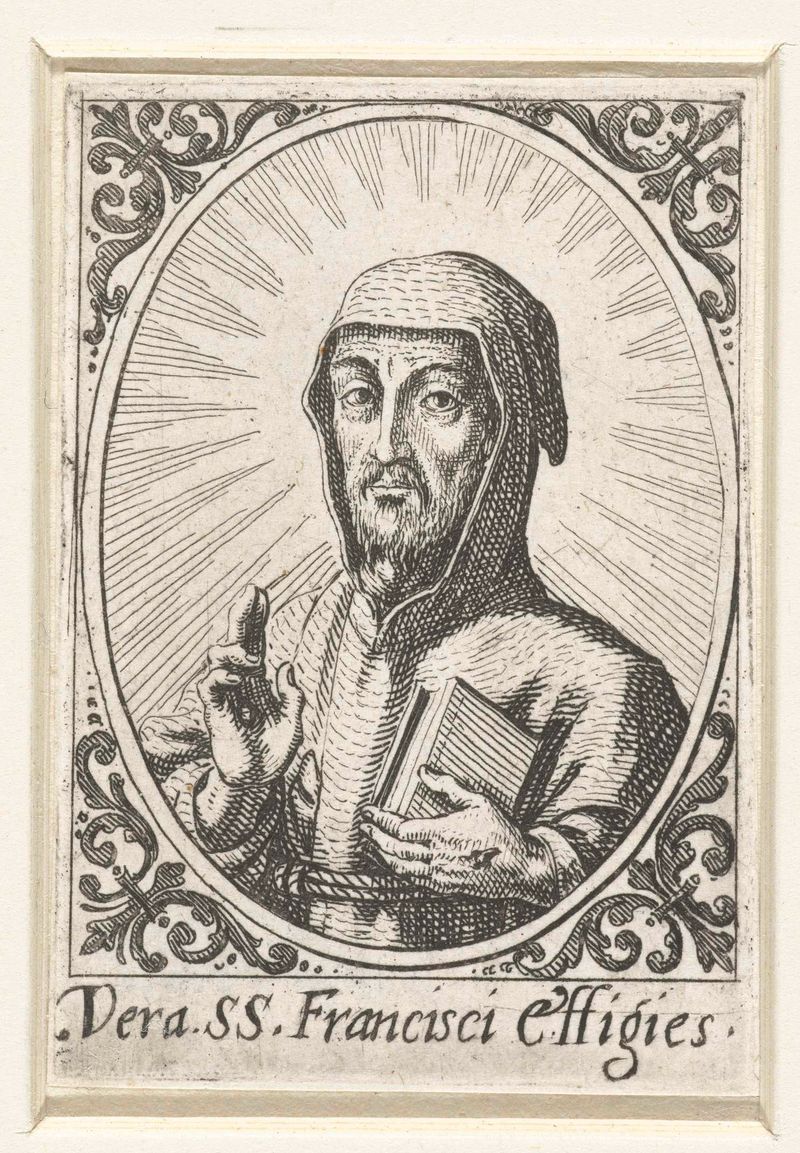
Portret van de Heilige Franciscus
Jacques Callot
More Religious Art
Browse all →
The Return of the Prodigal Son
Rembrandt van Rijn

The Garden of Earthly Delights
El Bosco

Count Orgaz’ funeral
El Greco

The Hundred Guilder Print: the central piece with Christ preaching, the plate arched
Rembrandt van Rijn

The Descent from the Cross
Rogier van der Weyden

The return of the prodigal son
Rembrandt van Rijn