
Philae — History & Facts
In Philae, the intricate landscape invites us to ponder the duality of destiny and despair, as the serene beauty of nature often masks deeper truths. Focus your gaze on the majestic temple rising against the azure sky, a testament to human ambition carved from the very essence of the earth. Notice how Lear masterfully captures the interplay of light and shadow on the stone, lending a sense of depth and texture to this monumental structure. The tranquil waters reflect a soft palette, hinting at the warmth of the sun, while the surrounding foliage adds a lush vibrancy, drawing the viewer into this enchanting scene. Yet, beneath the surface tranquility, one can sense the weight of history and time.
The juxtaposition of the ancient temple against the untouched landscape speaks to the impermanence of human achievement. The viewer is left to contemplate the destinies intertwined with this place—each ripple in the water echoes the whispers of the past, while the looming cliffs suggest both grandeur and isolation. Edward Lear created Philae during a period marked by personal travels and artistic exploration, though the exact date remains uncertain. Known primarily as a poet and illustrator, Lear's foray into landscape painting reflects the 19th-century fascination with exotic locales and historical sites.
This work emerged amidst a growing interest in the romanticism of ruins and the allure of journeys, revealing both the artist's passion for natural beauty and the deep-seated yearning for connection to the past.
More Artworks by Edward Lear
Browse all →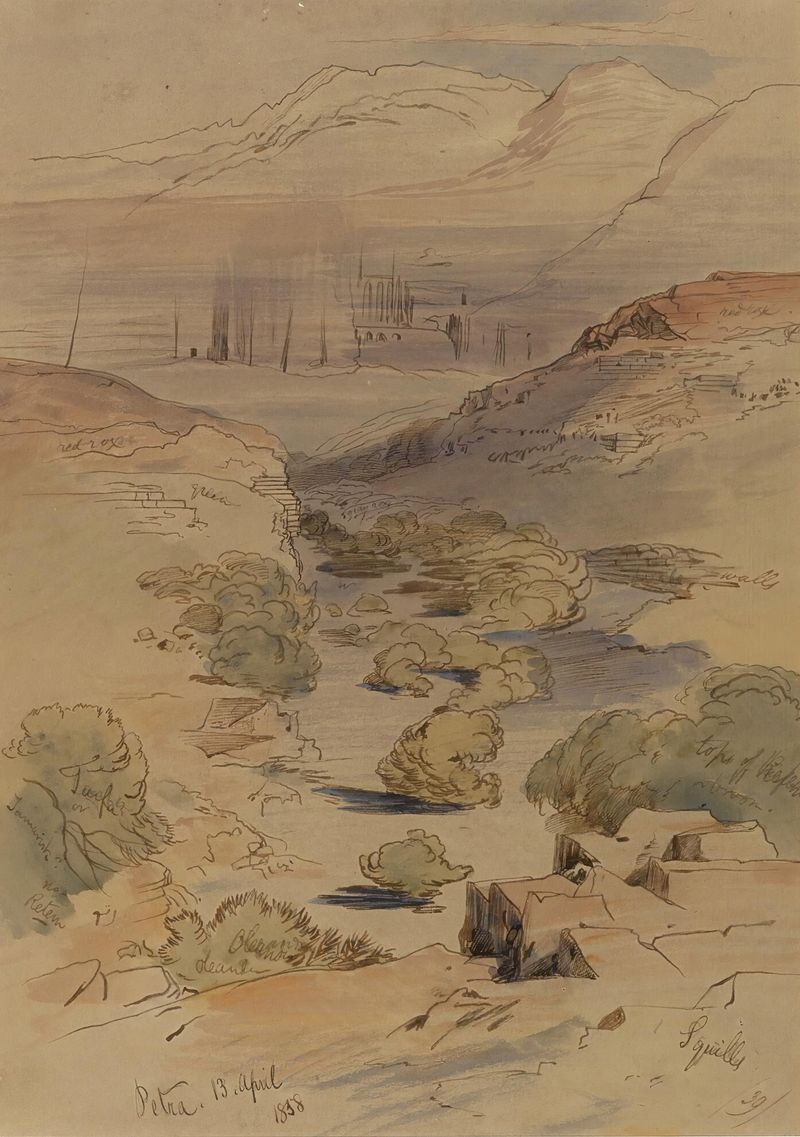
Petra
Edward Lear
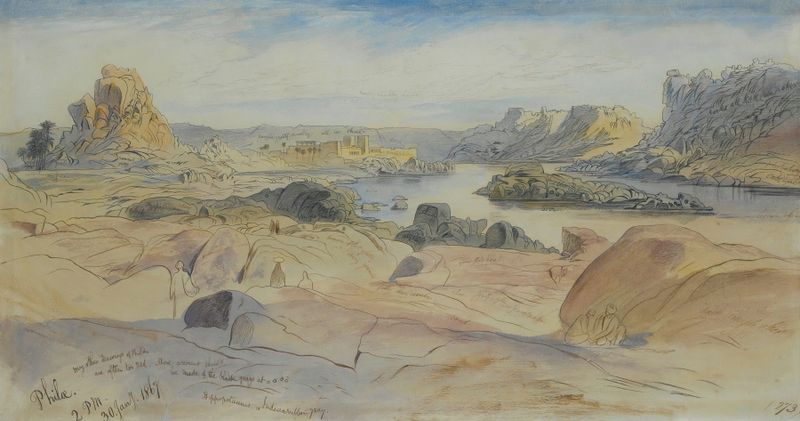
Philae, Egypt
Edward Lear
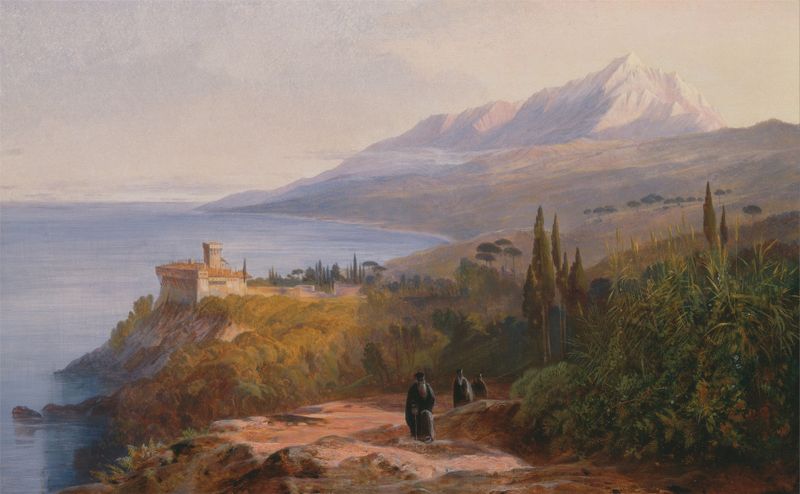
Mount Athos and the Monastery of Stavronikétes
Edward Lear
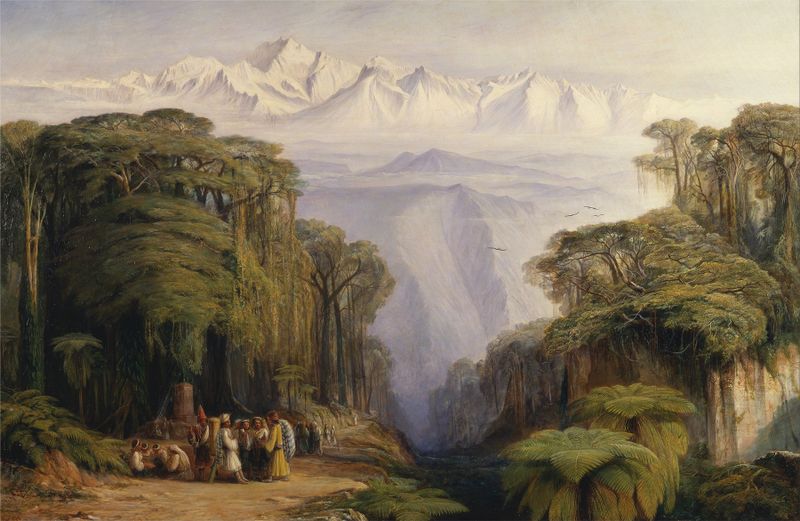
Kangchenjunga from Darjeeling
Edward Lear
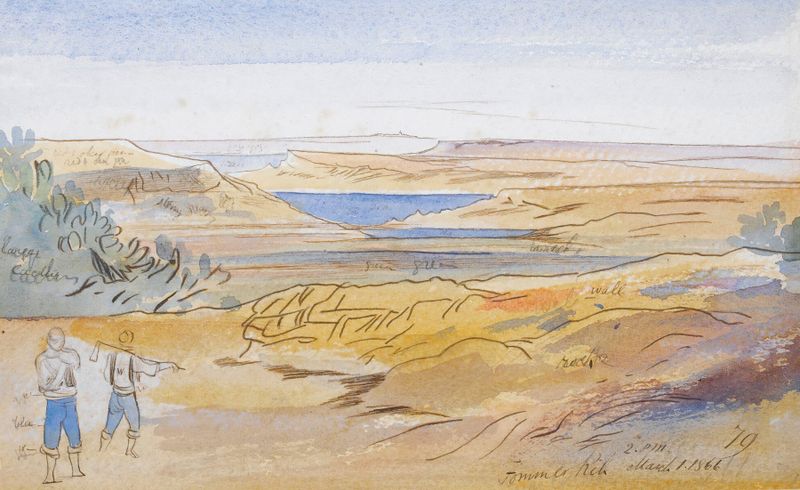
Fomm Ir-Rih, Malta
Edward Lear
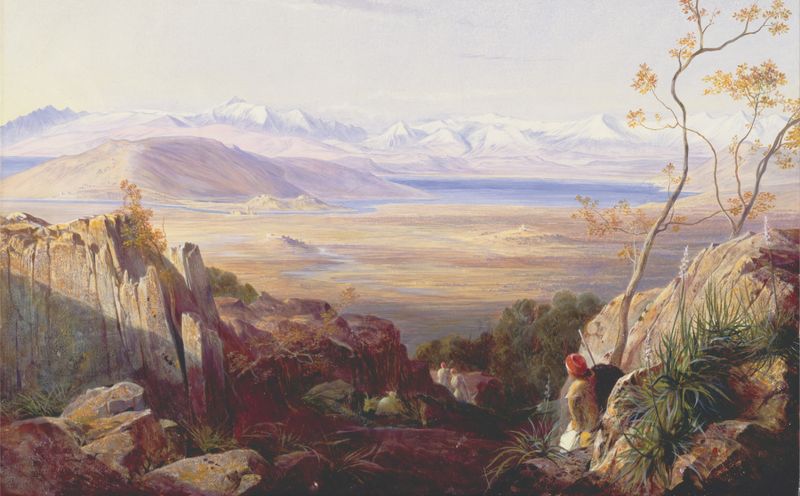
Butrinto, Albania
Edward Lear
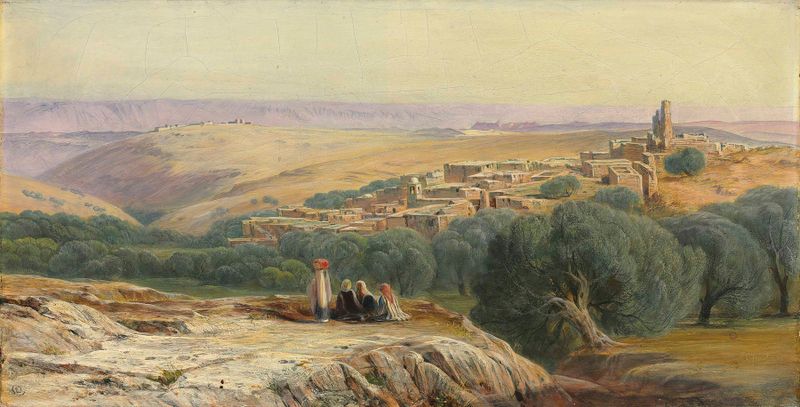
The Plains of Bethany
Edward Lear

Karnak, 9-30 pm, 22 January 1867
Edward Lear
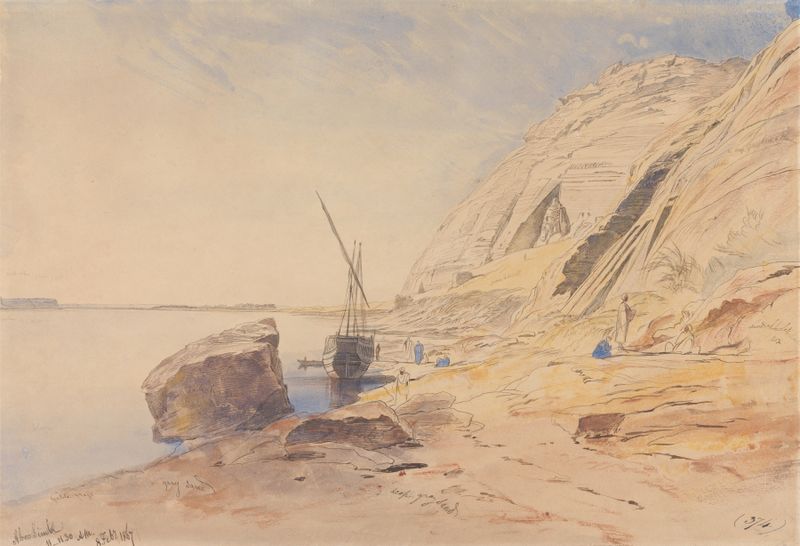
Abu Simbel, 11-11;30 am, 8 February 1867 (374)
Edward Lear

A View Of Mount Athos And The Pantokrator Monastery, Greece
Edward Lear





