
Pierre Puvis de Chavannes: A Sketch — History & Facts
What first catches the eye in Pierre Puvis de Chavannes: A Sketch by Ethel Reed is the way the bold, blocky lettering seems to grow organically from a thicket of pale, stylized foliage. The entire surface is alive with rhythm: tall, cream-colored flowers—almost ghostly—rise from a tangle of olive-green leaves, their forms echoing and repeating behind the heavy, inky text. The poster format demands attention, and the interplay of flat color fields with the hand-drawn letters creates a sense of both modernity and mystery.
Reed’s composition draws the viewer’s gaze upward, following the stems and letters as if climbing through an overgrown garden toward the promise of something just out of sight. This chromolithograph, produced in 1895, belongs to a moment when the poster was not just an advertisement but a work of art in its own right. The late nineteenth century saw a flowering of graphic design, especially in cities like Boston, where publishers such as L. Prang & Company sought to capture the public’s imagination with vibrant, collectible prints.
Artists like Ethel Reed—one of the few prominent women in the field—brought the sinuous lines and flat color planes of the international Art Nouveau movement into American visual culture. Though history has kept few traces of this particular print’s journey, its presence in the Library of Congress today allows us to see how art and commerce intertwined, and invites us to look closer at the spaces where text and image meet.
More Artworks by Ethel Reed
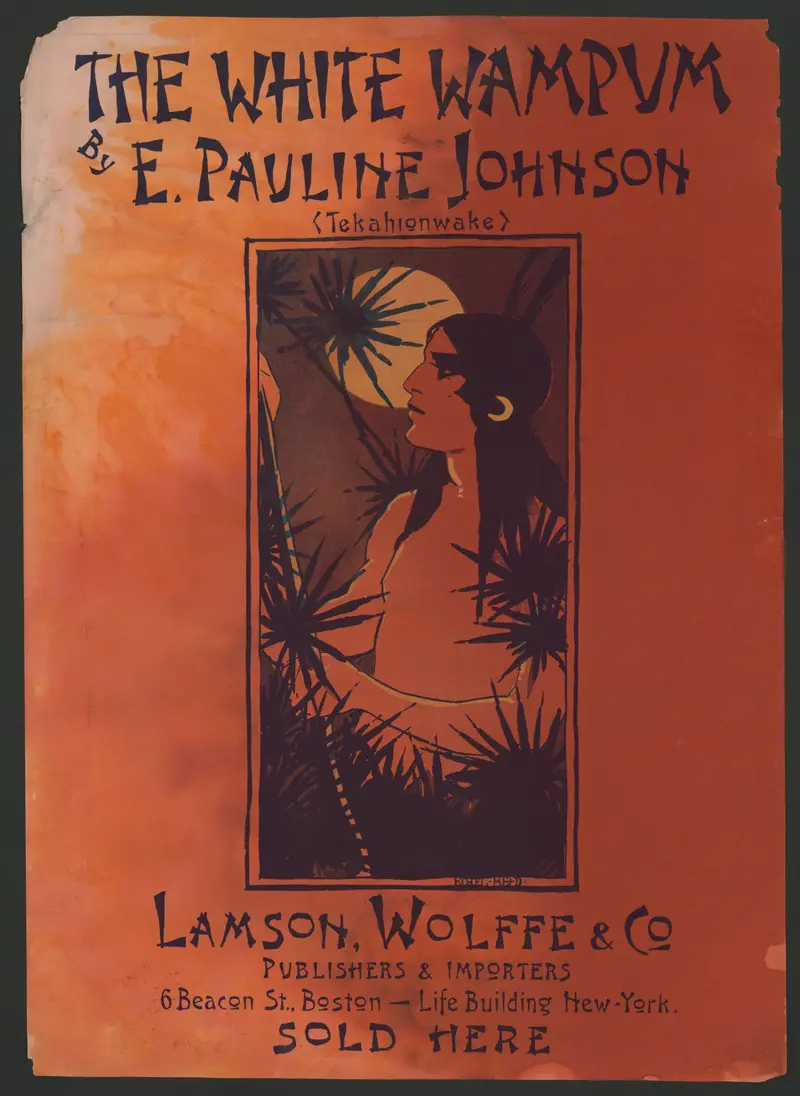
The White Wampum
Ethel Reed
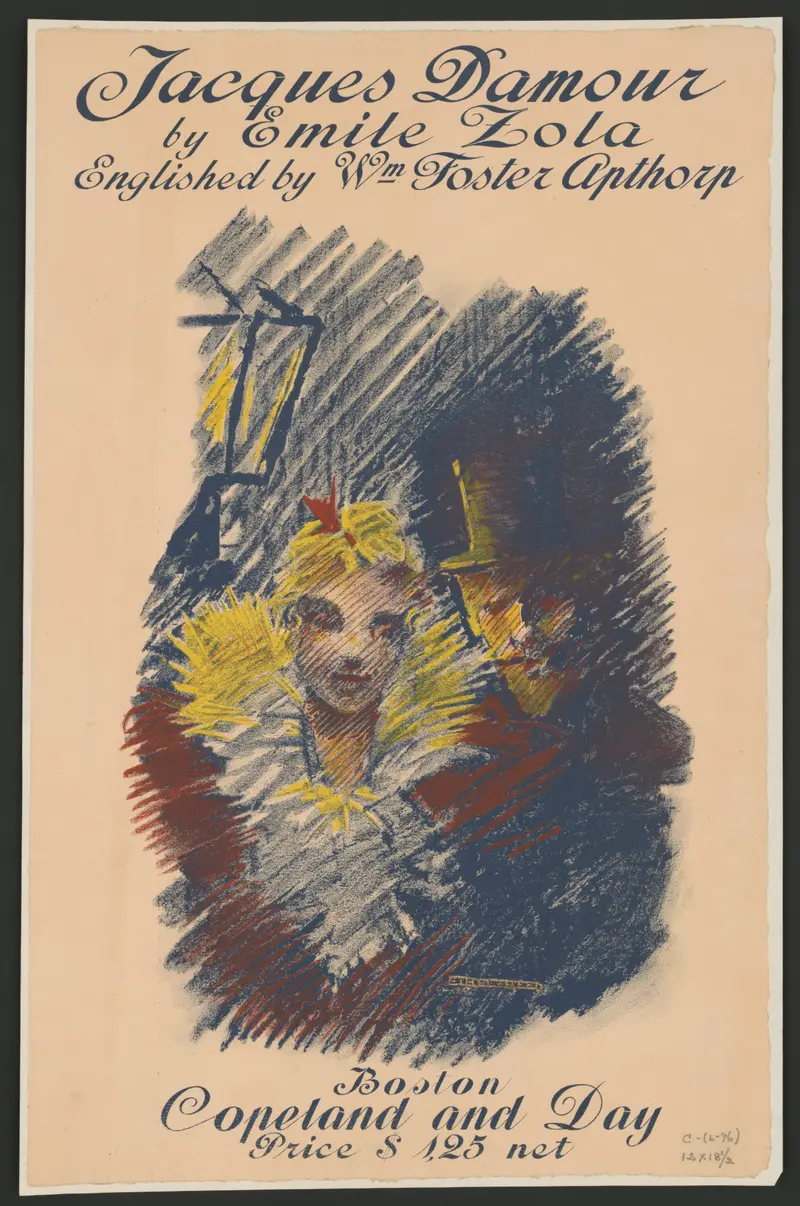
Jacques Damour
Ethel Reed
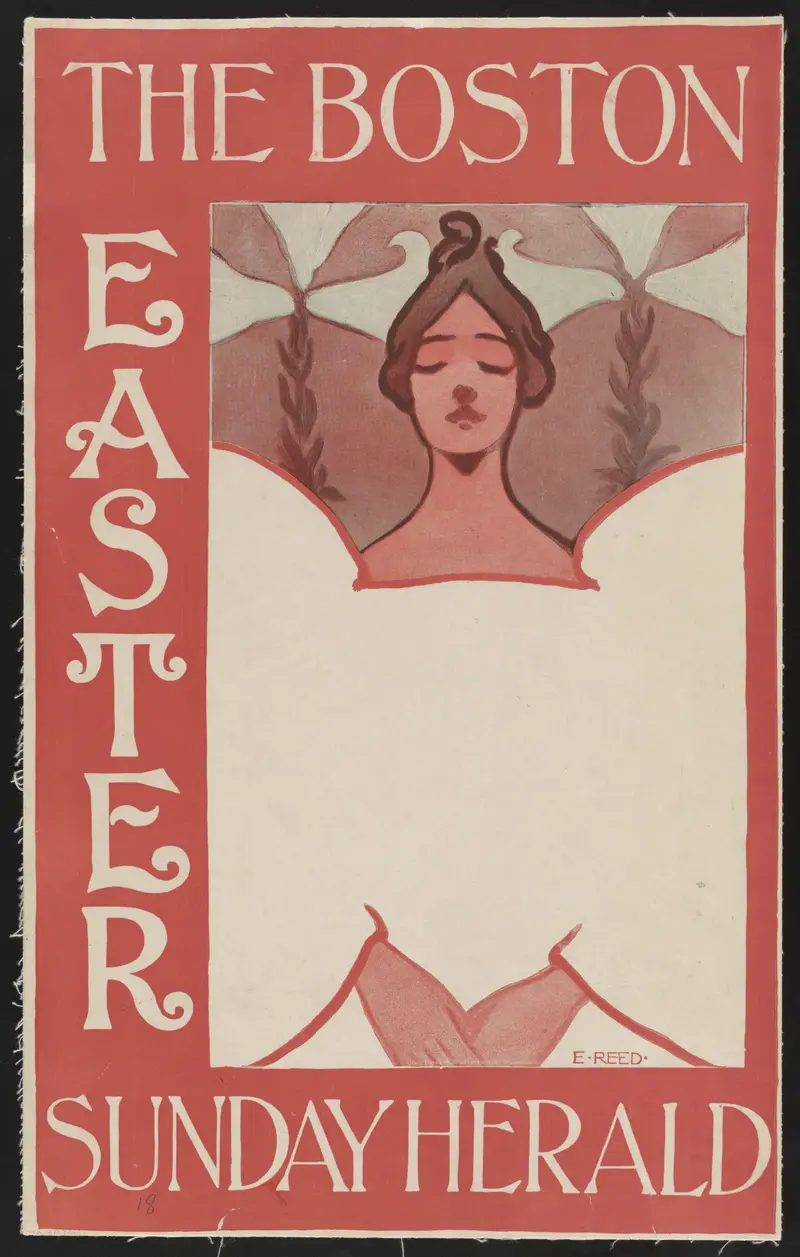
The Boston Sunday Herald: Easter
Ethel Reed
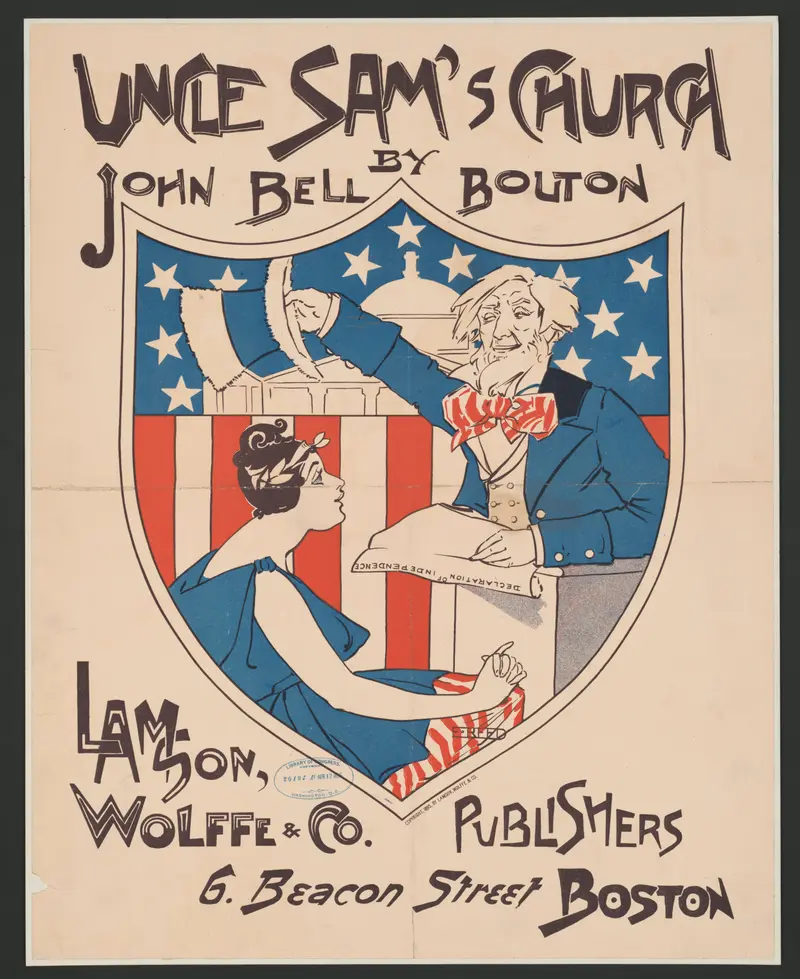
Uncle Sam's Church
Ethel Reed
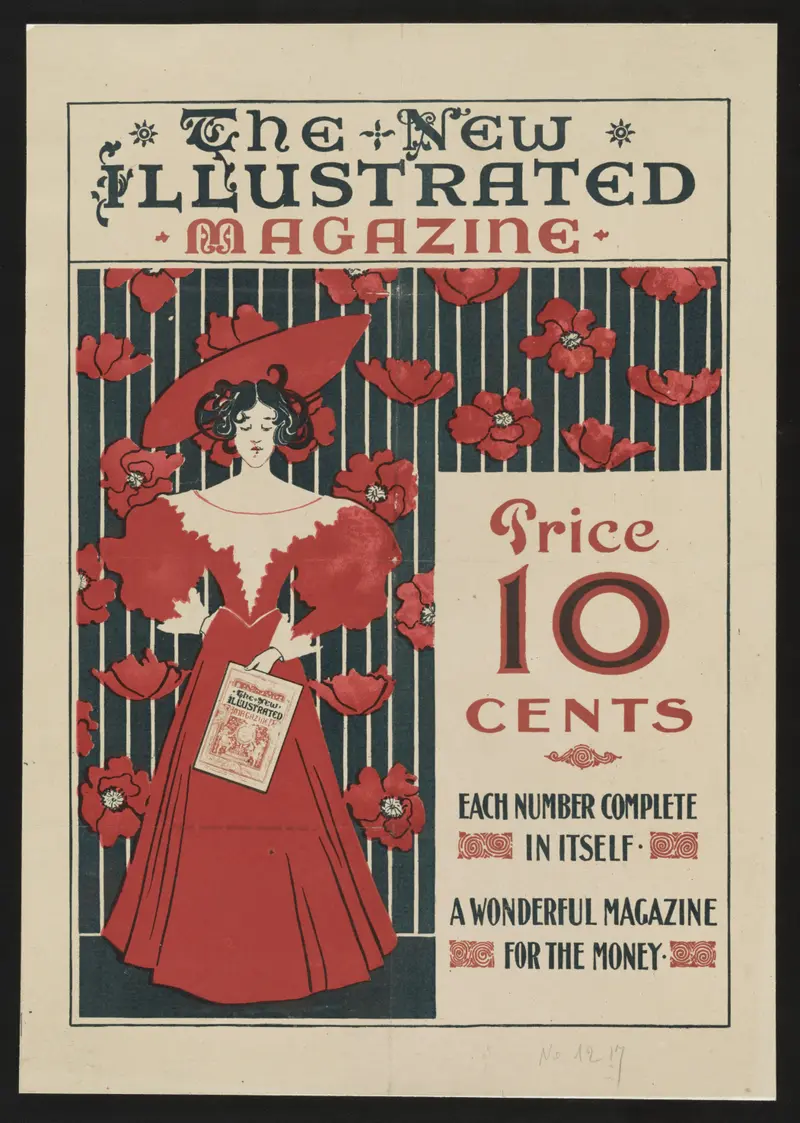
The New Illustrated Magazine
Ethel Reed
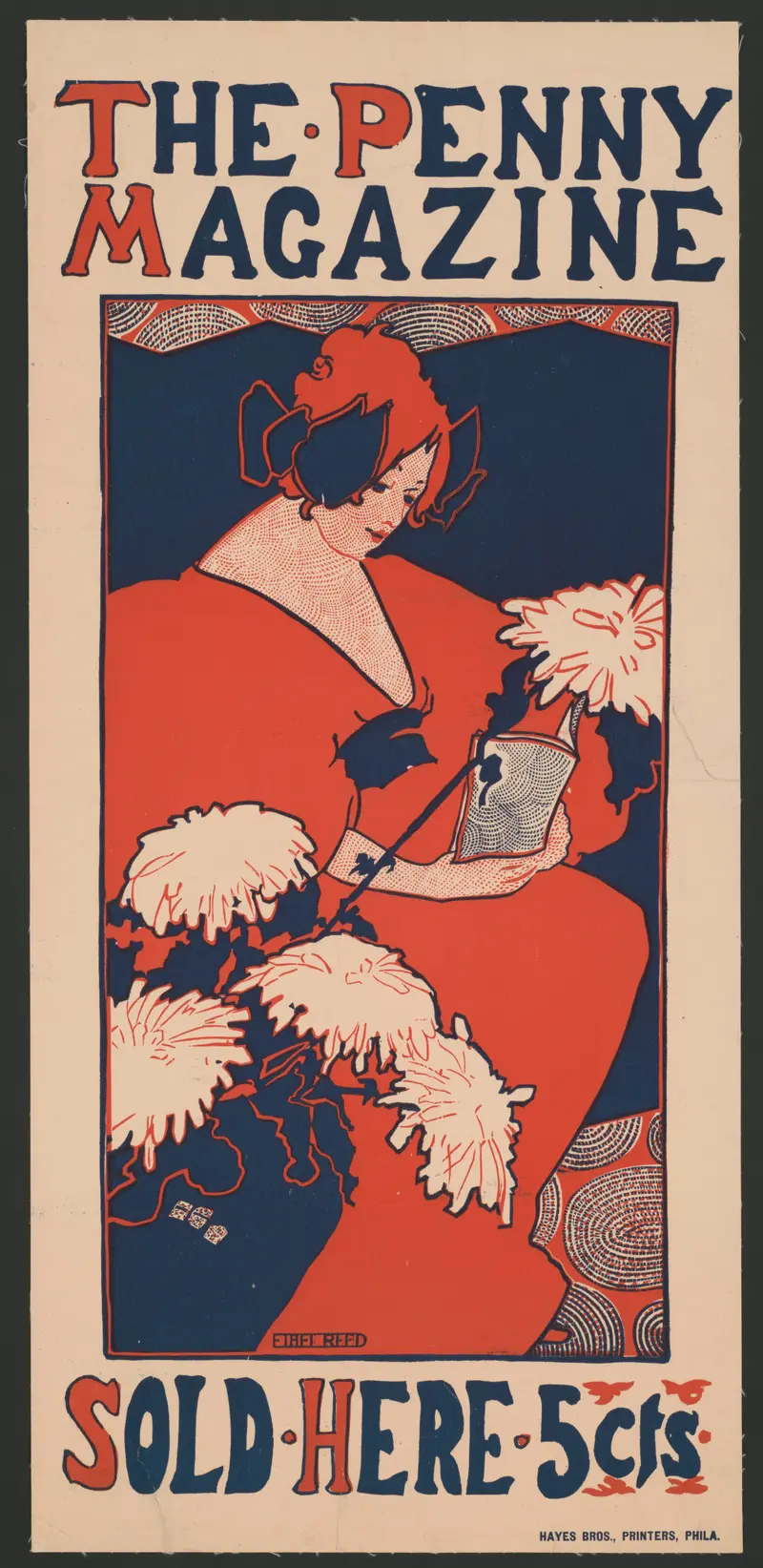
The Penny Magazine
Ethel Reed
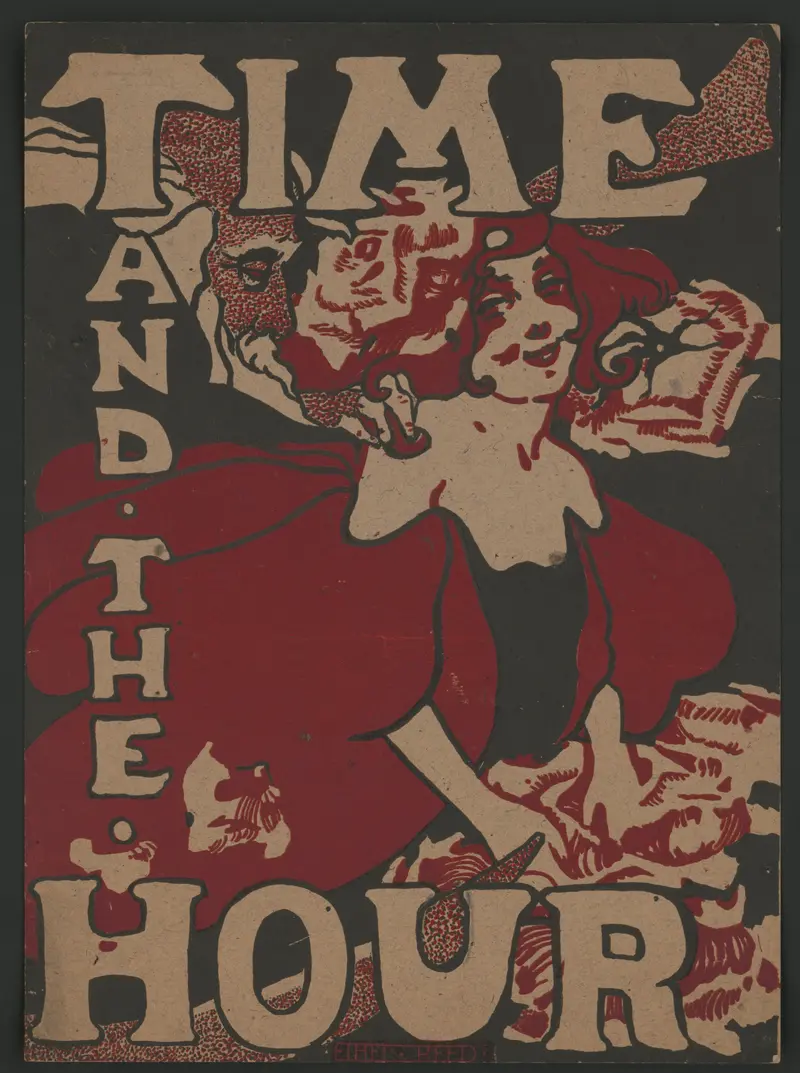
Time and the Hour
Ethel Reed
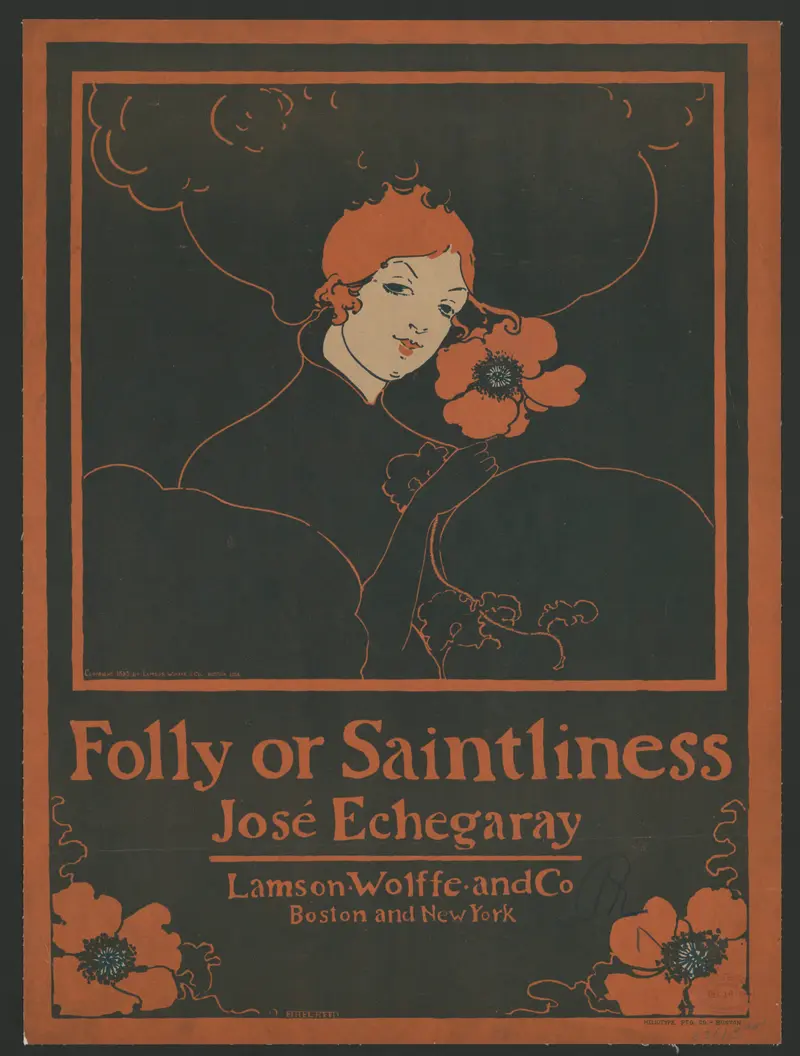
Folly or Saintliness
Ethel Reed
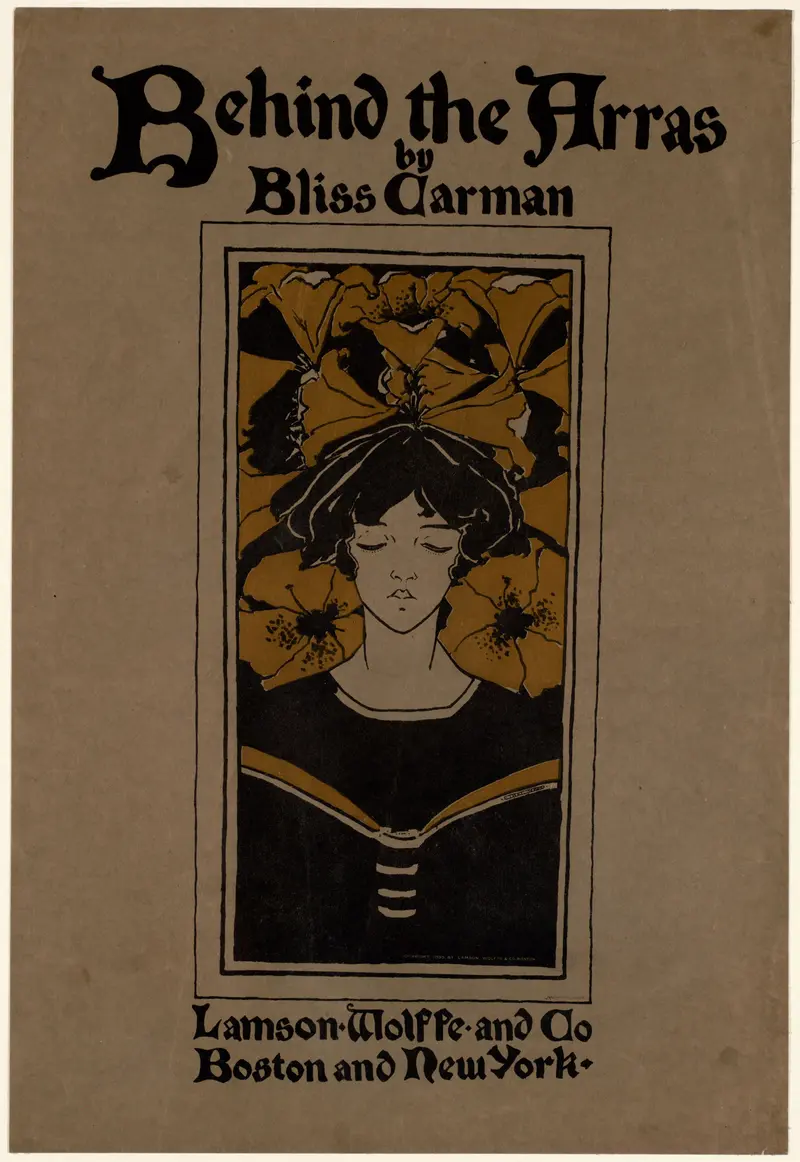
Behind the Arras
Ethel Reed
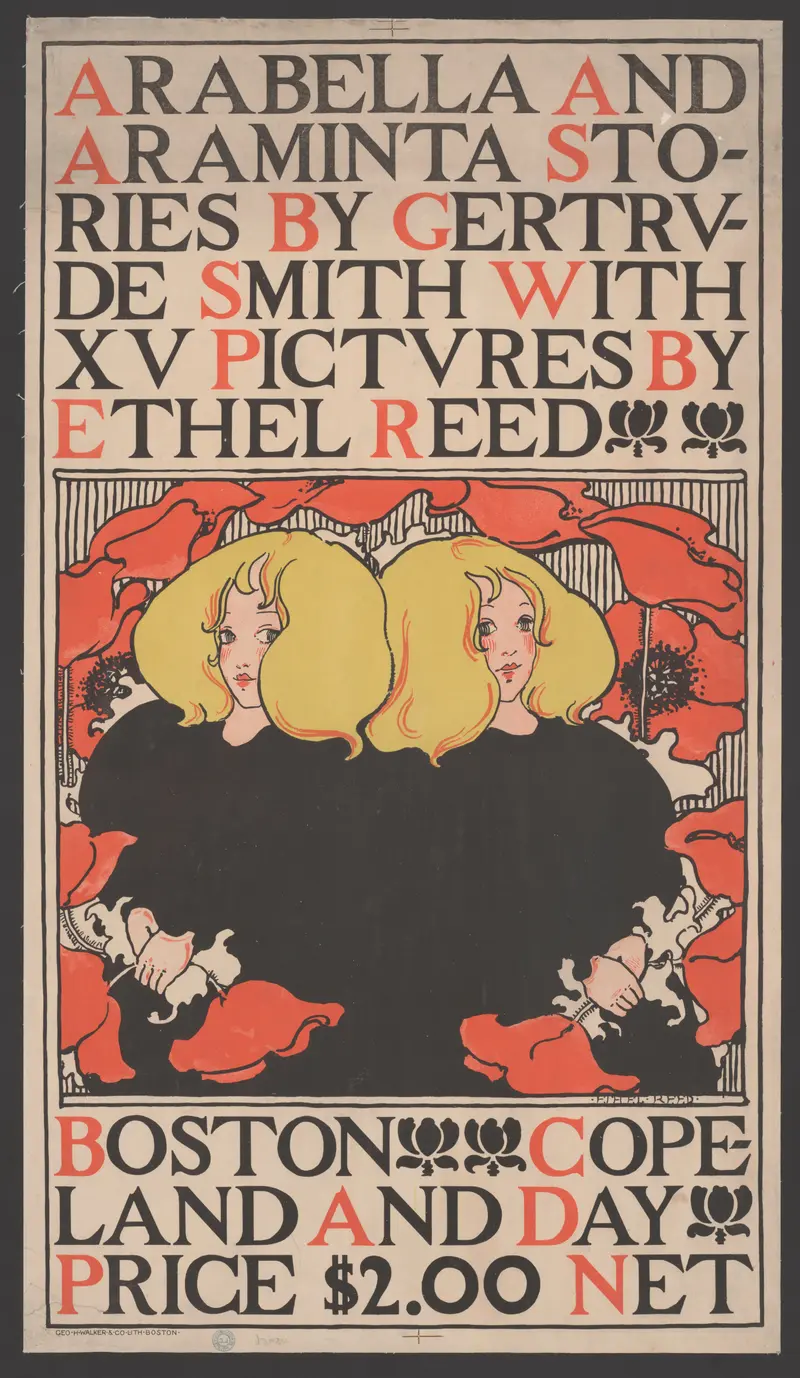
Arabella and Araminta Stories
Ethel Reed





