
Pierrot à la guitare — History & Facts
In Pierrot à la guitare, Juan Gris presents a figure of Pierrot, a traditional clown, holding a guitar. The color palette features muted blues, grays, and whites, creating a somber yet engaging atmosphere. The composition is fragmented, characteristic of Cubism, with geometric shapes and overlapping planes.
The background is abstract, focusing attention on the figure and the instrument. The painting is executed in oil on canvas, a common medium for Gris. The dimensions are approximately 65 x 54 cm, making it a medium-sized work. The use of color and form reflects Gris's unique approach to Cubism, where he combines elements of still life with figurative representation.
The painting showcases a balance between abstraction and recognizable forms. Juan Gris was a key figure in the Cubist movement, known for his innovative use of color and form. Pierrot à la guitare is a notable example of his work from the early 1910s, reflecting his interest in the theatrical and the everyday. An interesting fact about this painting is that it captures the essence of the artist's fascination with the character of Pierrot, which he often used to explore themes of melancholy and artistic identity.
This work remains an important contribution to the development of modern art.
More Artworks by Juan Gris
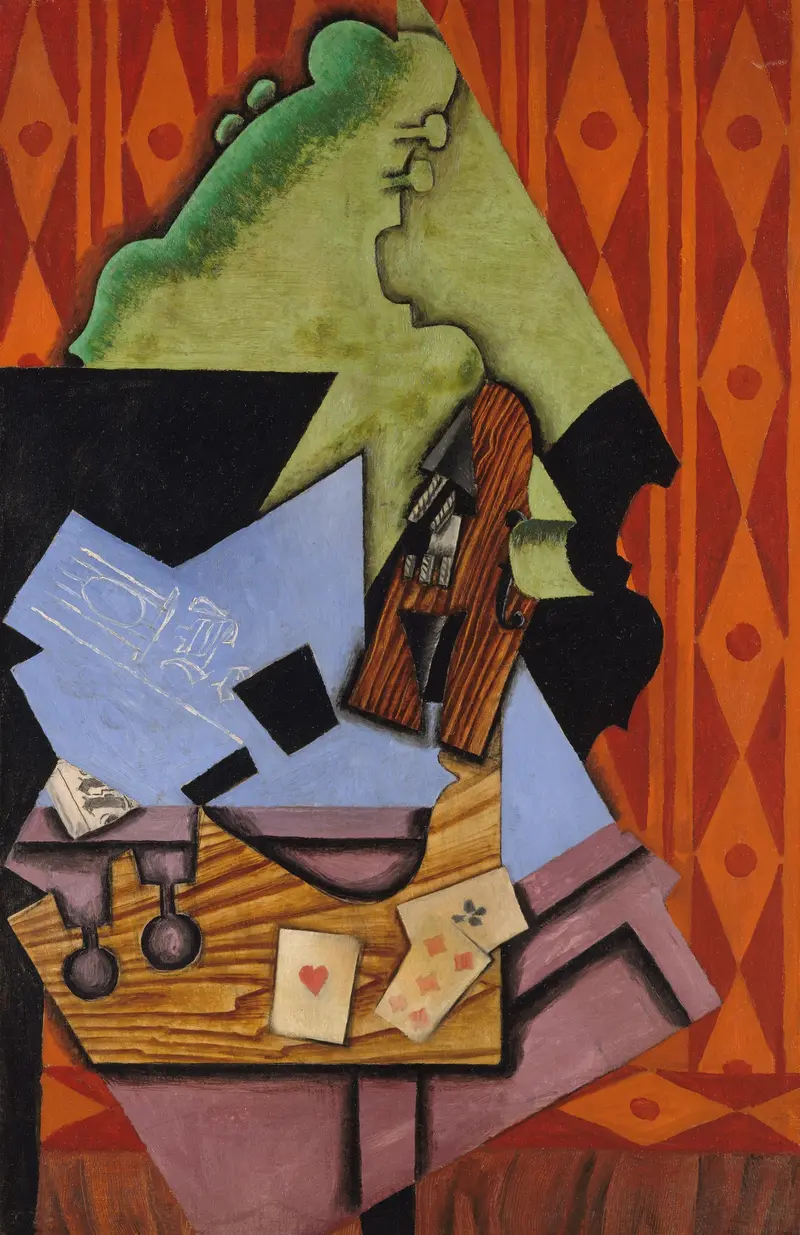
Violin and Playing Cards on a Table
Juan Gris

Portrait of Picasso
Juan Gris
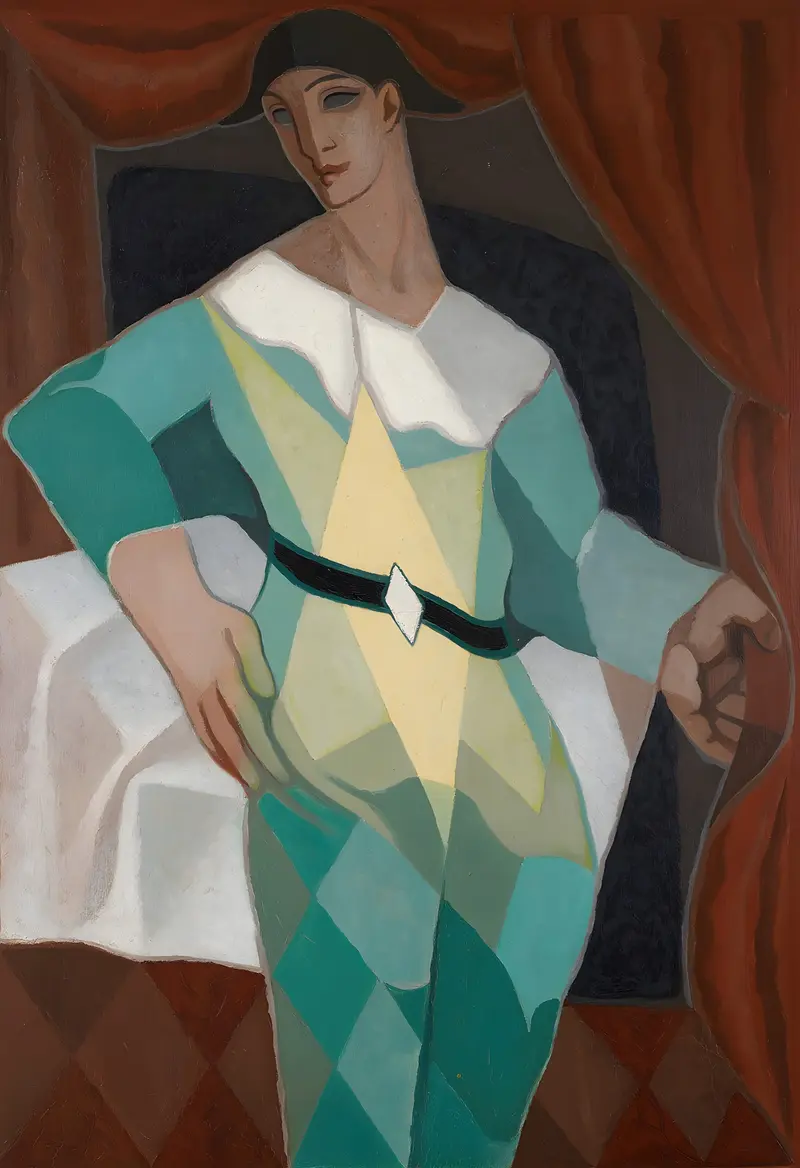
Arlequin
Juan Gris

A Guitar, Glasses and a Bottle
Juan Gris
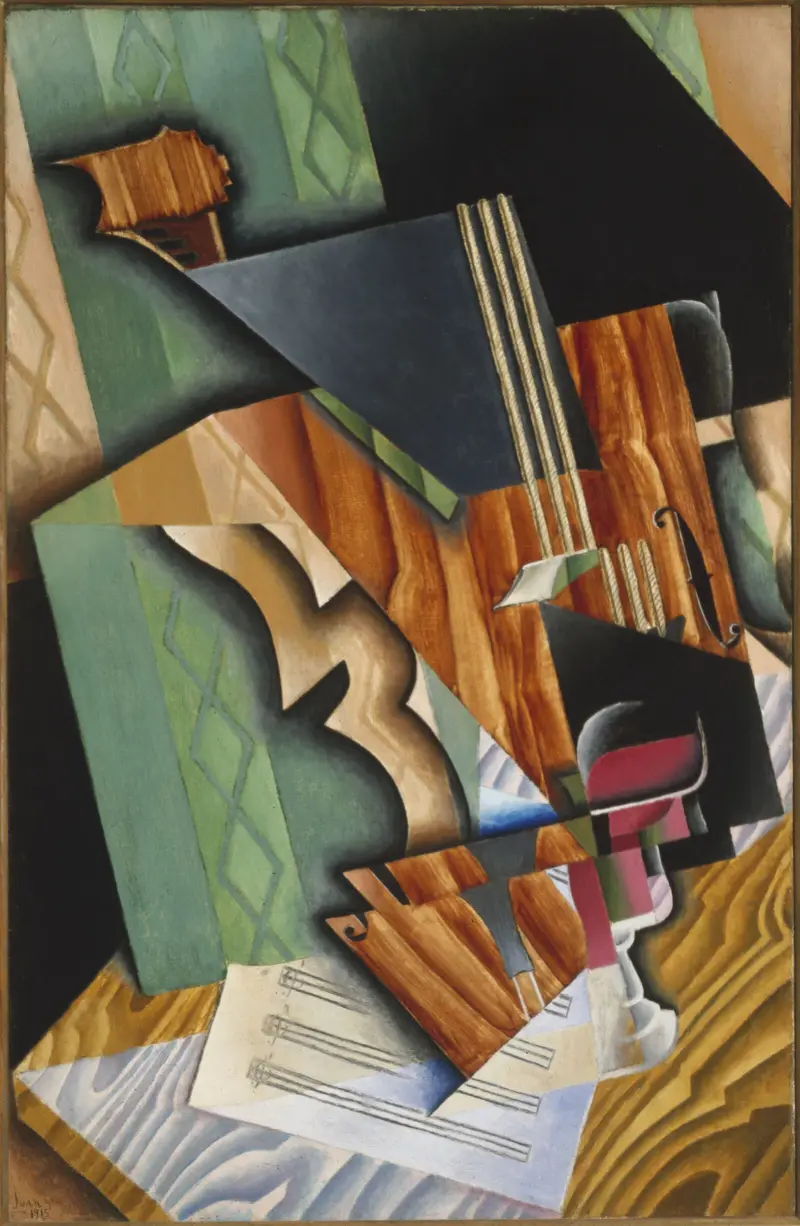
Violin and Glass
Juan Gris

Bottle and fruit bowl
Juan Gris
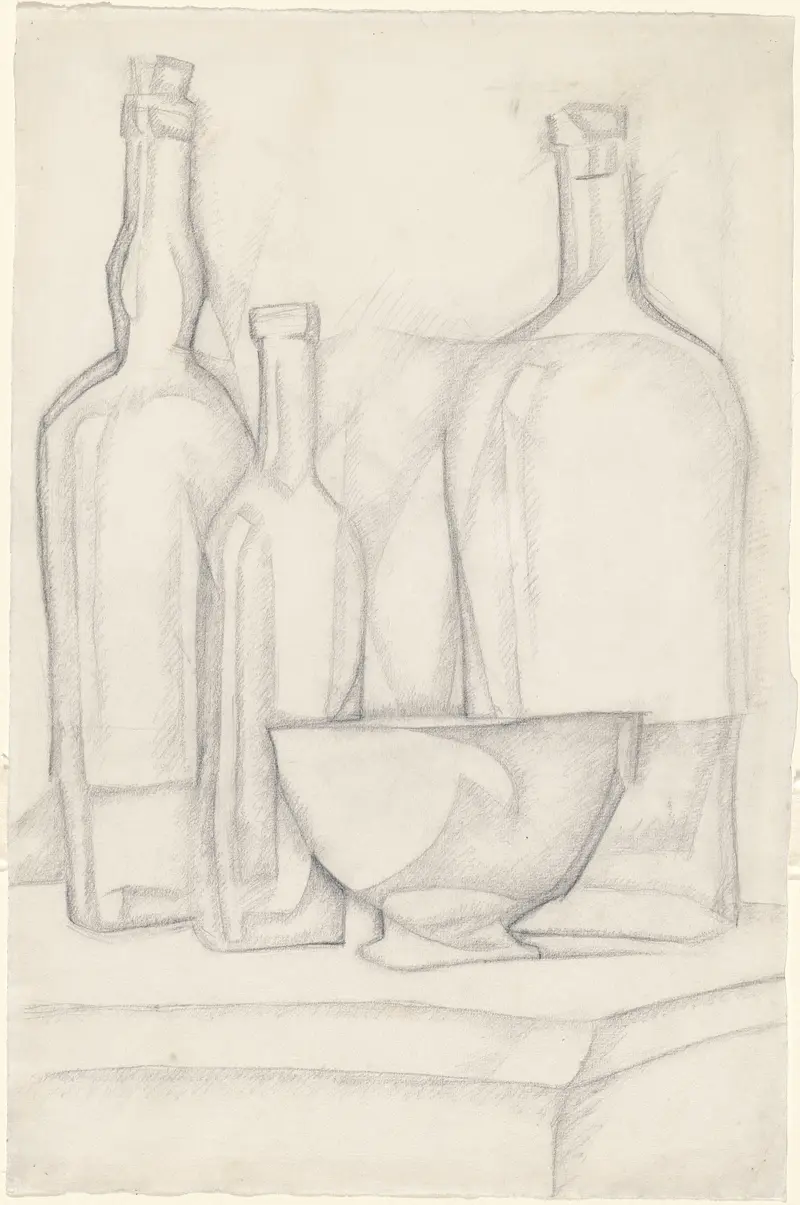
Bottles and Bowl
Juan Gris
Journal et compotier
Juan Gris
As a wife has a cow Pl.2
Juan Gris
Bottle of Rum and Newspaper
Juan Gris



