
Pike Pool, Beresford Hall, Derbyshire — History & Facts
No one knows exactly when John Linnell first set up his easel at Beresford Hall, but Pike Pool, Beresford Hall, Derbyshire remains one of the rare glimpses into the private, picturesque world of the English gentry’s rural retreats. The site itself, nestled in the Derbyshire countryside, was famed in the early nineteenth century for its tranquil pools and the lively gatherings of anglers who sought the elusive pike. Linnell’s choice of subject is unusual for an artist more often associated with religious and visionary landscapes, and hints at a personal connection or a special commission—though no record of a patron survives.
The painting’s mystery is deepened by the absence of a date or documentation, leaving viewers to piece together its story from brushwork and setting alone. In this scene, the eye is drawn first to the glassy surface of the pool, dappled with the reflections of overhanging trees and the stone arches of Beresford Hall beyond. Two figures, perhaps gentlemen anglers, stand at the water’s edge, their rods poised, intent on the silent drama beneath the surface. The lush greenery, rendered in Linnell’s meticulous style, frames the composition and suggests a moment of quiet anticipation—a pause before the sudden flash of a pike breaking the water.
The painter’s attention to the play of light on water and foliage recalls the naturalistic detail of John Constable, yet Linnell’s mood is more intimate, less about grandeur than about the quiet pleasures of rural life. Every detail, from the ripples in the pool to the weathered stones, invites the viewer into a world of stillness and suspense. The painting’s own journey is as elusive as the fish it depicts. Without a documented commission or early exhibition, Pike Pool, Beresford Hall, Derbyshire has long hovered at the margins of John Linnell’s better-known oeuvre.
It is likely to have been painted during Linnell’s mature period, when he was exploring the English landscape with a new realism and sensitivity. Over the years, the work has passed through private collections, sometimes attributed to other landscape artists before being definitively linked to Linnell by stylistic comparison. Today, it stands as a testament to the artist’s versatility and his quiet celebration of the English countryside, preserved for online audiences who can now trace its tranquil banks from afar.
More Artworks by John Linnell

A View Near Hampstead
John Linnell
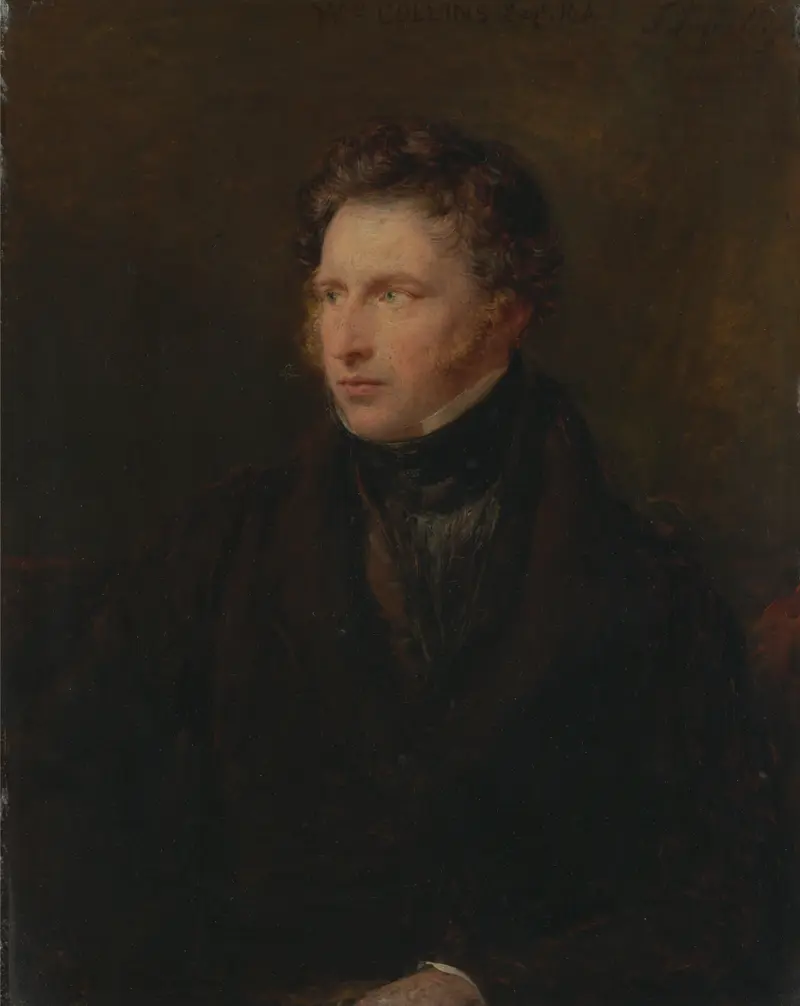
William Collins, R.A.
John Linnell
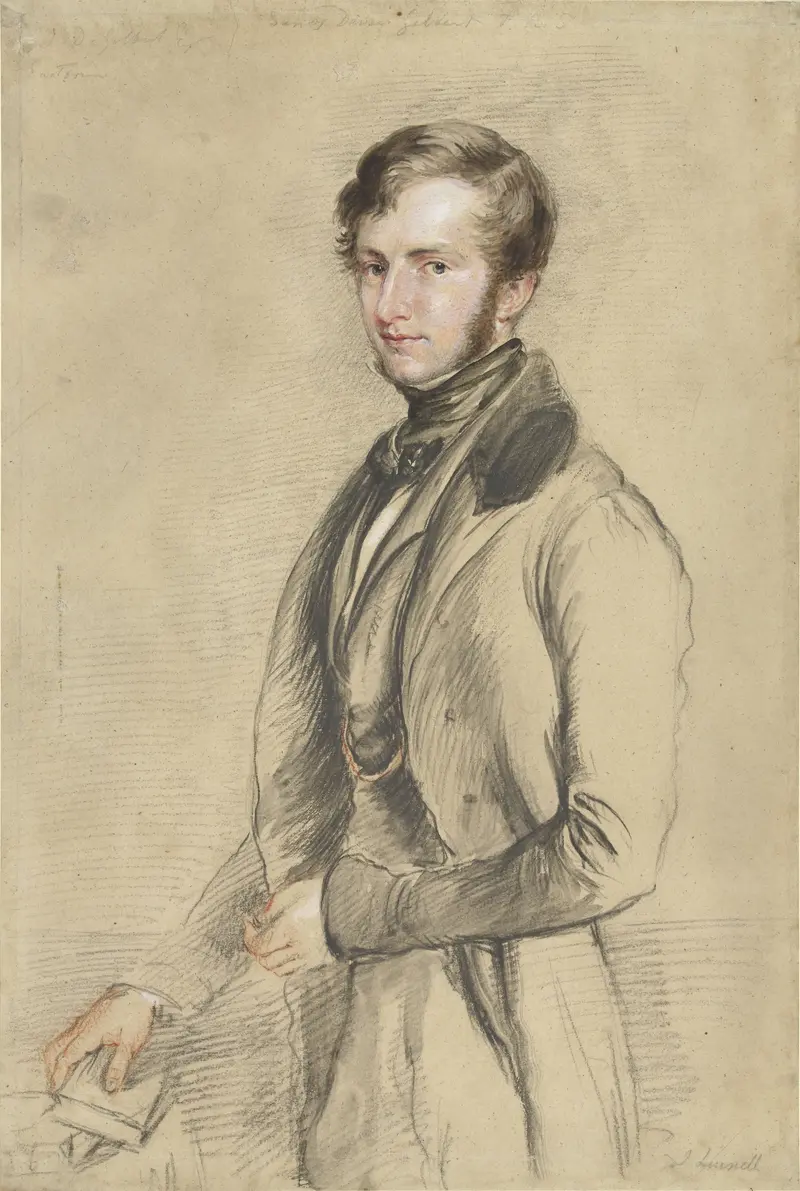
Portrait of John Davies Gilbert
John Linnell
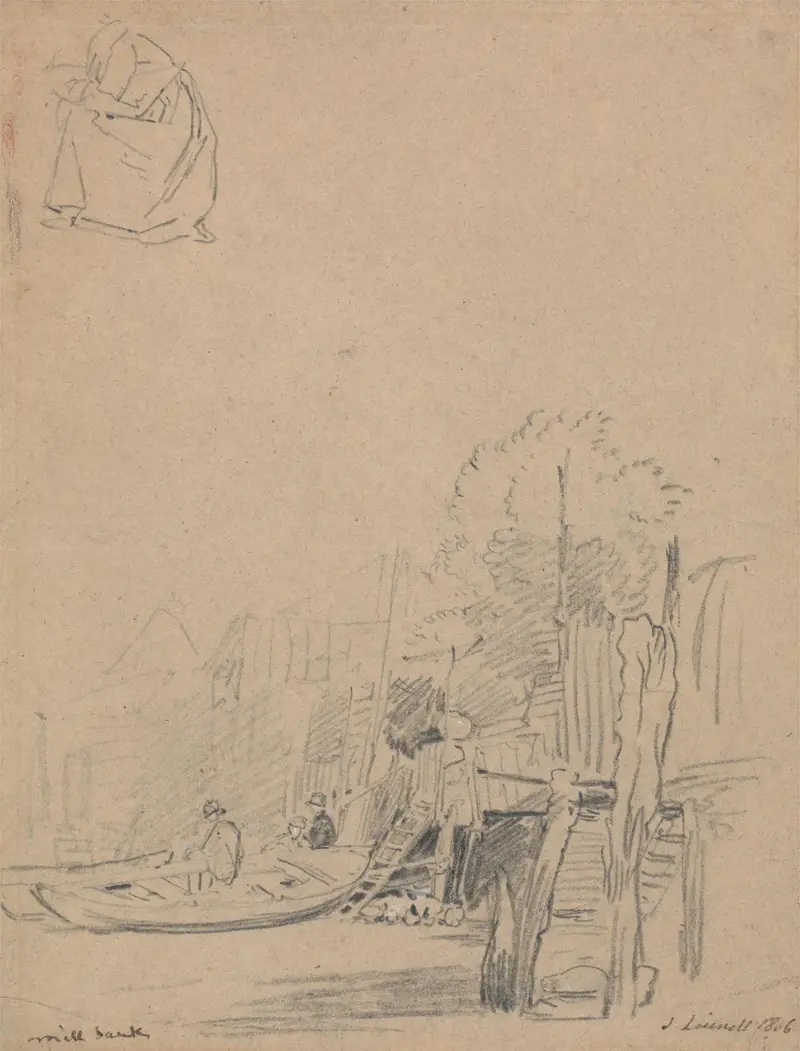
Millbank
John Linnell
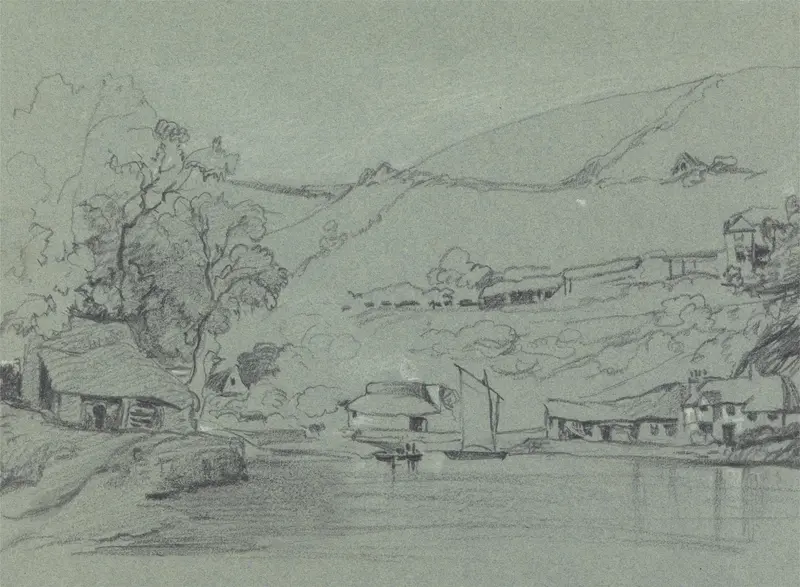
Scene in Kent
John Linnell
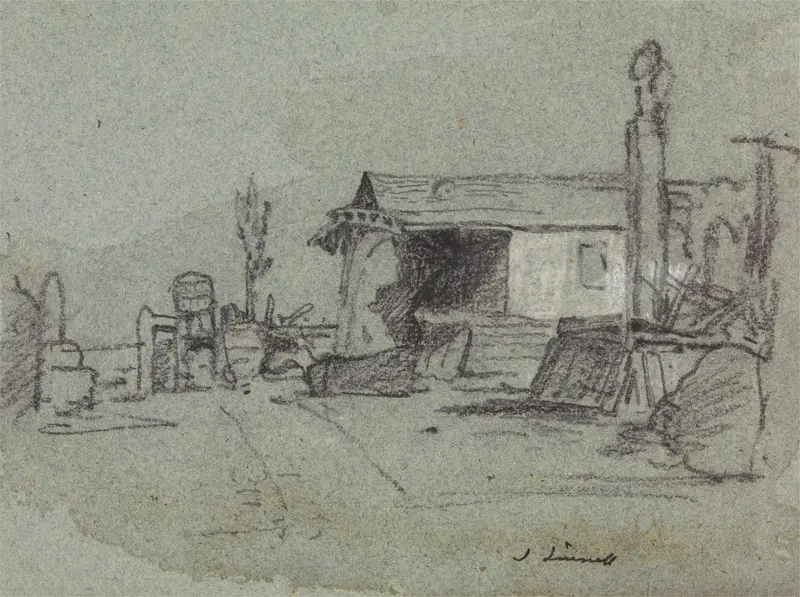
A Scene in the Edgware Road, London
John Linnell
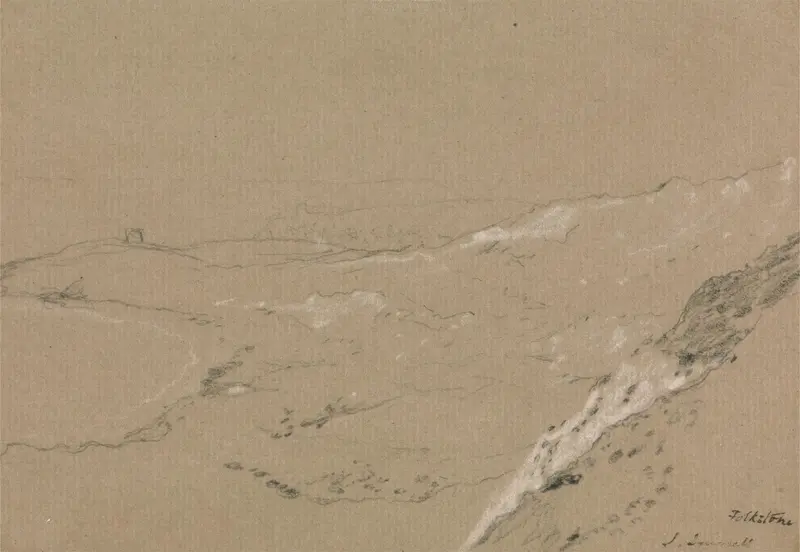
Folkestone
John Linnell
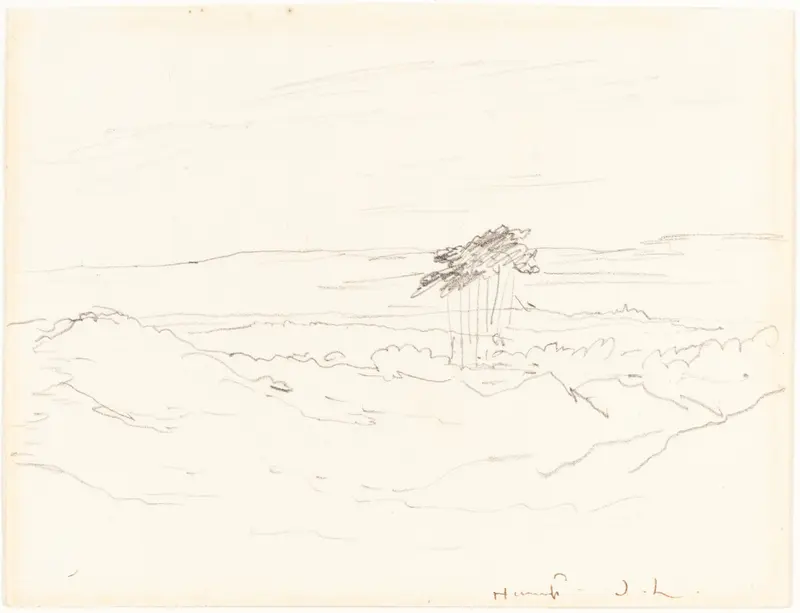
Hampstead Heath
John Linnell
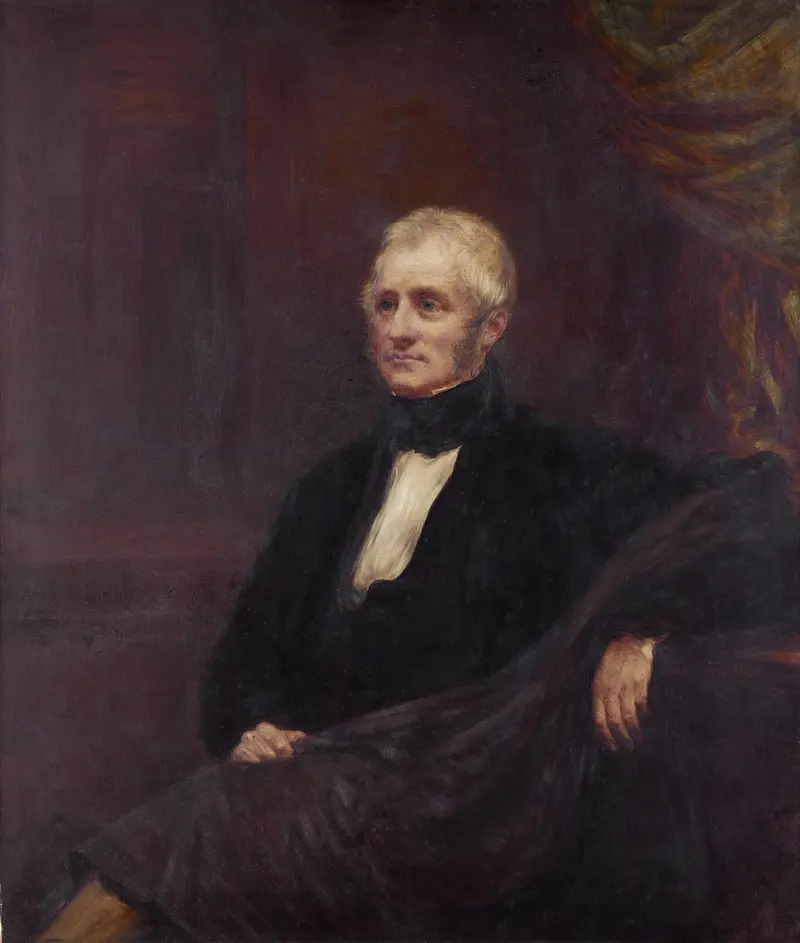
Henry Stephen Fox-Strangways, 3rd Earl Of Ilchester
John Linnell
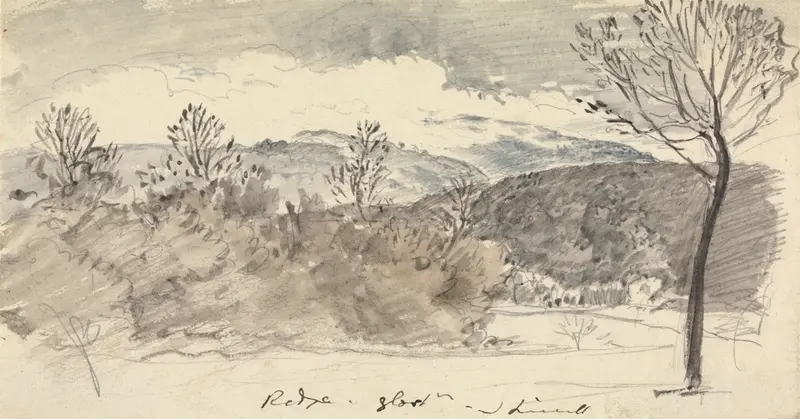
View at Mr. Sheppard’s, The Ridge, Gloucestershire
John Linnell
More Landscape Art

The Starry Night
Vincent van Gogh

View of Delft
Johannes Vermeer

Water Lilies
Claude Monet

The Grand Canal, Venice, looking north-west from the Ca' Corner to the Ca' Contarini degli Scrigni, with the campanile of Santa Maria della Carità
Canaletto

Windsor Castle
Canaletto

The Grand Canal looking North-East from the Palazzo Dolfin-Manin to the Rialto Bridge
Canaletto