
Pilatus wast zijn handen in onschuld — History & Facts
Could beauty survive in a century of chaos? In Pilatus wast zijn handen in onschuld, chaos and violence intertwine with an unsettling grace, inviting viewers to confront the moral complexities of humanity. Look to the center of the composition, where Pilate, caught in a moment of indecision, washes his hands—a gesture laden with both resignation and defiance. The stark contrast between light and shadow emphasizes the turmoil surrounding him, while the intricate details of the figures in the background reveal a chorus of anguish and discontent. Notice how the delicate strokes of the water echo the tears of those convulsed in despair, creating a chilling harmony that resonates throughout the painting. Delve deeper into the emotional tensions at play; the figure of Pilate embodies the struggle between authority and personal conscience, while the anguished faces surrounding him unveil the societal cost of his detachment.
The juxtaposition of his composed demeanor against the clamor of the crowd hints at the dissonance between power and responsibility. Each character, rendered with meticulous care, reveals a myriad of stories, collectively resonating with the viewer's own struggles between complicity and action. Created during a time of political unrest and social upheaval, the artist worked on this piece between 1619 and 1624 in France, reflecting the tensions of his own era. The Baroque movement was flourishing, serving as both a response to and an escape from the chaos of the Thirty Years' War.
In this context, the work interrogates the fragility of virtue amid the relentless tide of violence and moral ambiguity, inviting us to reflect on our own choices in the face of overwhelming complexity.
More Artworks by Jacques Callot
Browse all →
Titelprent voor de prentreeks 'De kleine apostelen' (Het martelaarschap van de apostelen)
Jacques Callot
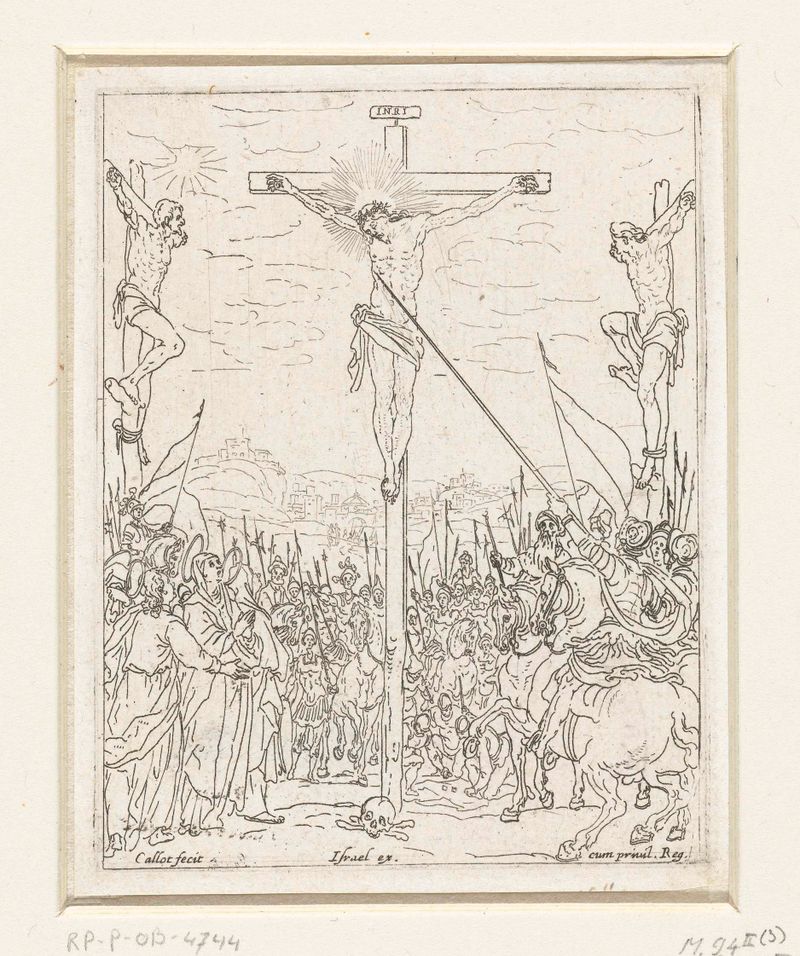
Kruisiging
Jacques Callot

De doortocht door de Rode Zee
Jacques Callot

De verloren zoon als zwijnenhoeder
Jacques Callot

Annunciatie
Jacques Callot
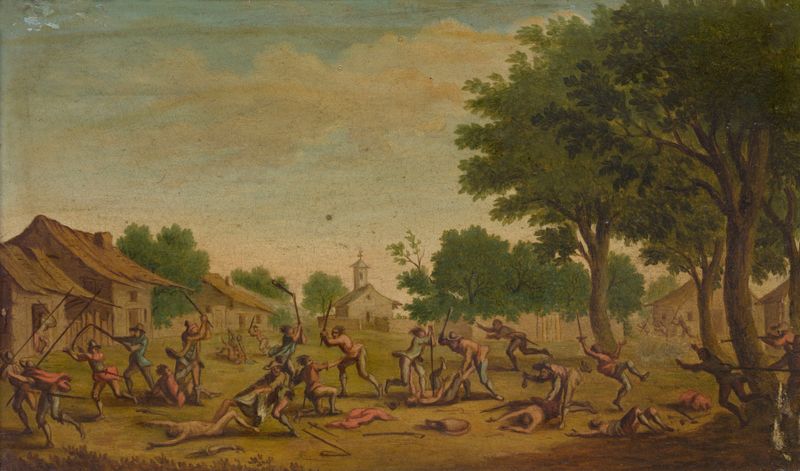
Village Fight
Jacques Callot

Titelprent voor prentreeks 'Het leven van Maria'
Jacques Callot
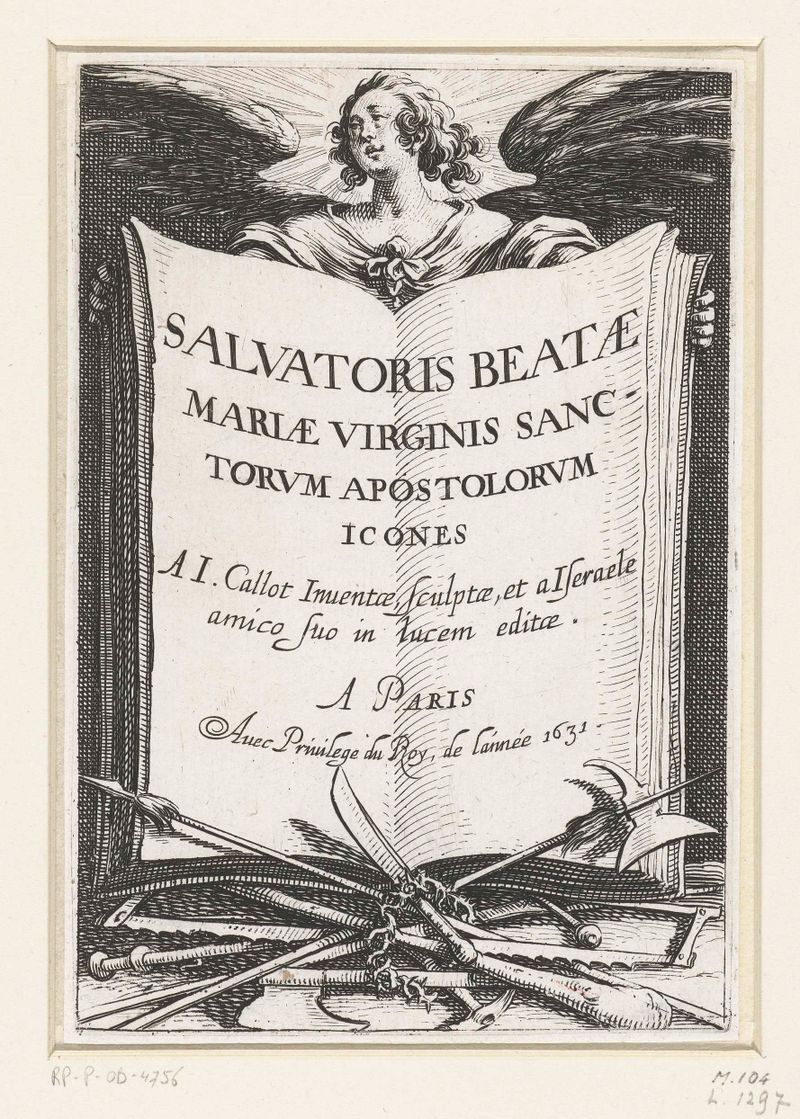
Titelprent voor de prentreeks 'De grote apostelen' (Christus, Maria en de apostelen)
Jacques Callot

Christus aan het volk getoond (Ecce homo)
Jacques Callot
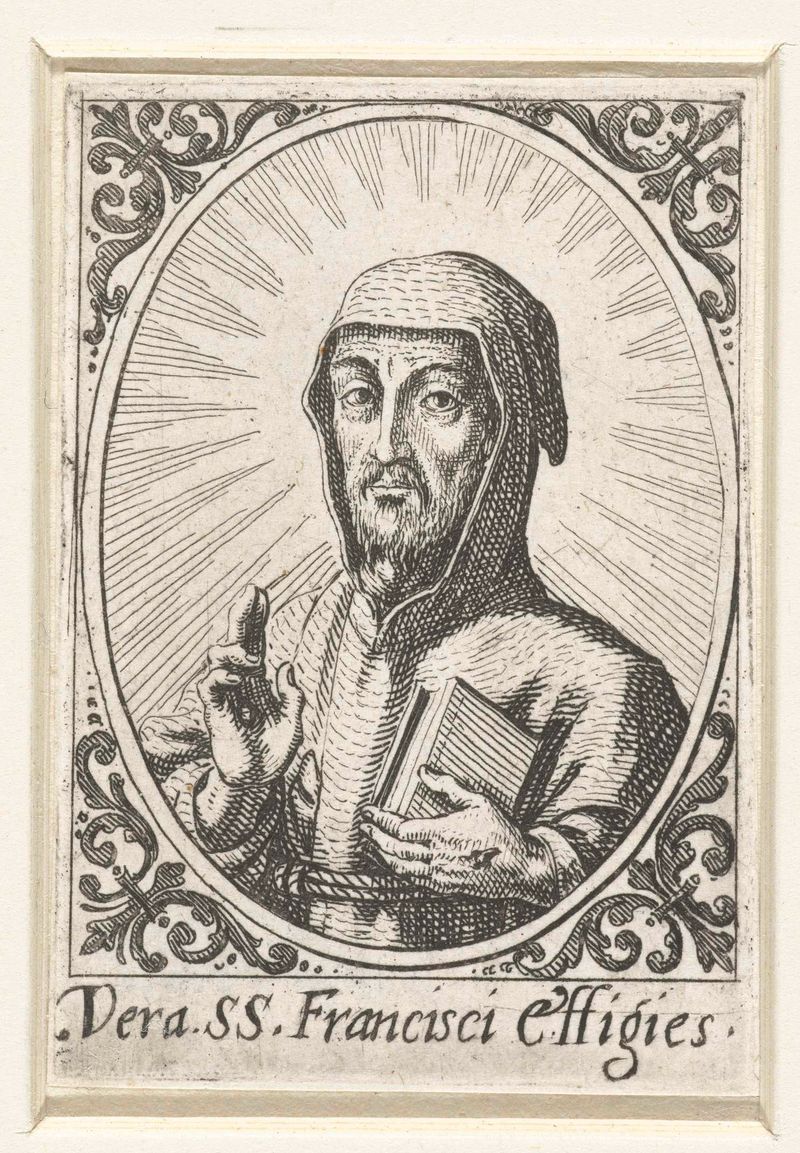
Portret van de Heilige Franciscus
Jacques Callot
More Religious Art
Browse all →
The Return of the Prodigal Son
Rembrandt van Rijn

The Garden of Earthly Delights
El Bosco

Count Orgaz’ funeral
El Greco

The Hundred Guilder Print: the central piece with Christ preaching, the plate arched
Rembrandt van Rijn

The Descent from the Cross
Rogier van der Weyden

The return of the prodigal son
Rembrandt van Rijn