
Pilatus wast zijn handen in onschuld — History & Facts
In the intricate world of art, the line between elegance and chaos often blurs, revealing the madness that lurks beneath the surface. Focus on the central figure, the hand-washing of Pilate, as it commands attention with its starkness against a backdrop of turmoil. Notice the contrast between the delicate strokes that shape his fingers and the chaotic expressions of the onlookers. The palette of muted earth tones envelops the scene, yet hints of vibrant reds and golds shimmer, suggesting a deeper conflict simmering just below the polished exterior. The gestures of the surrounding crowd convey a cacophony of emotions—fear, anger, and desperation intertwine in their faces.
Look closely at the figures in the foreground; their despair reflects the moral quandary of innocence and guilt, encapsulated in Pilate’s futile attempt to wash his hands clean. This tension between the act of absolution and the reality of consequence resonates, challenging the viewer to contemplate the complexities of virtue and vice. Jacques Callot painted this piece between 1619 and 1624 in a period marked by social and political upheaval in Europe. The Counter-Reformation deeply influenced the art world, emphasizing moral narrative and emotional depth.
Callot, renowned for his etchings and his unique ability to capture the human condition, sought to address the turmoil of his time, blending beauty with poignant commentary, all while navigating the fine line between sanity and madness in a world fraught with conflict.
More Artworks by Jacques Callot
Browse all →
Titelprent voor de prentreeks 'De kleine apostelen' (Het martelaarschap van de apostelen)
Jacques Callot
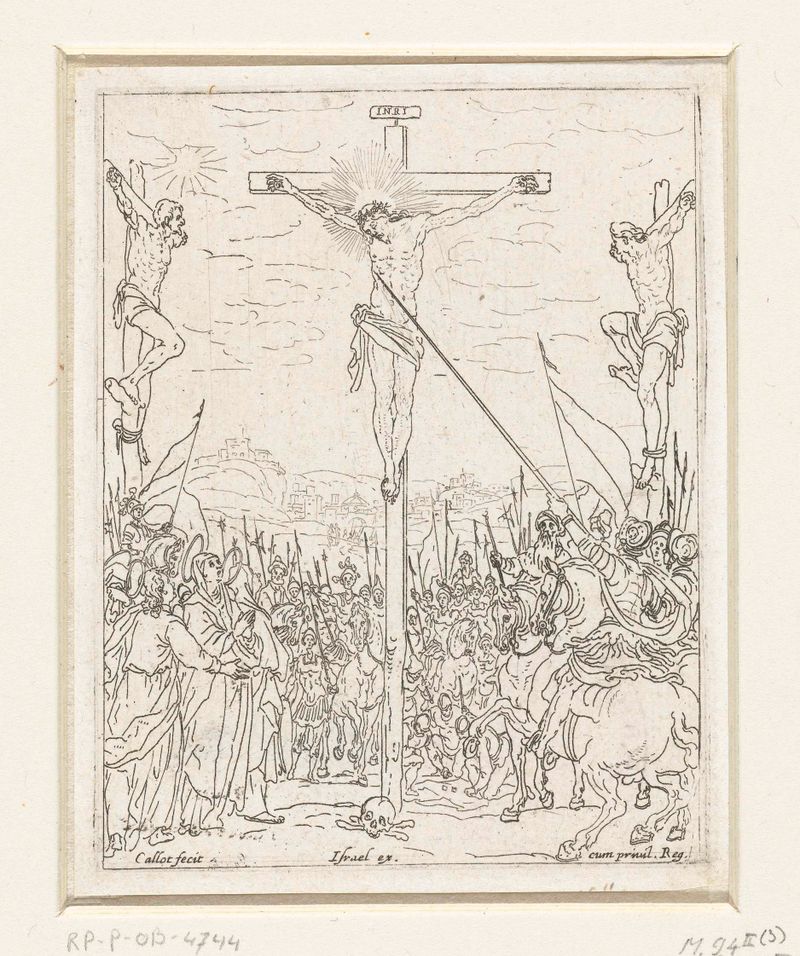
Kruisiging
Jacques Callot

De doortocht door de Rode Zee
Jacques Callot

De verloren zoon als zwijnenhoeder
Jacques Callot

Annunciatie
Jacques Callot
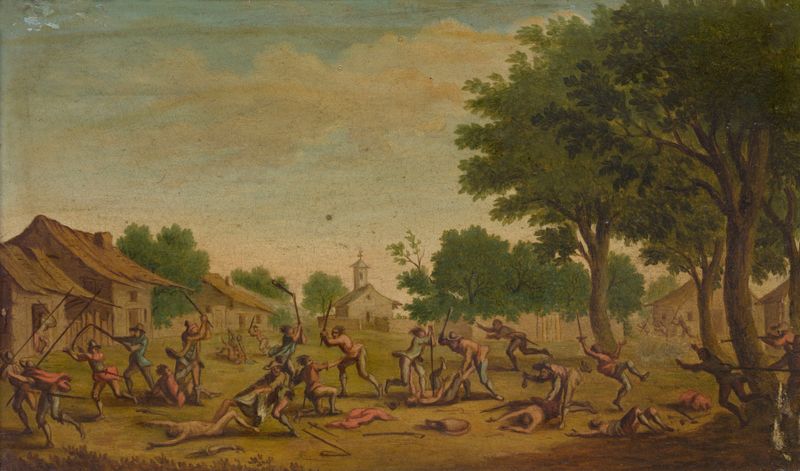
Village Fight
Jacques Callot

Titelprent voor prentreeks 'Het leven van Maria'
Jacques Callot
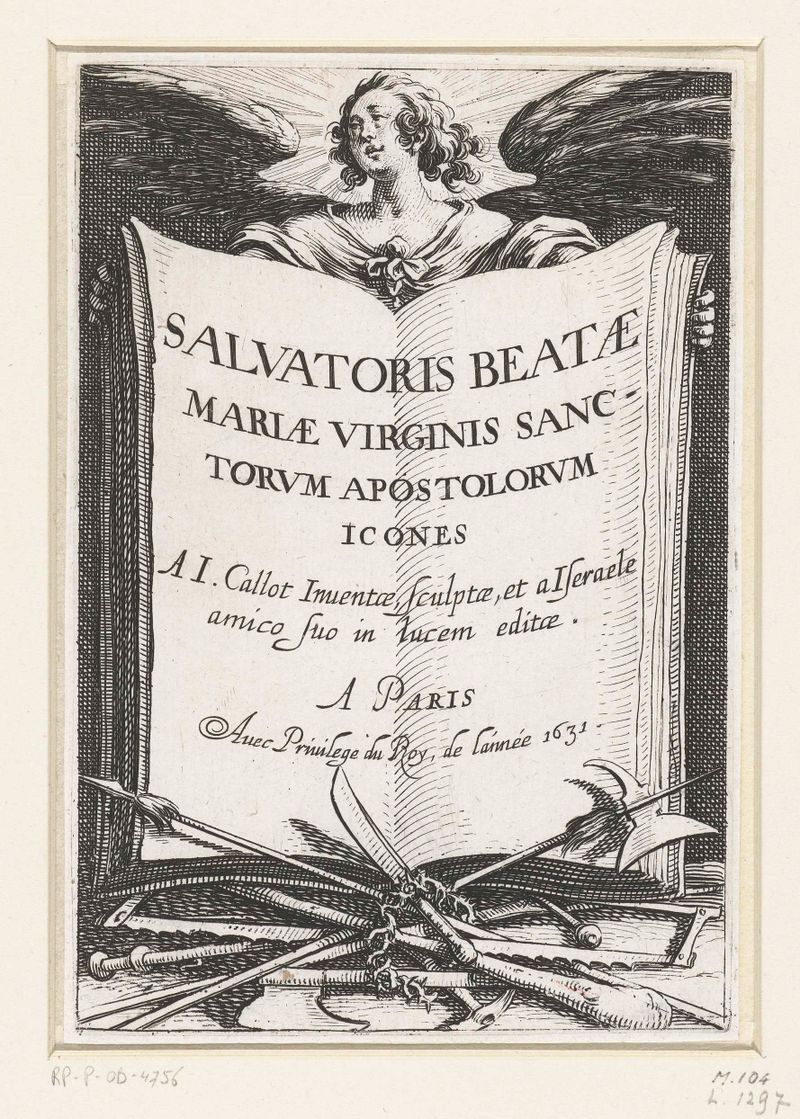
Titelprent voor de prentreeks 'De grote apostelen' (Christus, Maria en de apostelen)
Jacques Callot

Christus aan het volk getoond (Ecce homo)
Jacques Callot
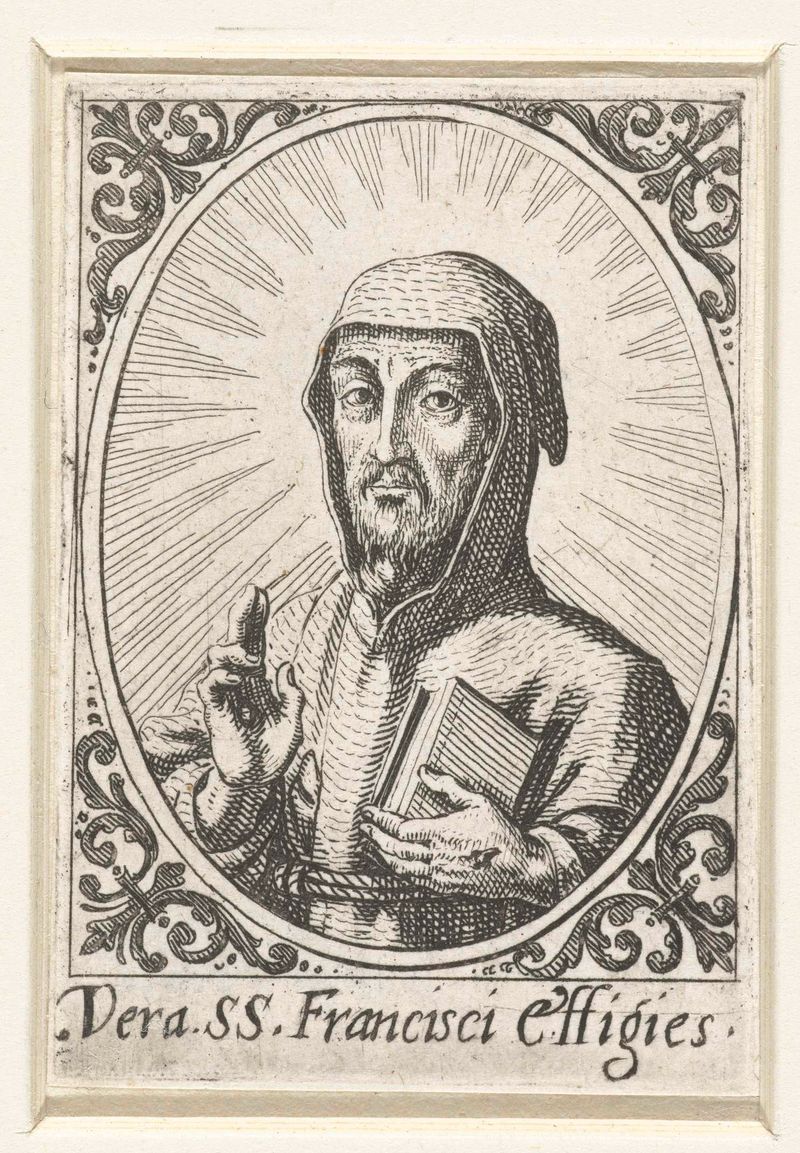
Portret van de Heilige Franciscus
Jacques Callot
More Religious Art
Browse all →
The Return of the Prodigal Son
Rembrandt van Rijn

The Garden of Earthly Delights
El Bosco

Count Orgaz’ funeral
El Greco

The Hundred Guilder Print: the central piece with Christ preaching, the plate arched
Rembrandt van Rijn

The Descent from the Cross
Rogier van der Weyden

The return of the prodigal son
Rembrandt van Rijn