
Pilatus wast zijn handen in onschuld — History & Facts
Where does light end, and longing begin? In the delicate space between action and regret lies the essence of betrayal, a theme forever captured in the brushstrokes of history. Focus on the central figure, whose tense posture speaks volumes. The light cascades from above, illuminating Pilate's face, a mask of conflict etched with doubt. Notice how his hands are raised, palms outward, as if trying to shield himself from the tumult of those around him.
The surrounding figures, cloaked in shadow, add an air of menace; their expressions are rife with accusation and urgency, pulling the viewer into the palpable tension of the moment. As you delve deeper, observe the contrast between light and dark, a metaphor for innocence lost. The luminous hues surrounding Pilate starkly juxtapose the dimness engulfing the crowd, symbolizing the internal struggle within him. This visual discord not only highlights his moment of indecision but also reflects the moral quagmire of authority, where innocence and guilt intertwine.
Each figure, though small and secondary, contributes to the weight of betrayal that hangs heavy in the air. Created in France between 1624 and 1625, this piece emerged during a transformative period in Callot's life, where he was exploring the depths of human emotion within the context of religious and historical narratives. The artist was immersed in the Baroque movement, which emphasized drama and contrast, and Pilatus wast zijn handen in onschuld exemplifies this style. During this era, Europe was rife with political and religious strife, mirroring the tumultuous emotions captured in this poignant portrayal of a complex moment in biblical history.
More Artworks by Jacques Callot
Browse all →
Titelprent voor de prentreeks 'De kleine apostelen' (Het martelaarschap van de apostelen)
Jacques Callot
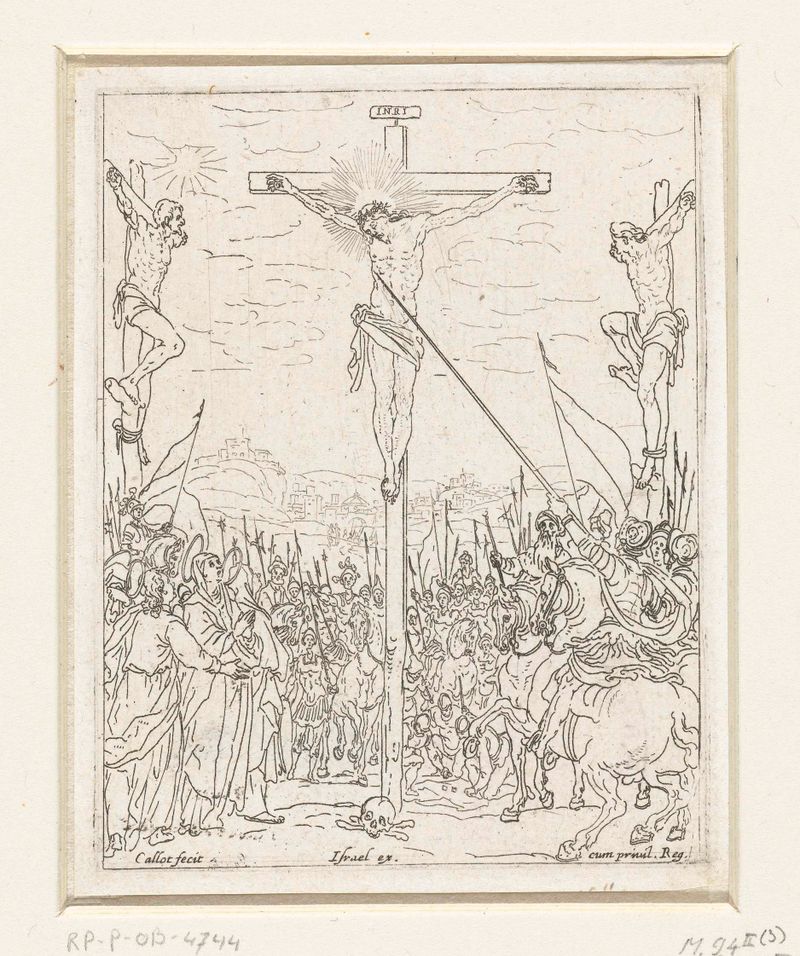
Kruisiging
Jacques Callot

De doortocht door de Rode Zee
Jacques Callot

De verloren zoon als zwijnenhoeder
Jacques Callot

Annunciatie
Jacques Callot
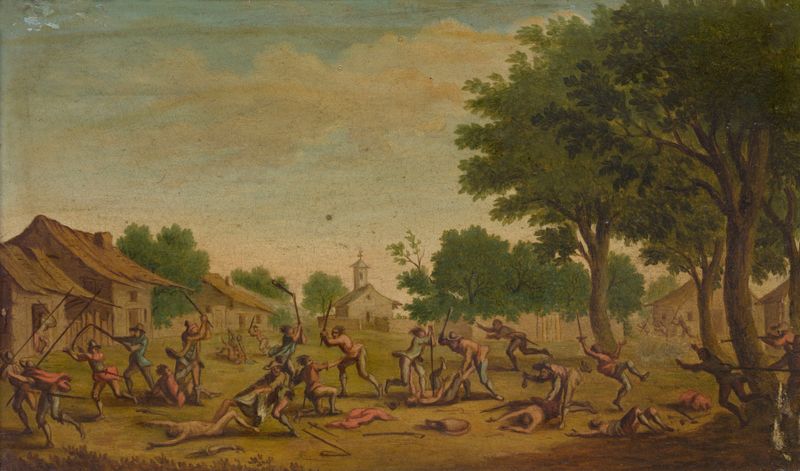
Village Fight
Jacques Callot

Titelprent voor prentreeks 'Het leven van Maria'
Jacques Callot
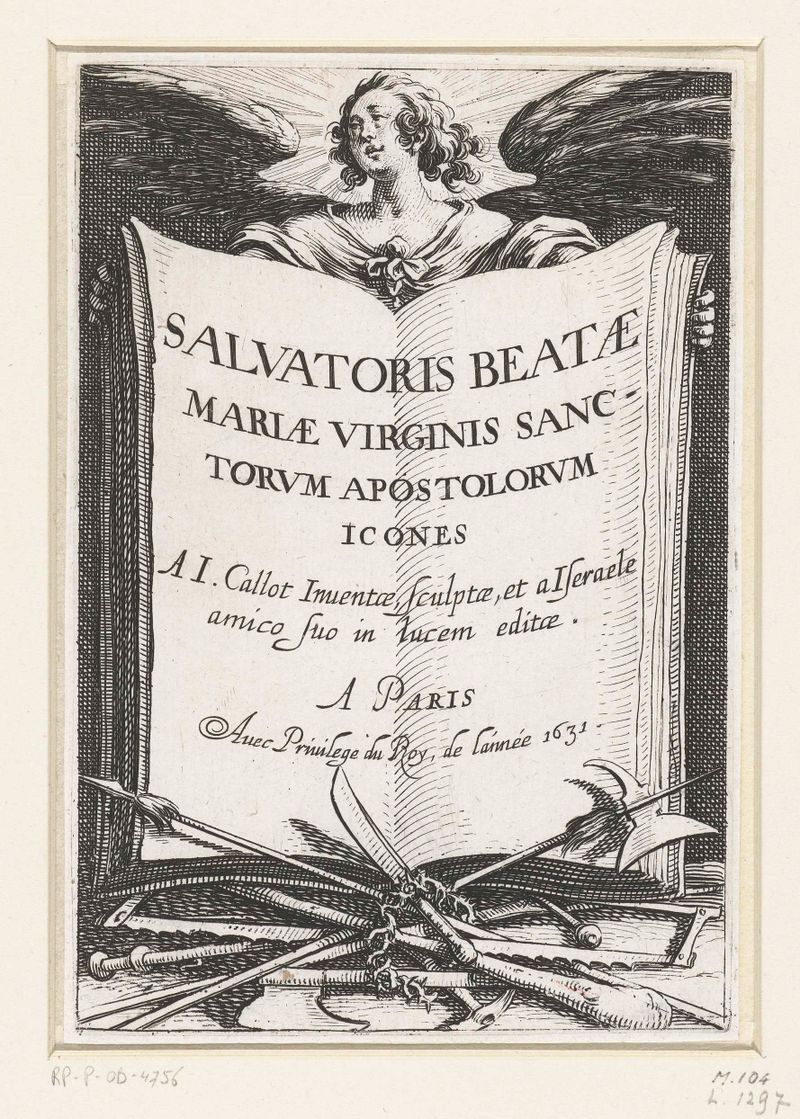
Titelprent voor de prentreeks 'De grote apostelen' (Christus, Maria en de apostelen)
Jacques Callot

Christus aan het volk getoond (Ecce homo)
Jacques Callot
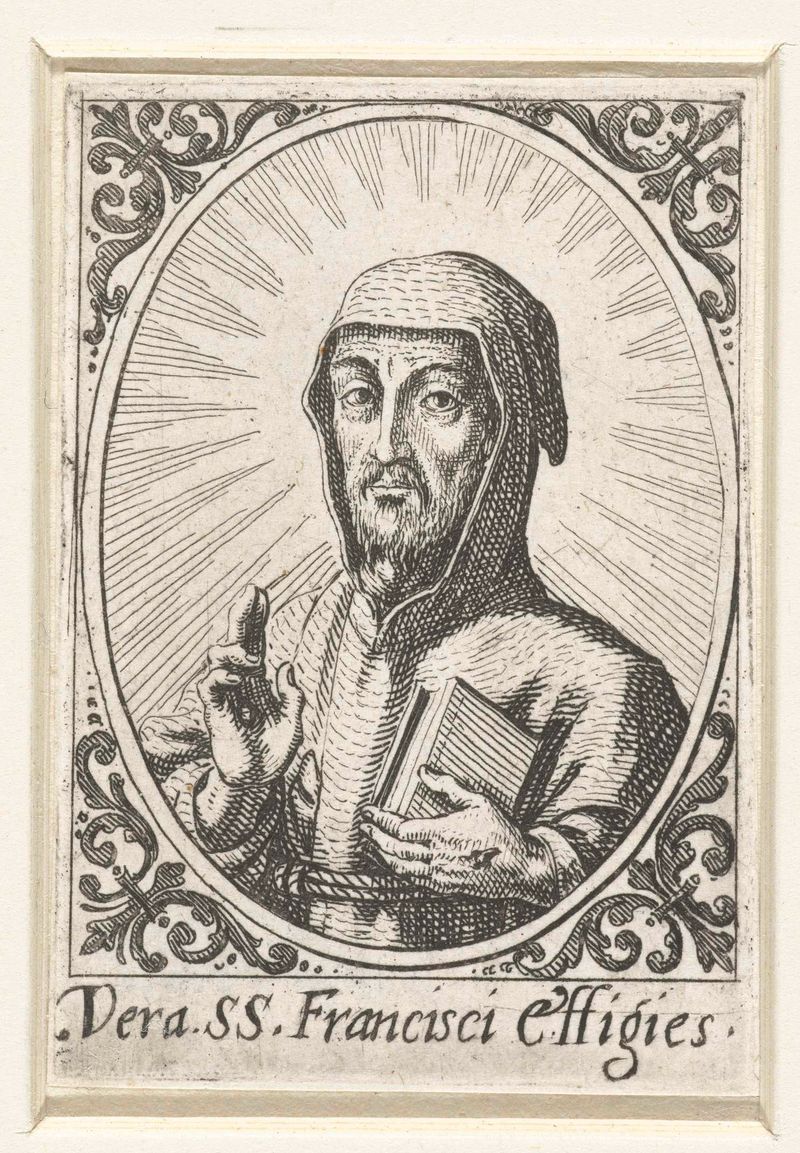
Portret van de Heilige Franciscus
Jacques Callot
More Religious Art
Browse all →
The Return of the Prodigal Son
Rembrandt van Rijn

The Garden of Earthly Delights
El Bosco

Count Orgaz’ funeral
El Greco

The Hundred Guilder Print: the central piece with Christ preaching, the plate arched
Rembrandt van Rijn

The Descent from the Cross
Rogier van der Weyden

The return of the prodigal son
Rembrandt van Rijn