
Pine-Trees — History & Facts
What secret hides in the quiet of the canvas? In Pine-Trees, nature becomes a vessel for divinity, inviting the viewer to contemplate existence and serenity. Look to the center of the piece where the towering pine trees stretch towards the sky, their verdant needles painted with delicate brushstrokes that breathe life into the scene. Notice how the light dances through the branches, casting dappled patterns on the forest floor below. The color palette, a harmonious blend of deep greens and earthy browns, evokes a sense of tranquility while hinting at the underlying vitality of the trees, standing as silent guardians of the woodland. There is a profound contrast between the towering, unyielding trunks and the gentle, almost ephemeral quality of the surrounding foliage.
This duality suggests a reverence for nature, as if the pines are both earthly and celestial, embodying the divine spirit. The soft play of light and shadow enhances the sense of mystery, inviting contemplation of the spiritual connections we find in natural beauty. In 1905, Jan Stanisławski painted Pine-Trees during a time when Poland was navigating political upheaval and seeking national identity. Living in Warsaw, he was influenced by the growing interest in Impressionism, focusing on capturing the essence of nature in a way that conveyed emotional depth.
This work reflects his commitment to portraying the sublime aspects of the natural world, revealing layers of meaning that resonate with the viewer long after they leave the canvas behind.
More Artworks by Jan Stanisławski
Browse all →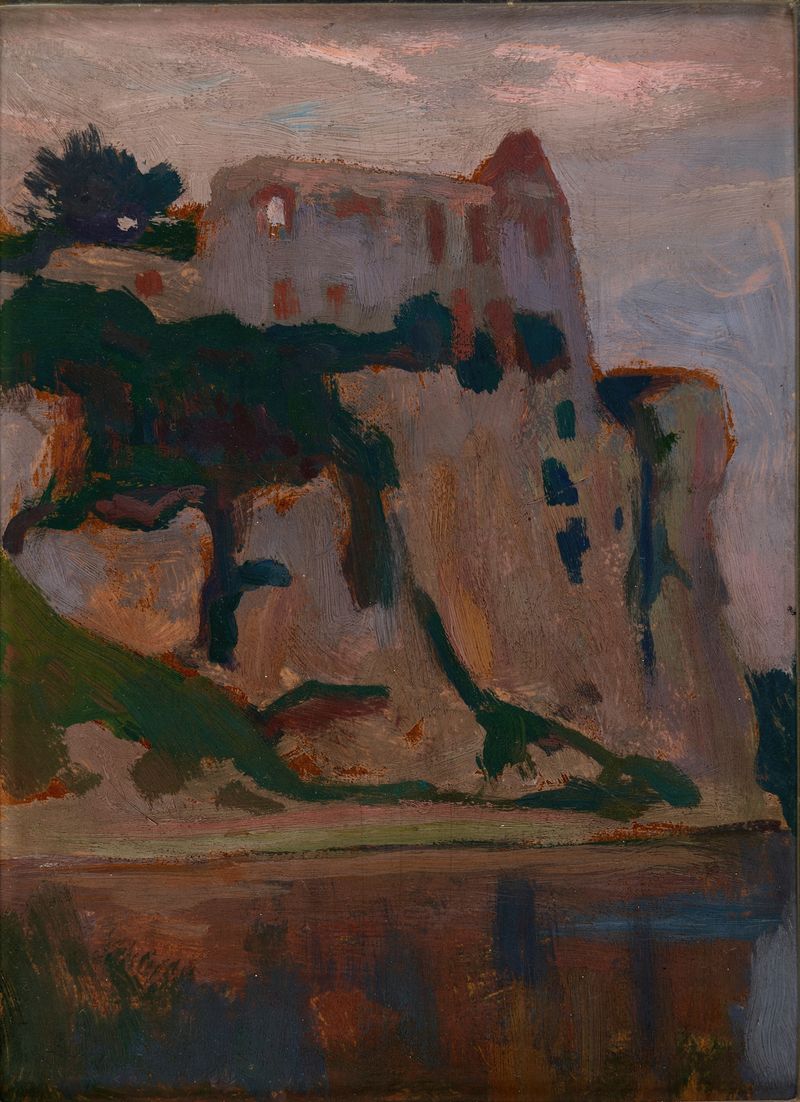
Tyniec at Dawn
Jan Stanisławski
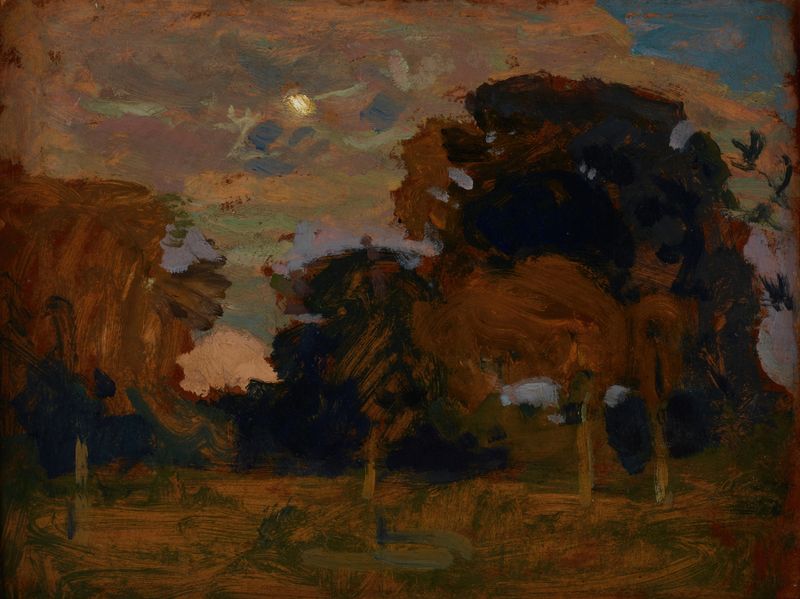
Moon in the Clouds
Jan Stanisławski
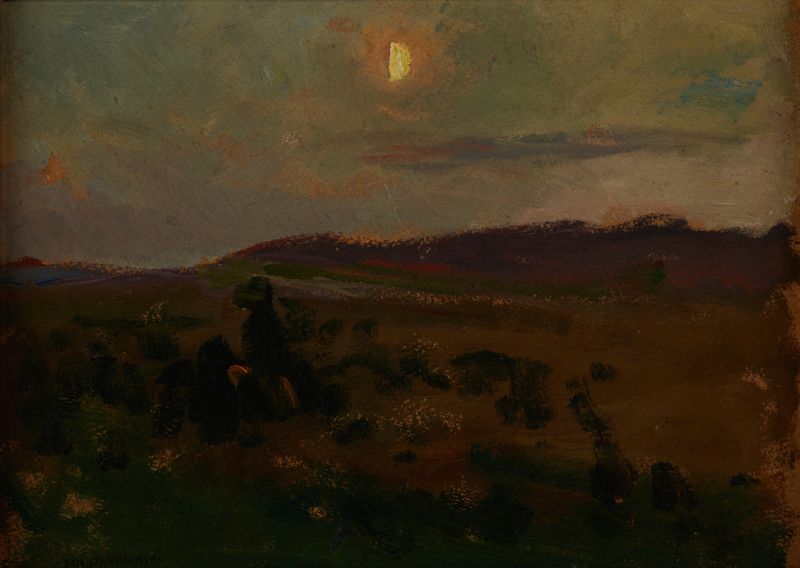
Moonrise
Jan Stanisławski
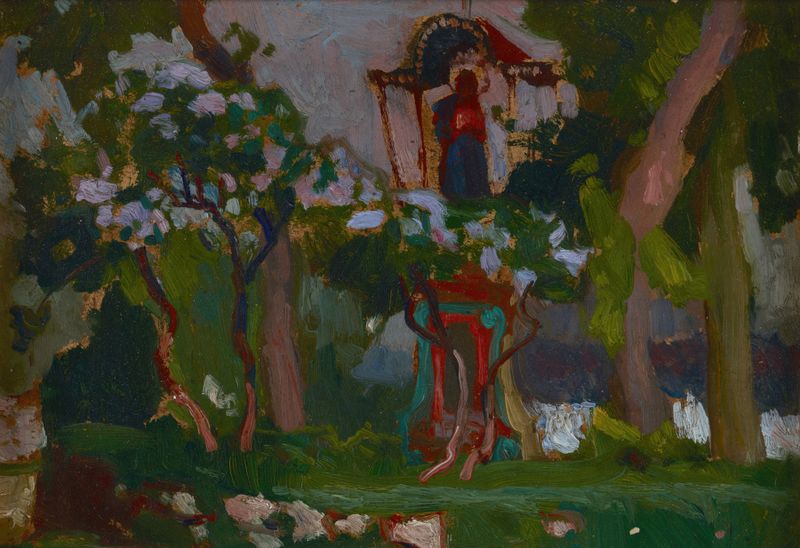
May
Jan Stanisławski
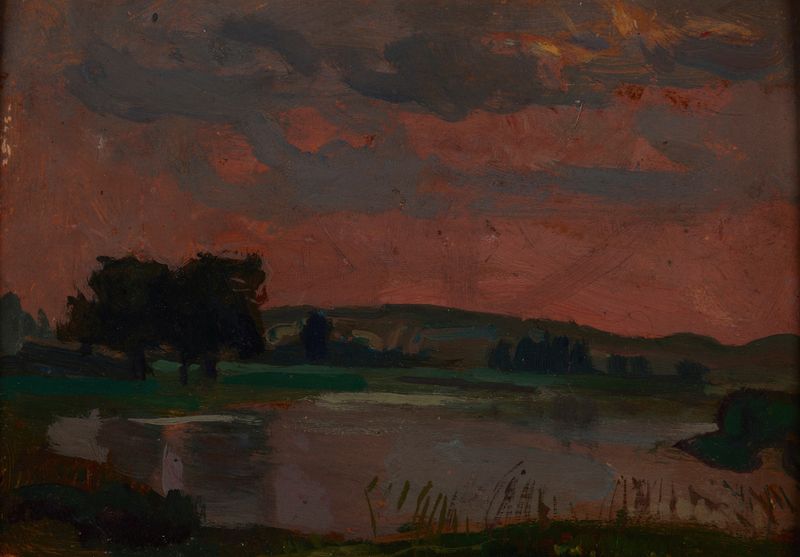
The Vistula in the Twilight
Jan Stanisławski
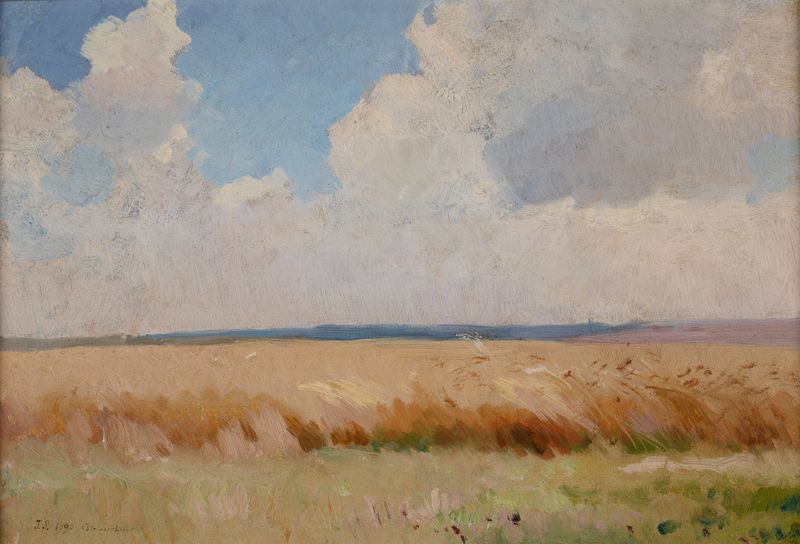
Field at Białocerkiew (Bila Tserkva)
Jan Stanisławski
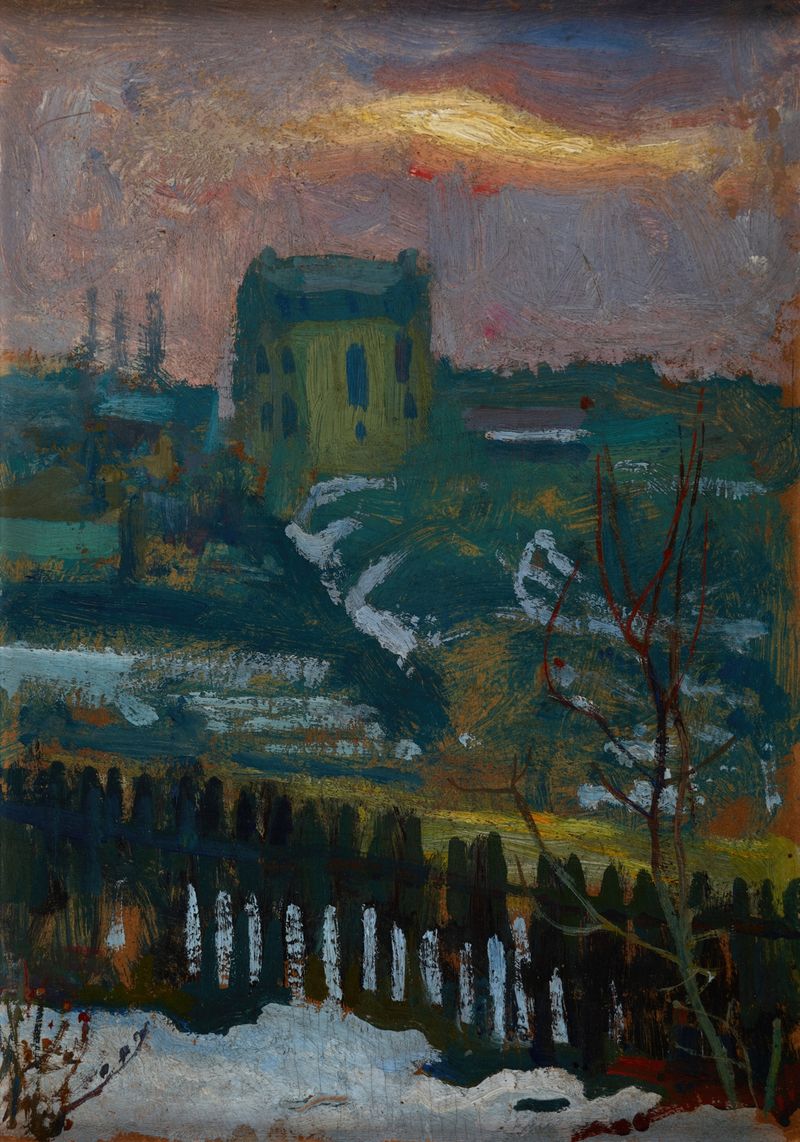
House in Winter
Jan Stanisławski
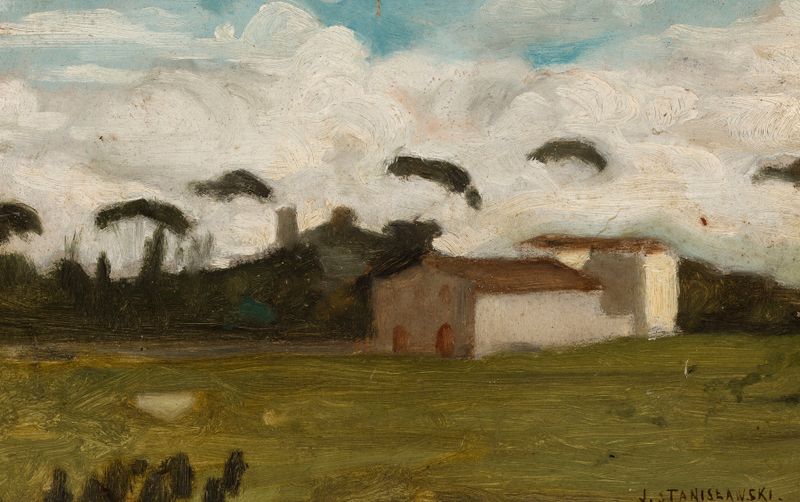
Landscape
Jan Stanisławski
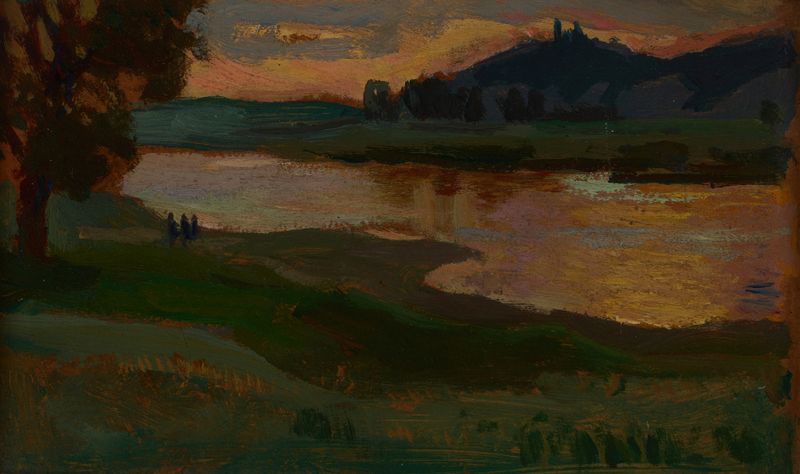
Bielany at Dusk
Jan Stanisławski
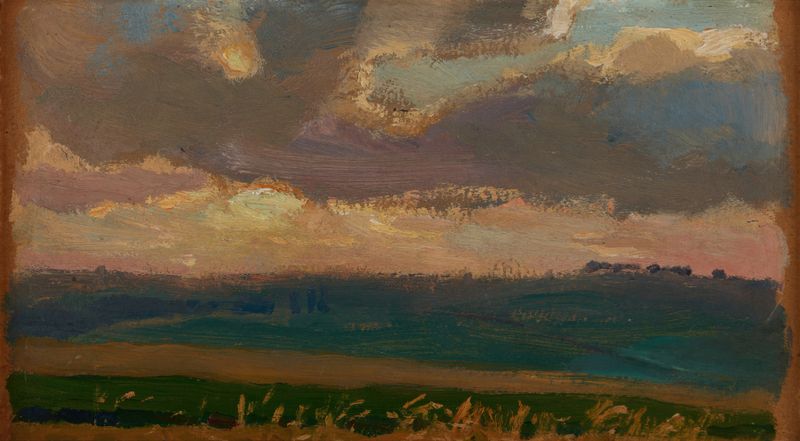
Fields at Proszowice
Jan Stanisławski





