
Pink River — History & Facts
Can beauty exist without sorrow? In Pink River, Jan Stanisławski challenges the viewer to contemplate the delicate balance between joy and emptiness that can permeate nature’s splendor. Look to the center of the canvas where a meandering river gracefully winds through a muted landscape, its vibrant pink hue contrasting against the soft greens and browns surrounding it. The artist’s brushstrokes create a dreamlike quality, where color pools and swirls, drawing the eye into the gentle current. Notice how the light plays across the surface of the water, infusing it with a luminescent glow that seems to whisper secrets of the unseen depths below. Yet, beneath this serene beauty lies a profound tension.
The river, while radiant, flows through an expanse that feels desolate and forsaken. The trees, skeletal and stripped of their leaves, evoke a sense of longing and solitude, as if they stand as silent witnesses to the passage of time. The juxtaposition of the river's vibrancy against the stark landscape invites contemplation on the dichotomy of emotions—how moments of beauty can often be tinged with an underlying sense of loss. Created between 1900 and 1904, Pink River reflects Stanisławski’s exploration of color and emotion during a period when he was deeply influenced by the Symbolist movement in art.
Living in Poland, he sought to transcend mere representation, allowing the colors and forms to evoke feelings that resonate with the viewer's own experiences. This work captures not just a scene, but an essence—an exploration of beauty intertwined with the existential ache of emptiness.
More Artworks by Jan Stanisławski
Browse all →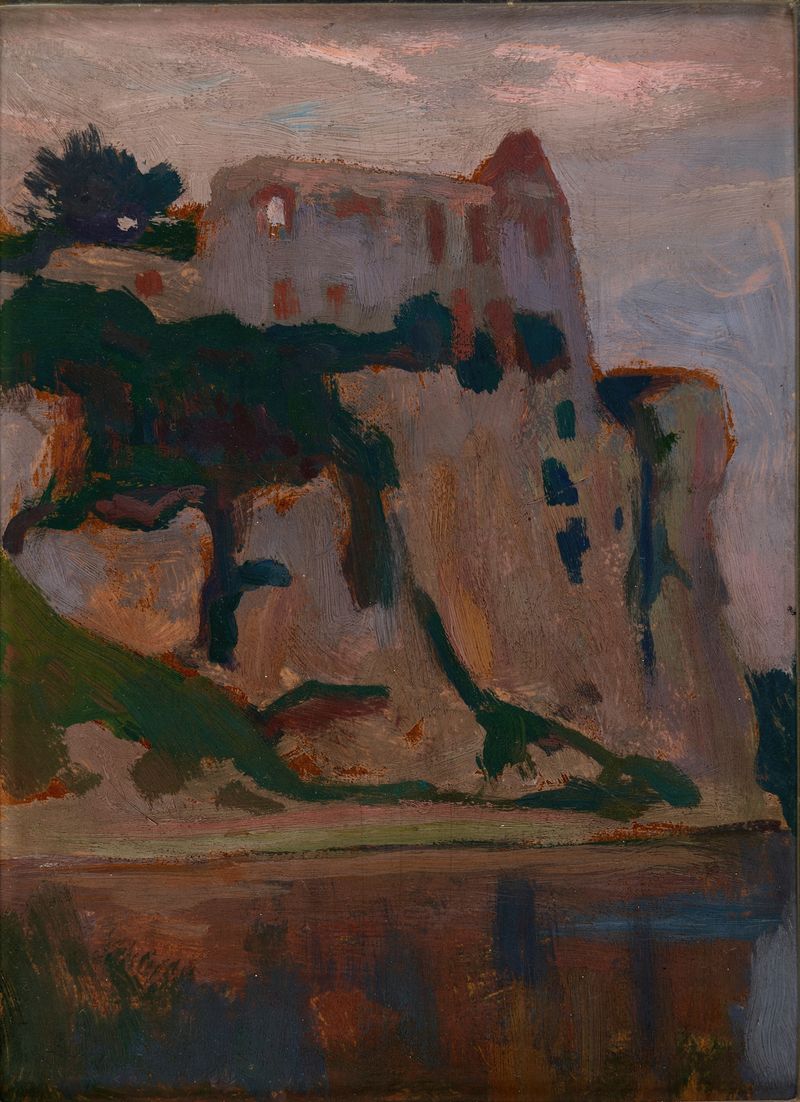
Tyniec at Dawn
Jan Stanisławski
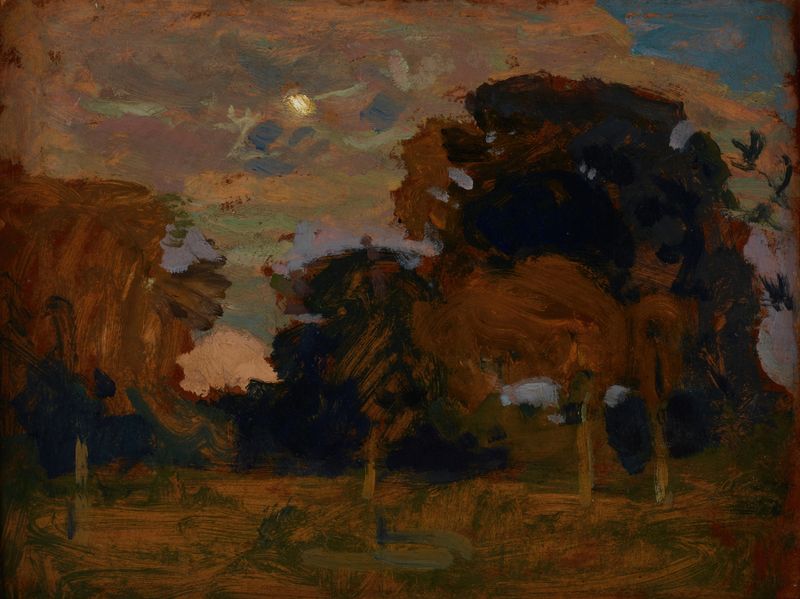
Moon in the Clouds
Jan Stanisławski
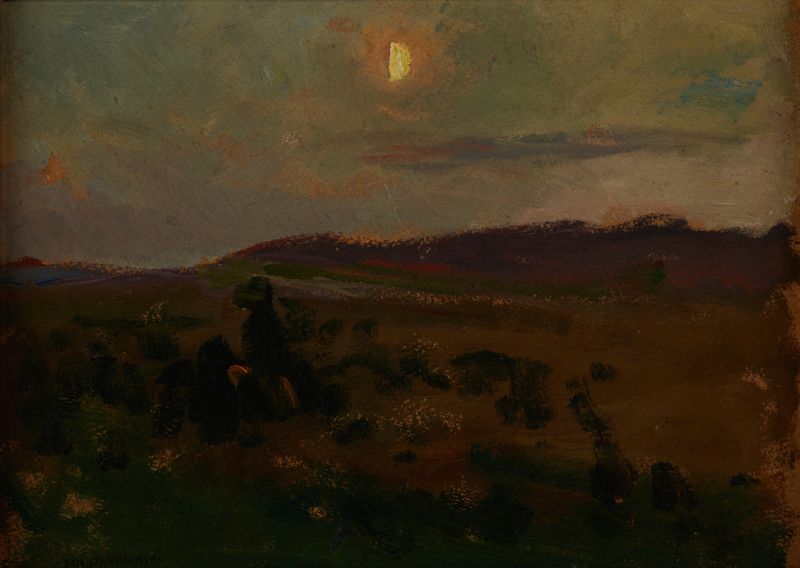
Moonrise
Jan Stanisławski
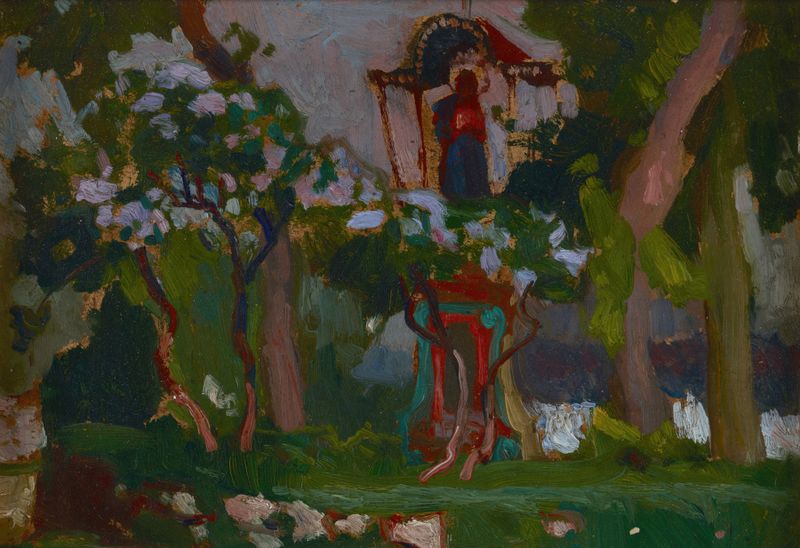
May
Jan Stanisławski
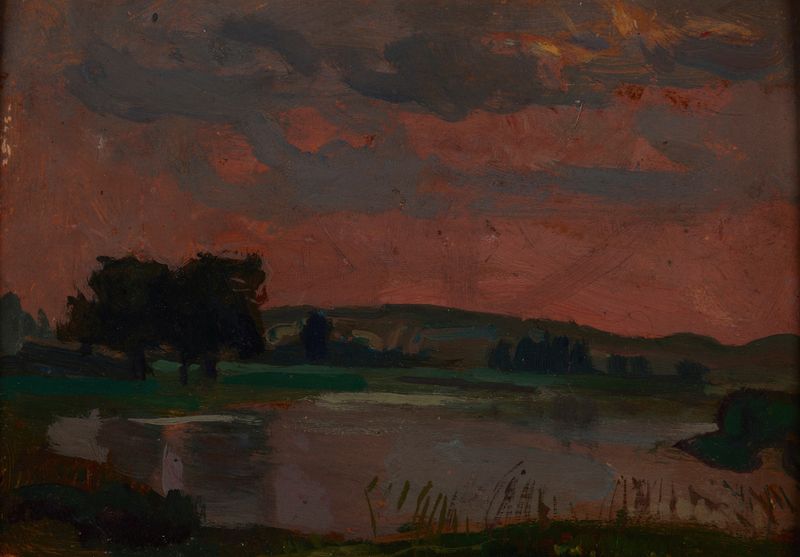
The Vistula in the Twilight
Jan Stanisławski
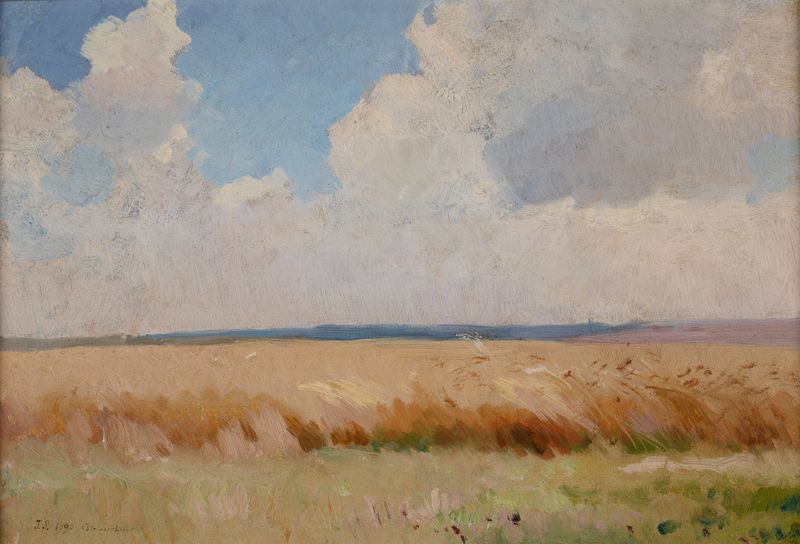
Field at Białocerkiew (Bila Tserkva)
Jan Stanisławski
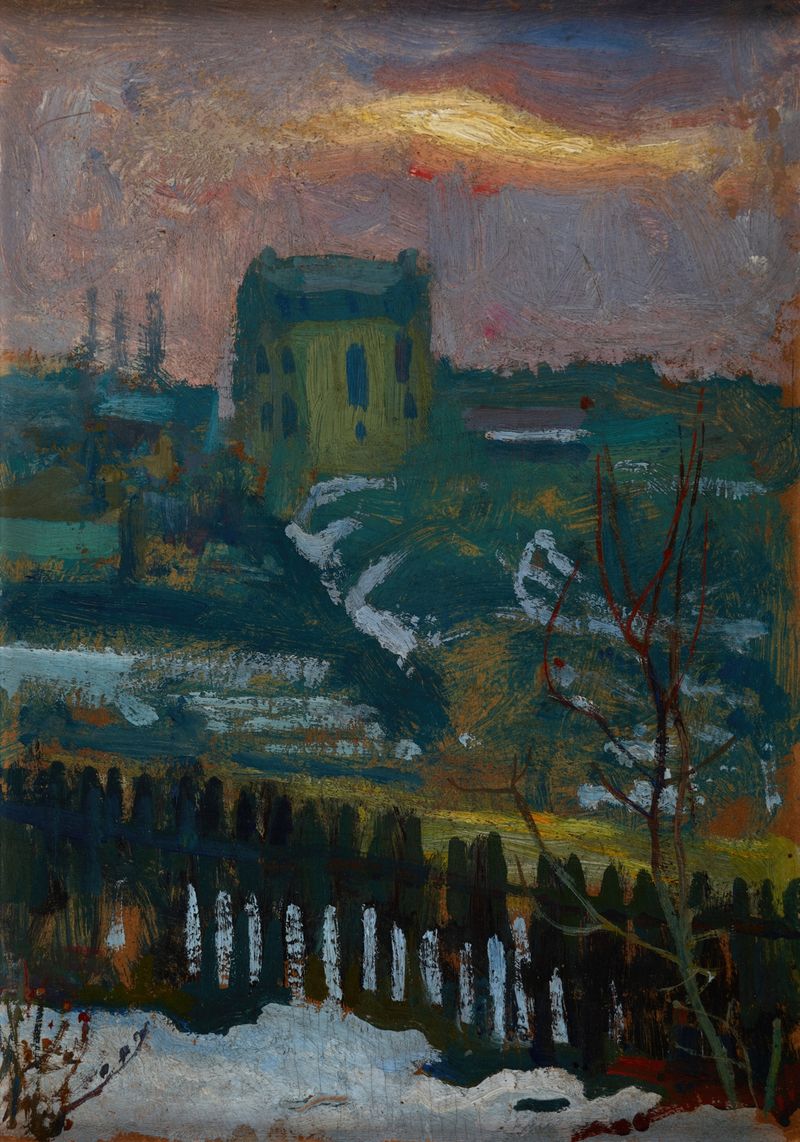
House in Winter
Jan Stanisławski
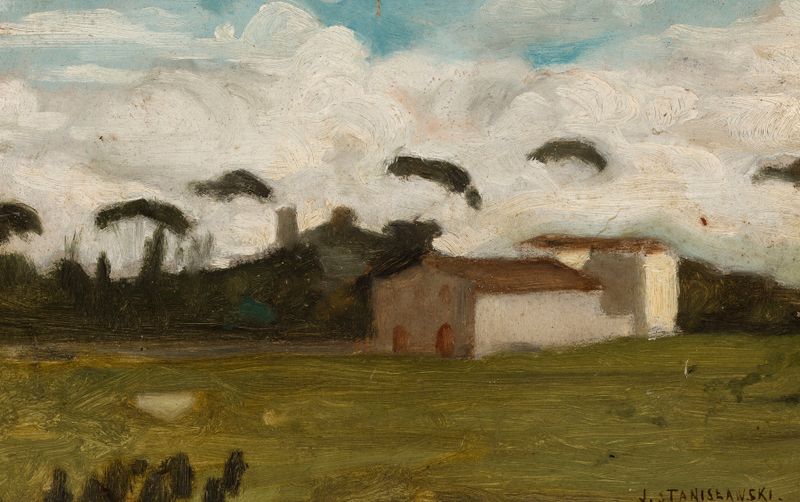
Landscape
Jan Stanisławski
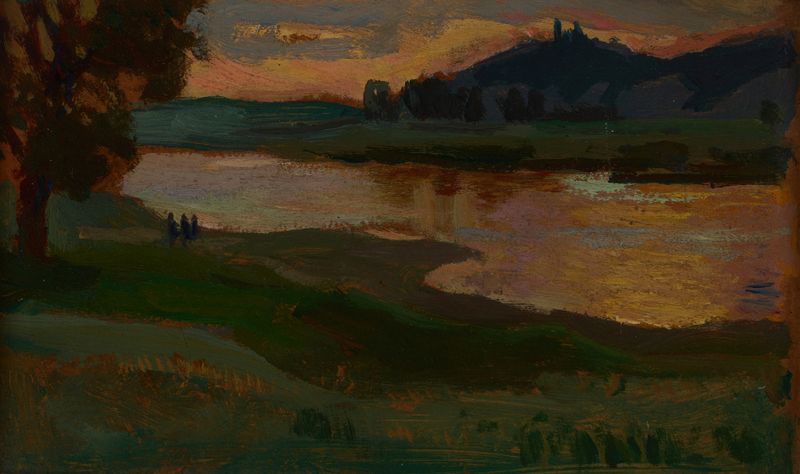
Bielany at Dusk
Jan Stanisławski
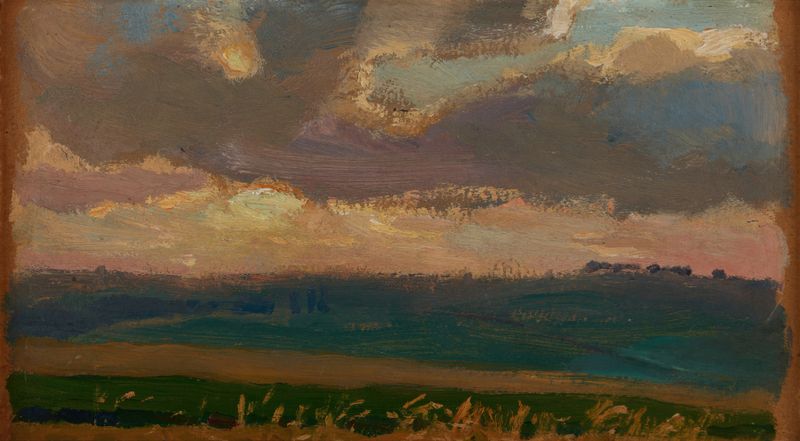
Fields at Proszowice
Jan Stanisławski





