
Pińsk Channel in Polesie II — History & Facts
In the delicate interplay of light and color, one can sense the quiet betrayal of nature’s tranquility, as if there are deeper truths lurking beneath the surface of this idyllic scene. Look to the far left, where soft hues of blue and green blend seamlessly, guiding the eye toward the tranquil waters of the Pińsk Channel. Notice how the brushwork varies — the gentle strokes capturing the delicate ripples of water contrast with the bolder, expressive swaths of foliage. Light dances upon the surface, reflecting the day's soft embrace, while the muted color palette evokes a sense of nostalgia, drawing viewers deeper into the serene yet complex narrative. The juxtaposition of stillness and potential movement resonates within the composition.
The trees, heavy with lush greens, stand sentinel above the water, yet their leaning forms suggest a hint of unease, a whisper of disquiet. This duality between beauty and latent tension mirrors life itself, inviting contemplation on the unspoken betrayals that often lie hidden beneath serene exteriors. In 1899, Pankiewicz painted this work while immersed in the vibrant artistic community of Paris, a place buzzing with innovation and change. The artist was exploring Impressionism, moving away from traditional confines, much like the shifting landscapes he depicted.
During this period, the world around him was grappling with modernity and the remnants of the past, and his brush captured the essence of that transition, both personal and societal.
More Artworks by Józef Pankiewicz
Browse all →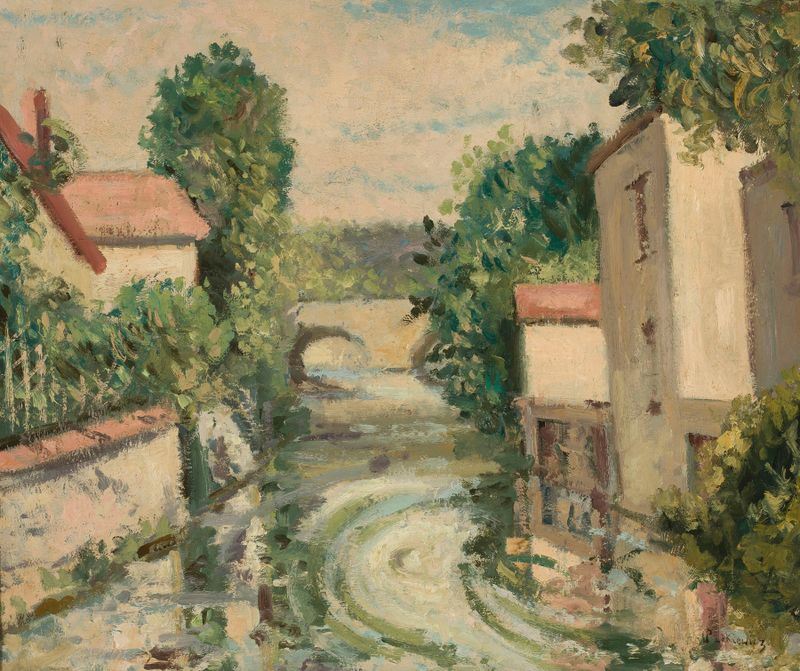
Landscape
Józef Pankiewicz

Cab in the Rain
Józef Pankiewicz
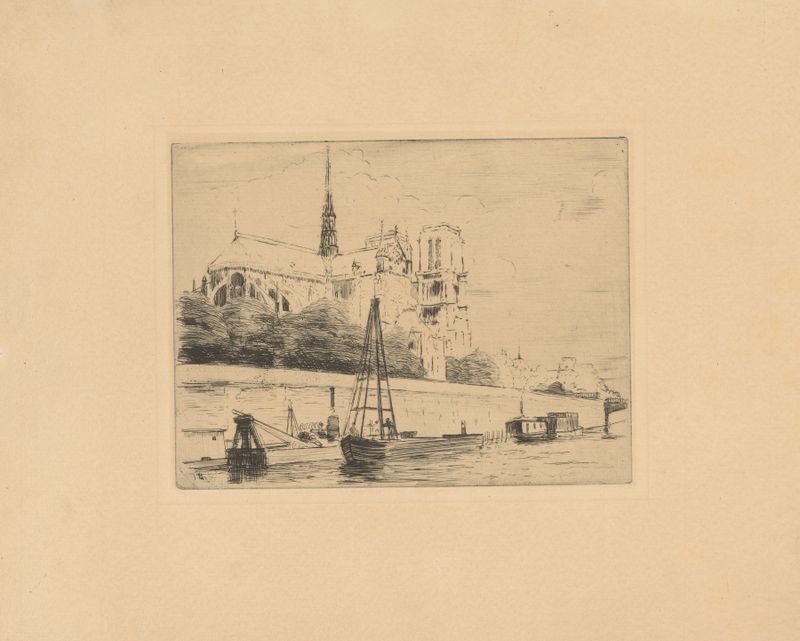
Notre Dame Cathedral in Paris
Józef Pankiewicz
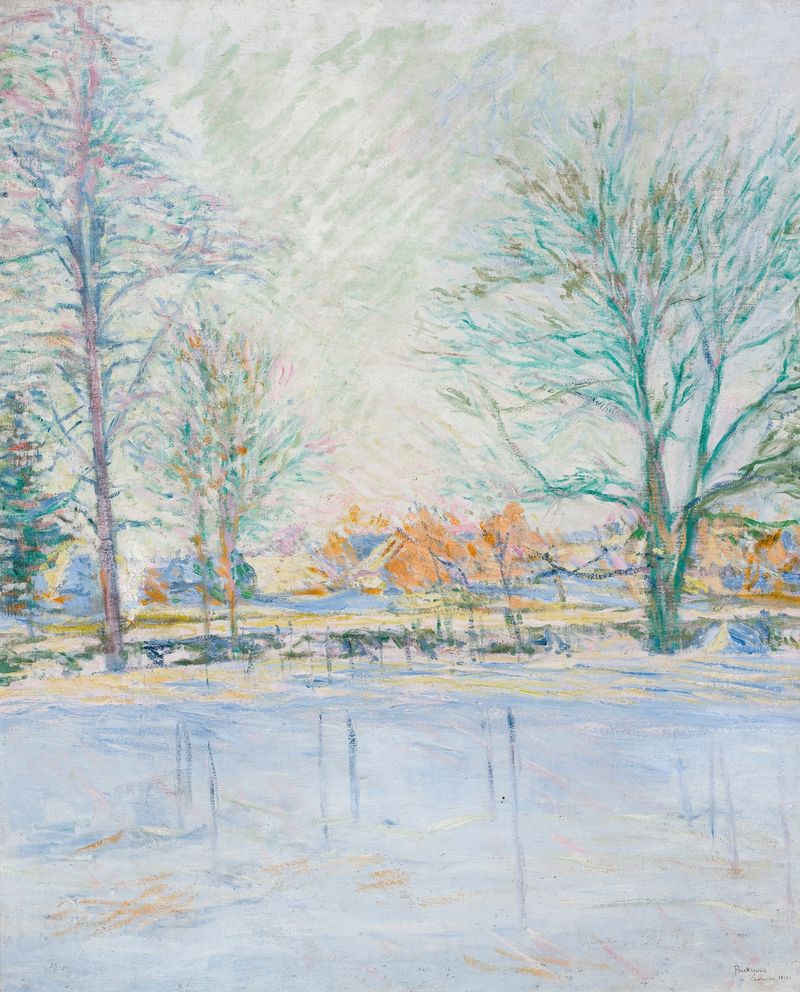
Landscape from Czarnolas
Józef Pankiewicz
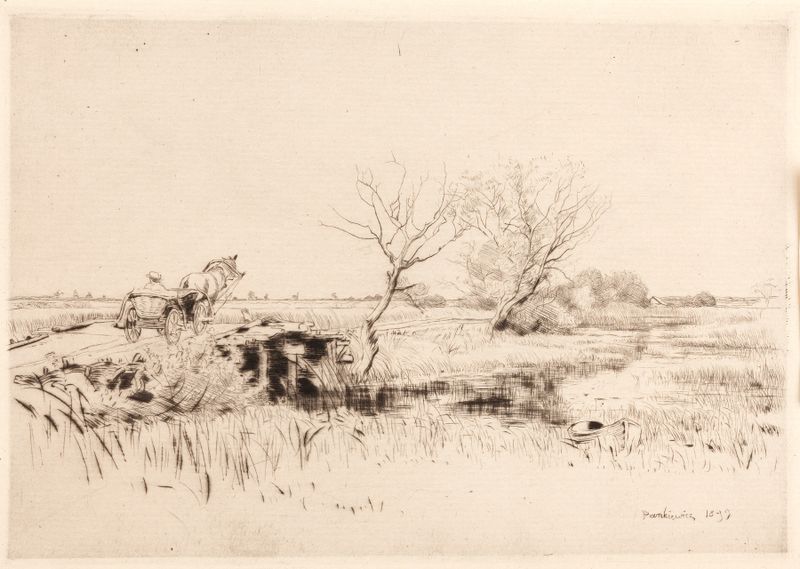
Pińsk Channel in Polesie I
Józef Pankiewicz
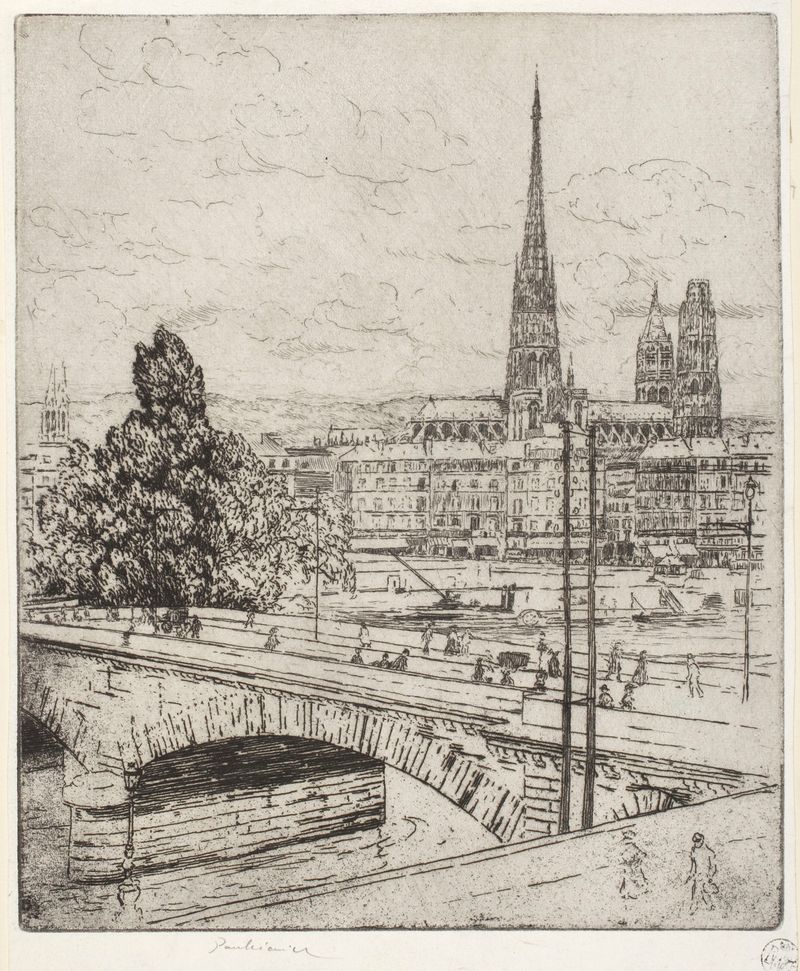
Pont Corneille in Rouen
Józef Pankiewicz
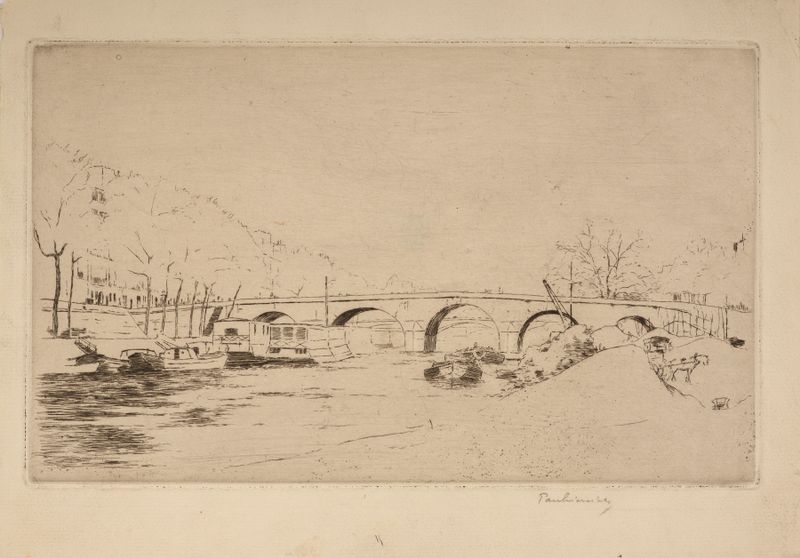
Pont Marie in Paris
Józef Pankiewicz

Rouen – portal from the Church of St Maclou
Józef Pankiewicz
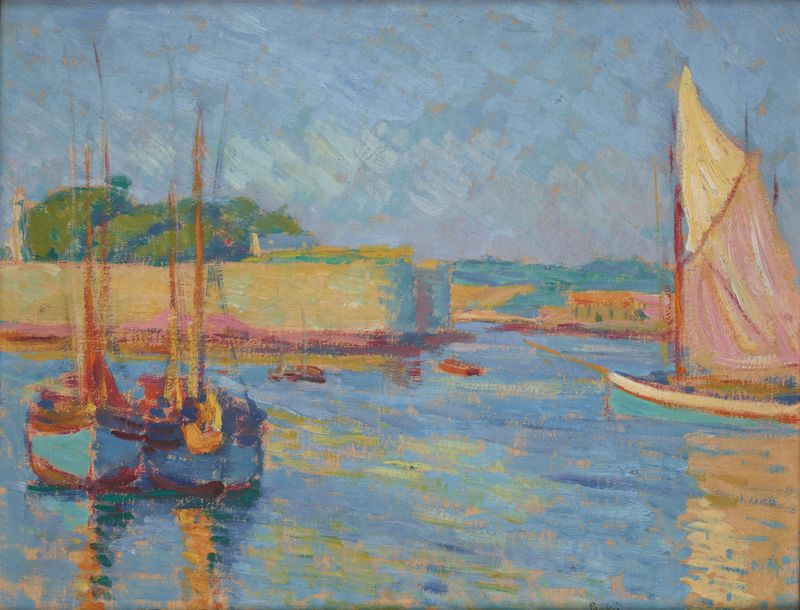
Harbour at Concarneau
Józef Pankiewicz
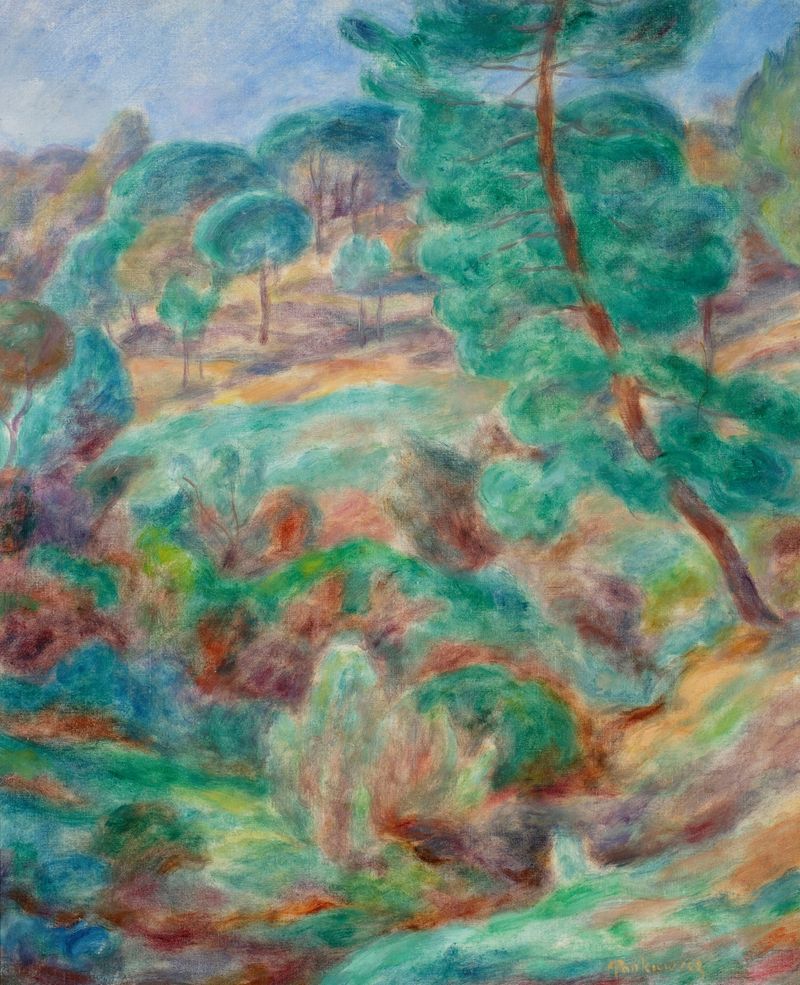
Landscape from Saint-Tropez – Stone pines
Józef Pankiewicz





