
Piëta — History & Facts
What if silence could speak through light? In the delicate interplay between shadow and illumination, emotions unfurl, whispering stories of loss, love, and reverence. Look to the center of the canvas, where the lifeless body of Christ rests upon his mother’s lap. The soft folds of Mary’s robes, rendered in muted blues and grays, contrast starkly with the vivid reds of Christ’s flesh. Notice how the light falls upon his serene countenance, imbuing the scene with a spectral glow that brings forth both grief and sanctity.
The composition’s verticality draws the eye upward, evoking a sense of aspiration even amidst sorrow. Beyond the tangible figures lies a deeper tension—one of maternal suffering intertwined with divine sacrifice. The angularity of Mary’s posture suggests physical strain, yet her expression exudes a profound stillness, as if she carries the weight of the world with grace. The subtle highlights on her tears contrast the darker shadows of the background, symbolizing the enduring struggle of faith amidst turmoil.
This emotional dichotomy hints at the revolutionary changes in society and spirituality during that time, echoing the cries of a world yearning for transcendence. Jacques Callot painted this poignant work between 1608 and 1611, during a time of shifting artistic paradigms and burgeoning Baroque influences. Living in France, he was influenced by the Counter-Reformation, which sought to convey profound spiritual narratives through art. This piece reflects his engagement with themes of human experience, marking a pivotal moment where personal tragedy intersects with collective hope.
More Artworks by Jacques Callot
Browse all →
Titelprent voor de prentreeks 'De kleine apostelen' (Het martelaarschap van de apostelen)
Jacques Callot
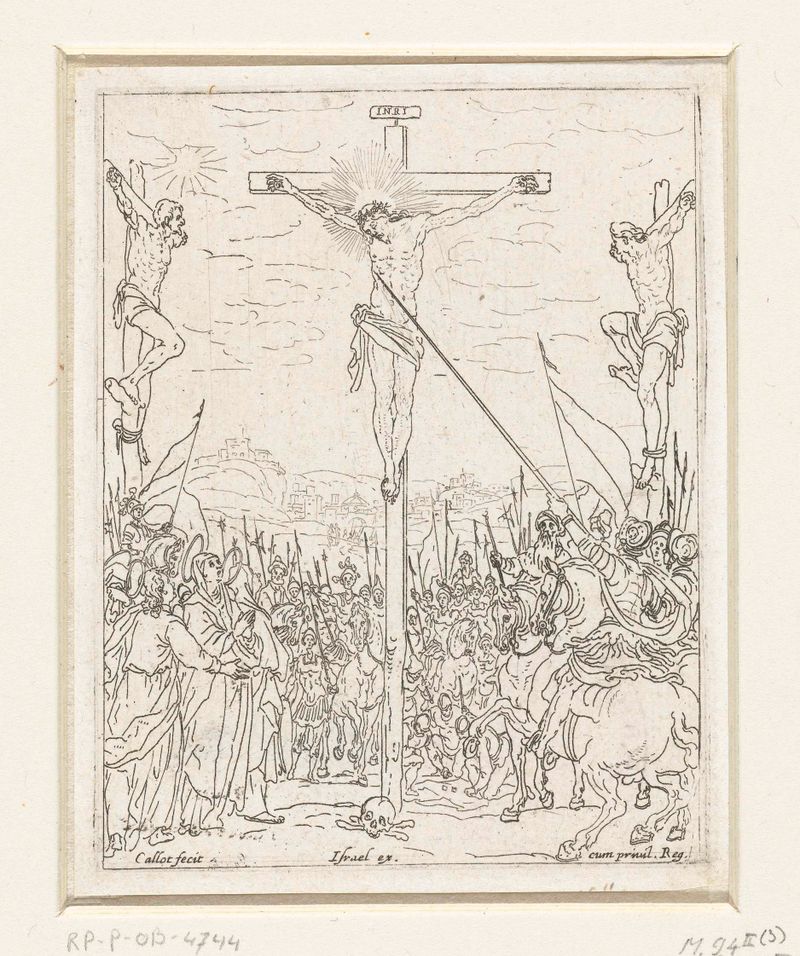
Kruisiging
Jacques Callot

De doortocht door de Rode Zee
Jacques Callot

De verloren zoon als zwijnenhoeder
Jacques Callot

Annunciatie
Jacques Callot
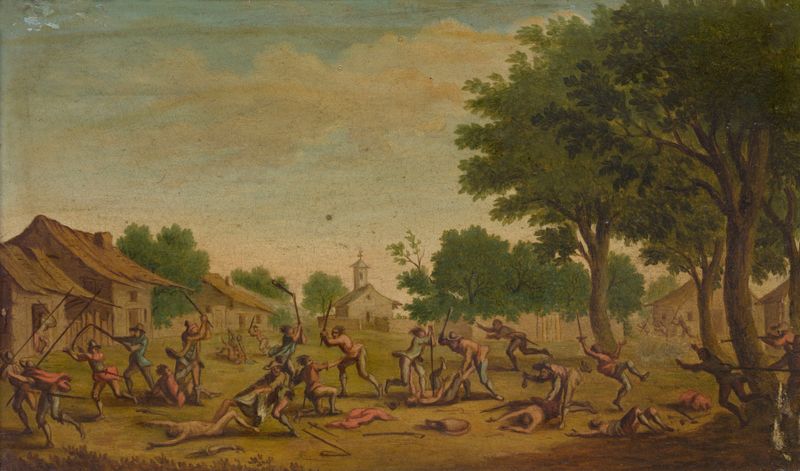
Village Fight
Jacques Callot

Titelprent voor prentreeks 'Het leven van Maria'
Jacques Callot
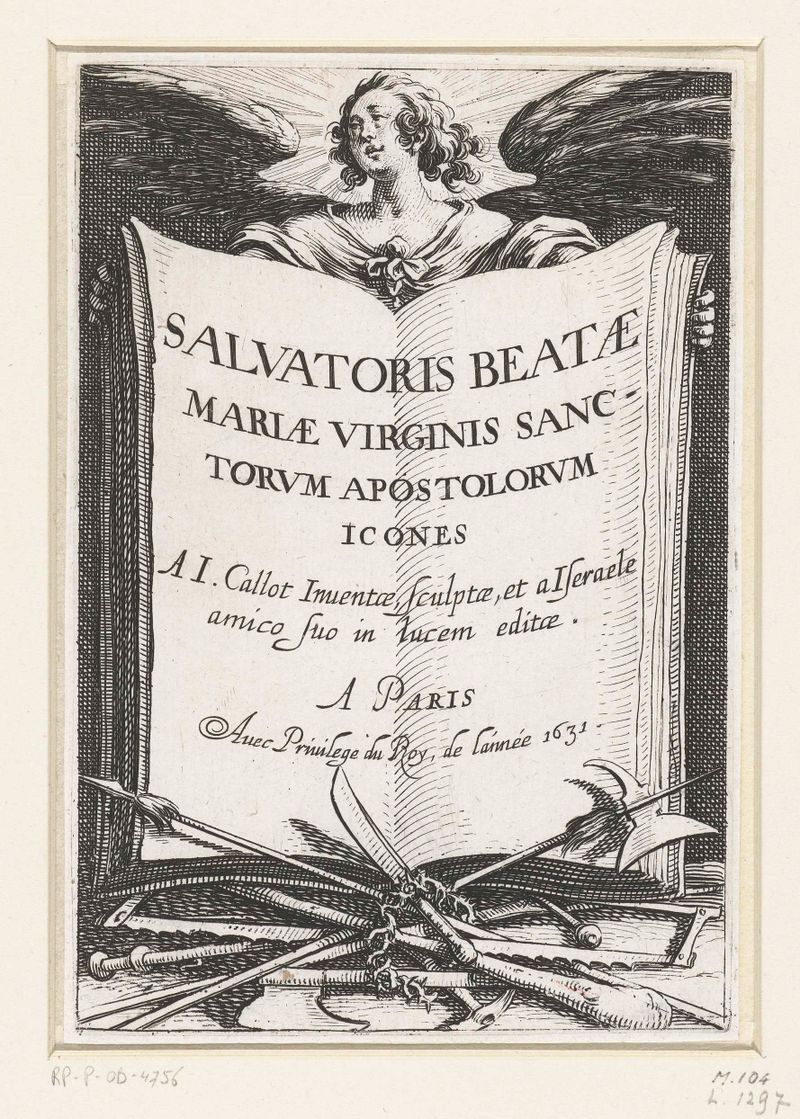
Titelprent voor de prentreeks 'De grote apostelen' (Christus, Maria en de apostelen)
Jacques Callot

Christus aan het volk getoond (Ecce homo)
Jacques Callot
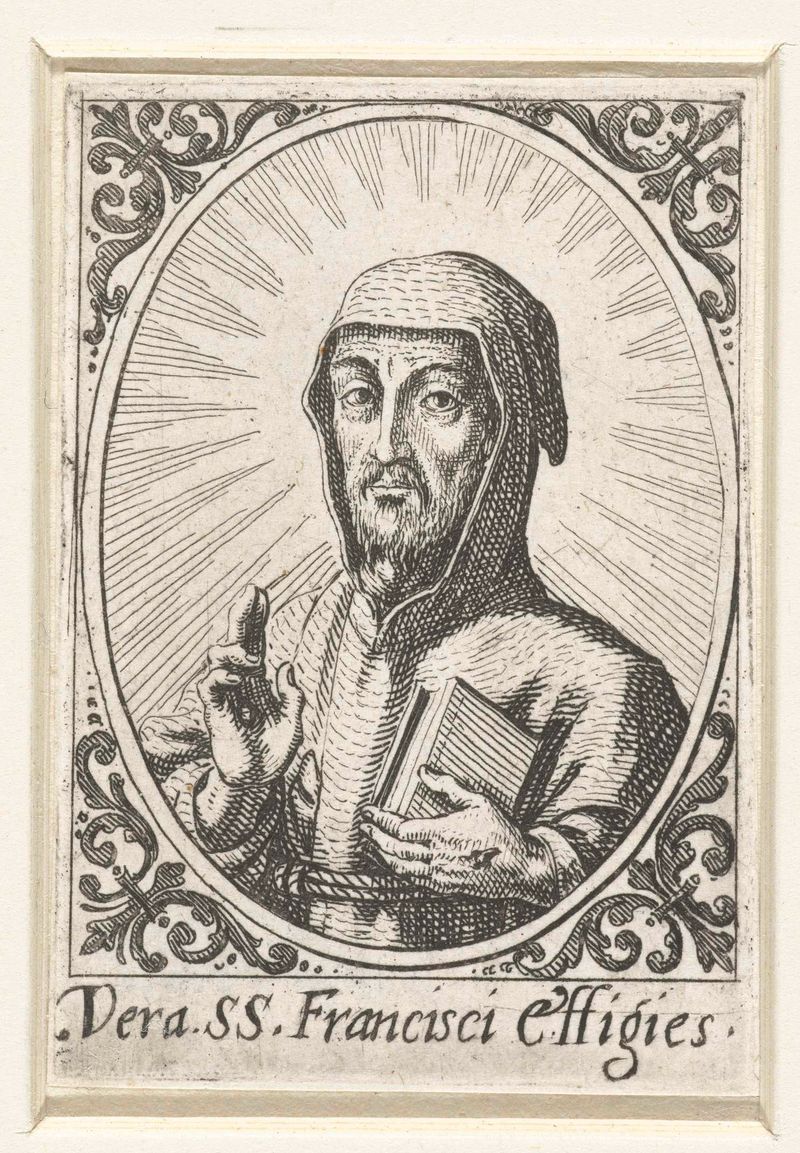
Portret van de Heilige Franciscus
Jacques Callot
More Religious Art
Browse all →
The Return of the Prodigal Son
Rembrandt van Rijn

The Garden of Earthly Delights
El Bosco

Count Orgaz’ funeral
El Greco

The Hundred Guilder Print: the central piece with Christ preaching, the plate arched
Rembrandt van Rijn

The Descent from the Cross
Rogier van der Weyden

The return of the prodigal son
Rembrandt van Rijn