
Pitesti — History & Facts
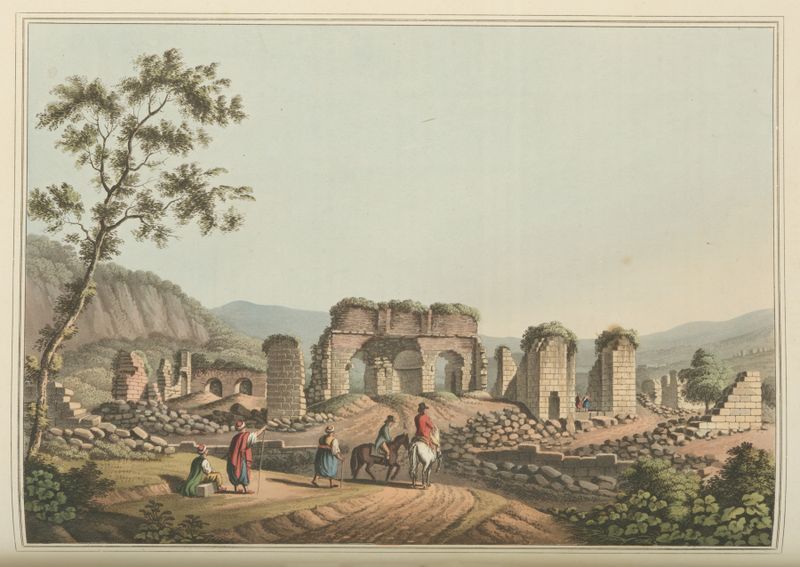
What if silence could speak through light? In Pitesti, the soft interplay of fading hues invites the viewer to contemplate the haunting whispers of decay. Look to the foreground, where the remnants of architecture lay in a delicate embrace with nature. The crumbling walls, painted in muted earth tones, contrast with the vibrant greens of creeping vines. Notice how the light spills gently over the ruins, casting elongated shadows that evoke both beauty and loss.
The composition draws the eye upward, where a serene sky hints at the passage of time, as if the very atmosphere holds its breath. Amidst the decay, hidden meanings emerge—an elegant dance between abandonment and renewal. The juxtaposition of man-made structures and wild flora symbolizes the inevitability of nature reclaiming its space, while the soft, diffused light creates a bittersweet mood, a celebration of forgotten stories. Each detail, from the weathered textures to the tender growths, serves as a poignant reminder of life’s transience and the beauty found within decline. Luigi Mayer created Pitesti in 1810, during a period marked by a growing interest in romanticism and the sublime in art.
Living in Italy and later moving to England, he was influenced by the shifting ideals of landscape painting, aiming to merge history with the natural world. This work reflects not only his artistic evolution but also the broader cultural dialogues surrounding decay and renewal in a rapidly changing Europe.
More Artworks by Luigi Mayer
Browse all →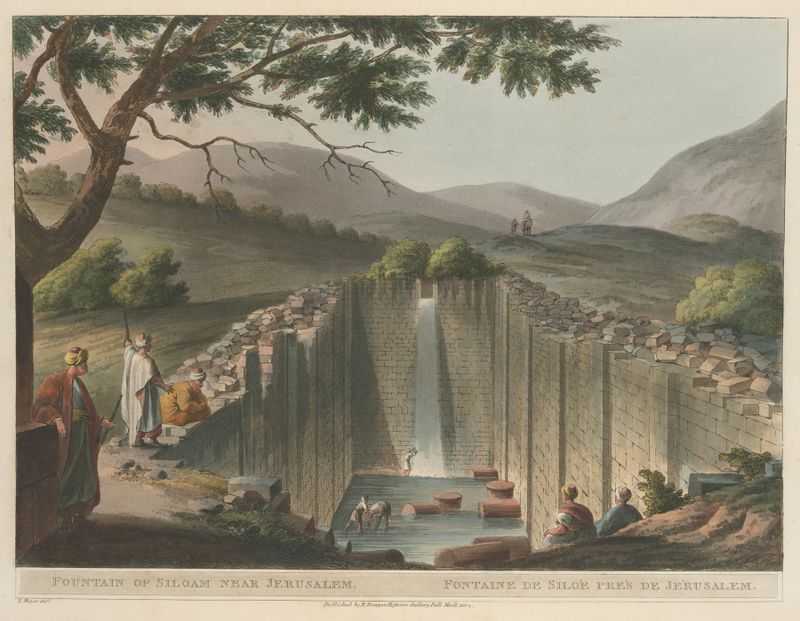
Fountain of Siloam Near Jerusalem
Luigi Mayer

View of the Dardanelles
Luigi Mayer

Port of Latachia
Luigi Mayer

Stadium at Ephesus
Luigi Mayer

Ancient Temples at Agrigentum
Luigi Mayer
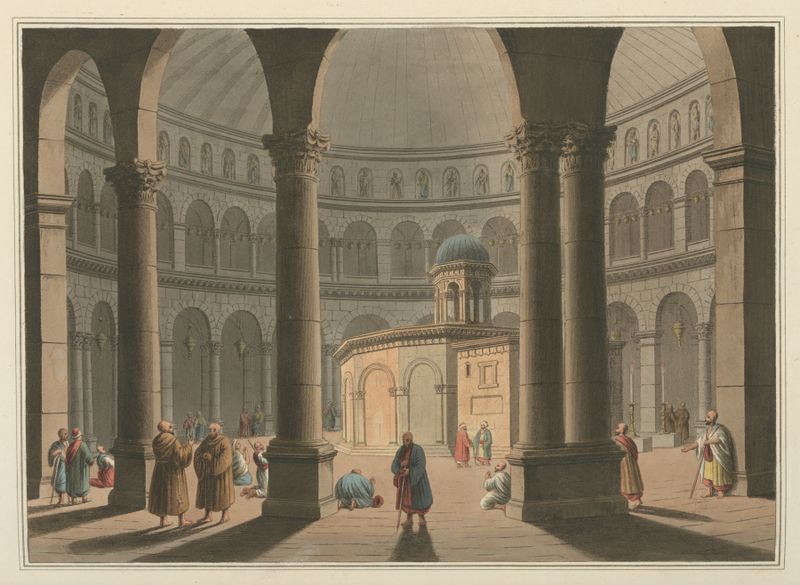
Church of the Holy Sepulchre
Luigi Mayer
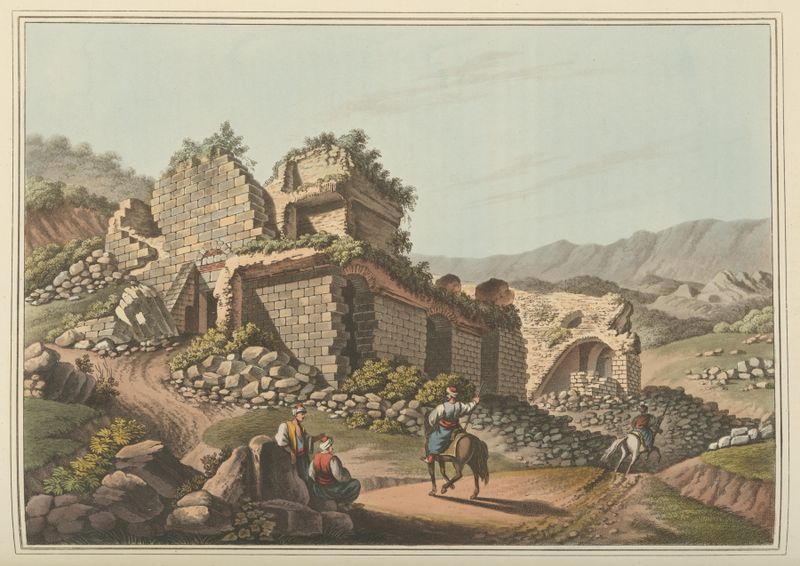
Theatre at Ephesus
Luigi Mayer
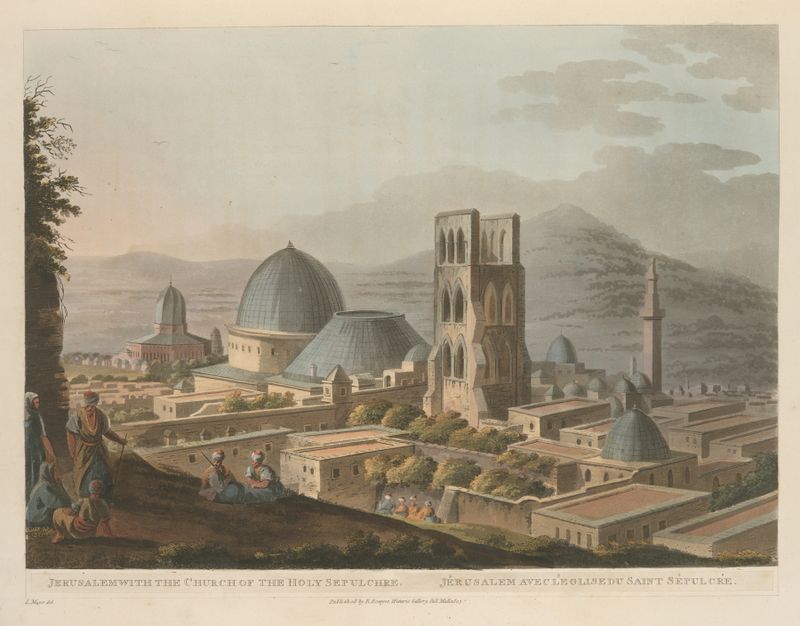
Jerusalem with the Church of the Holy Sepulchre
Luigi Mayer
Ruins of the Temple of Diana at Ephesus
Luigi Mayer

Crater in the Island of Volcano
Luigi Mayer





