
Place de la Concorde — History & Facts
In Place de la Concorde, Piet Mondrian presents a vibrant scene filled with geometric shapes and bold colors. The painting features a dynamic arrangement of rectangles and squares, primarily in shades of red, blue, and yellow. The composition suggests a bustling urban environment, reflecting the energy of Paris.
The use of straight lines and flat colors is characteristic of Mondrian's modernist style. This painting is executed in oil on canvas, a medium that allows for rich color application and texture. The dimensions are approximately 80 x 100 cm, making it a substantial work that draws viewers in. The clear lines and primary colors create a sense of order amidst the chaos of city life.
The balance of forms is a testament to Mondrian's commitment to abstraction. Piet Mondrian was a key figure in the development of abstract art, and this work reflects his interest in urban landscapes. Created in the 1930s, Place de la Concorde captures the essence of modernity through its simplified forms. Interestingly, Mondrian was influenced by the city of Paris, which he viewed as a symbol of progress.
His work continues to inspire artists and designers today.
More Artworks by Piet Mondrian

Composition II in Red, Blue, and Yellow
Piet Mondrian

Composition with Yellow, Blue, Black and Light Blue
Piet Mondrian

Composition with Large Blue Plane, Red, Black, Yellow, and Gray
Piet Mondrian
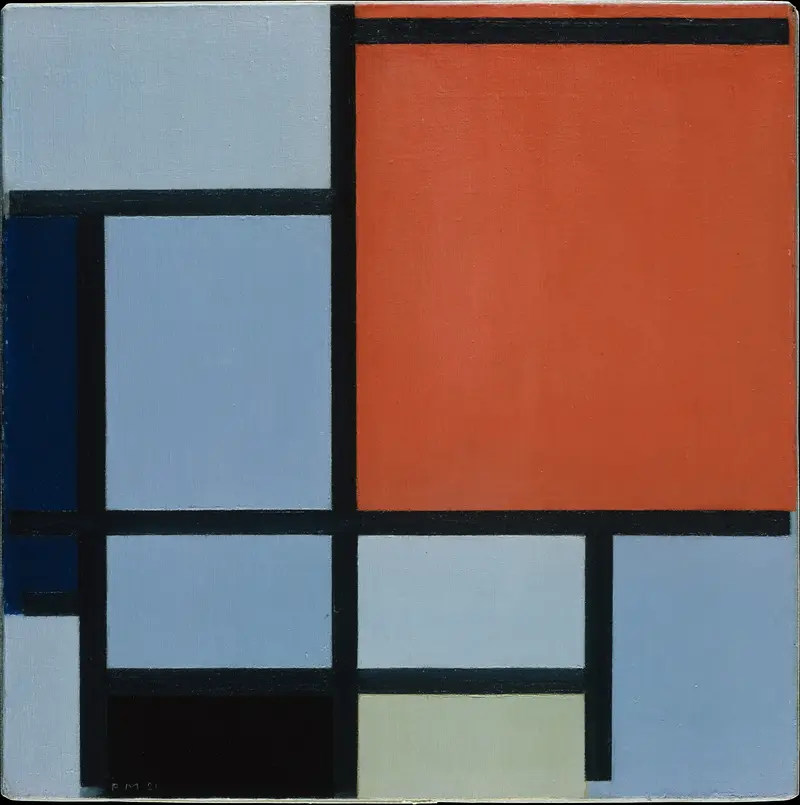
Composition
Piet Mondrian
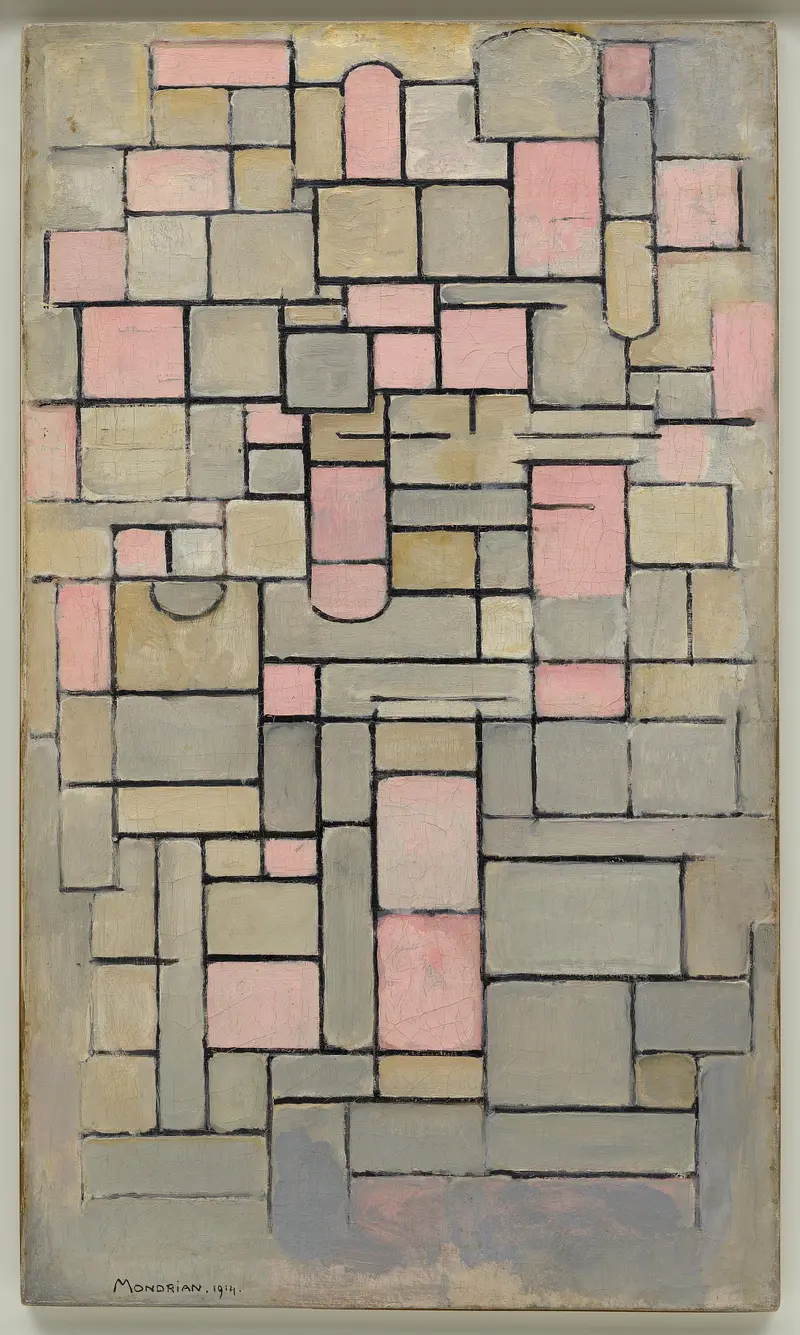
Composition 8
Piet Mondrian
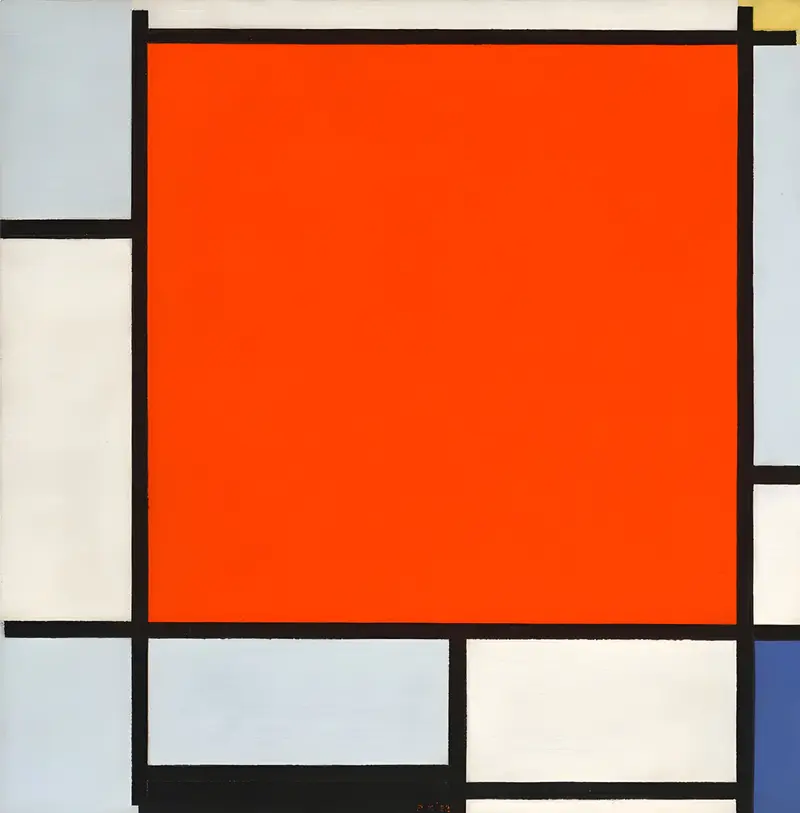
Composition with Large Red Plane, Bluish Gray, Yellow, Black and Blue
Piet Mondrian
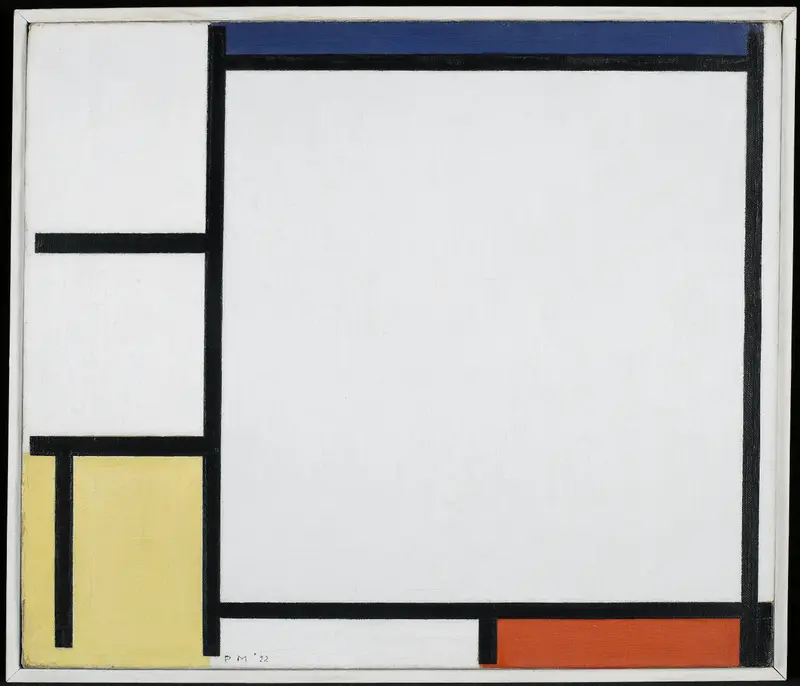
Composition with Blue, Red, Yellow, and Black
Piet Mondrian
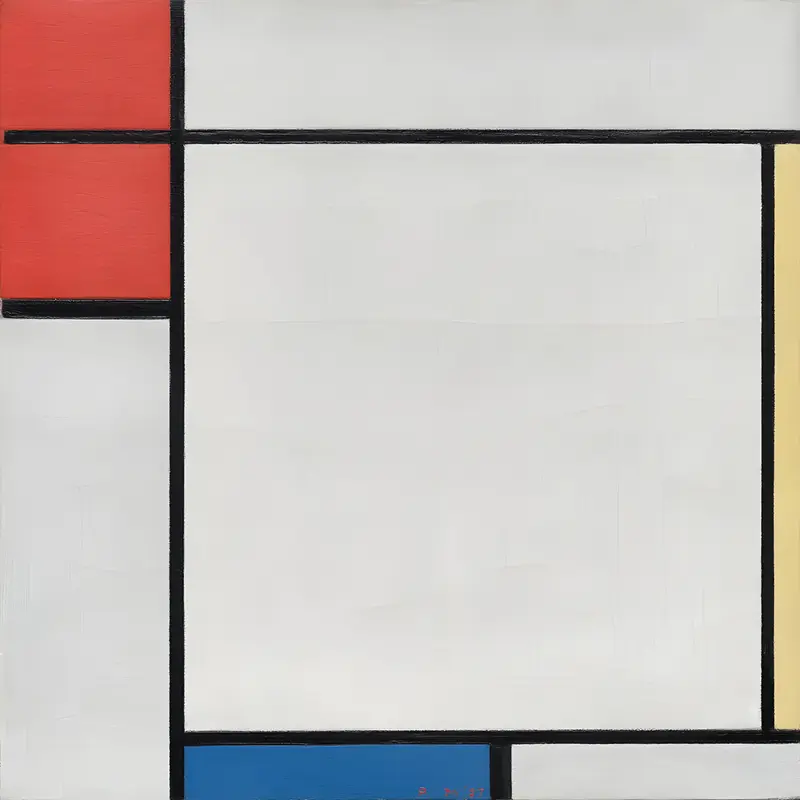
Composition with Red, Yellow, and Blue
Piet Mondrian
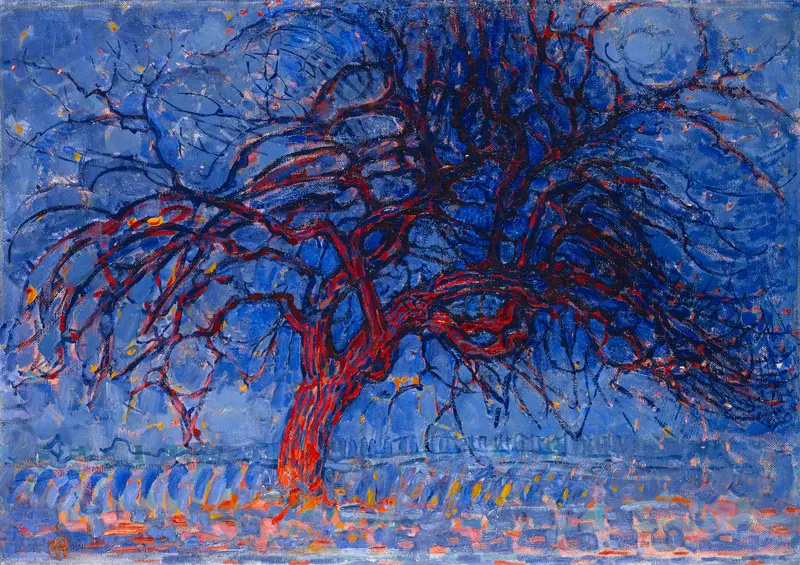
The Red Tree (Evening)
Piet Mondrian
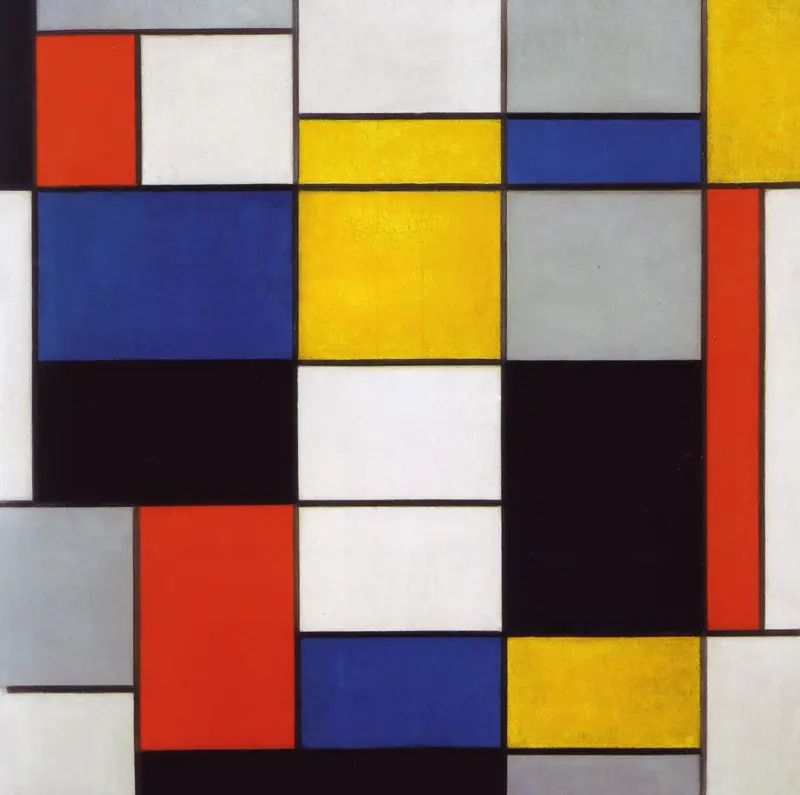
Composition A
Piet Mondrian





