
Plan des al ten Rom — History & Facts
Can beauty exist without sorrow? In Plan des alten Rom, Christoph Ziegler invites us to ponder this profound question through his intricate portrayal of ancient Rome’s splendor juxtaposed with the echoes of its past. Look to the center of the composition where the majestic ruins rise, their grandeur captured in delicate brushstrokes that suggest both strength and decay. The warm, golden hues blend seamlessly, enveloping the structures in a nostalgic glow that draws the eye. Notice how the artist meticulously fills the spaces with intricate details, from the crumbling columns to the lush foliage that hints at the passage of time—a dialogue between nature and civilization.
The layering of color evokes a sense of longing, as if the viewer is gazing upon a once-vibrant city now steeped in memory. As you explore the image further, subtle contrasts emerge. The vibrant greenery teems with life, yet it grows from the ruins—a poignant symbol of resilience and the desire for rebirth. The interplay between light and shadow suggests both the beauty of the past and the inevitability of loss.
Each element contributes to a deeper narrative, questioning the balance between glory and decay, aspiration and despair, reflecting our own desires and the sorrow that often accompanies them. In 1882, Ziegler painted this work during a time when Europe was captivated by the romantic allure of ancient civilizations. Living in Germany, he was influenced by the academic art movements of the period, seeking to revive classical themes while grappling with modern sensibilities. His focus on historical subjects mirrors the broader artistic trends, as artists sought to connect with the enduring legacy of the past amidst the rapid changes of the present.
More Artworks by Christoph Ziegler
Browse all →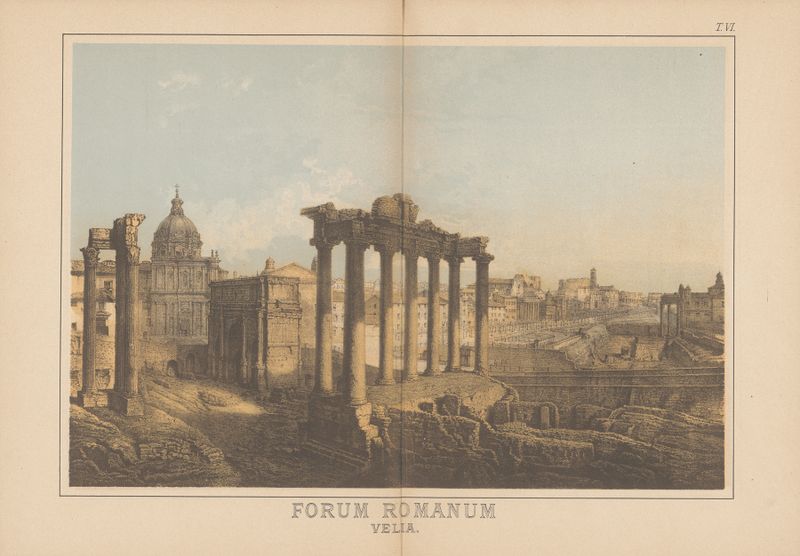
Forum Romanum
Christoph Ziegler
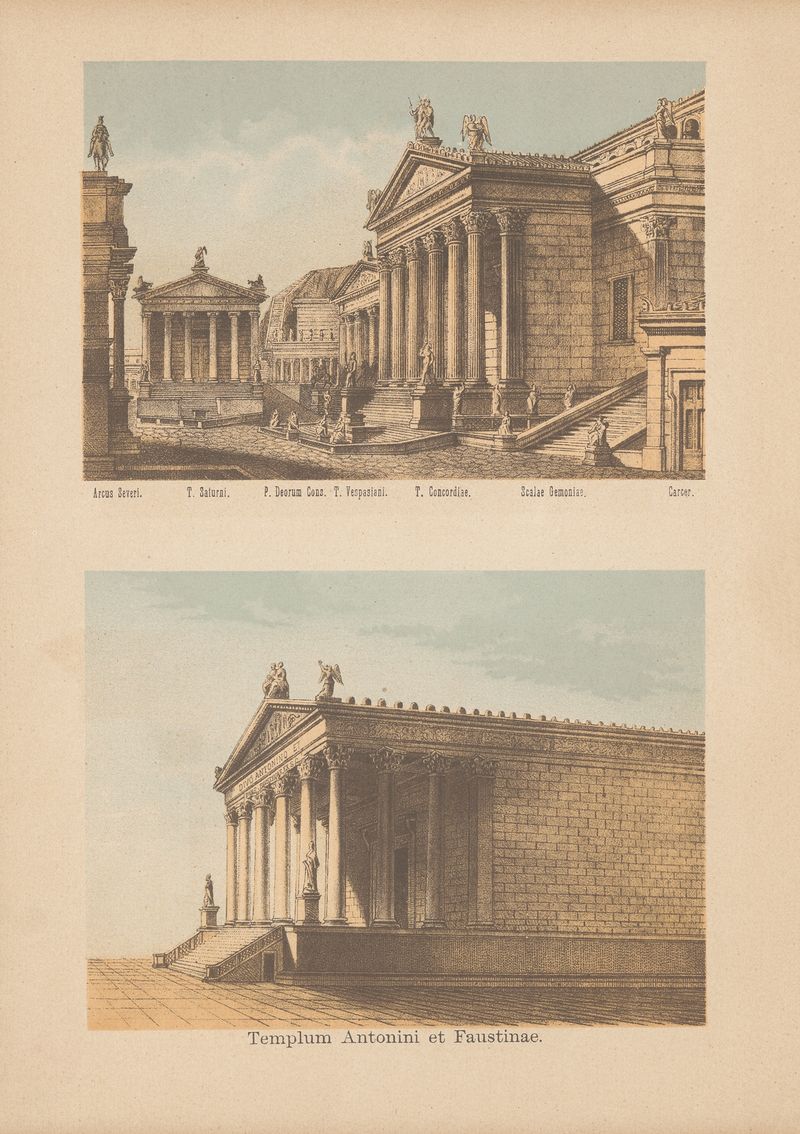
Templum Antonini et Faustinae
Christoph Ziegler
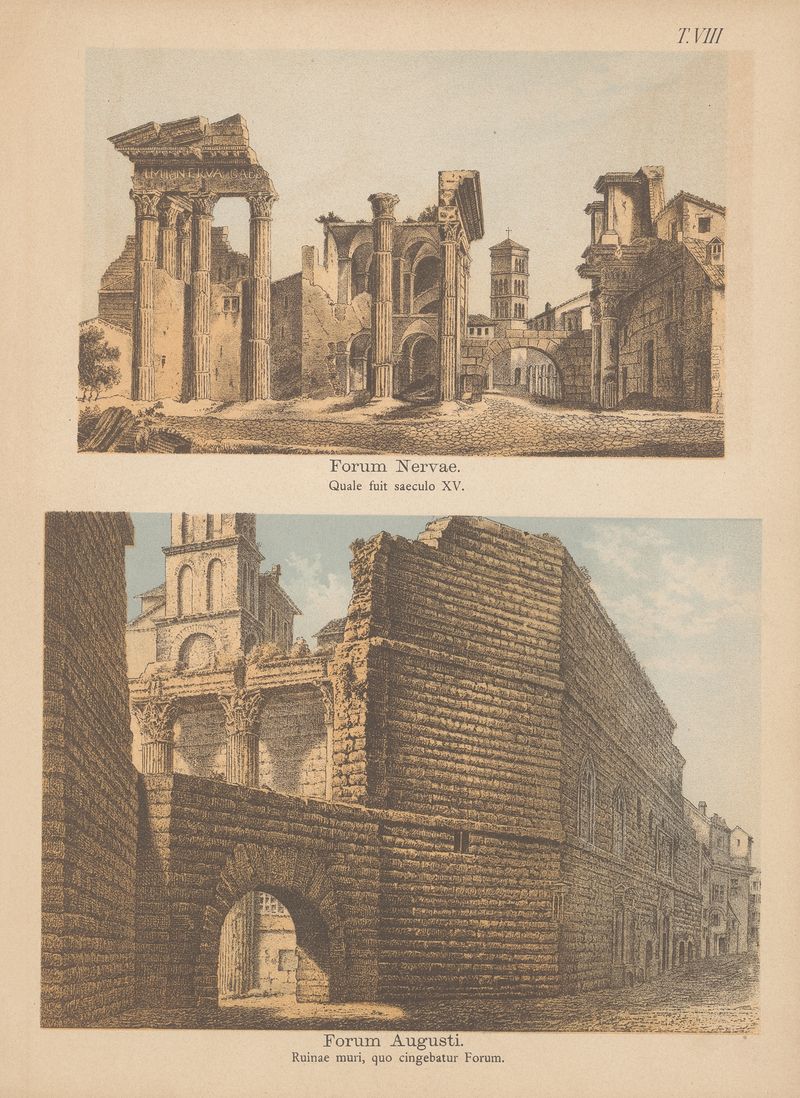
Forum Nervae, Forum Augusti
Christoph Ziegler
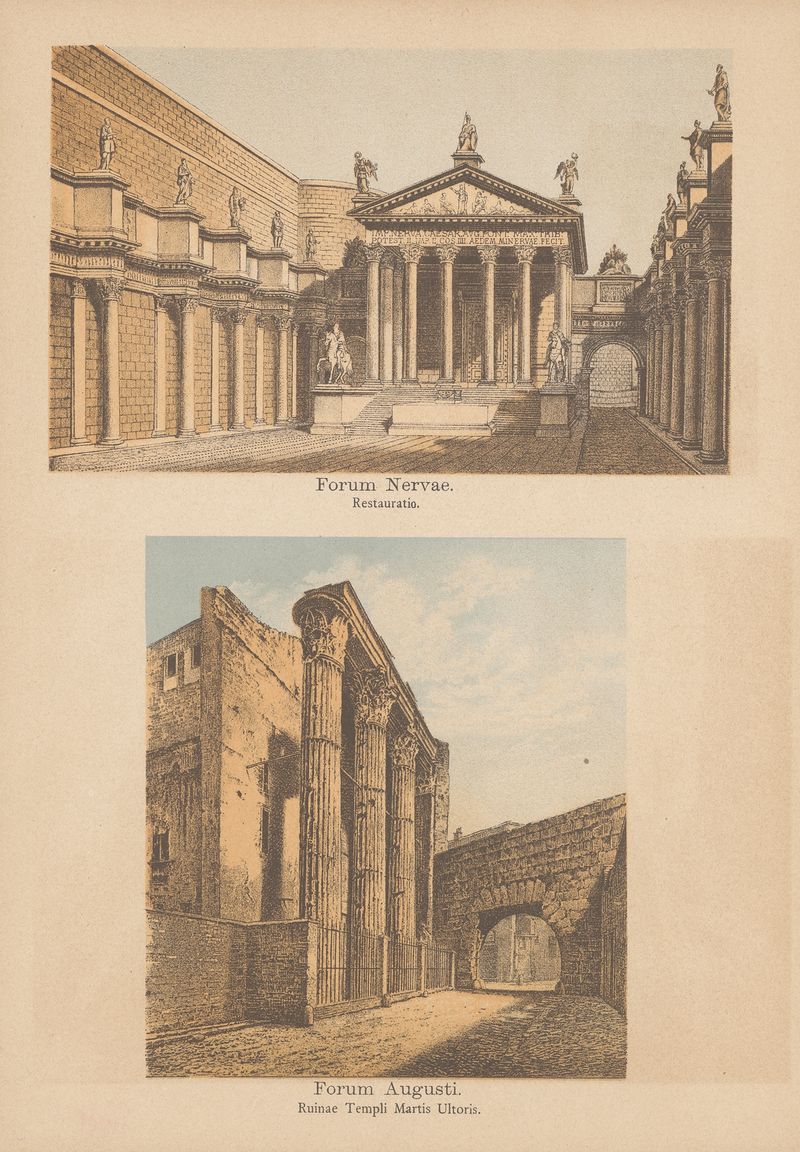
Forum Nervae, Forum Augusti
Christoph Ziegler
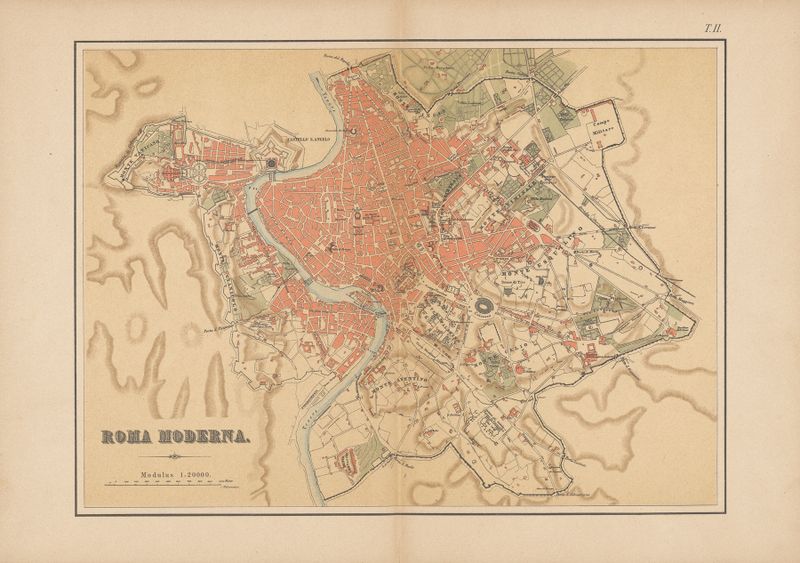
Plan des neuen Rom
Christoph Ziegler
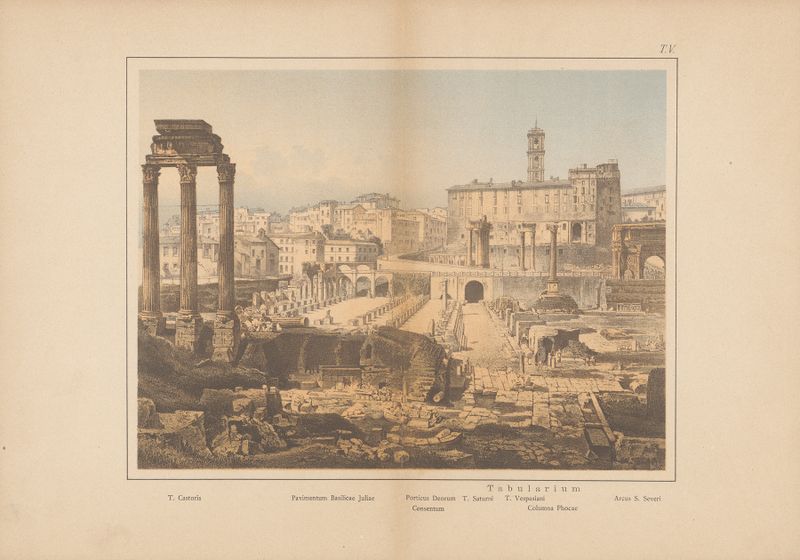
Tabularium
Christoph Ziegler
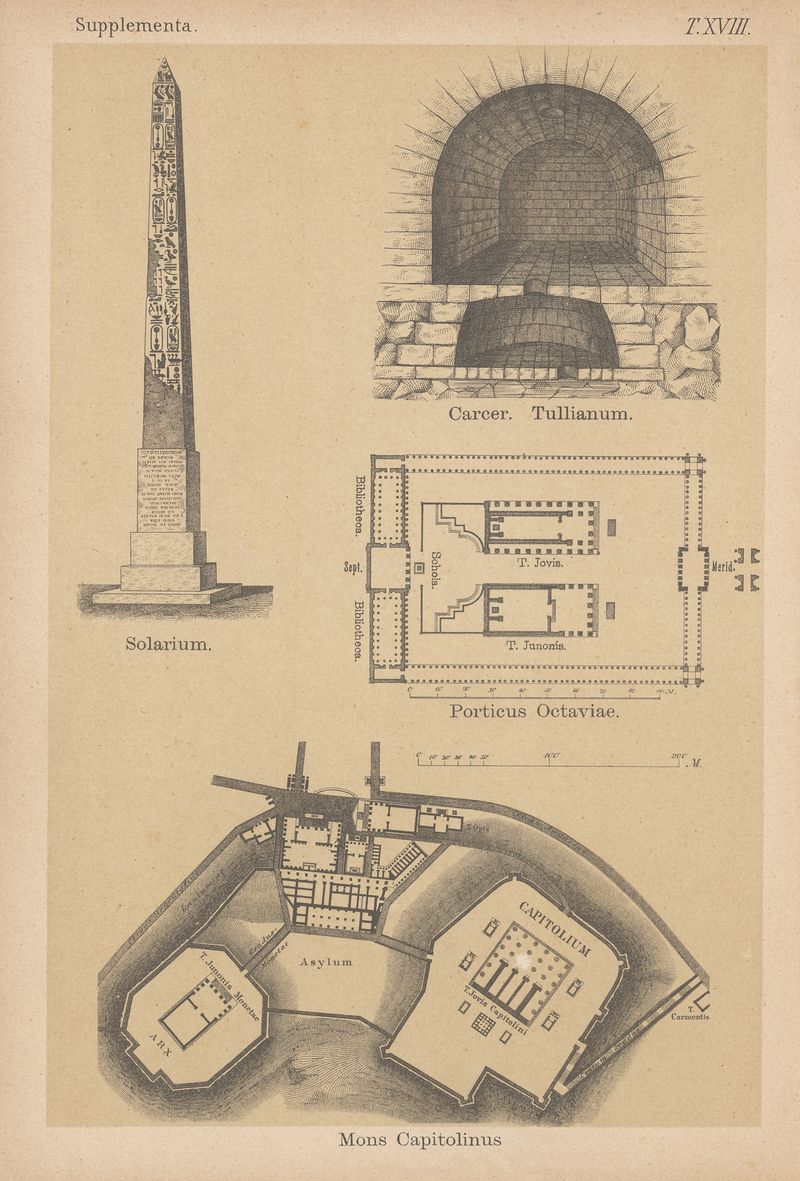
Mons Capitolinus
Christoph Ziegler
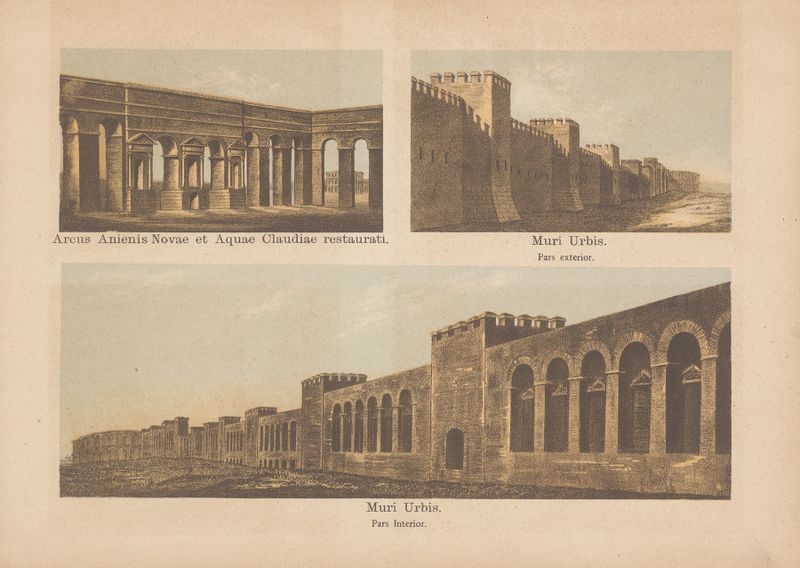
Arcus Anienis Novae, Muri urbis
Christoph Ziegler
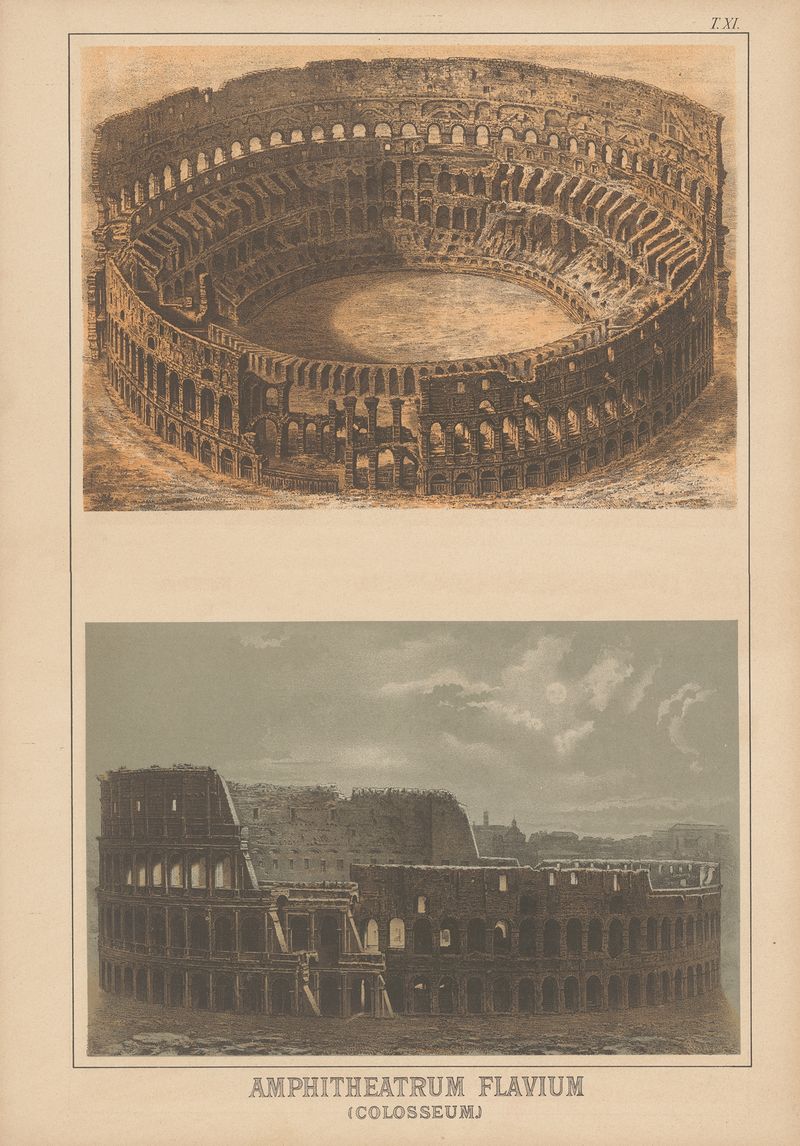
Amphitheatrum Flavium (Colosseum)
Christoph Ziegler
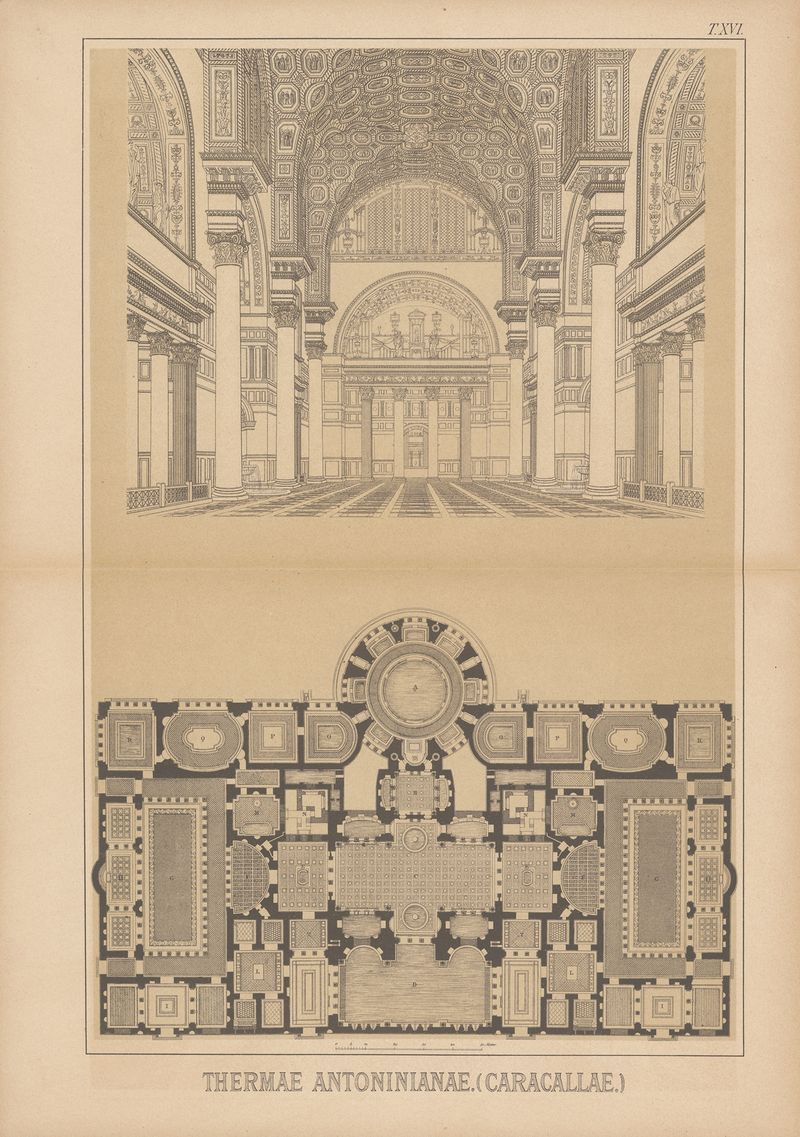
Thermae Antoninianae (Caracallae)
Christoph Ziegler
More Architecture Art
Browse all →
The statue of Liberty
Frédéric Auguste Bartholdi

View of Houses in Delft, Known as ‘The Little Street’
Johannes Vermeer

View of Houses in Delft, Known as ‘The Little Street’
Johannes Vermeer

The Cathedral in Rouen. The portal, Grey Weather
Claude Monet

The yellow house
Vincent van Gogh

The Church in Auvers-sur-Oise, View from the Chevet
Vincent van Gogh