Plants — History & Facts
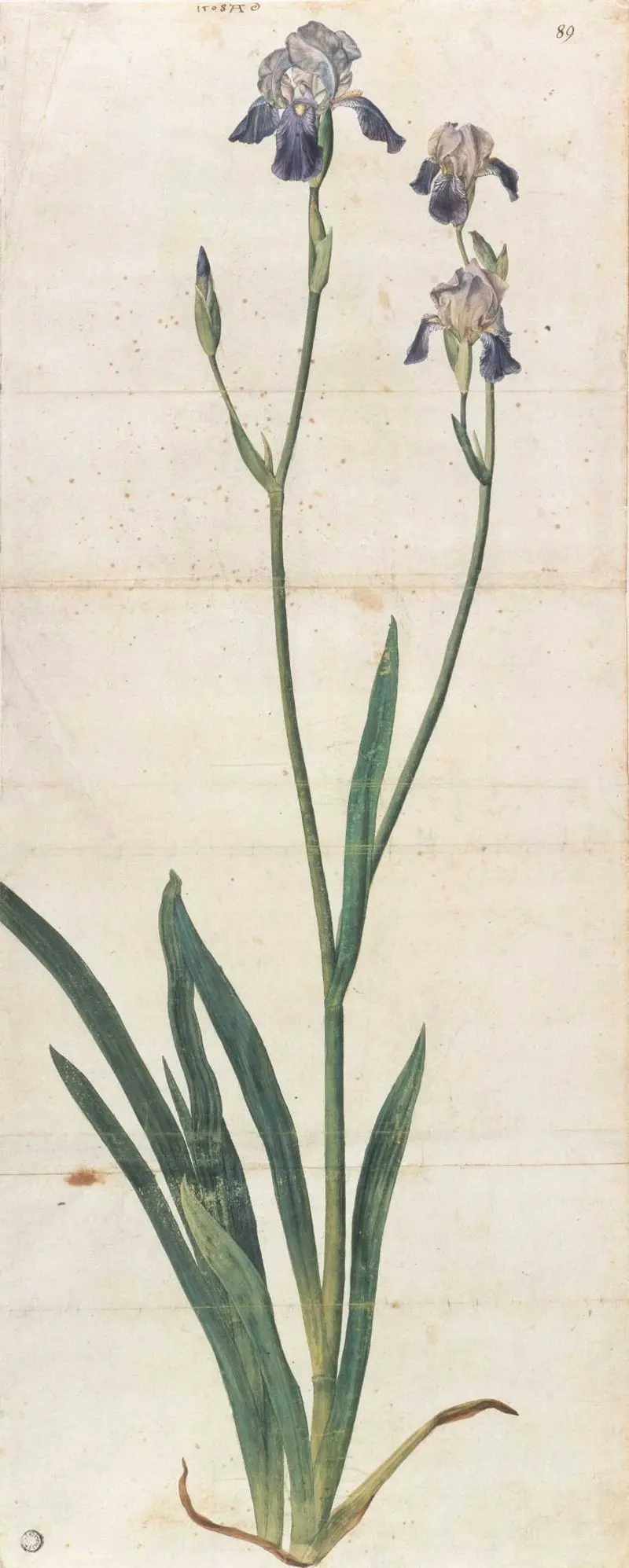
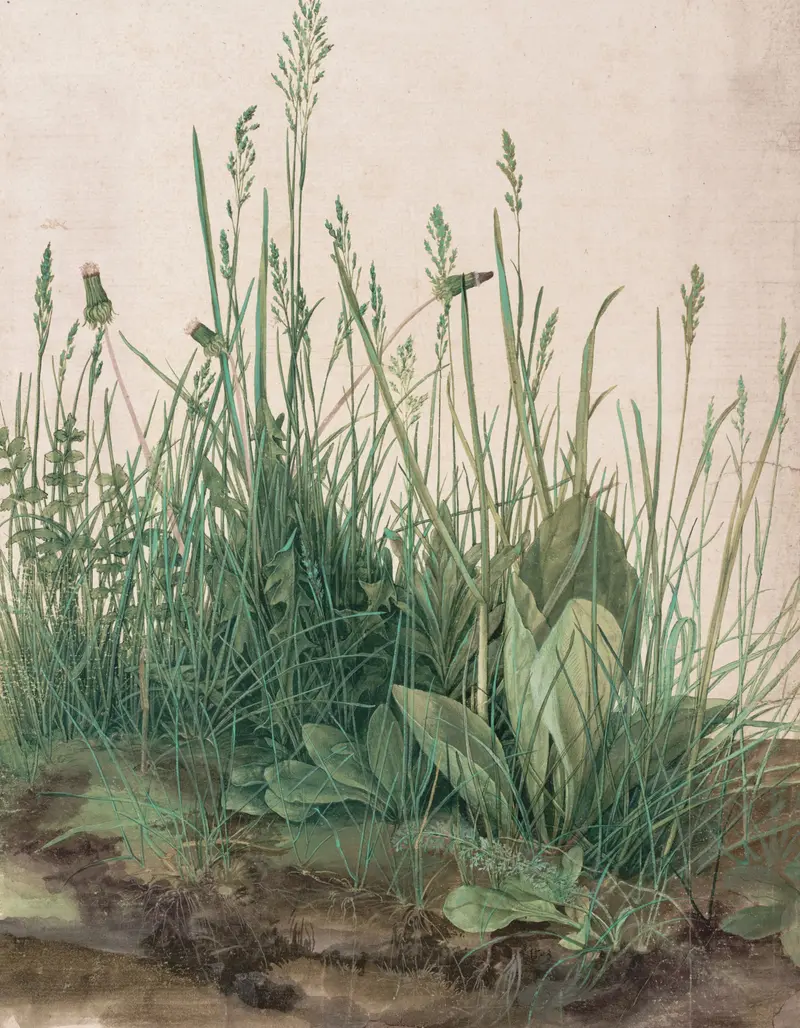
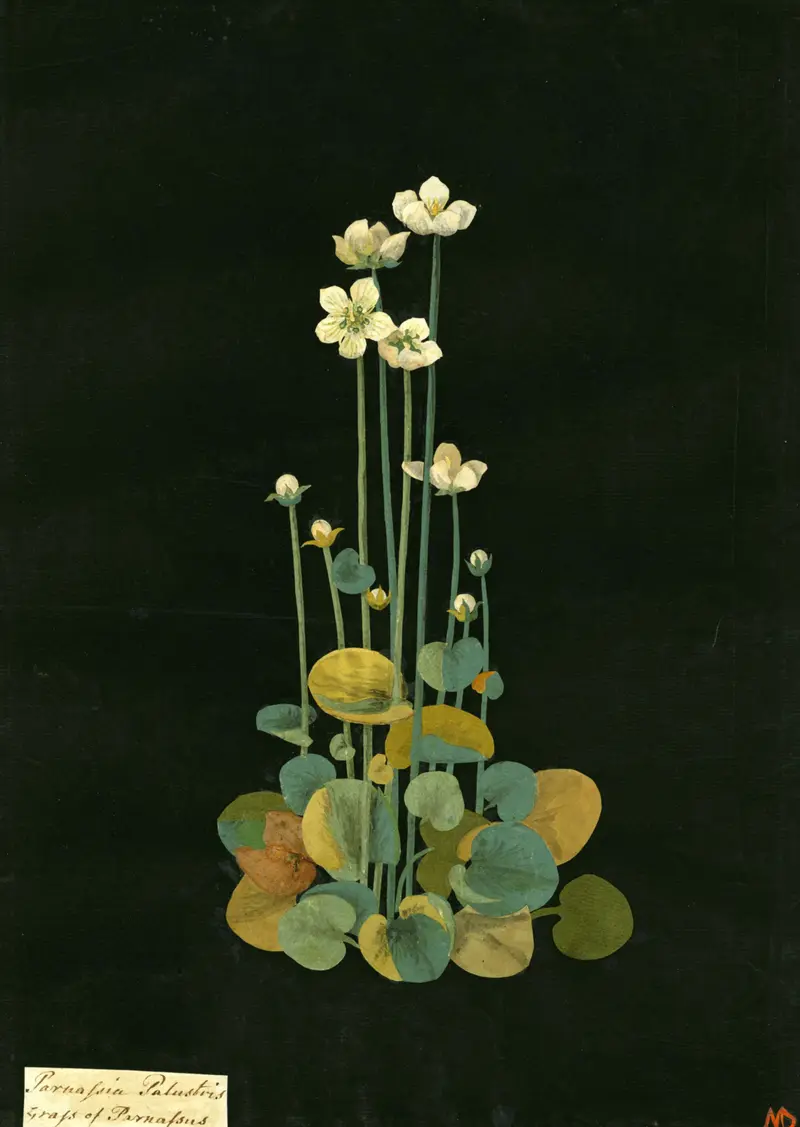
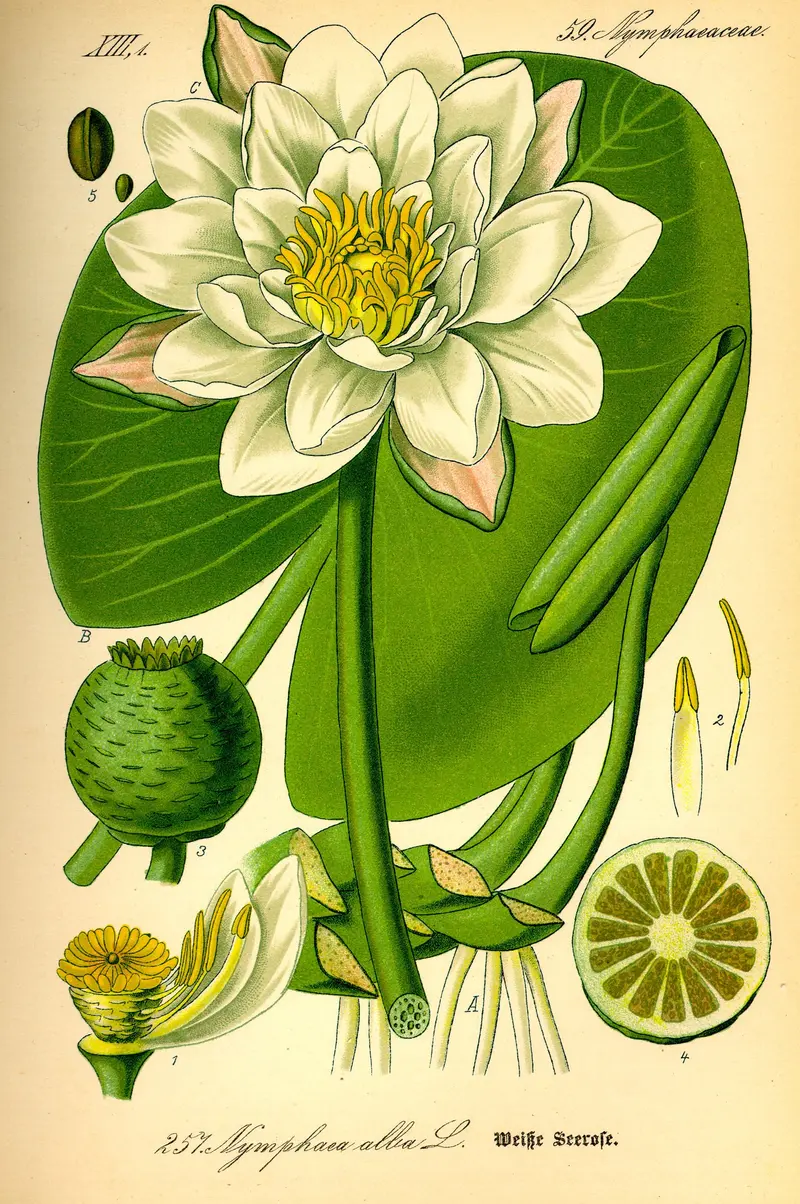
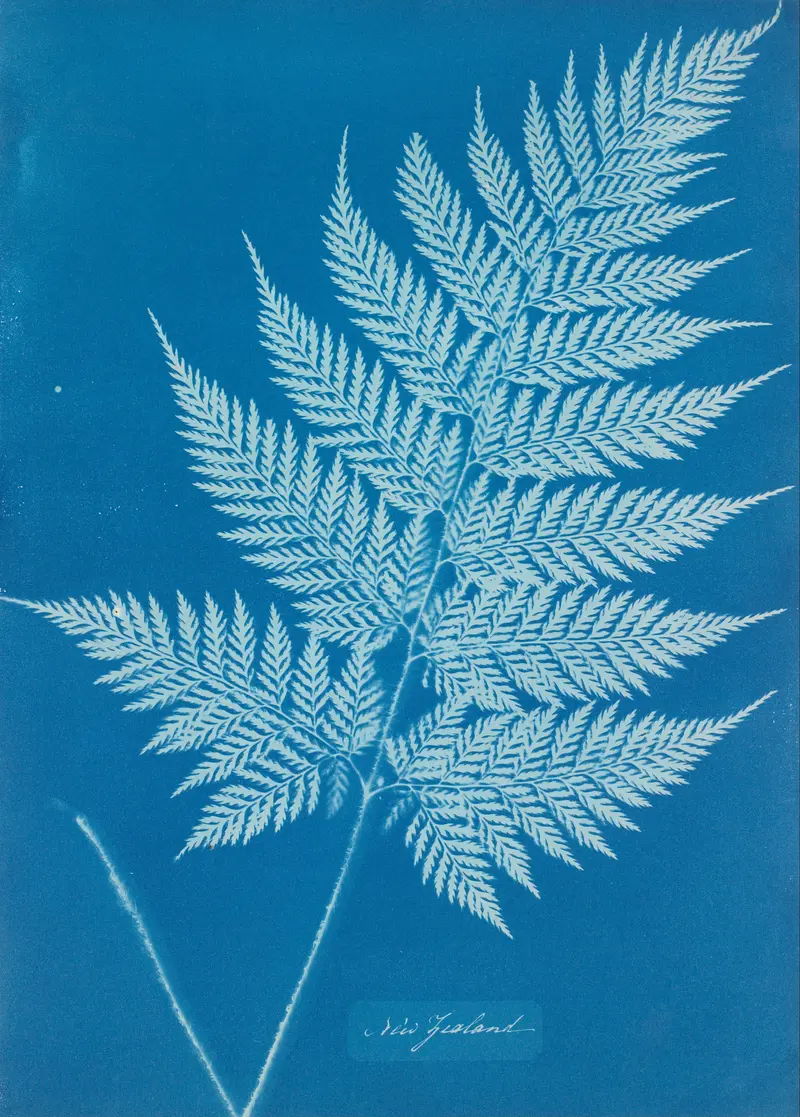
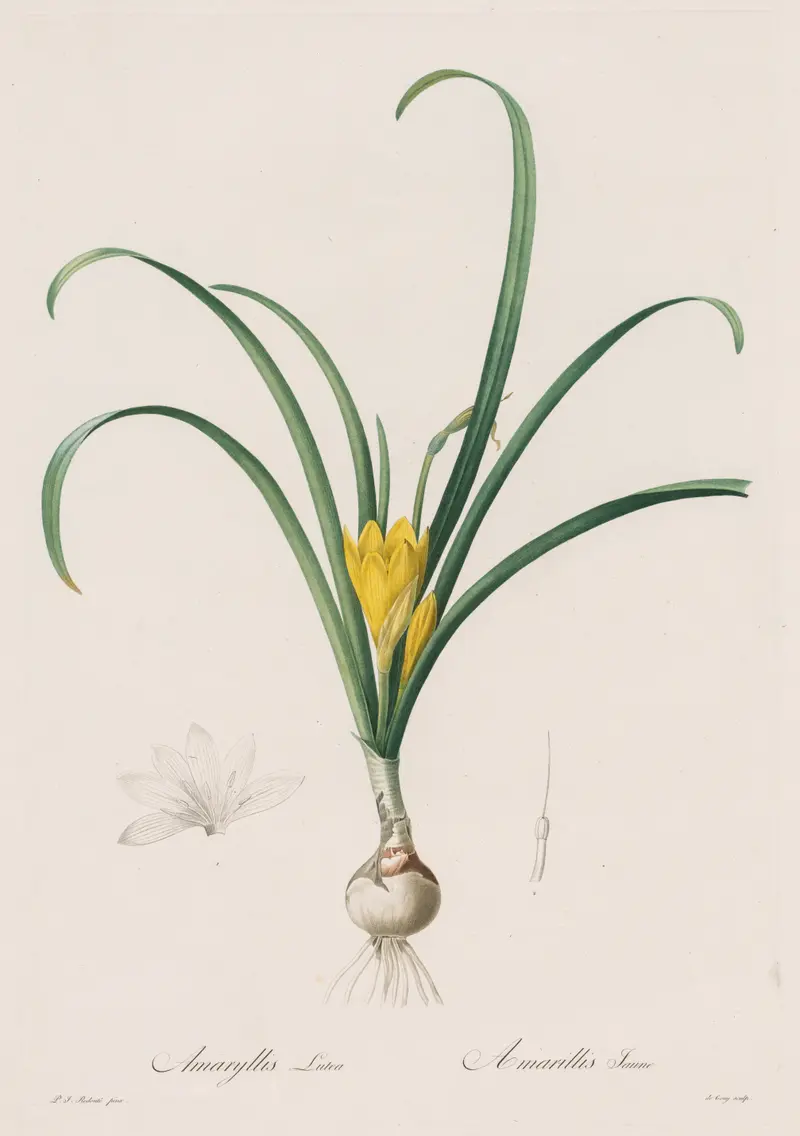
In Plants, Jean-Antoine Watteau presents a vibrant array of flora. The painting features lush green leaves and delicate flowers, creating a rich tapestry of colors. The background is soft and muted, allowing the plants to stand out prominently.
Watteau’s use of light enhances the natural beauty of the scene. The painting is executed in oil on canvas, a medium that allows for rich color and texture. Watteau's brushwork is fluid, capturing the essence of the plants with a sense of movement. The dimensions are approximately 60 x 80 cm, making it an intimate piece that invites close viewing.
The composition is balanced, drawing the viewer's eye across the canvas. Jean-Antoine Watteau was a key figure in the Rococo movement, known for his depictions of leisure and nature. This work, created in the early 1710s, reflects his fascination with the natural world. Interestingly, Plants is often celebrated for its intricate detail and vibrant colors, showcasing Watteau's skill in botanical representation.
It is housed in the Musee d'Orsay, a fitting location for such a delicate work.
More Artworks by Jean-Antoine Watteau
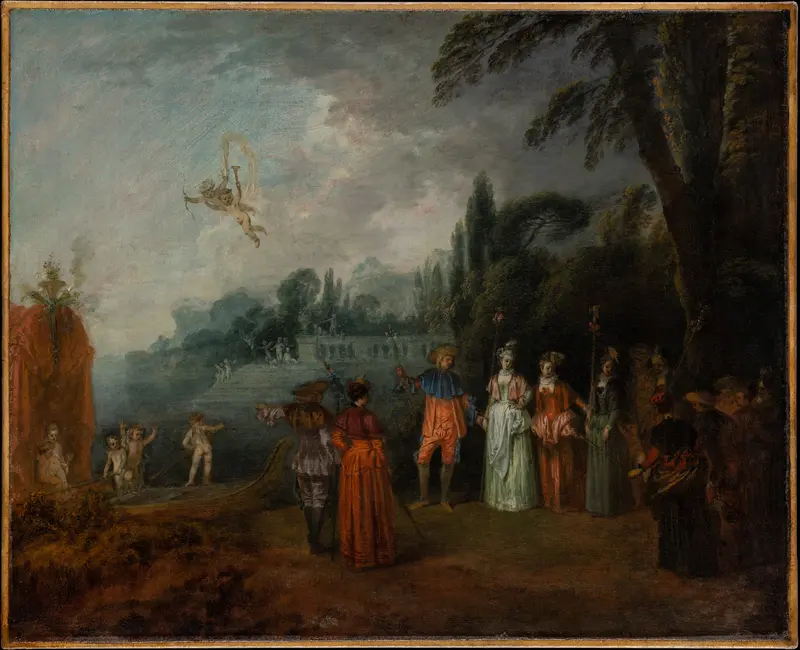
The Embarkation for Cythera
Jean-Antoine Watteau
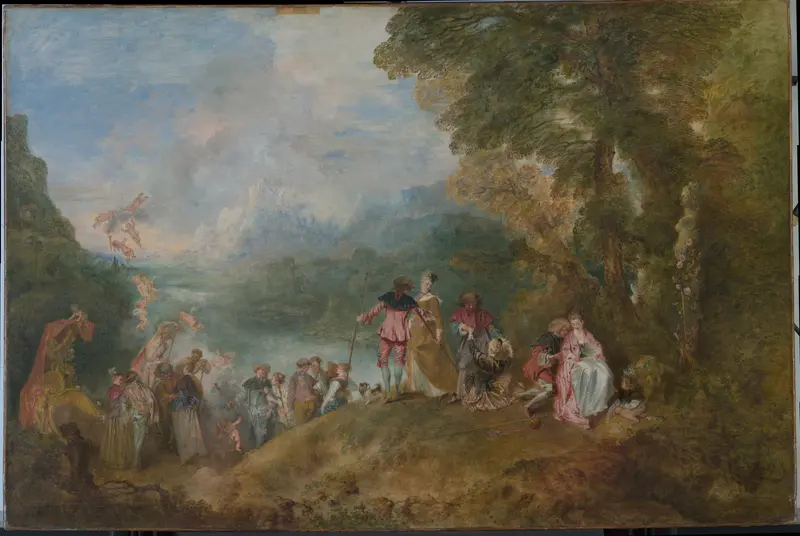
L’Embarquement pour Cythere
Jean-Antoine Watteau
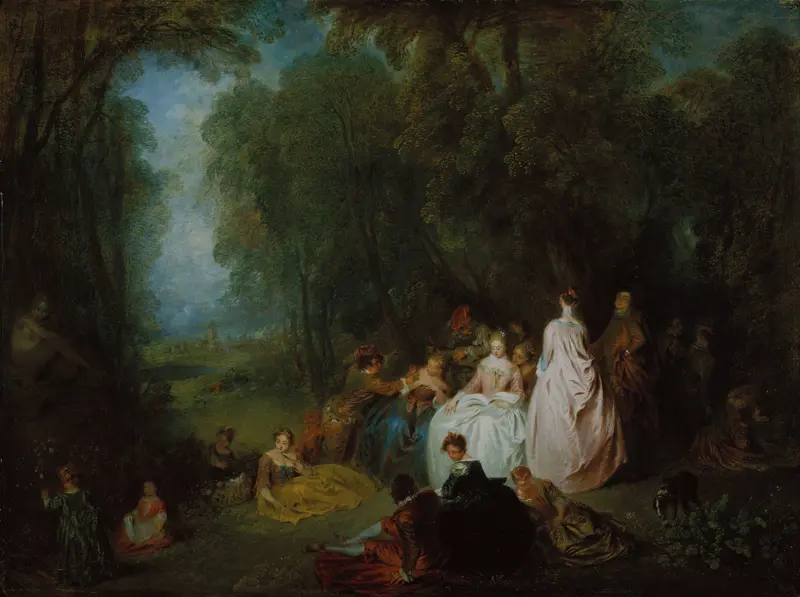
Fête champêtre (Pastoral Gathering)
Jean-Antoine Watteau
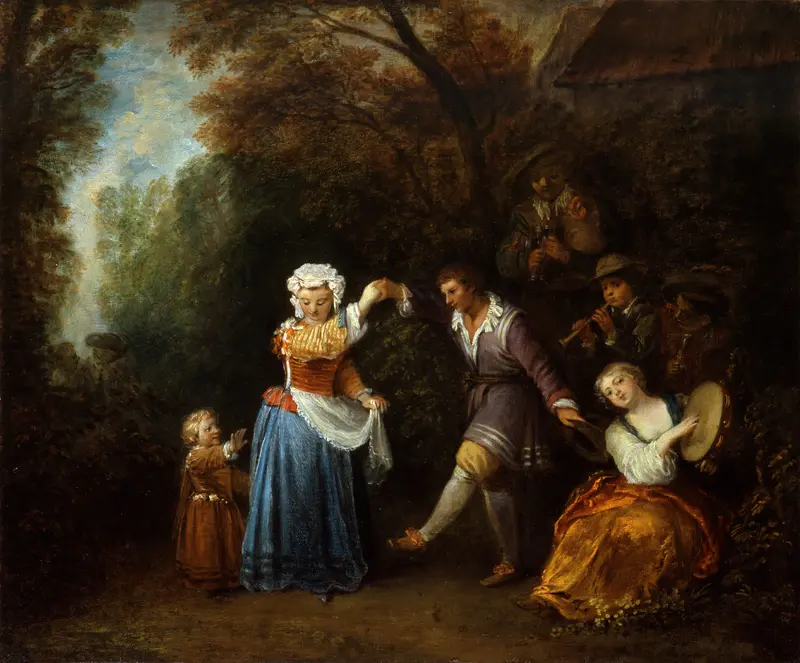
The Country Dance
Jean-Antoine Watteau

The French Comedians
Jean-Antoine Watteau
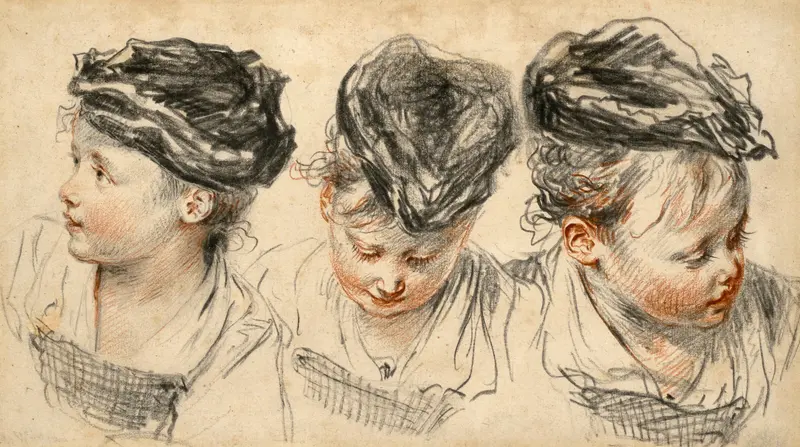
Three head studies of a girl wearing a hat
Jean-Antoine Watteau
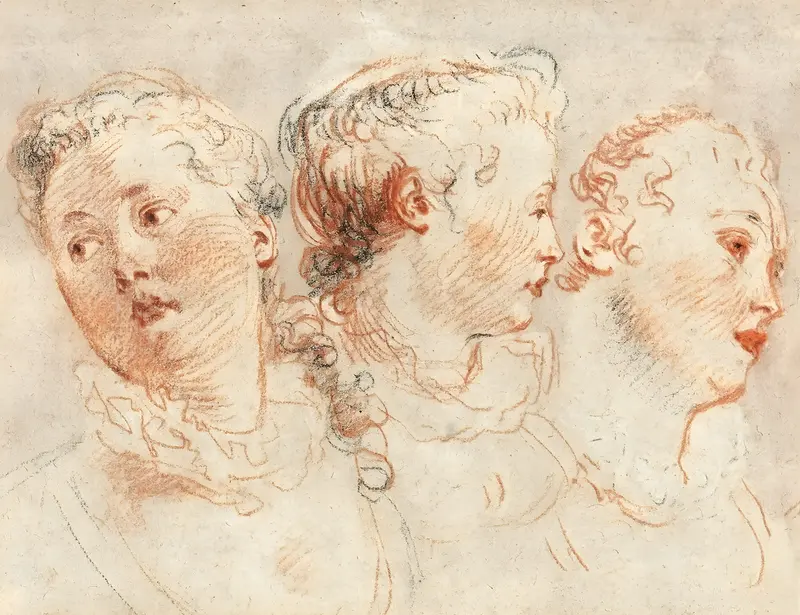
Three Studies Of The Head Of A Woman
Jean-Antoine Watteau

Portret van een dame met harlekijn
Jean-Antoine Watteau
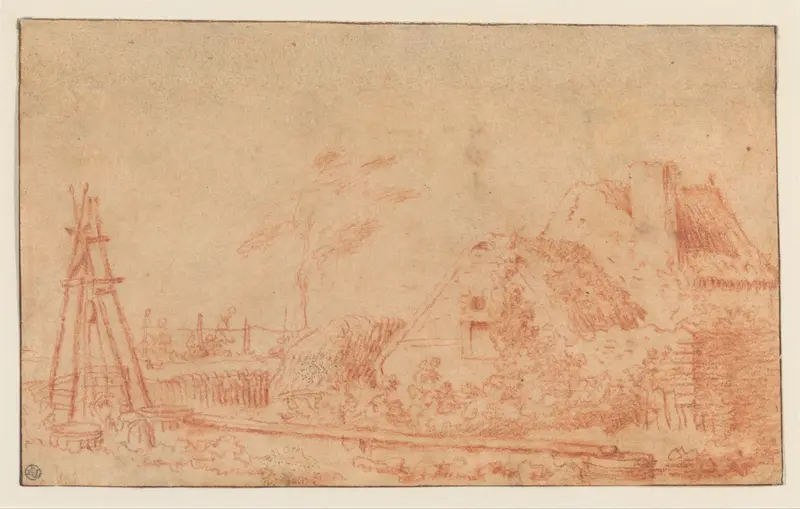
Landscape with a Cottage and Well
Jean-Antoine Watteau
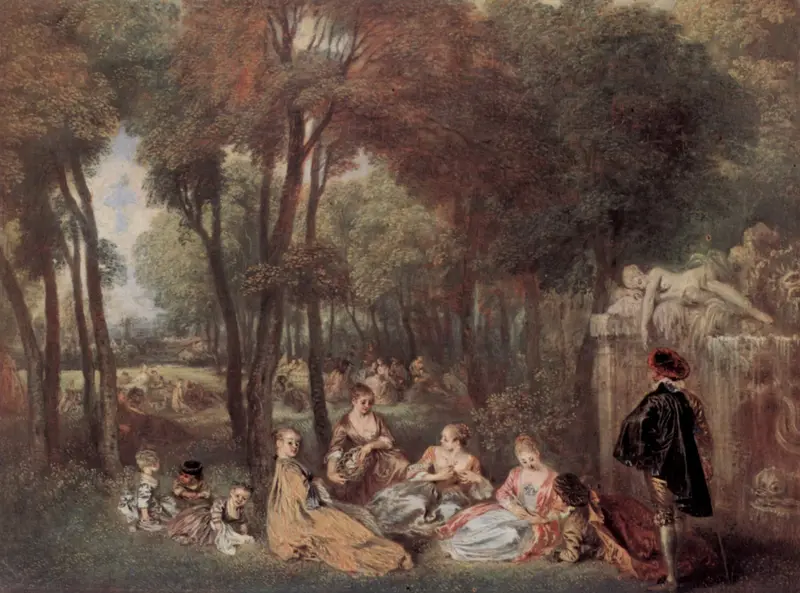
Les Champs Elisées
Jean-Antoine Watteau