
Discover insights about this artwork
Pleasures of Love — History & Facts
In Pleasures of Love, Jean-Antoine Watteau depicts a romantic scene filled with soft colors and delicate figures. The painting features a couple in a lush garden, surrounded by flowers and greenery. The warm palette of pinks, greens, and soft blues creates an inviting atmosphere.
The figures are elegantly dressed, embodying the Rococo style with their intricate clothing and graceful postures. This artwork is rendered in oil on canvas, a common medium for Watteau's works. The dimensions are approximately 100 x 80 cm, allowing for a detailed portrayal of the figures and setting. The brushwork is fluid, enhancing the sense of movement and intimacy between the characters.
The use of light and shadow adds depth, drawing the viewer into the scene. Jean-Antoine Watteau was a leading figure in the Rococo movement, known for his focus on themes of love and leisure. Pleasures of Love exemplifies his ability to blend reality with fantasy, creating a dreamlike quality. Interestingly, this painting reflects the social dynamics of 18th-century France, where courtship and romance were often idealized.
Watteau's works continue to influence artists and are celebrated for their charm and elegance.
More Artworks by Jean-Antoine Watteau
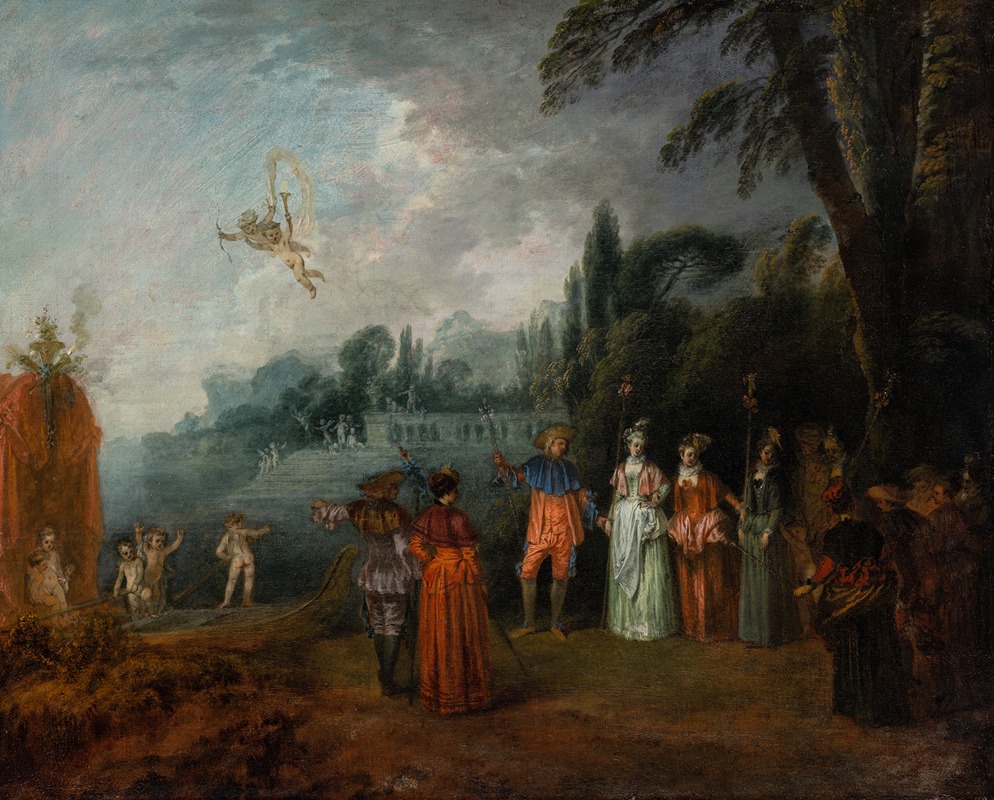
The Embarkation for Cythera
Jean-Antoine Watteau
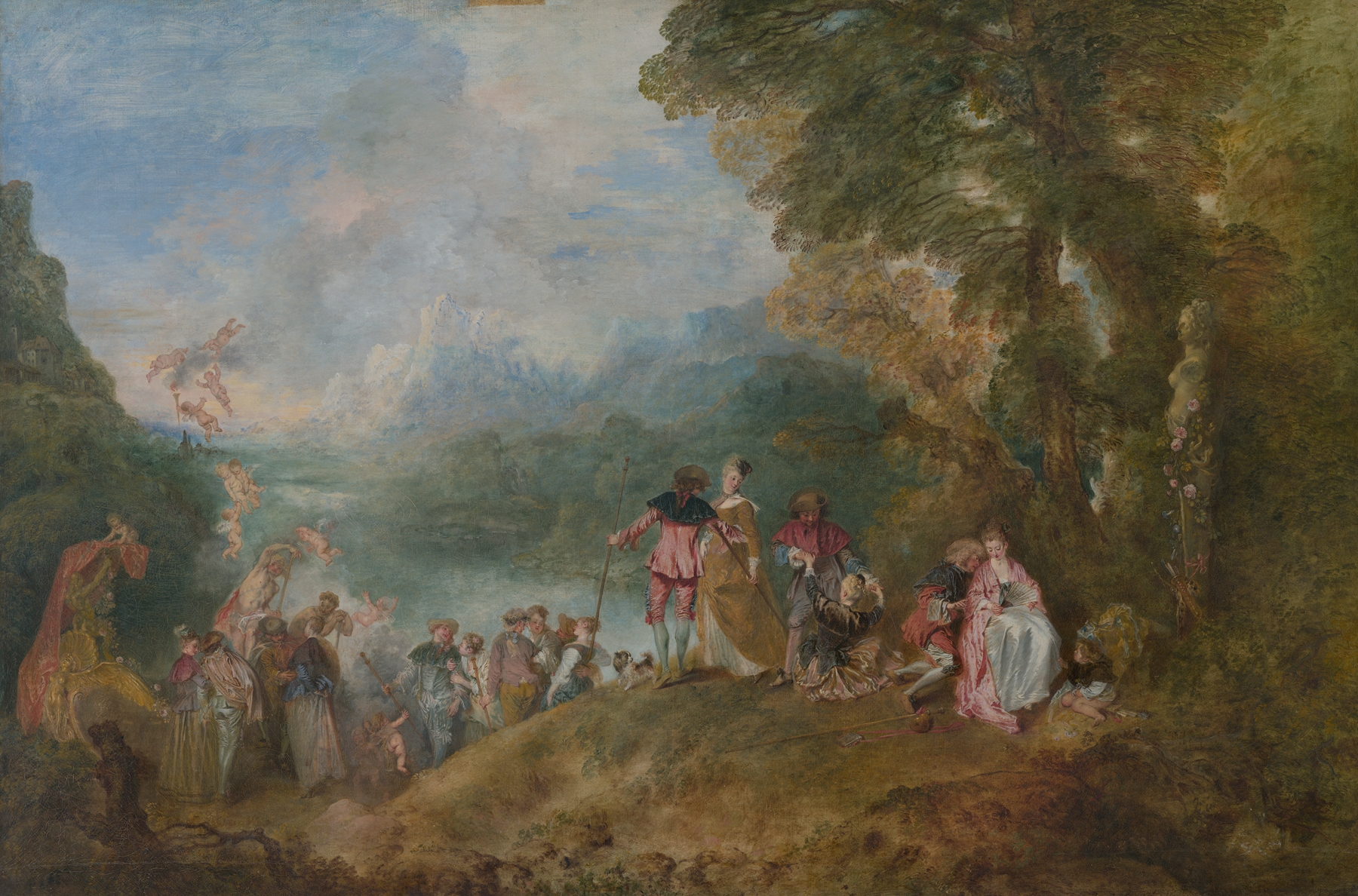
L’Embarquement pour Cythere
Jean-Antoine Watteau
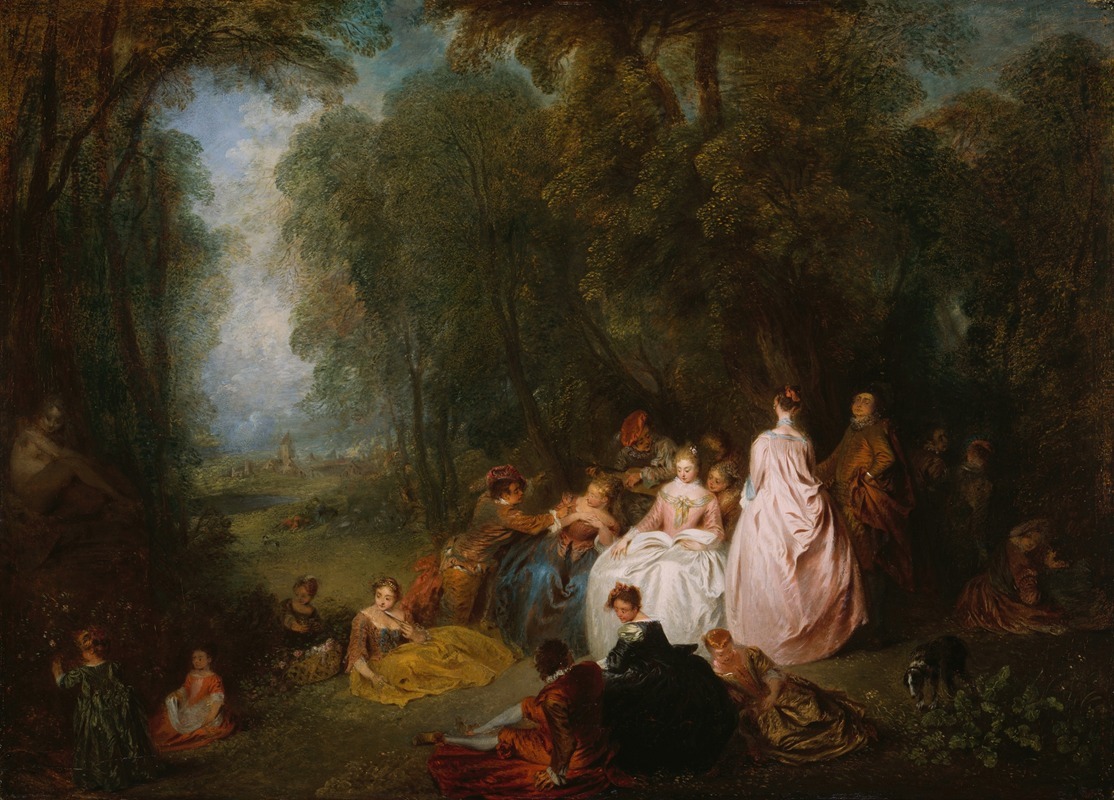
Fête champêtre (Pastoral Gathering)
Jean-Antoine Watteau

The Clothes are Italian
Jean-Antoine Watteau
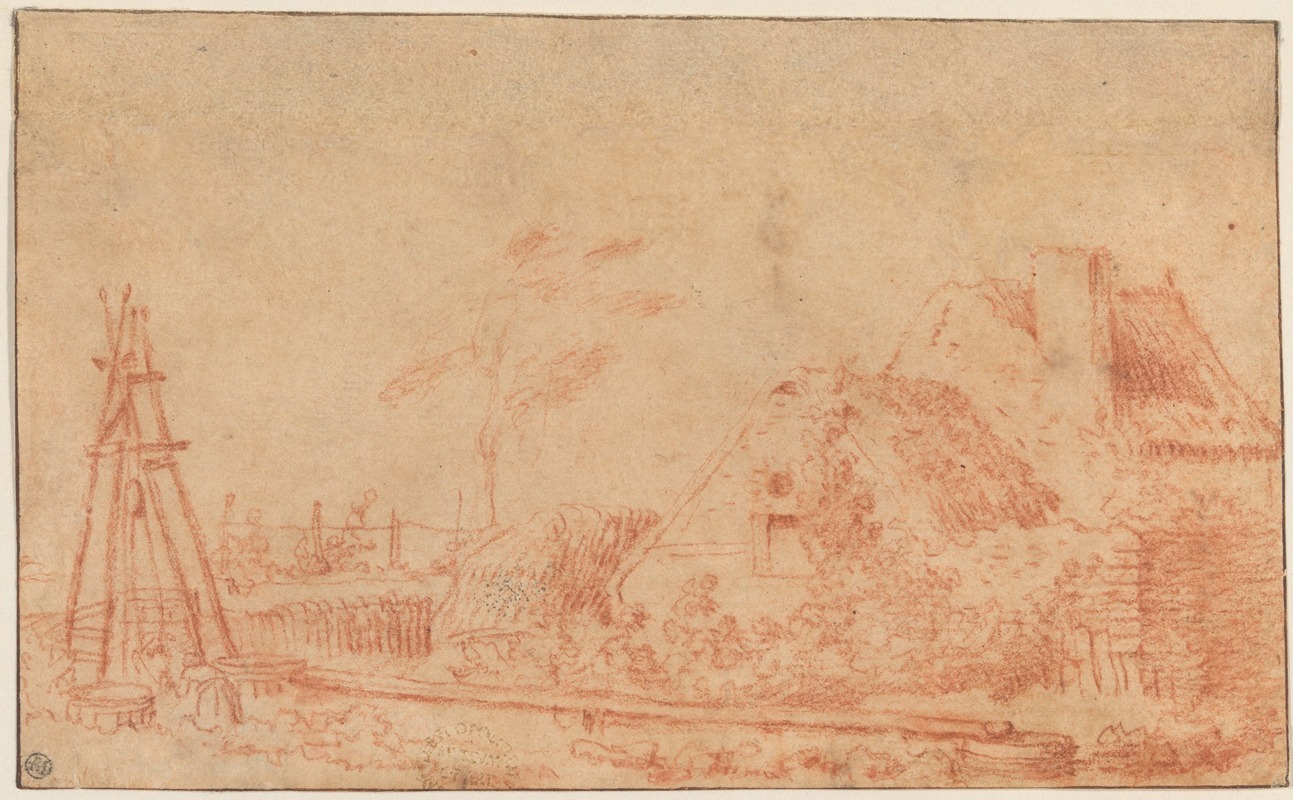
Landscape with a Cottage and Well
Jean-Antoine Watteau
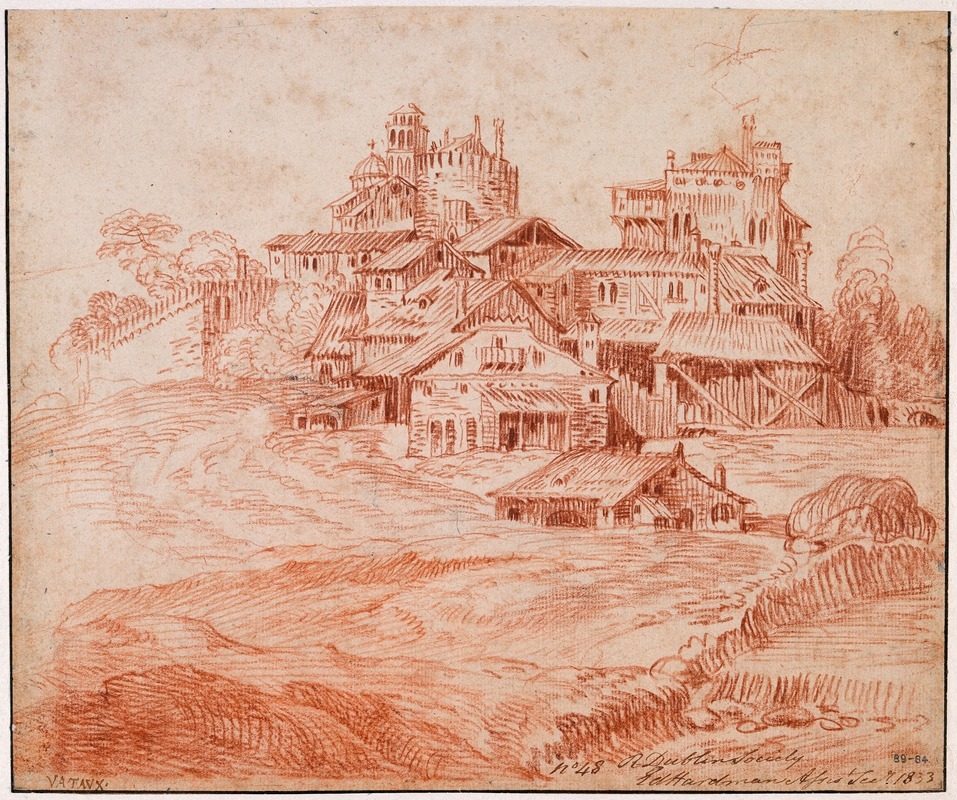
Fortified Village with a Castle, Keep and a Church
Jean-Antoine Watteau

Gentilhomme debout tenant avec sa canne
Jean-Antoine Watteau

Fêtes Venitiennes
Jean-Antoine Watteau

Standing Girl; barefoot, lifting her skirt
Jean-Antoine Watteau
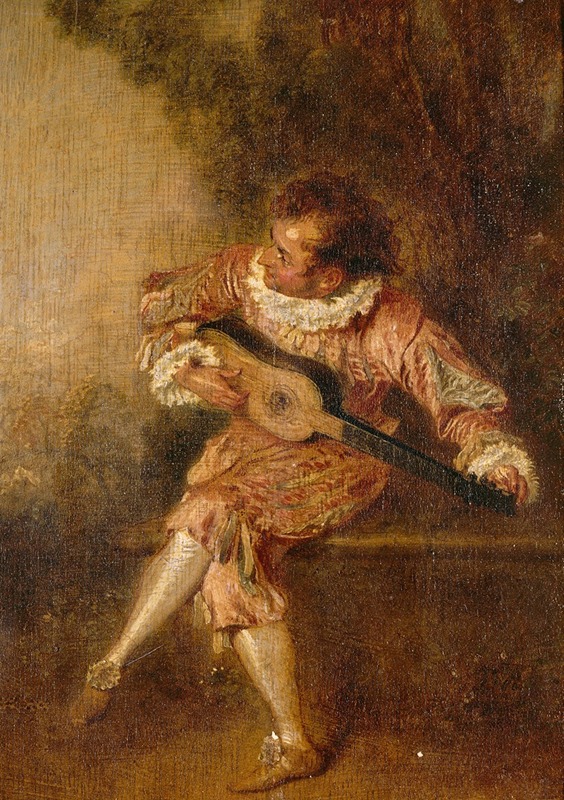
Le donneur de sérénades (Mezetin)
Jean-Antoine Watteau
More Allegory Art
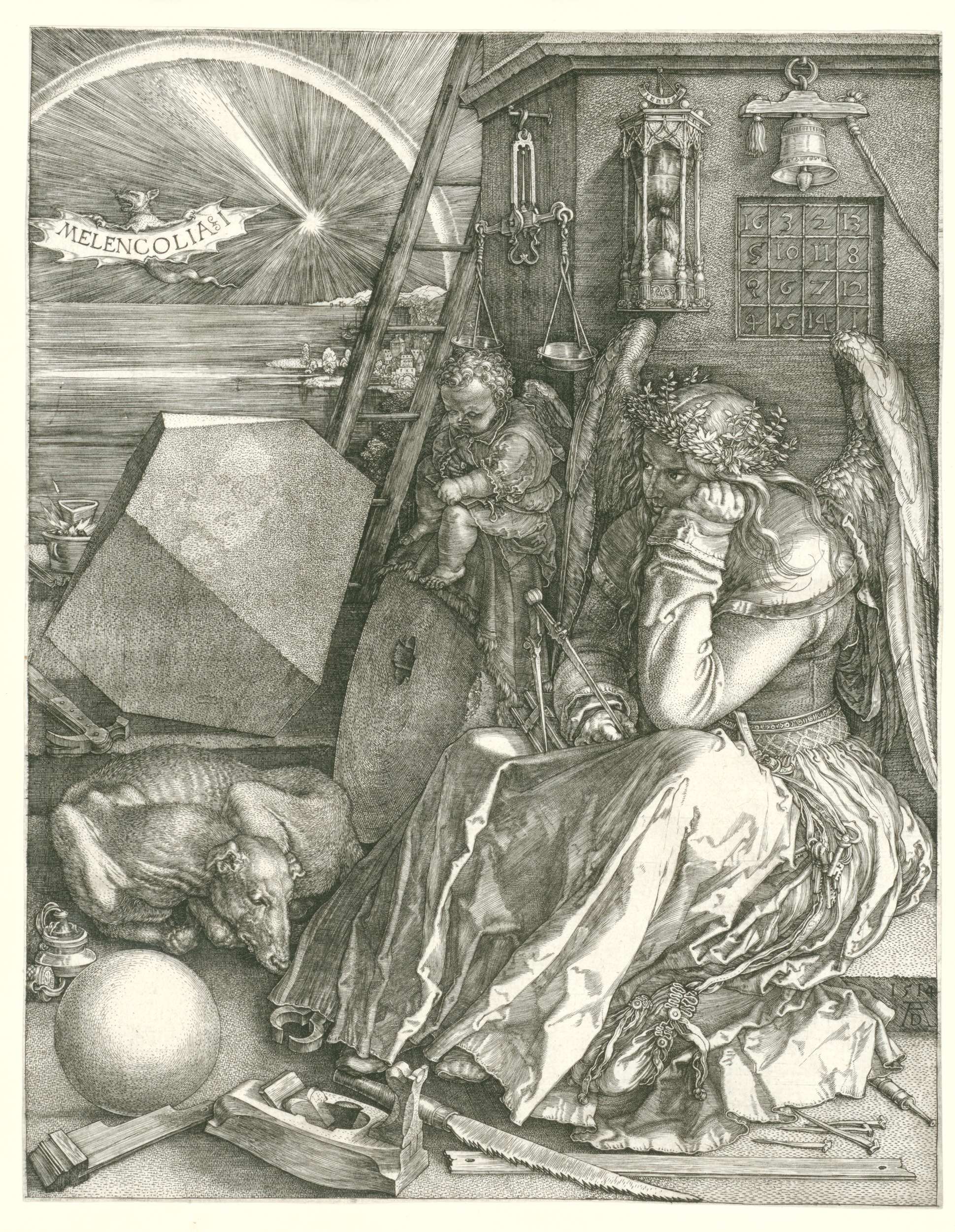
Melancholia
Albrecht Dürer
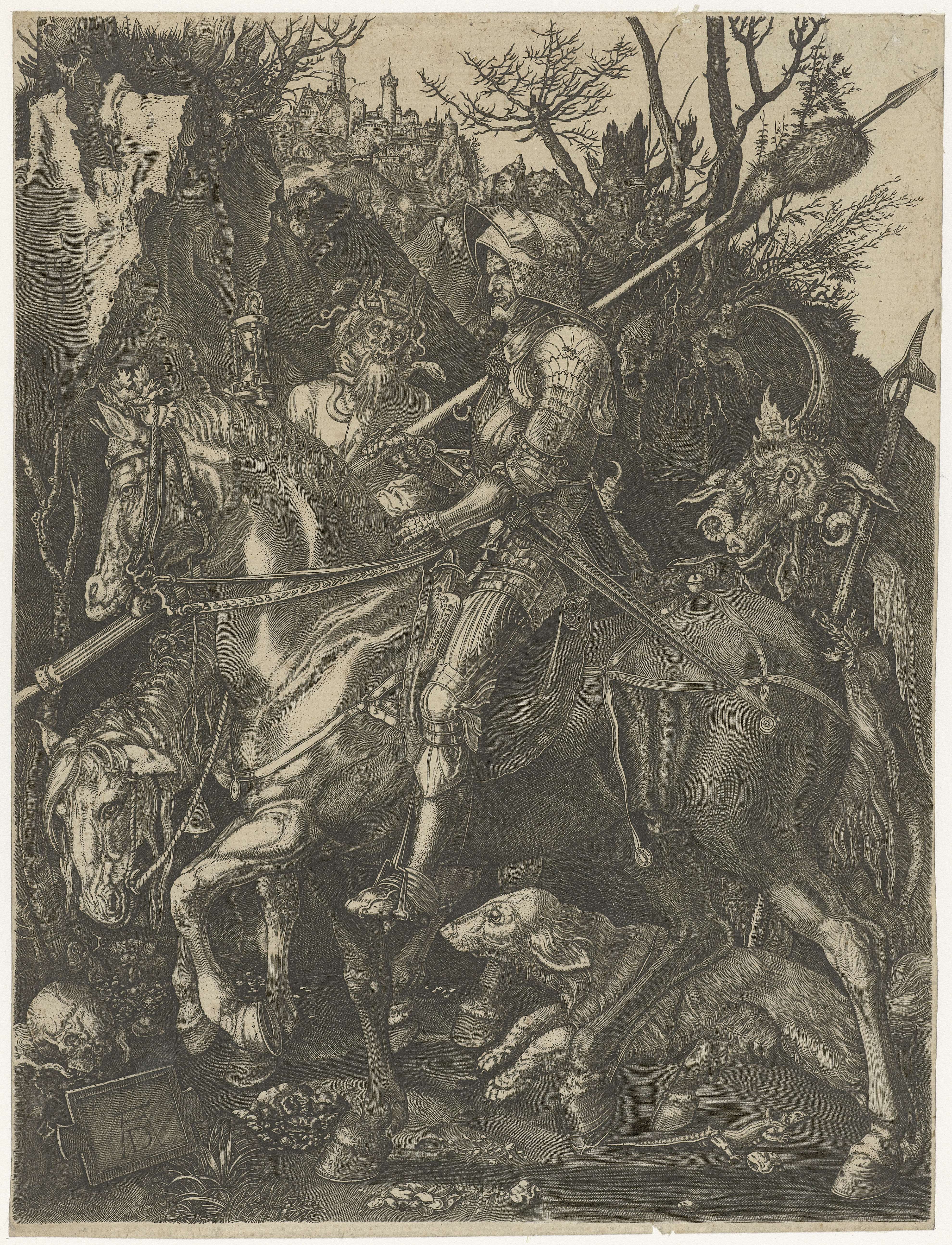
Ridder, Dood en Duivel
Unknown Artist
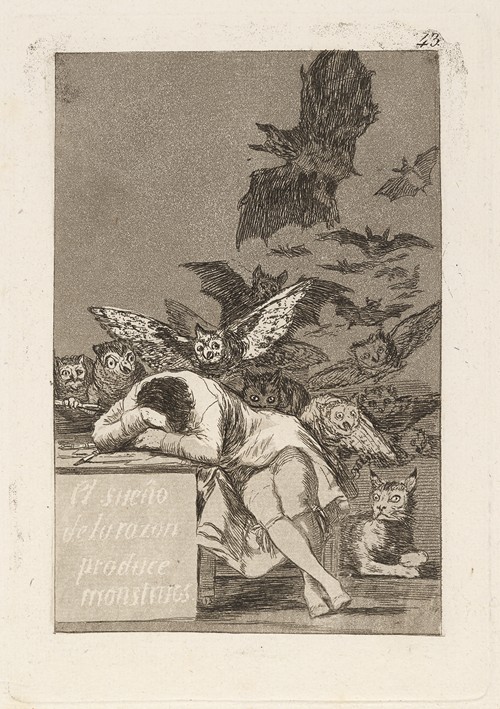
El sueño de la razon produce monstruos. (The sleep of reason produces monsters.)
Francisco de Goya
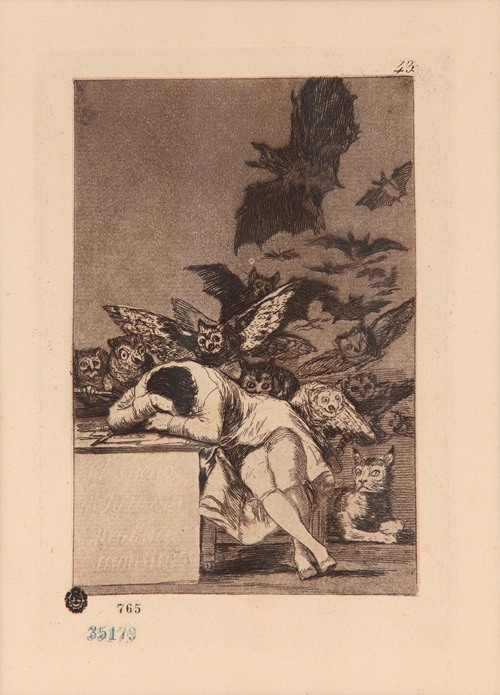
El sueño de la razon produce moustruos (Serie Caprichos)
Francisco de Goya
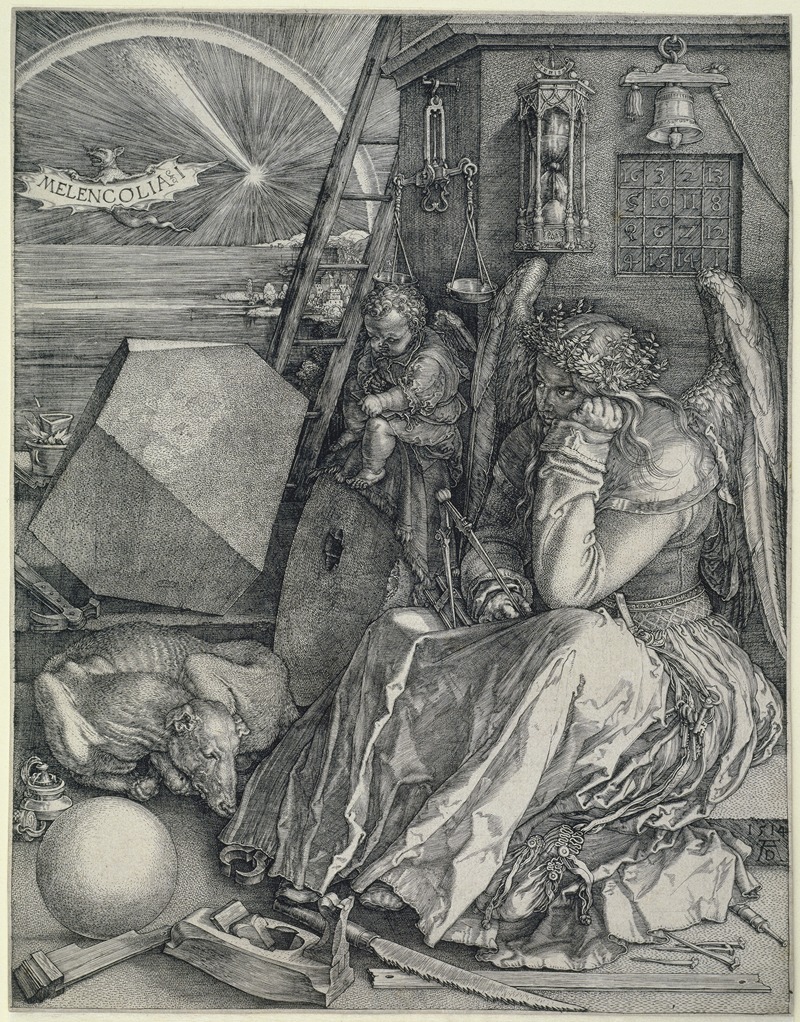
Melencolia I (The Melancholy)
Albrecht Dürer
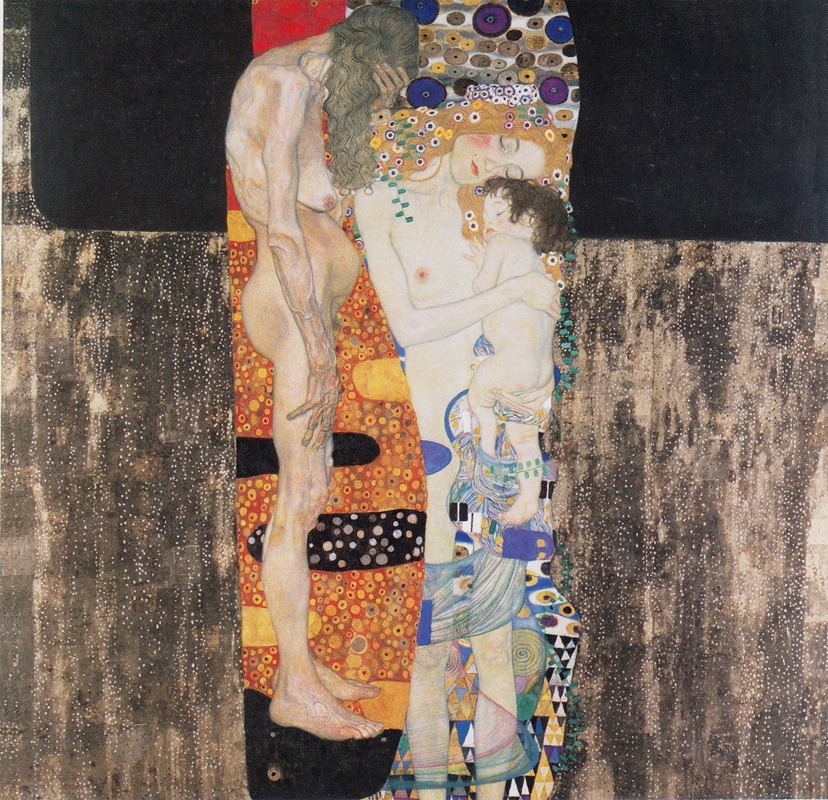
The Three Ages of the Woman
Gustav Klimt