
Plough-Land in Spring — History & Facts
Is this a mirror — or a memory? In Jan Stanisławski's Plough-Land in Spring, the landscape pulsates with the promise of renewal, evoking the delicate transformation between winter's slumber and spring's awakening. Look to the foreground, where rich, earthy browns intertwine with tender greens, guiding your gaze toward the horizon. The meticulously painted furrows of freshly ploughed soil reflect the artist's deep understanding of texture and form, while soft washes of spring hues breathe life into the canvas. Light dances across the surface, illuminating patches of vibrant grass that emerge from the rich earth, inviting the viewer to experience the dynamic interplay of shadow and illumination. The painting embodies contrasts: the stillness of the land versus the vibrant energy of growth.
Each furrow represents labor and care, hinting at the passage of time and the cyclical nature of life. The gentle sky above, brushed with pastel blues and whites, suggests an emotional depth that speaks of hope and anticipation, weaving a narrative that resonates with both personal and collective experiences of change. In 1903, Stanisławski was deeply engaged with the landscape of his native Poland, capturing both its physical beauty and emotional resonance. During this period, Poland was poised on the brink of modernization, and the artist's work reflected a yearning for connection with the land amidst rapid change.
As an influential figure within the Young Poland movement, he sought to blend impressionistic techniques with local themes, firmly establishing his voice in the evolving world of art.
More Artworks by Jan Stanisławski
Browse all →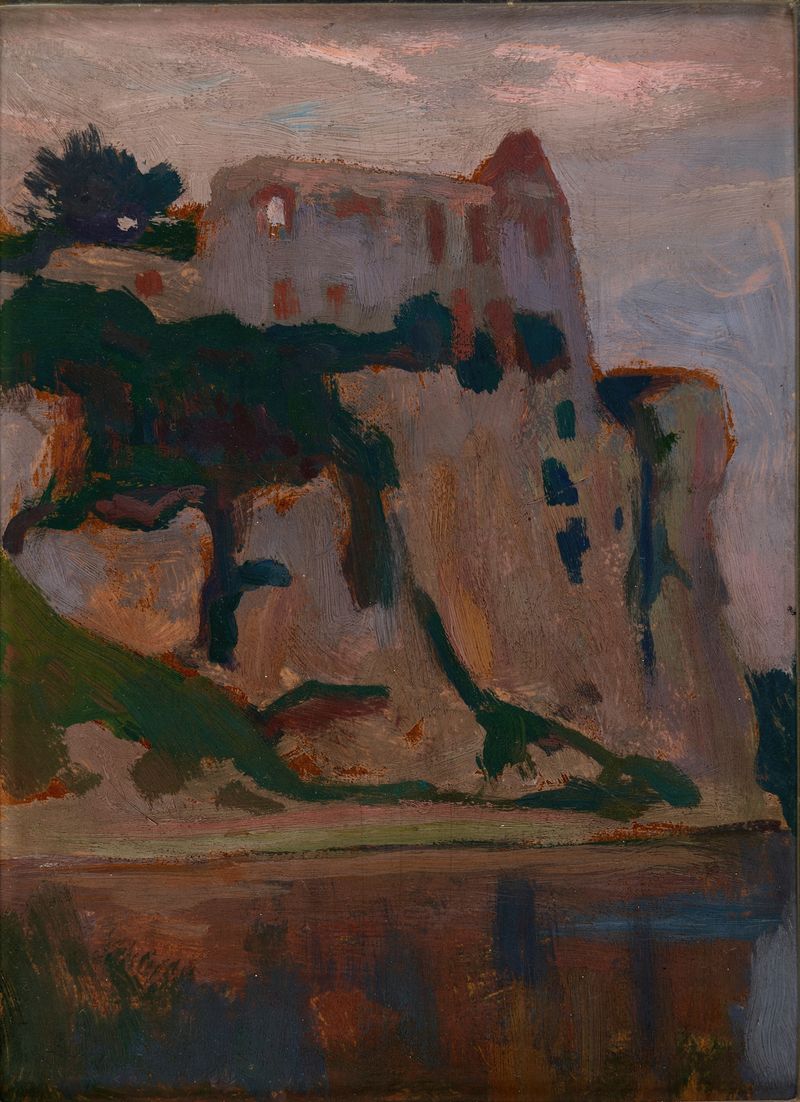
Tyniec at Dawn
Jan Stanisławski
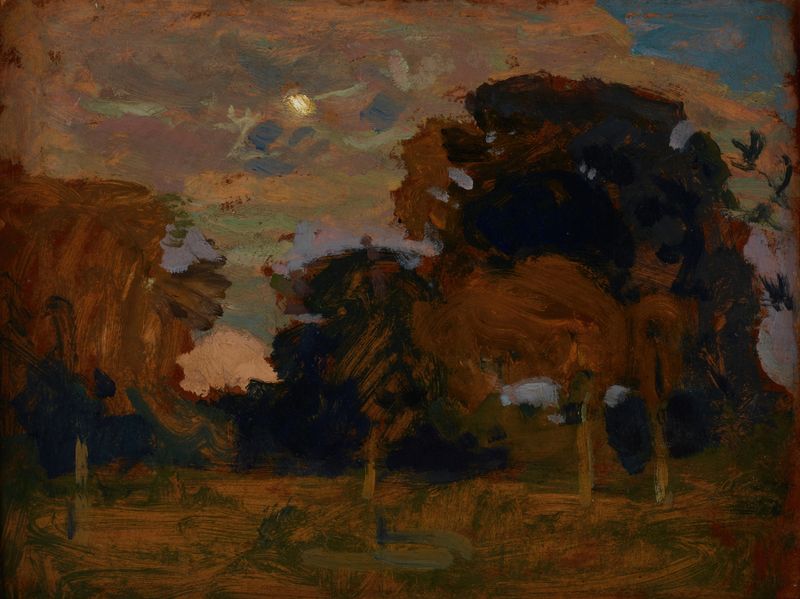
Moon in the Clouds
Jan Stanisławski
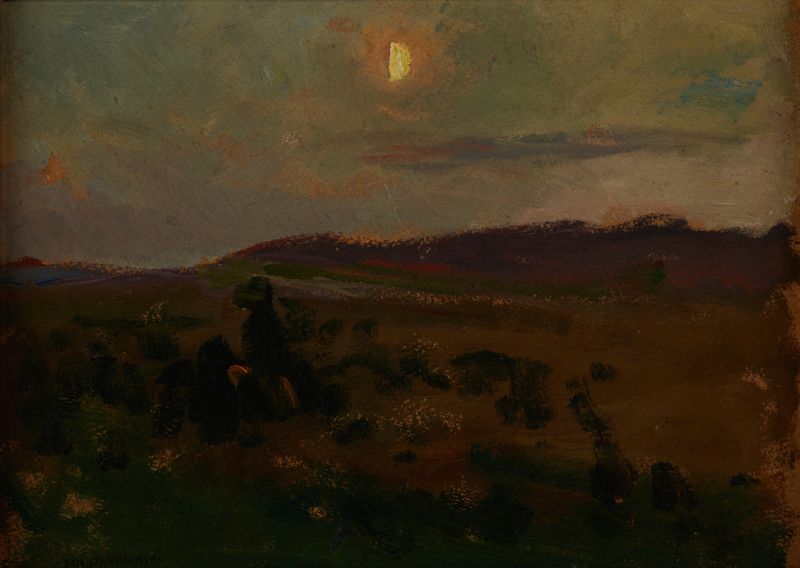
Moonrise
Jan Stanisławski
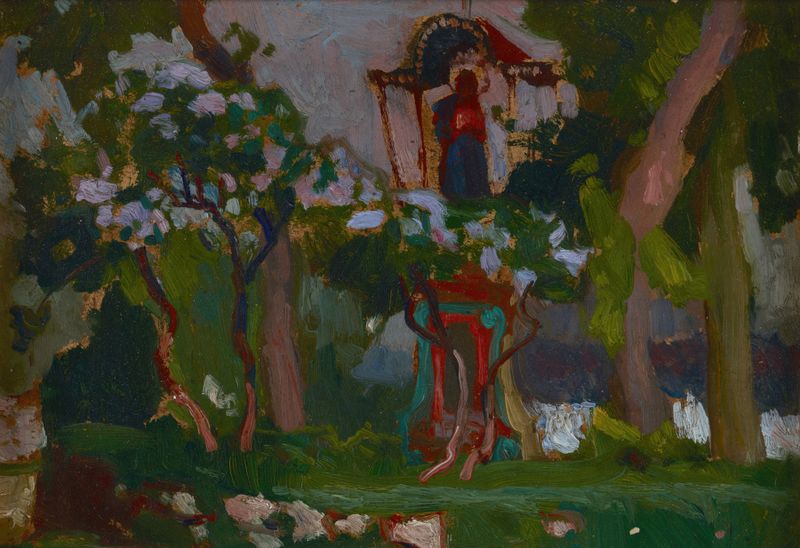
May
Jan Stanisławski
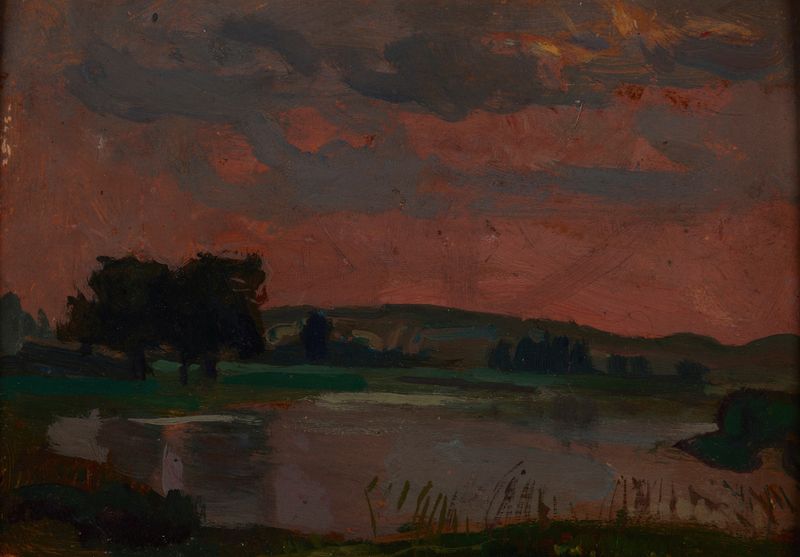
The Vistula in the Twilight
Jan Stanisławski
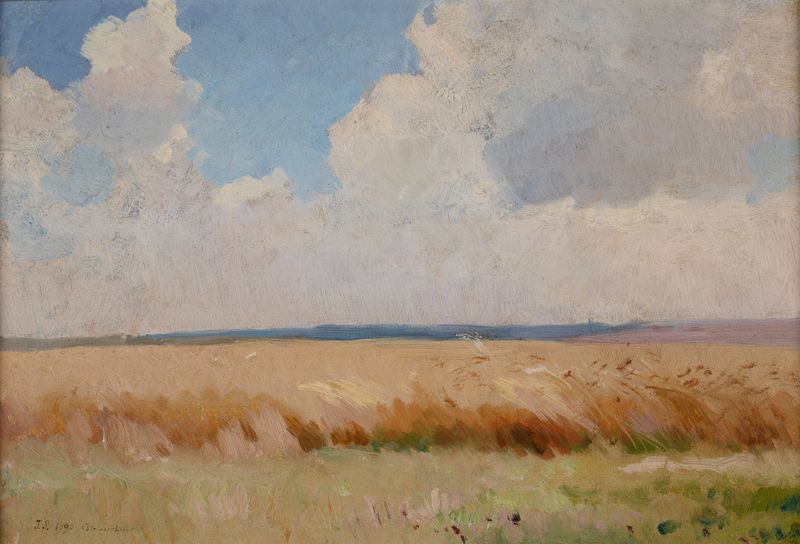
Field at Białocerkiew (Bila Tserkva)
Jan Stanisławski
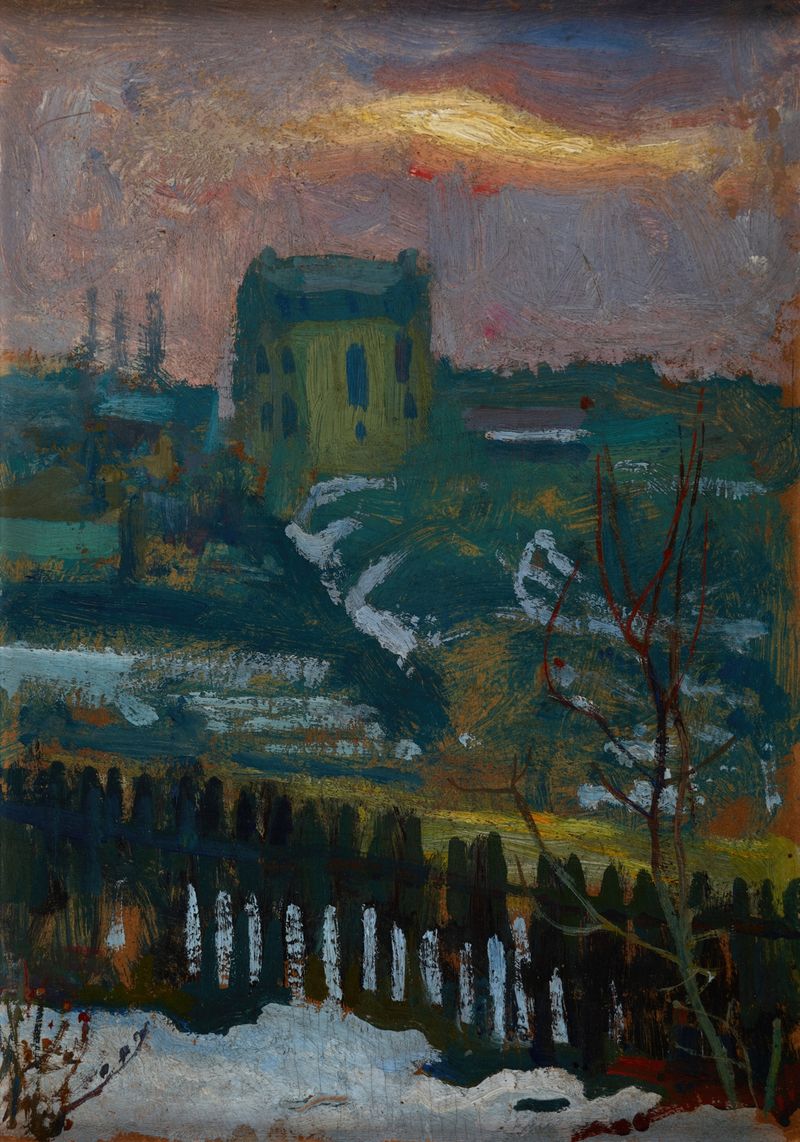
House in Winter
Jan Stanisławski
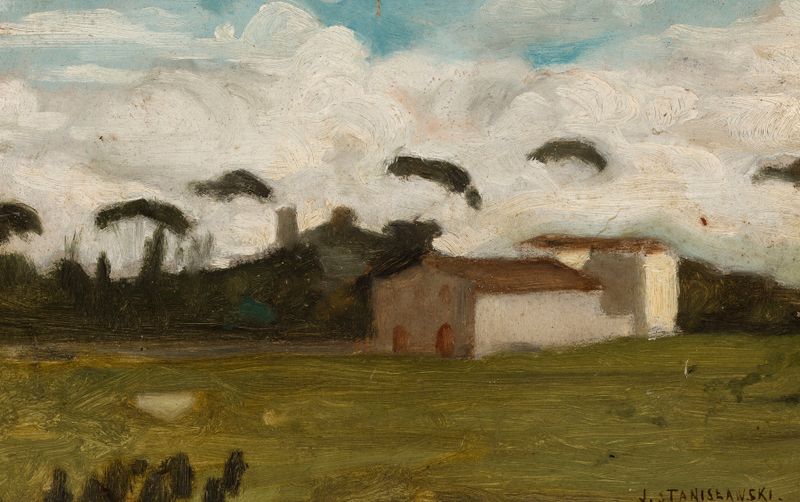
Landscape
Jan Stanisławski
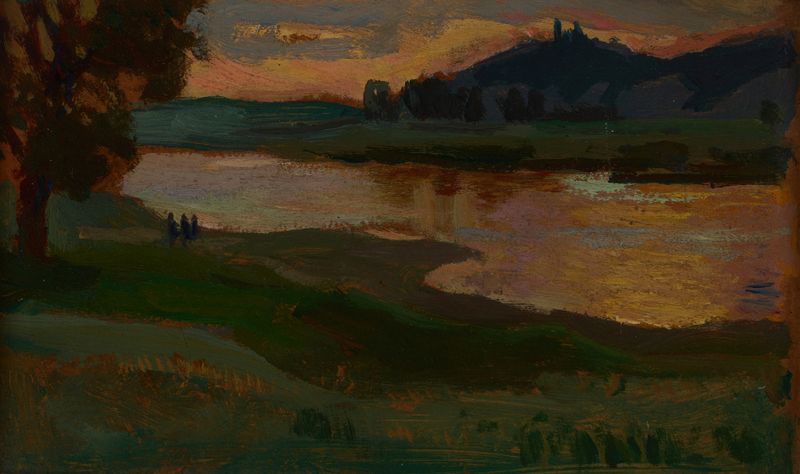
Bielany at Dusk
Jan Stanisławski
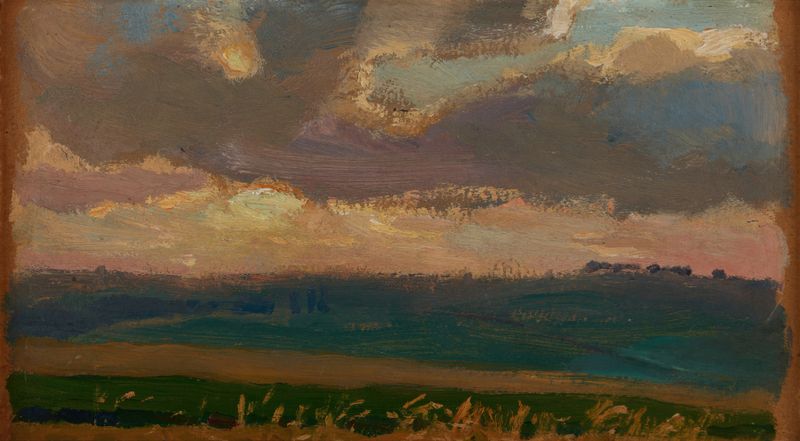
Fields at Proszowice
Jan Stanisławski





