
Ploughing Scene in Suffolk — History & Facts
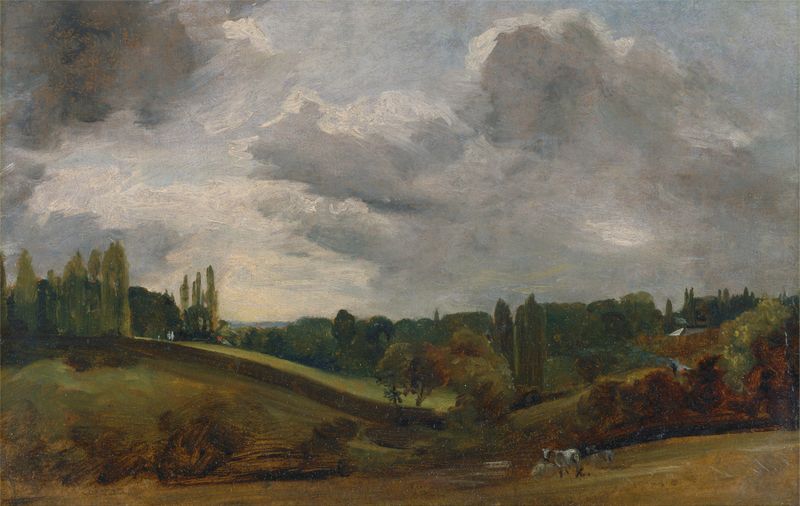
Where does light end, and longing begin? In the heart of Ploughing Scene in Suffolk, the landscape breathes, echoing the labor and transformation of nature itself. Focus on the sweeping fields that stretch across the canvas, their rich greens and browns intermingling, each stroke of paint revealing the artist's mastery over texture and depth. Notice how the light cascades down from an unseen sun, illuminating the ploughman as he guides his horses through the fertile earth. The contrast between the vibrant field and the dark, laboring figures evokes a feeling of harmony and struggle, as if they are locked in a silent dialogue. Delve deeper into the composition, where every element serves a dual purpose—the soil beneath the plough is alive with potential, yet it reminds us of the toil required for growth.
The rolling clouds above hint at the fleeting nature of seasons and time, suggesting a cycle of life that echoes the human experience. The ploughman’s steady posture contrasts the dynamic energy of the horses, embodying the tension between man and nature, labor and repose. In the years 1824-1825, while creating this piece, Constable was deeply engaged with the rural landscapes of Suffolk, reflecting personal nostalgia and commitment to capturing his homeland's beauty. This was a time of great change, both in his own life and in the broader artistic landscape, as he sought to elevate landscape painting to a revered status.
His connection to the land and the transformative power of light resonated powerfully in a world on the brink of industrialization.
More Artworks by John Constable
Browse all →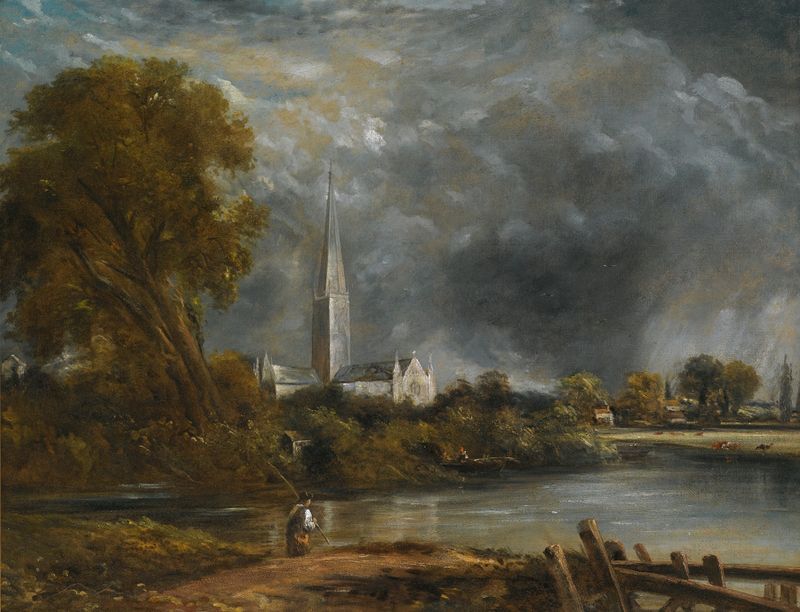
Salisbury Cathedral From The Meadows
John Constable
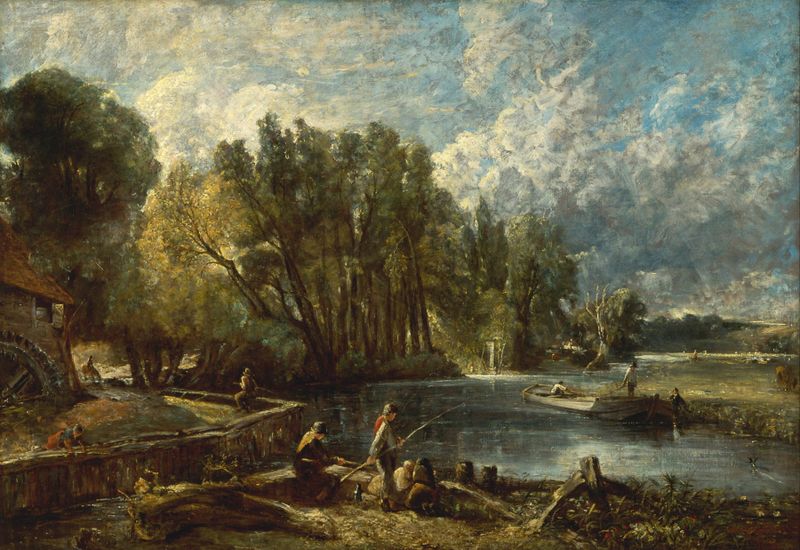
Stratford Mill
John Constable
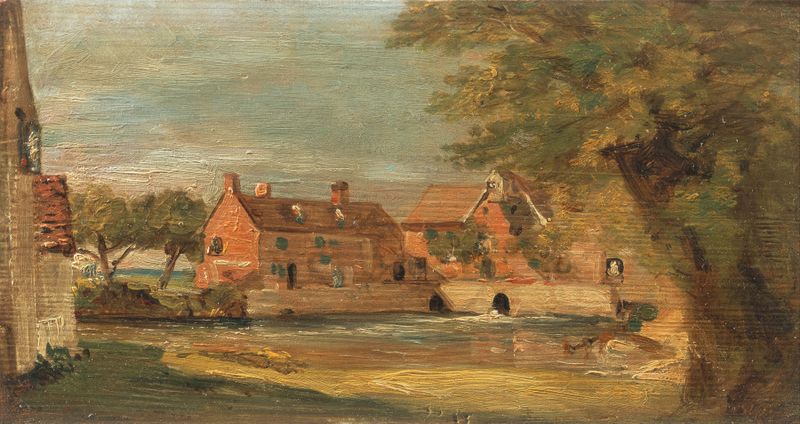
Flatford Mill
John Constable
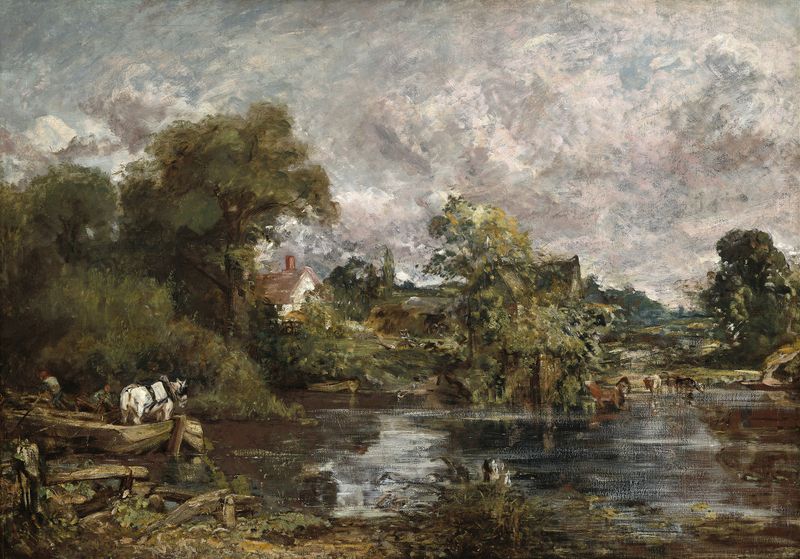
The White Horse
John Constable
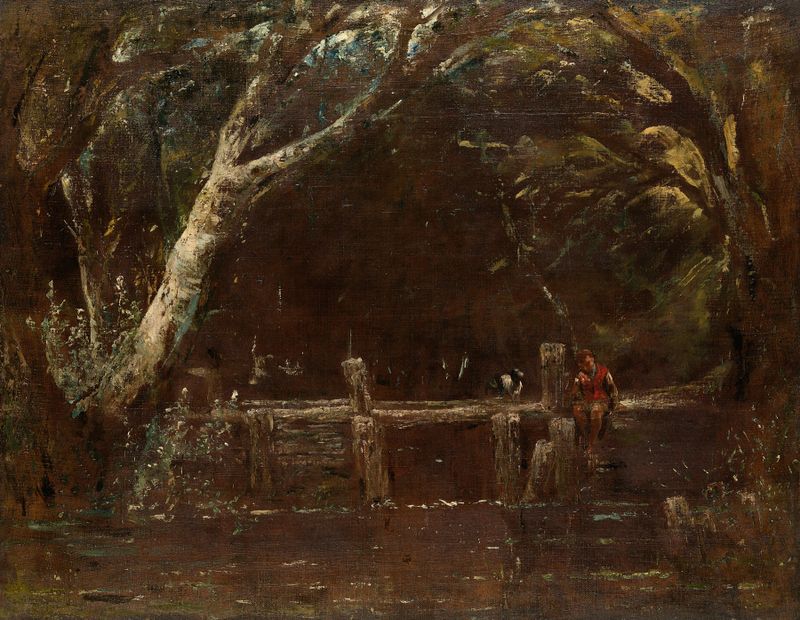
Landscape (The Lock)
John Constable
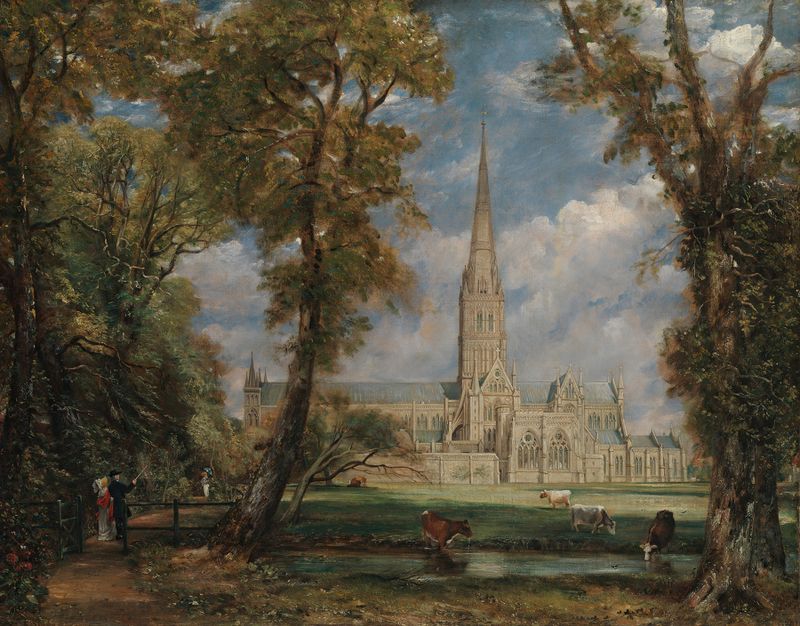
Salisbury Cathedral from the Bishop’s Grounds
John Constable
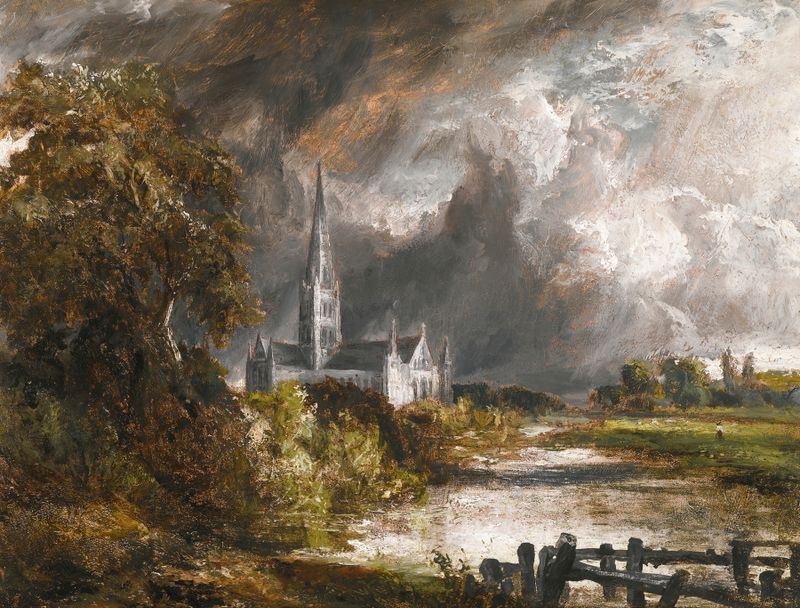
Salisbury Cathedral From The Meadows
John Constable
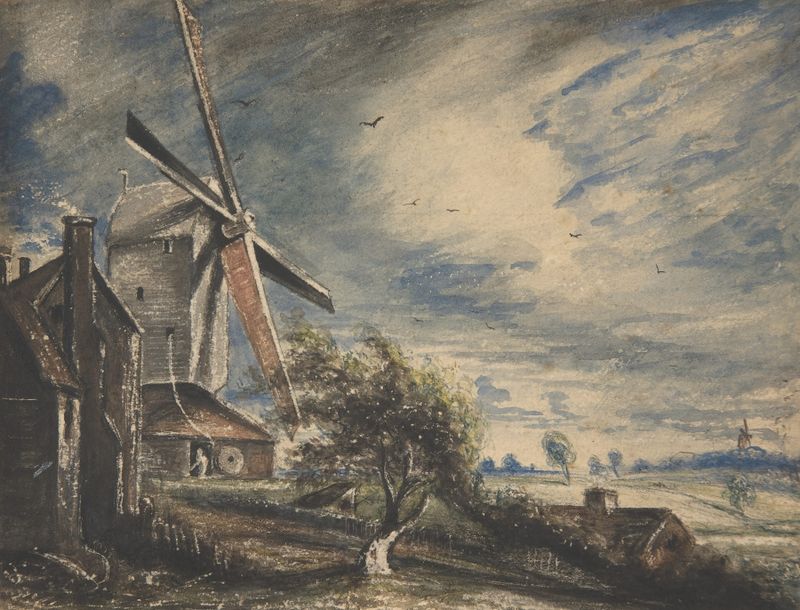
A Mill Near Colchester
John Constable
East Bergholt
John Constable

Flatford Mill
John Constable





