
Ploughing The Fields, Crimea — History & Facts
The weight of movement hangs in the air, rendered in a moment where labor becomes poetry, and stillness breathes life into the toil of the earth. Focus on the lower third of the canvas, where figures bend over the soil, their bodies engaged in the rhythmic dance of ploughing. Notice the delicate interplay of browns and greens that envelops the scene, suggesting both the richness of the land and the effort required to coax sustenance from it. The sky above, brushed with soft blues and hints of dawn, envelops the workers, illuminating their toil with a benevolent gaze. Amidst the physical labor, a profound emotional tension emerges.
The juxtaposition of man against the vast landscape speaks to the struggle for survival, a battle against nature's indifference. The movement of the plough cuts through the earth, symbolizing both destruction and creation — a cycle of life that transcends the moment captured. Look closely, and you may find the quiet determination in their postures, revealing a shared resilience woven into the fabric of their work. In 1865, while Aivazovsky was celebrated for his mastery of seascapes, he ventured into depicting the land, reflecting the socio-political landscape of his time.
Having already established himself in the art world, he sought to explore the heart of rural life in Crimea, a region marked by its own history of conflict and beauty. The convergence of personal expression and collective experience defines this piece, encapsulating a moment where every movement signifies a deeper connection to the earth.
More Artworks by Ivan Konstantinovich Aivazovsky
Browse all →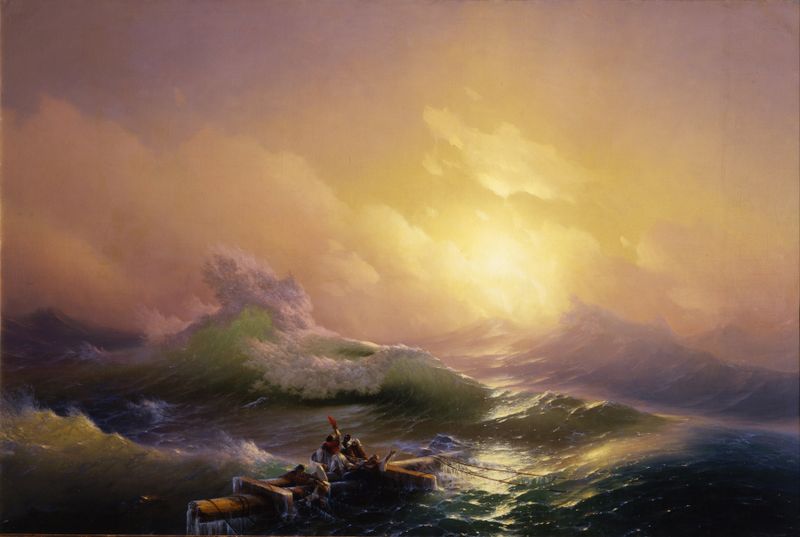
The Ninth Wave
Ivan Konstantinovich Aivazovsky
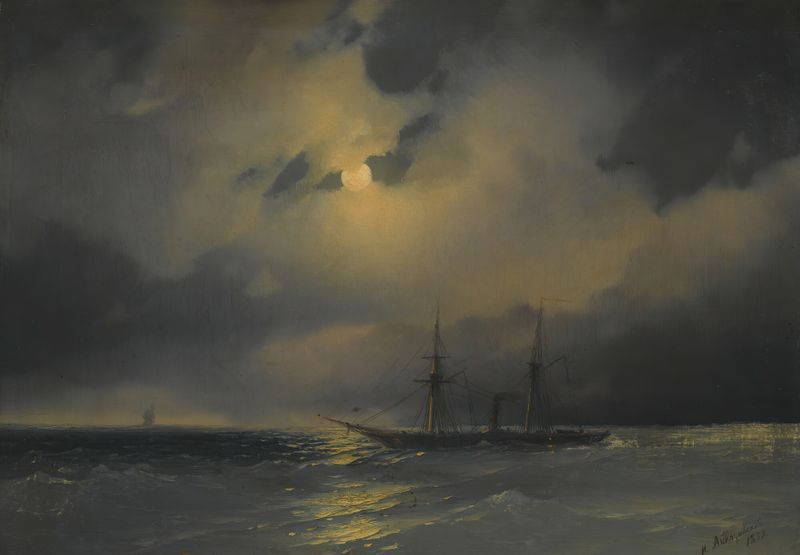
Shipping In Moonlight
Ivan Konstantinovich Aivazovsky
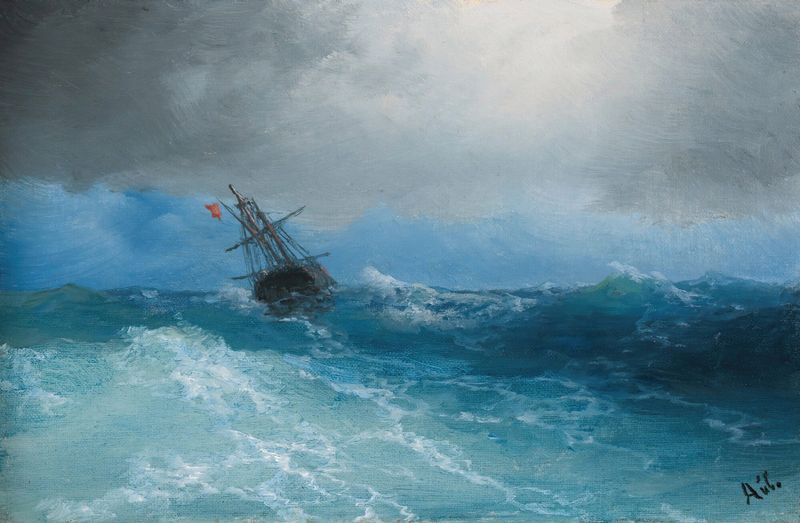
Gathering Storm
Ivan Konstantinovich Aivazovsky
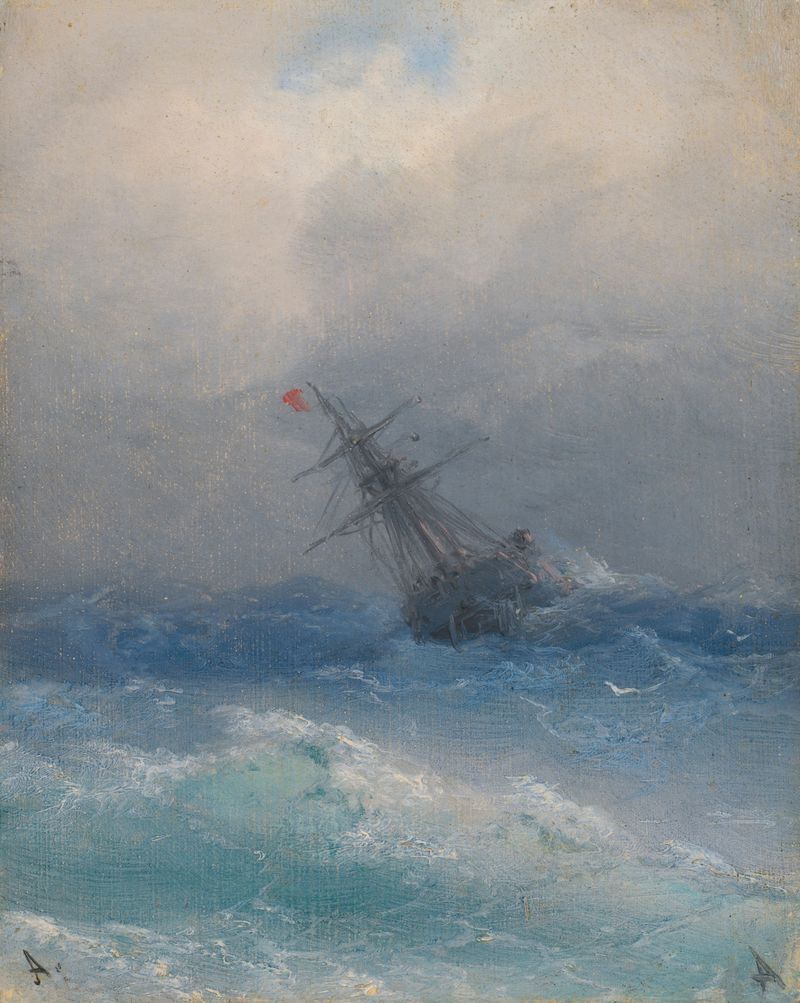
Shipwreck
Ivan Konstantinovich Aivazovsky
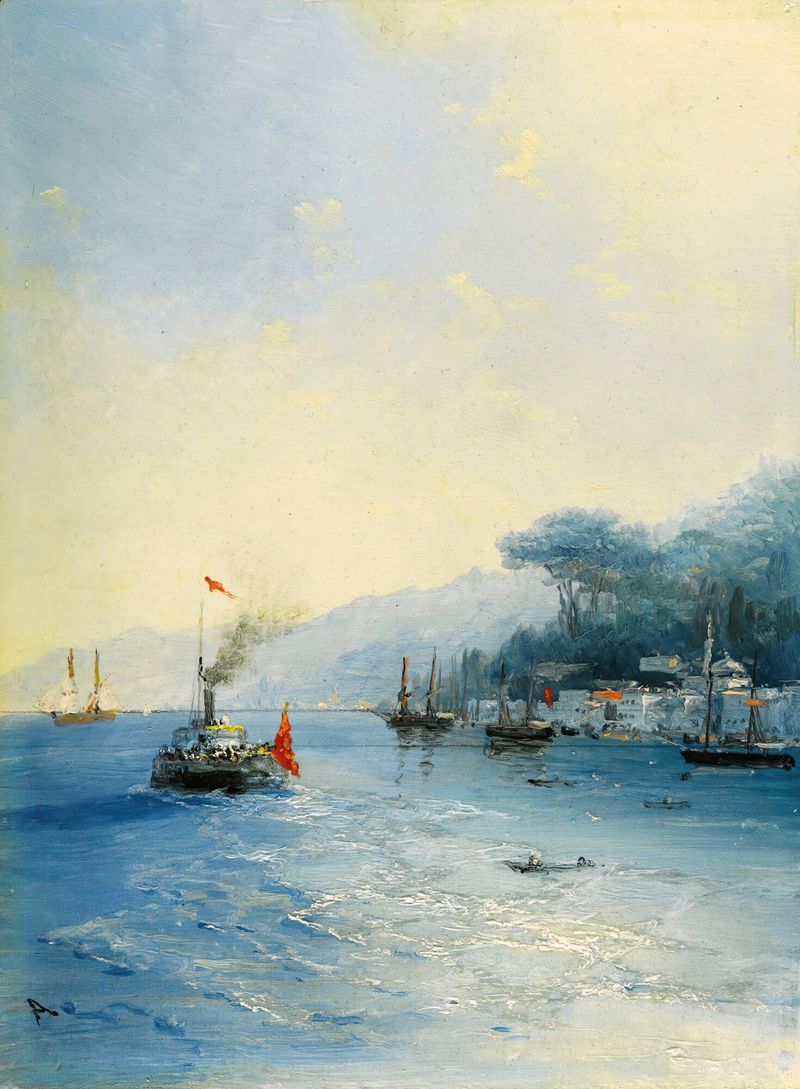
Shipping On The Bosphorus, Constantinople
Ivan Konstantinovich Aivazovsky
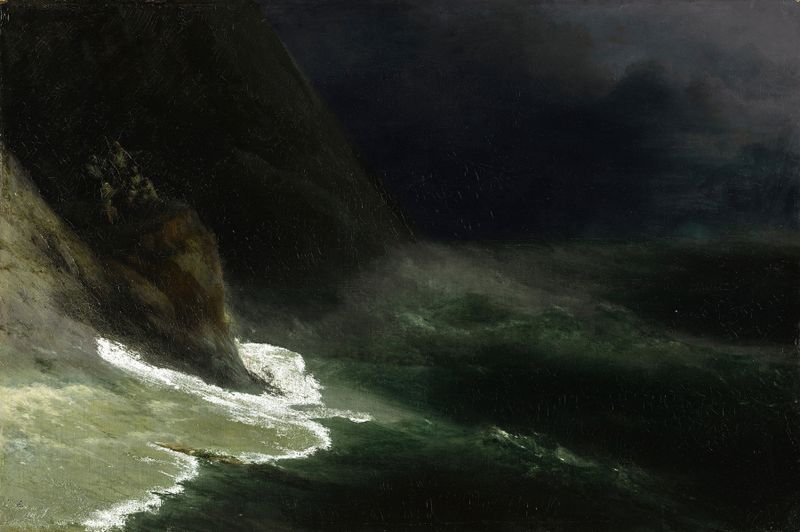
Seascape
Ivan Konstantinovich Aivazovsky
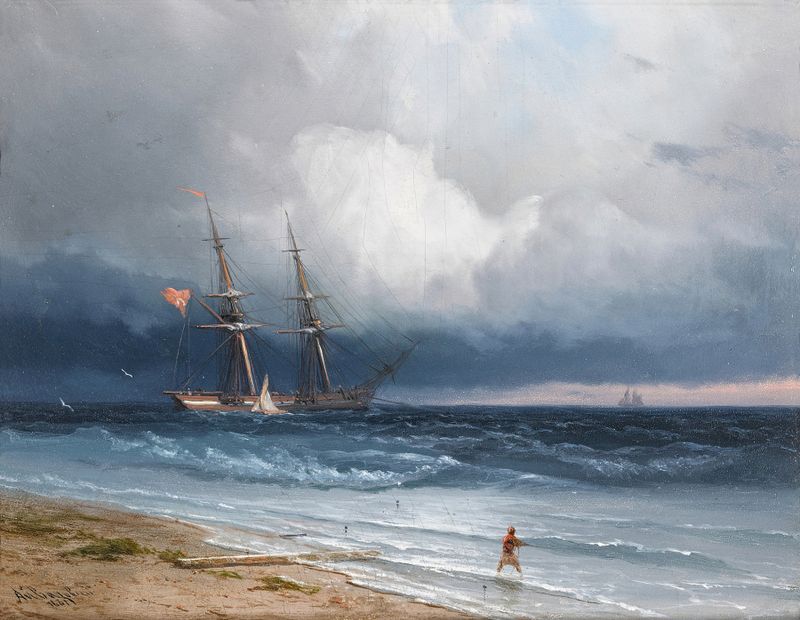
Ship by the Shore
Ivan Konstantinovich Aivazovsky
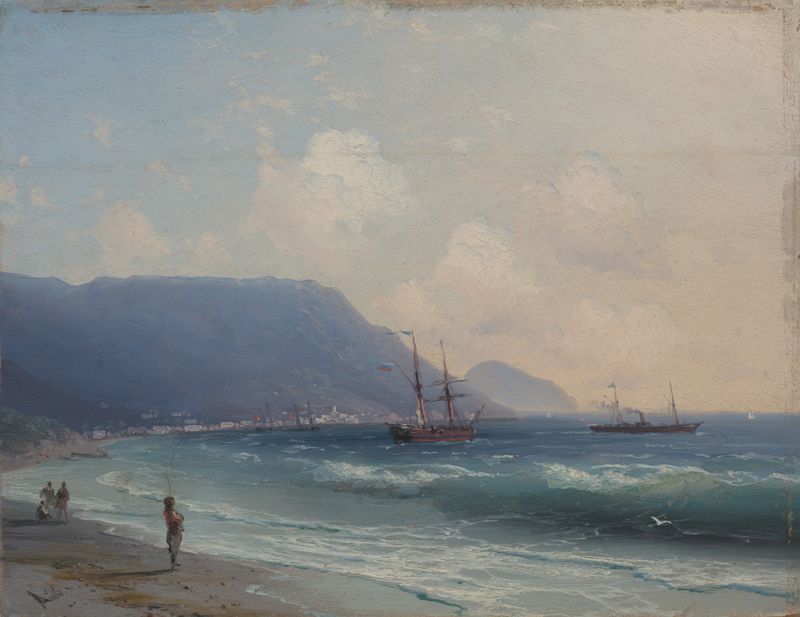
Seascape
Ivan Konstantinovich Aivazovsky
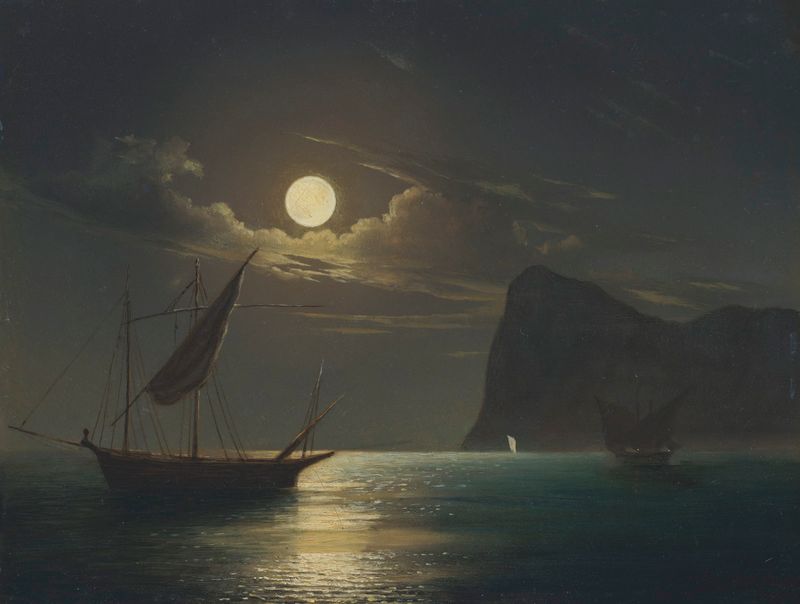
Moonlight
Ivan Konstantinovich Aivazovsky
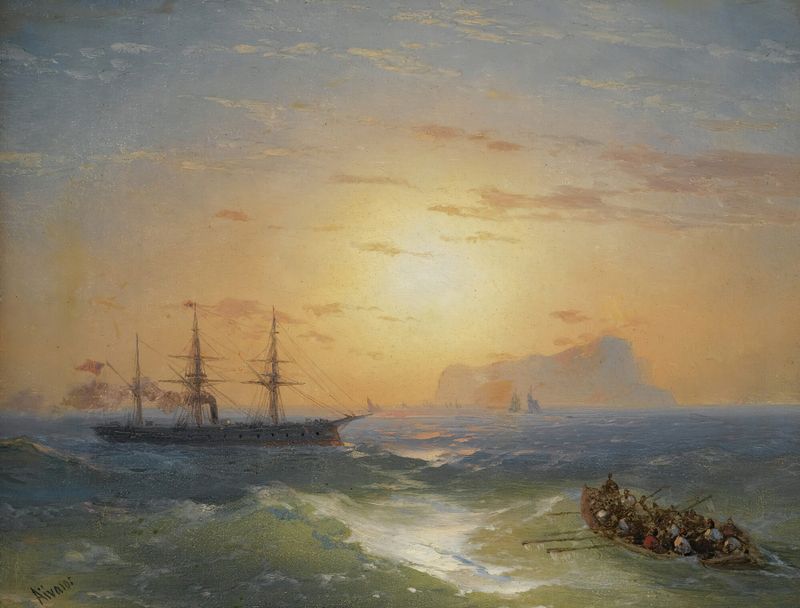
Shipping Off Ischia
Ivan Konstantinovich Aivazovsky





