
Po polowaniu na niedźwiedzie w Nieświeżu — History & Facts
Who listens when art speaks of silence? The weight of desire hangs in the air, palpable yet unattainable, as each brushstroke invites contemplation of what is lost and what remains. Look to the center of the canvas, where the muted hues of the forest converge with the haunting stillness of the scene. The figure of a hunter stands resolute, his presence both commanding and filled with melancholy. Notice how the shadows play upon his face, revealing a mixture of triumph and sorrow, as light filters through the trees, suggesting the delicate balance between nature's beauty and the violence that intrudes upon it.
The rustic palette evokes a sense of nostalgia, while the composition draws the eye to the hunter's intense gaze, reflecting a profound yearning for connection—both with the land and within himself. As you explore the edges of the painting, hidden stories begin to unfold. The lifeless bear at the hunter's feet symbolizes the culmination of desire, yet also the emptiness that follows such an achievement. The surrounding foliage, rendered in rich greens and browns, serves as a reminder of the natural world that remains untouched by human ambition.
This interplay of life and death, of fulfillment and loss, resonates deeply, inviting viewers to ponder the true cost of desire in the pursuit of mastery. In the years following 1886, the artist found himself in a period of self-reflection while painting in Nieśwież, Poland. The changing artistic landscape, with its move towards realism and the exploration of human emotion, influenced his work significantly. During this time, Falat sought to capture the essence of the natural world and its relationship to humanity, creating pieces that resonate with both personal and universal themes.
More Artworks by Julian Falat
Browse all →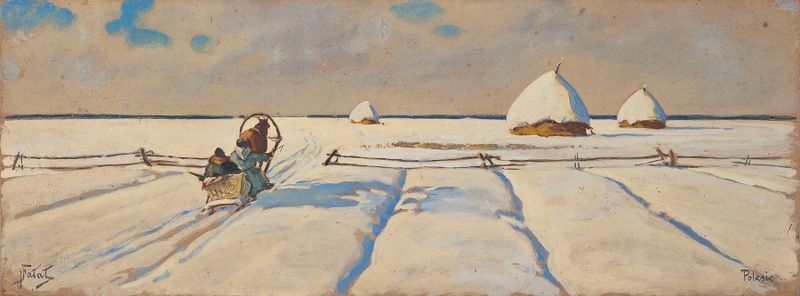
Sleigh in a snowy field – Polesia
Julian Falat
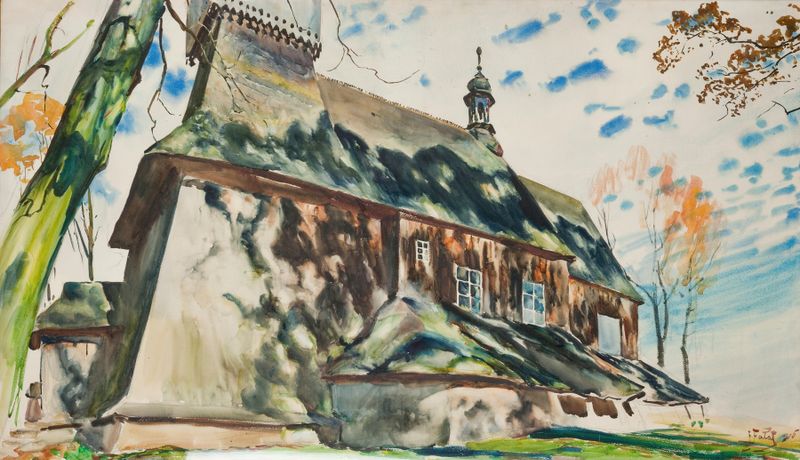
Church in Osiek
Julian Falat
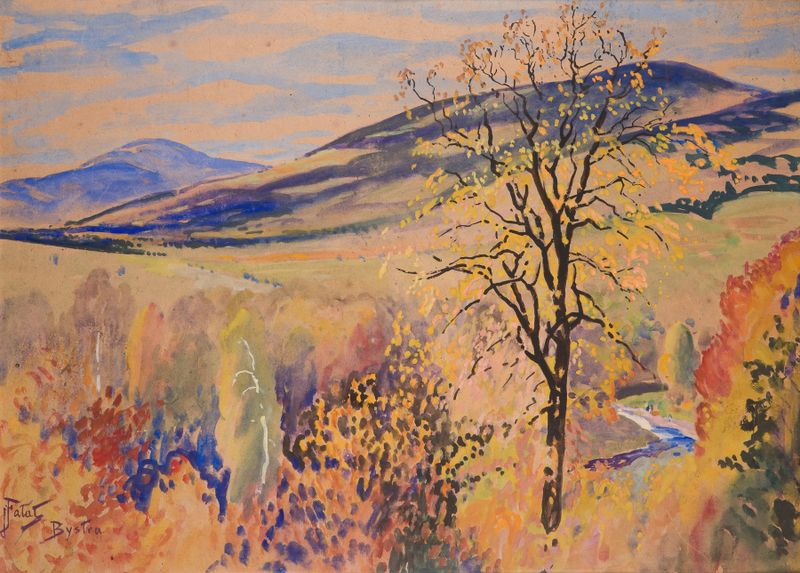
Pejzaż jesienny z Bystrej
Julian Falat
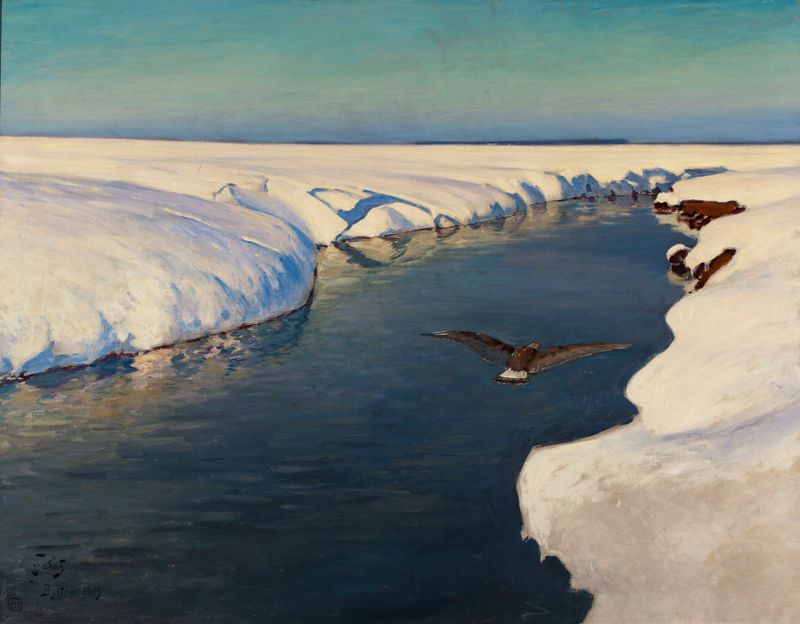
Winter landscape with a river and a bird
Julian Falat
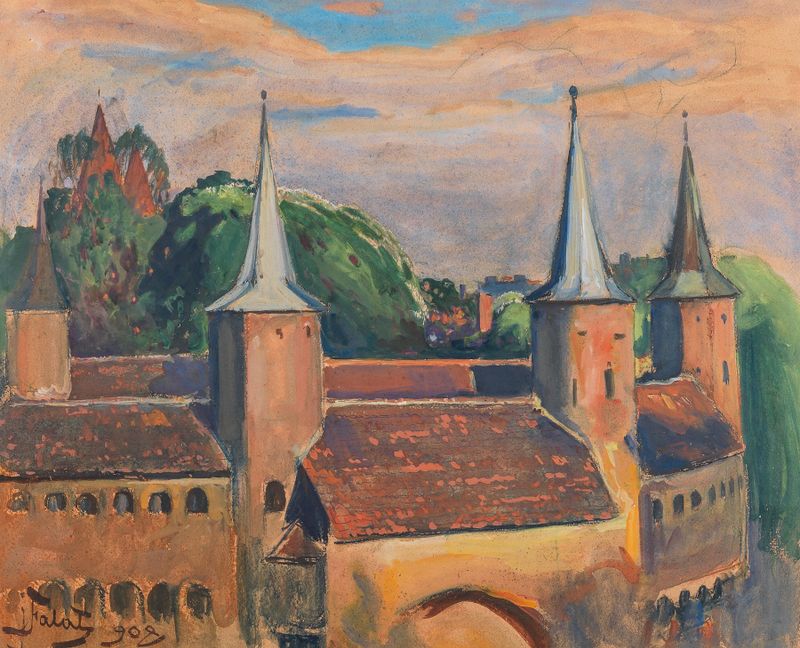
The Kraków Barbican
Julian Falat
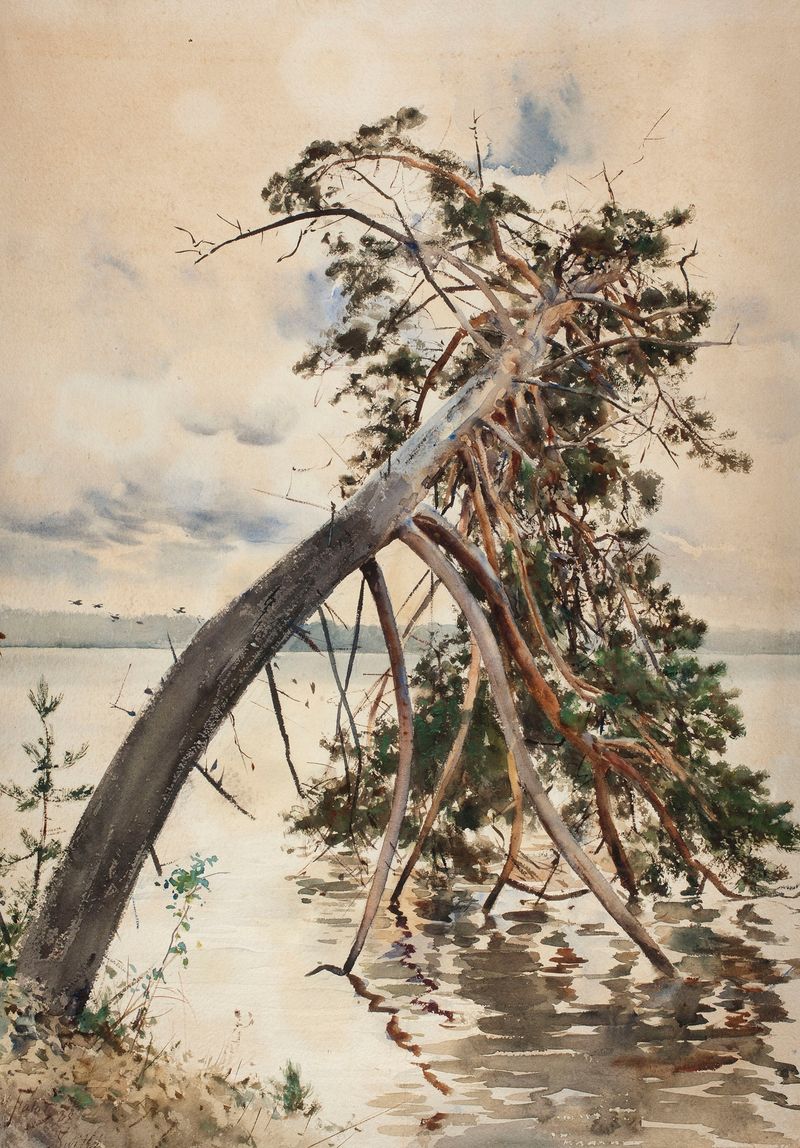
Świteź
Julian Falat
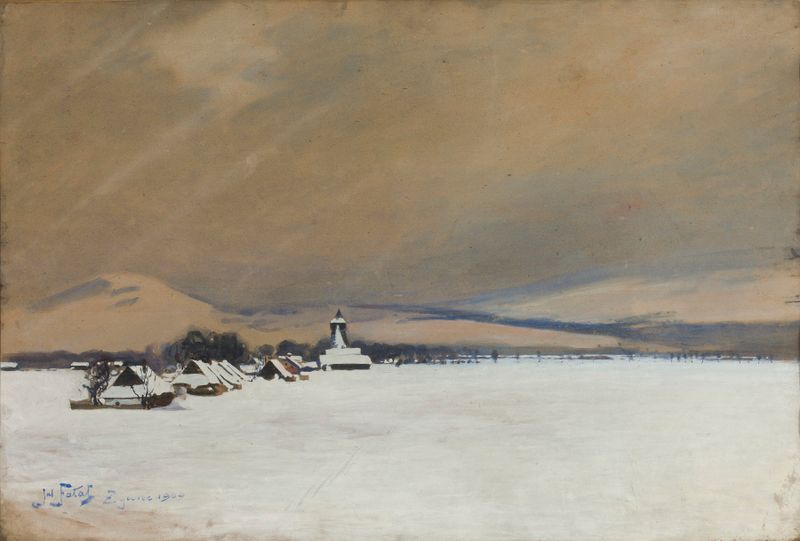
Winter landscape from Żywiec
Julian Falat
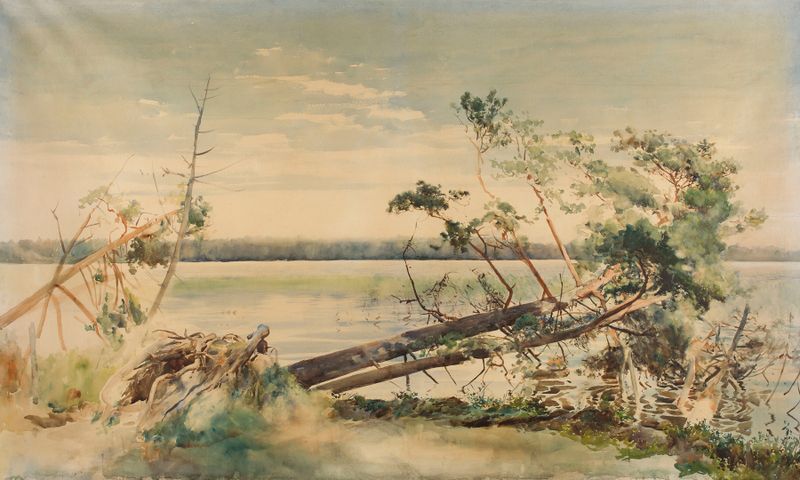
Świteź
Julian Falat
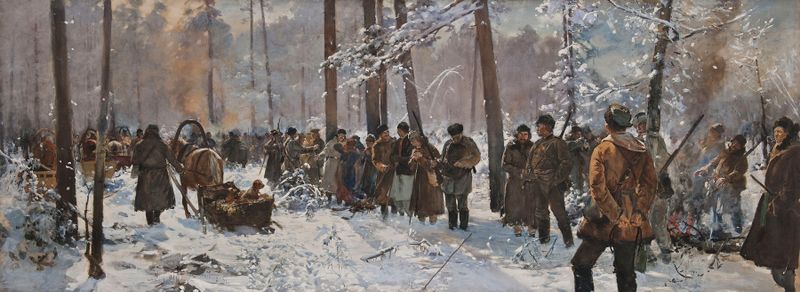
Battue at a hunt in Nieśwież
Julian Falat
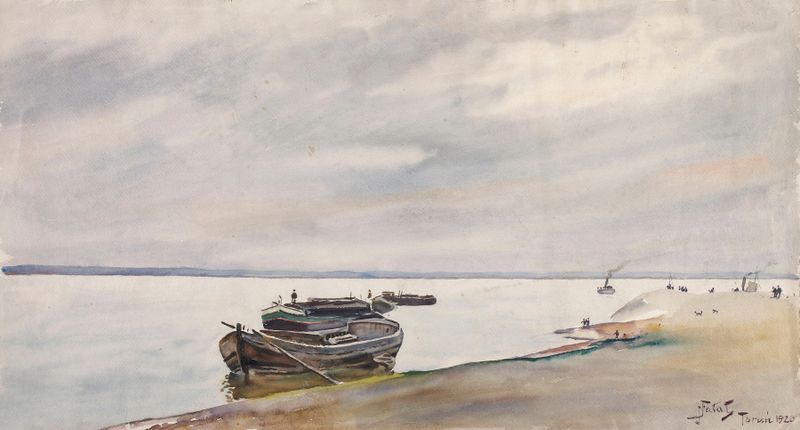
Boats and steamship on the Vistula near Toruń
Julian Falat





