
Pod zachód słońca — History & Facts
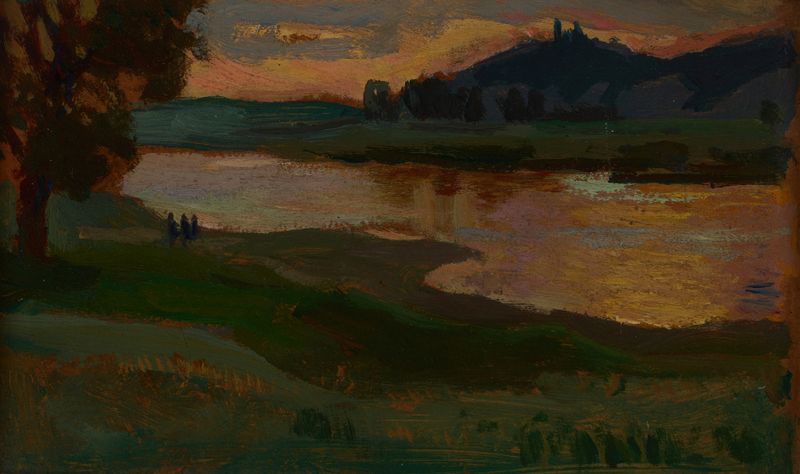
Can paint confess what words never could? In Pod zachód słońca, serenity emanates from every brushstroke, inviting viewers to lose themselves in its tranquil embrace. Look to the horizon, where a soft gradient of orange and pink mingles with the deepening blue of twilight. The golden light of the setting sun spills gently across the landscape, illuminating the delicate silhouettes of trees that stand as silent witnesses to the day’s end. The composition, with its harmonious balance between light and shadow, draws your gaze upward, creating a sense of movement that mirrors the gentle transition from day to night. Beneath the peaceful surface lies a poignant contrast—the fleeting nature of time captured in the glow of sunset, evoking both nostalgia and hope.
The stillness of the scene is punctured by the energy of the fading light, reminding us that endings hold their own beauty. Each detail, from the soft ripples in the water to the warmth of the sun’s rays, speaks to the emotional tensions between closure and renewal. In 1905, Jan Stanisławski was immersed in the vibrant art scene of Poland, influenced by the Symbolism movement while also drawing inspiration from Impressionism. During this time, he sought to convey the essence of nature through color and light, reflecting the changing moods of the world around him.
This work exemplifies his mastery in capturing the simplicity and complexity of moments that often go unnoticed, allowing viewers to connect with the divine tranquility of nature.
More Artworks by Jan Stanisławski
Browse all →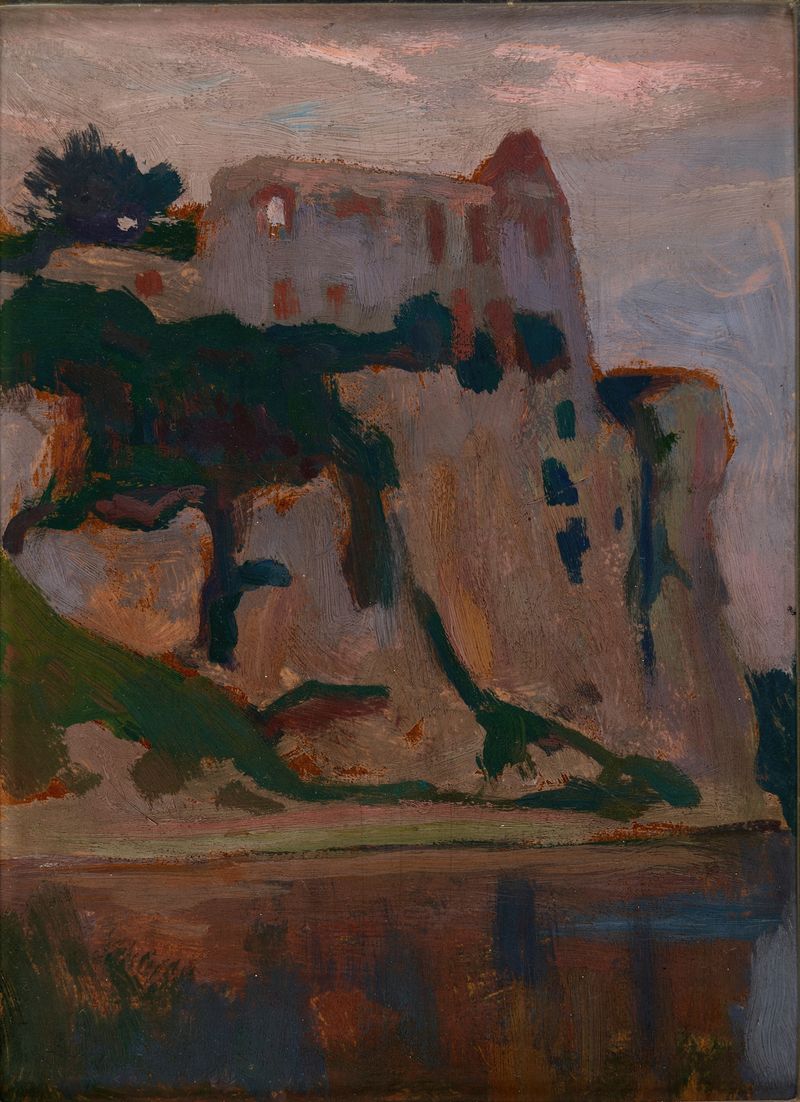
Tyniec at Dawn
Jan Stanisławski
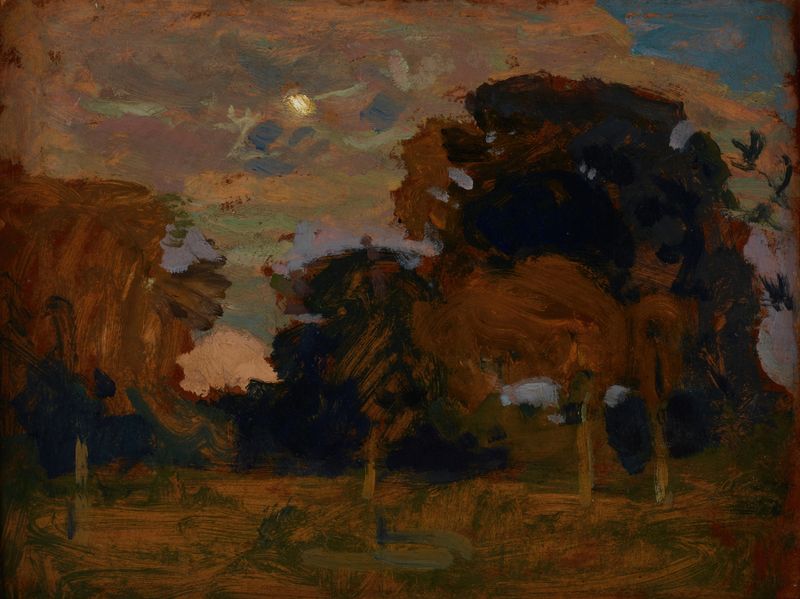
Moon in the Clouds
Jan Stanisławski
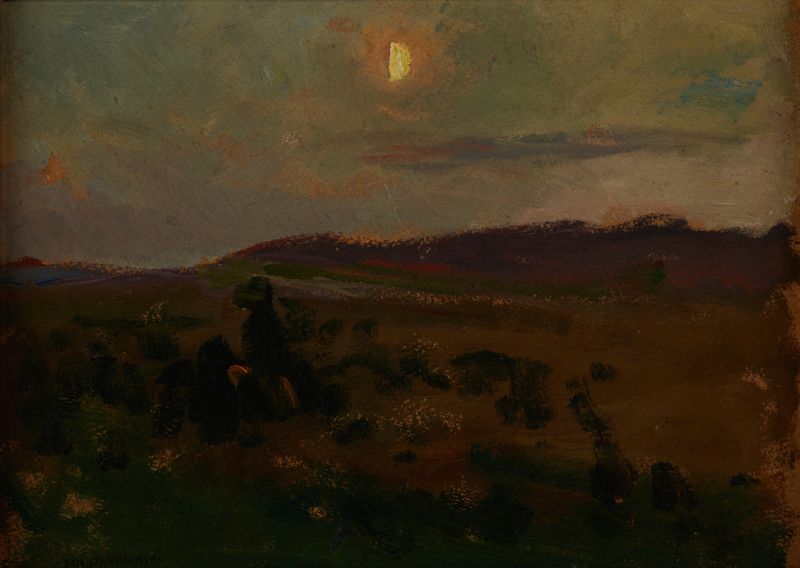
Moonrise
Jan Stanisławski
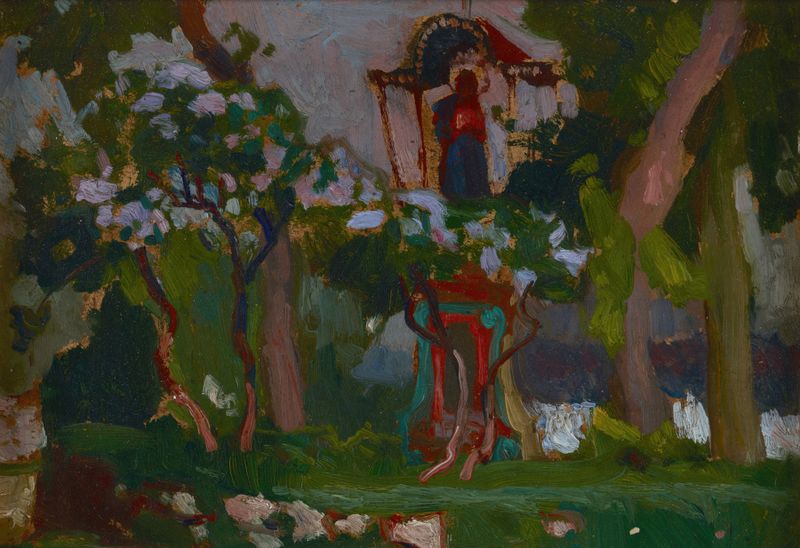
May
Jan Stanisławski
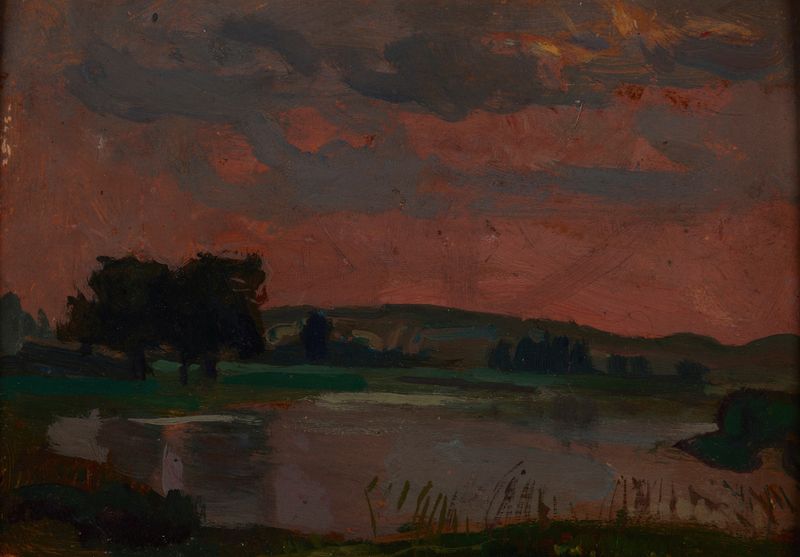
The Vistula in the Twilight
Jan Stanisławski
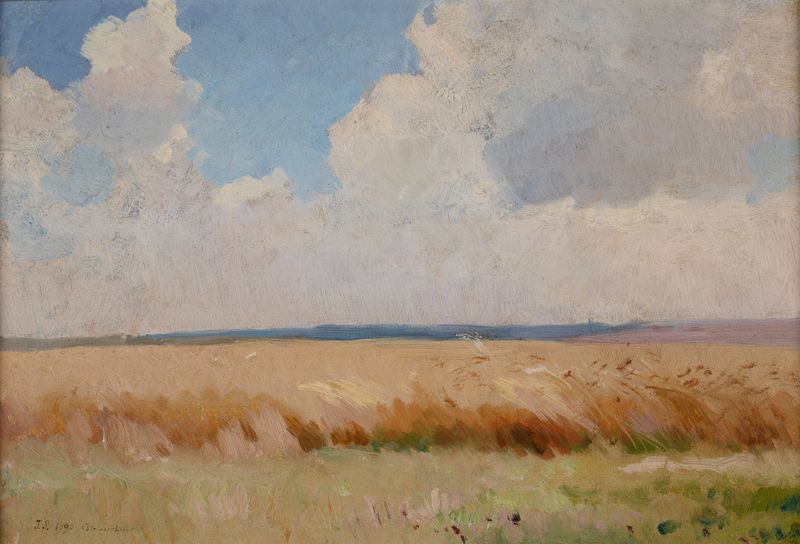
Field at Białocerkiew (Bila Tserkva)
Jan Stanisławski
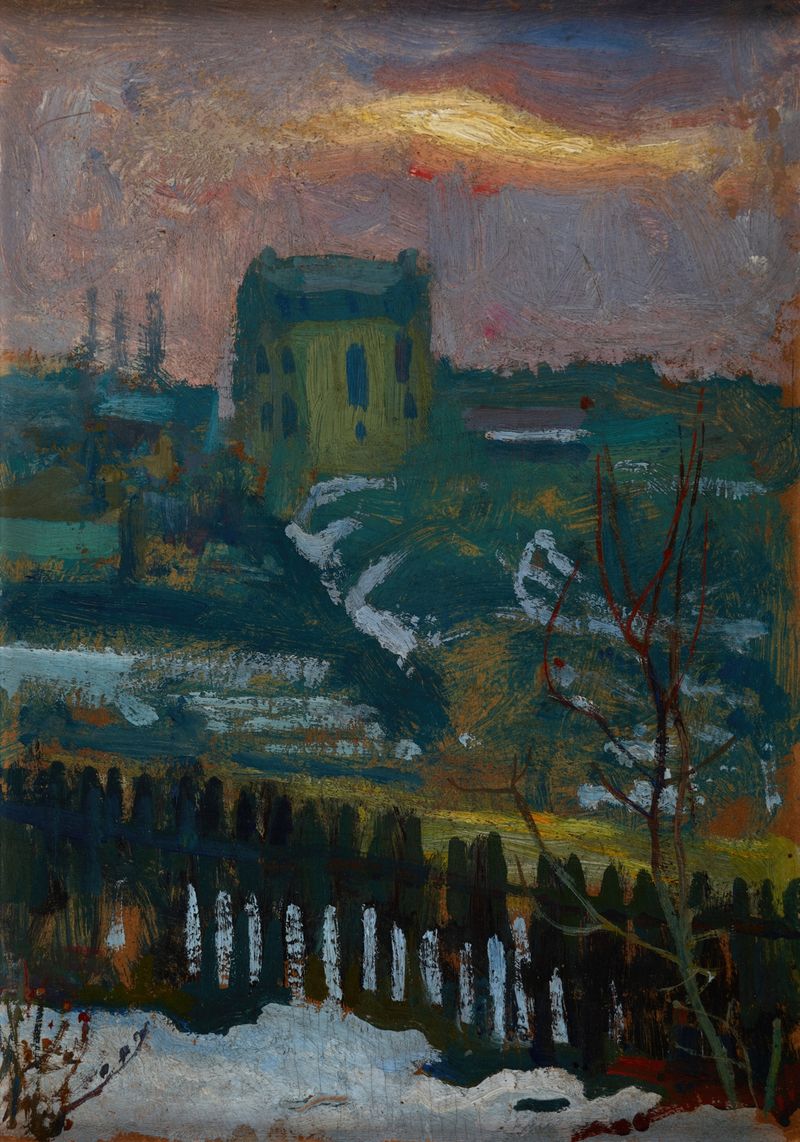
House in Winter
Jan Stanisławski
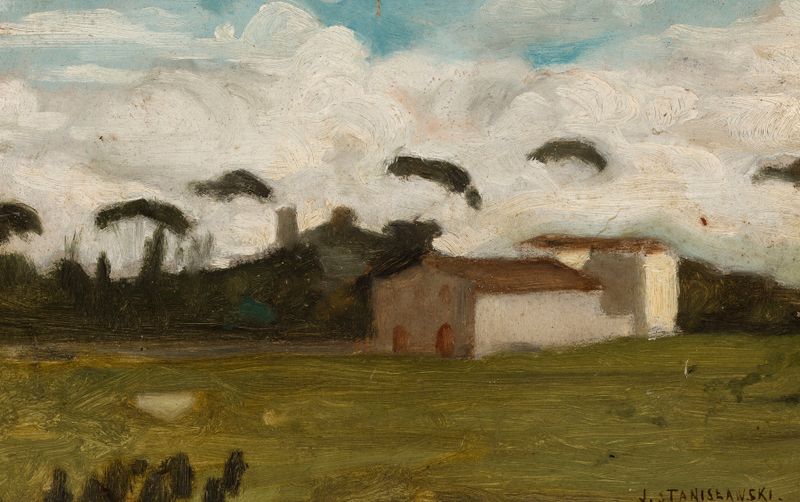
Landscape
Jan Stanisławski
Bielany at Dusk
Jan Stanisławski
Fields at Proszowice
Jan Stanisławski





