
Podvečer — History & Facts
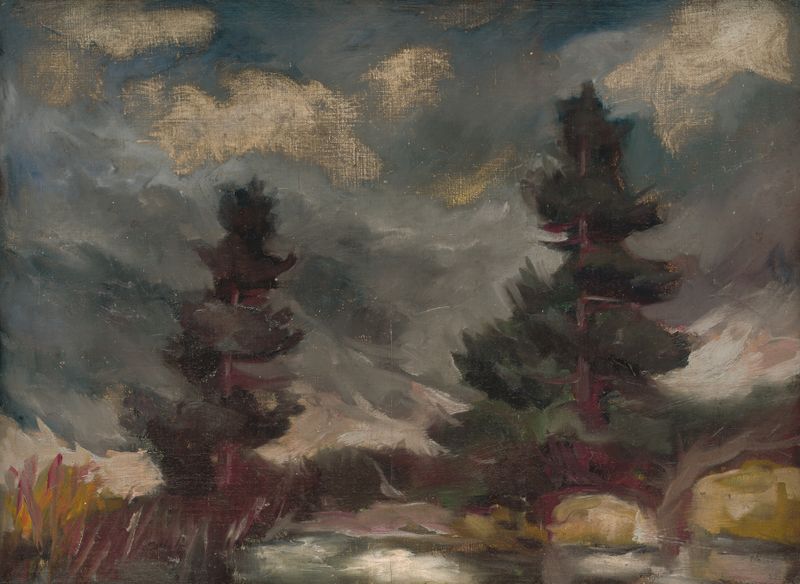
When did color learn to lie? In a world where shades may mask the truth, innocence emerges amidst a complex tapestry of hues and emotions. Look to the left at the vibrant strokes of orange and pink that cascade across the canvas, evoking the warmth of a setting sun. The artist employs thick, textured brushwork that creates a sense of movement, as if the very air is heavy with the scent of dusk. The contrasting deep blues and purples in the background set a stage for reflection, guiding your gaze towards a horizon that seems to whisper secrets held by twilight. Beneath the surface of this aesthetic beauty lies a tension between calm and chaos.
The serene colors hint at tranquility while the turbulent brushstrokes suggest a struggle, perhaps symbolizing the fleeting nature of innocence itself. It is this duality—from the vibrancy of youth to the shadows of experience—that resonates profoundly with the viewer. Each detail invites a contemplation of life’s ephemeral moments, captured in the embrace of evening light. In 1929, Zolo Palugyay created Podvečer during a time of great artistic experimentation in Europe, where movements such as Expressionism were redefining visual language.
Living in Hungary, he was influenced by the interplay of post-war sentiments and modernist ideas, which sought to reconcile the beauty of nature with emotional depth. This painting reflects not only his personal exploration but also the broader artistic dialogues of his era, marking a significant moment in his evolving career.
More Artworks by Zolo Palugyay
Browse all →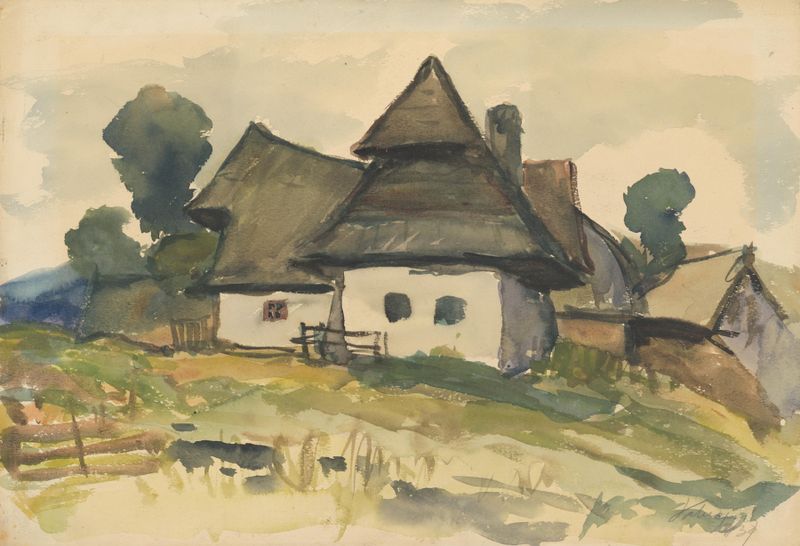
Dedinský motív
Zolo Palugyay
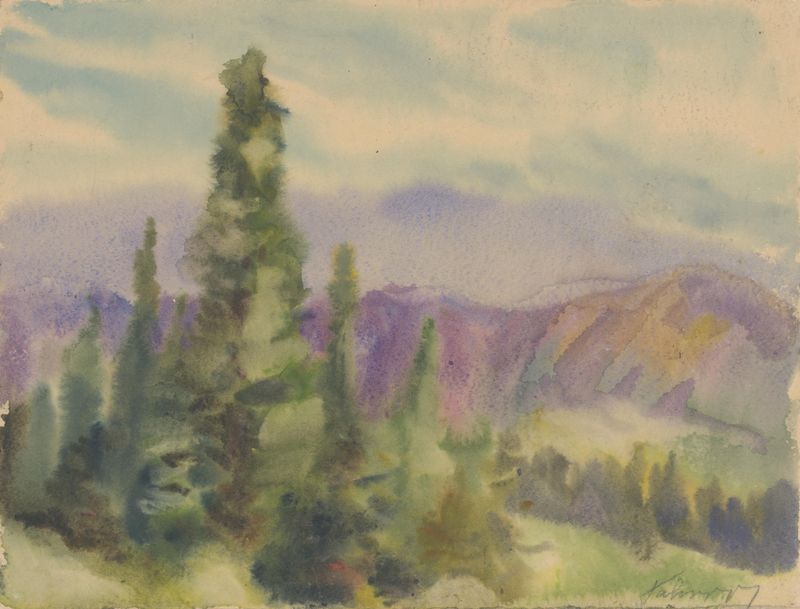
Motif from Liptov Mountains
Zolo Palugyay
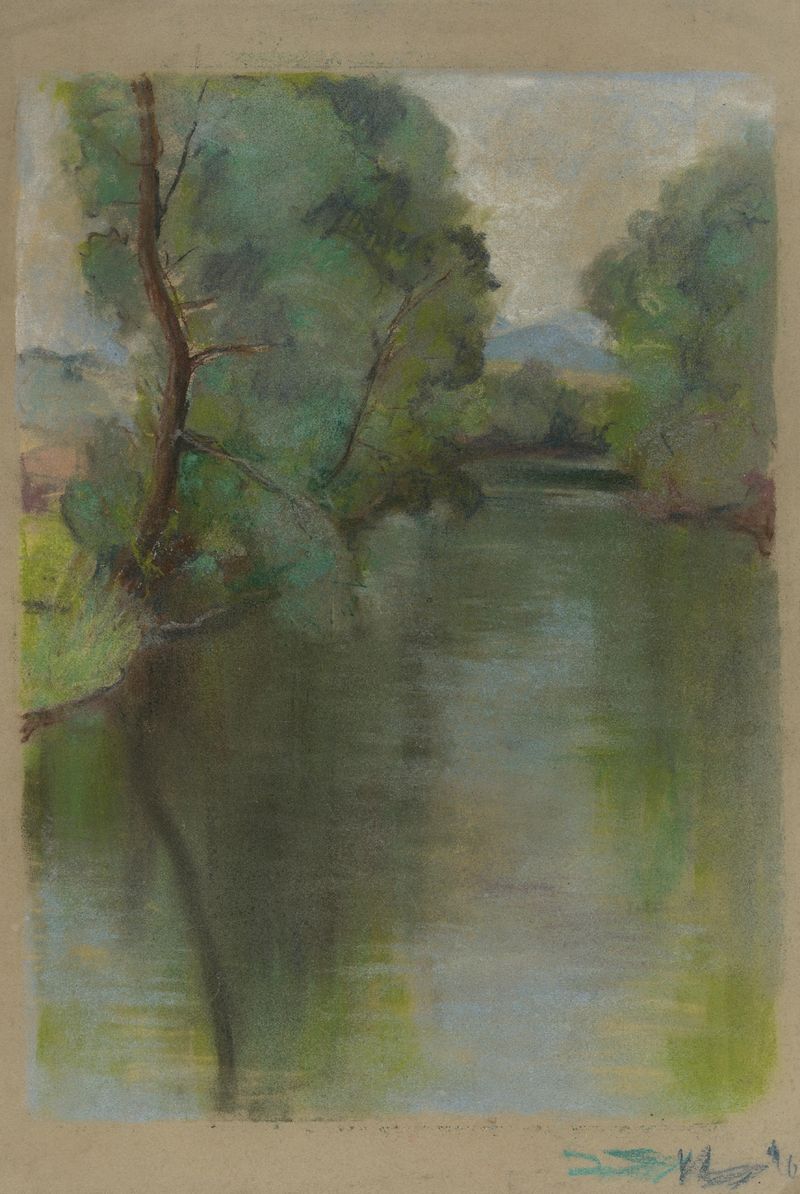
Silent River
Zolo Palugyay
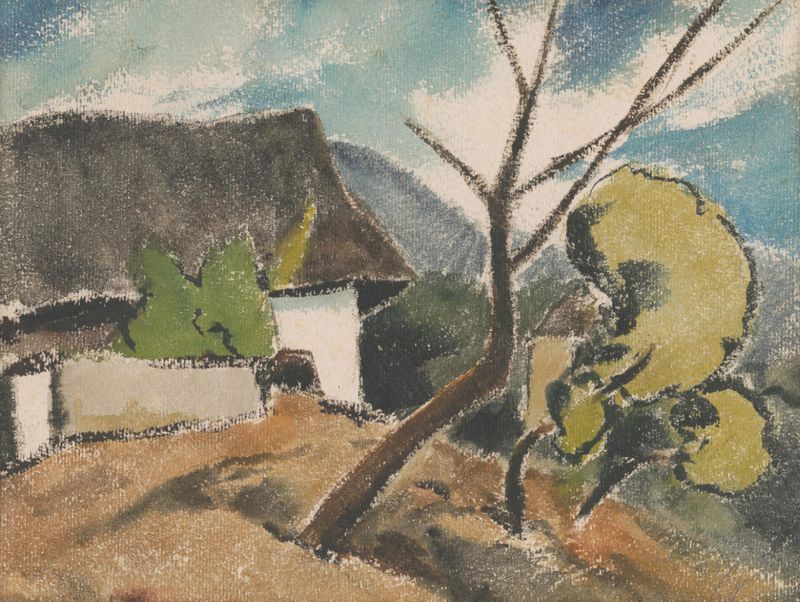
Oravská chalupa
Zolo Palugyay
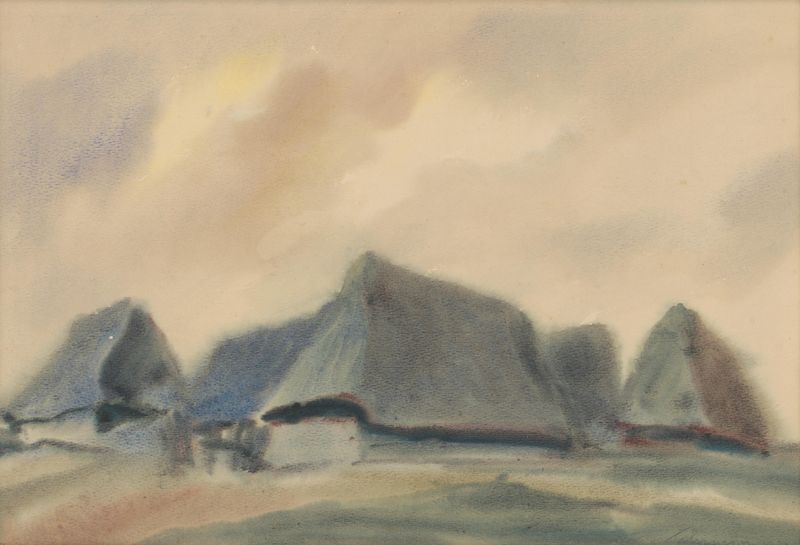
Modré chalupy
Zolo Palugyay
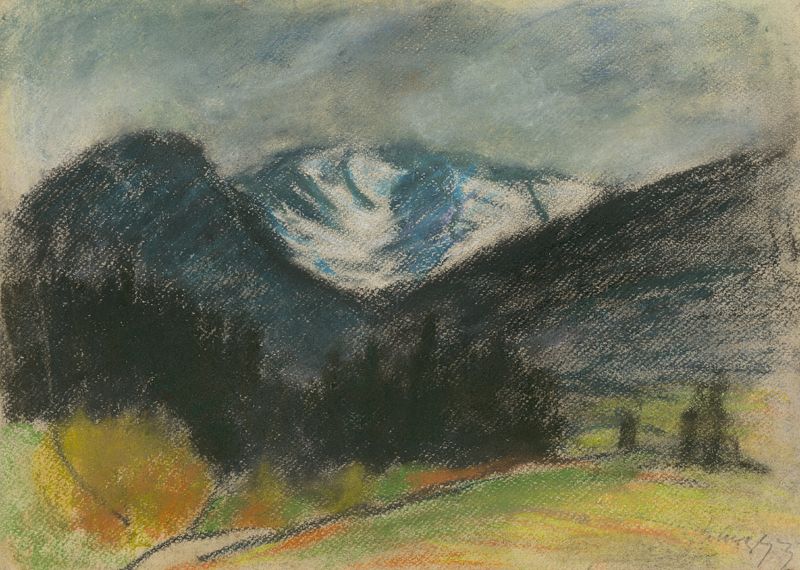
Mountain Landscape with Snowy Peaks
Zolo Palugyay
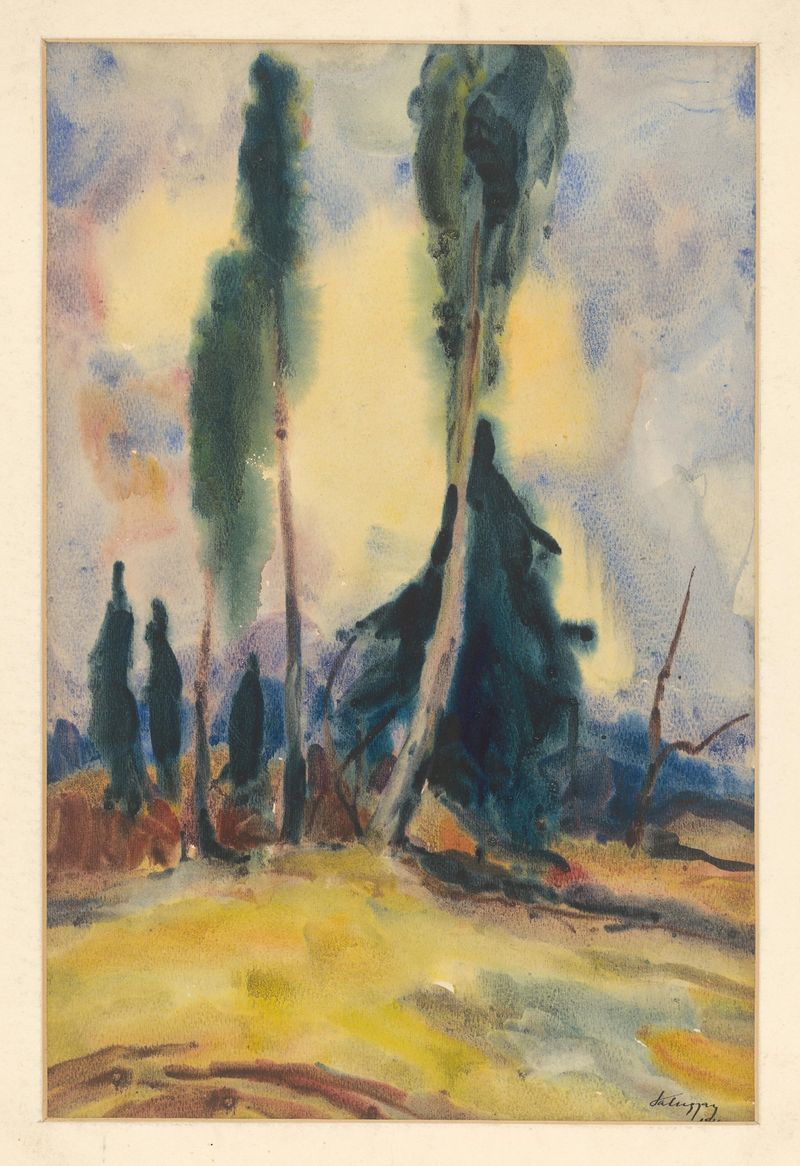
Three Trees on a Plain
Zolo Palugyay
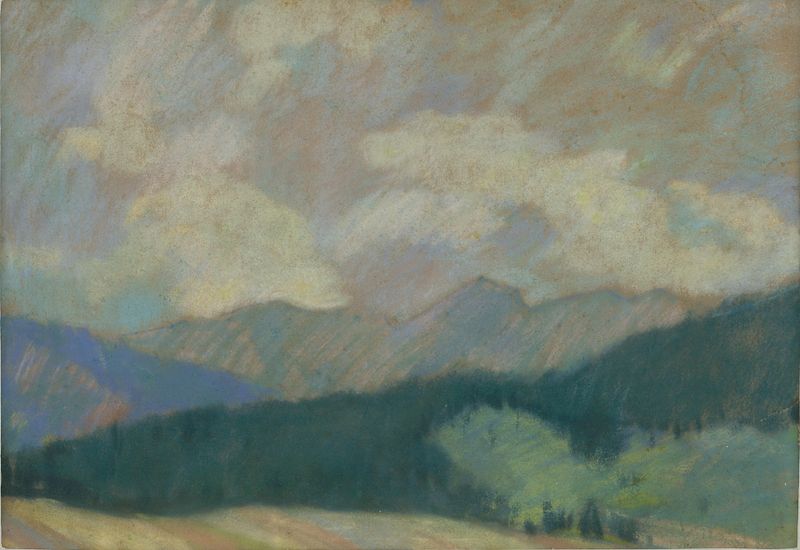
Horská krajina
Zolo Palugyay
Tatra Landscape
Zolo Palugyay
Spring Landscape
Zolo Palugyay





