
Poissy, Madame Dillon — History & Facts
In Poissy, Madame Dillon, Maximilien Luce presents a captivating portrait of a woman seated gracefully. The colors are vibrant, with soft blues and warm earth tones dominating the palette. Madame Dillon's expression is serene, and her attire reflects the fashion of her time, adorned with delicate patterns.
The background is subtly blurred, drawing attention to her figure and creating a sense of intimacy. This painting is executed in oil on canvas, a common medium for portraits during the late 19th century. The dimensions are approximately 65 x 81 cm, making it a relatively large portrait that allows for detailed brushwork. Luce's technique showcases his Post-Impressionist style, characterized by bold colors and expressive brushstrokes.
The composition is balanced, with Madame Dillon positioned slightly off-center, enhancing the overall aesthetic. Maximilien Luce was known for his vibrant use of color and connection to the Neo-Impressionist movement. This portrait, created in the 1890s, reflects his interest in capturing the essence of his subjects through light and color. An interesting fact about this work is that it exemplifies Luce's transition from Impressionism to a more personal style, focusing on individual character rather than just the landscape.
Madame Dillon was a notable figure in Luce's life, and this portrait serves as a testament to their relationship.
More Artworks by Maximilien Luce

Le Quai Montebello Et La Colline Sainte-Geneviève
Maximilien Luce
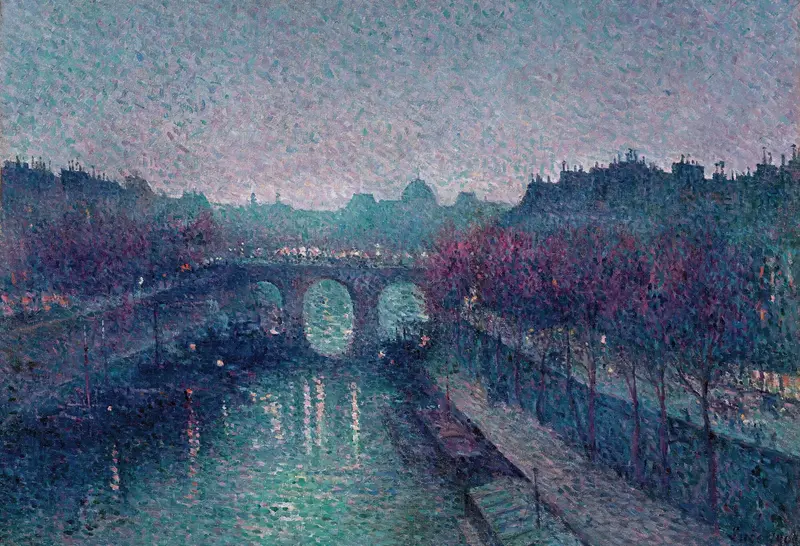
Le Pont-Neuf, La Seine, Petit Bras
Maximilien Luce
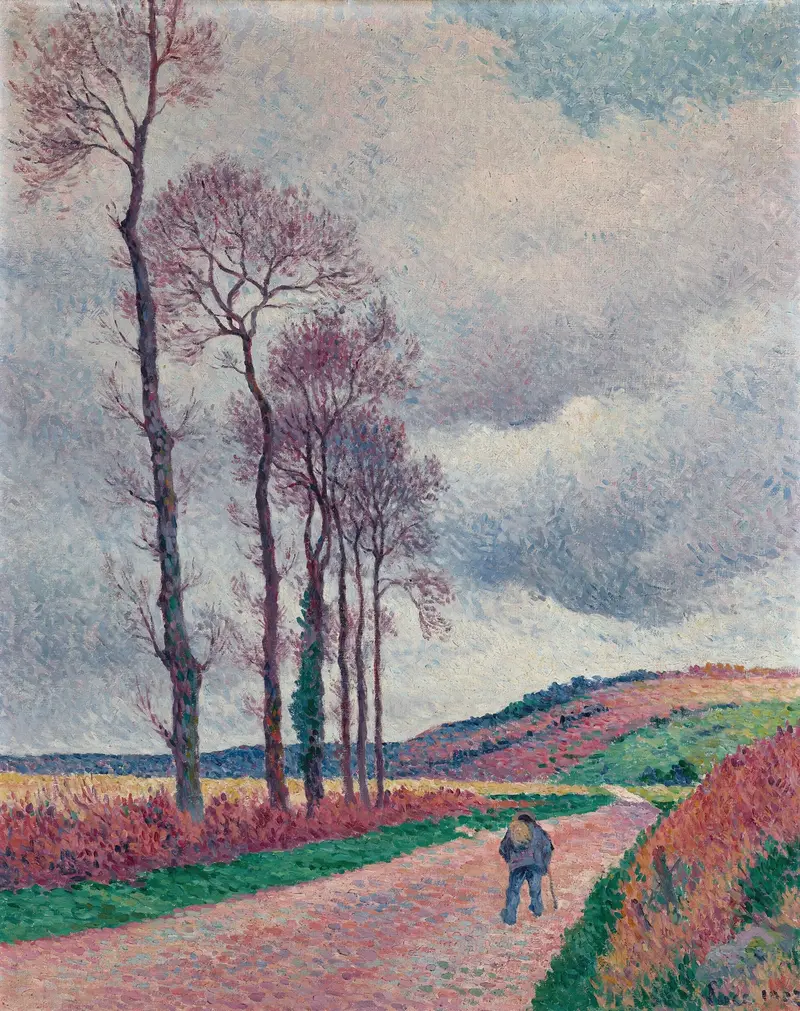
La route aux environs de Méréville
Maximilien Luce
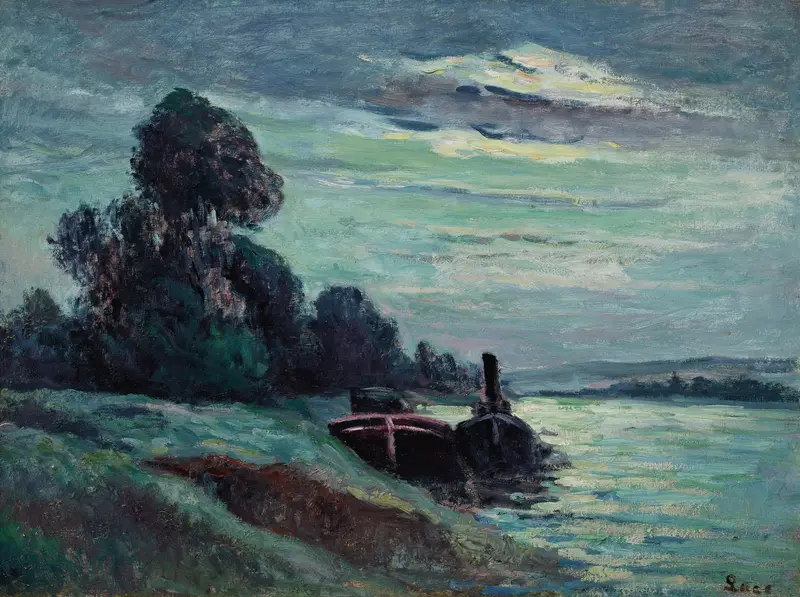
Péniches sur la Seine
Maximilien Luce
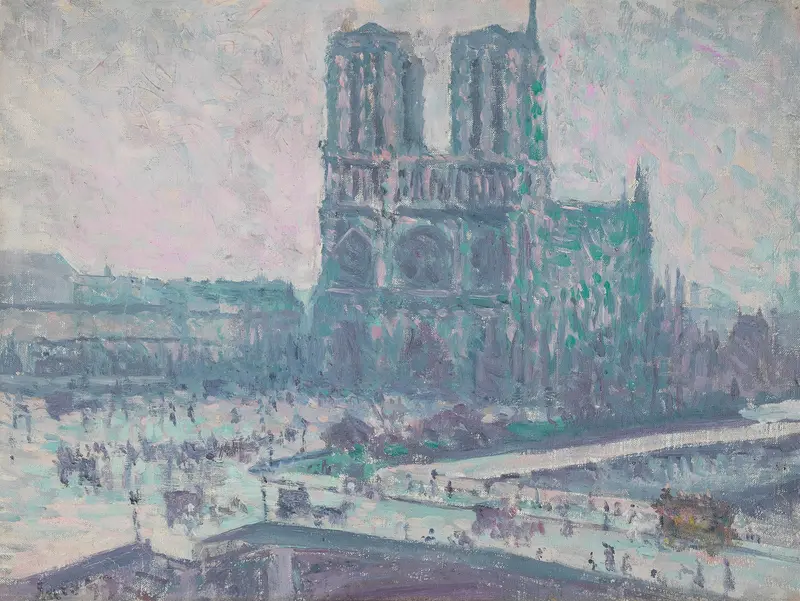
Notre Dame de Paris
Maximilien Luce
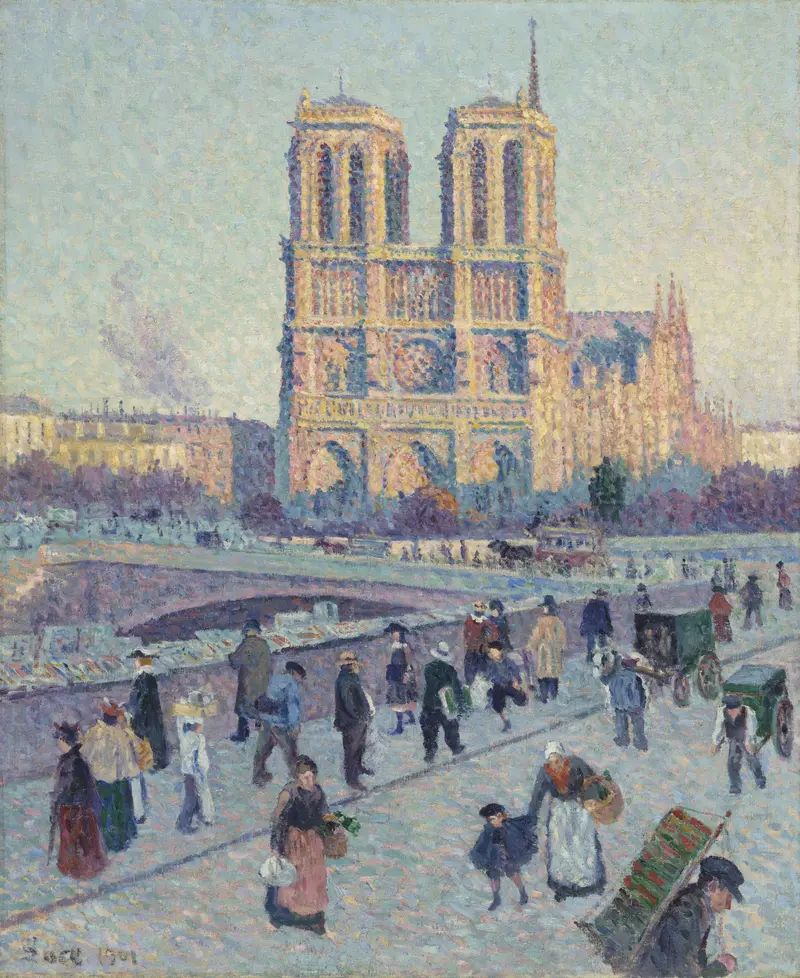
The Quai Saint-Michel and Notre-Dame
Maximilien Luce
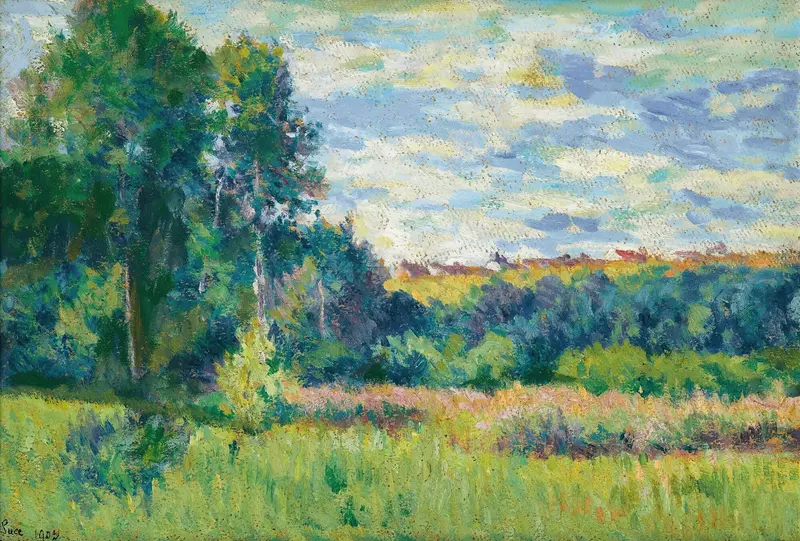
Paysage
Maximilien Luce
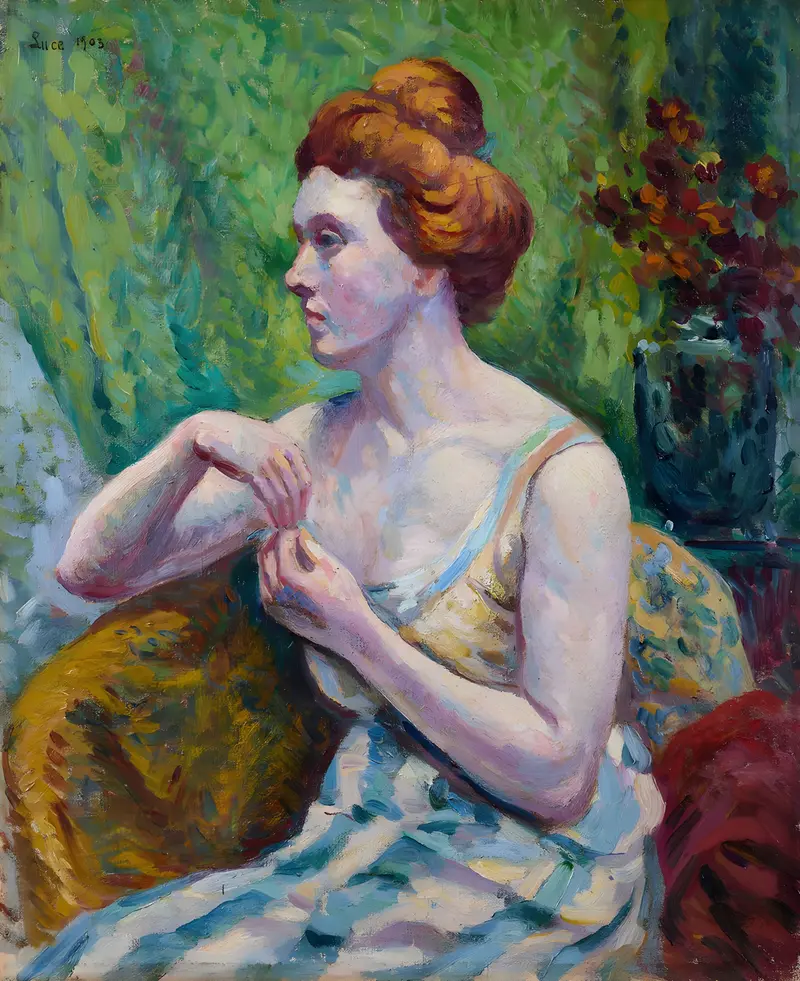
Portrait de femme
Maximilien Luce
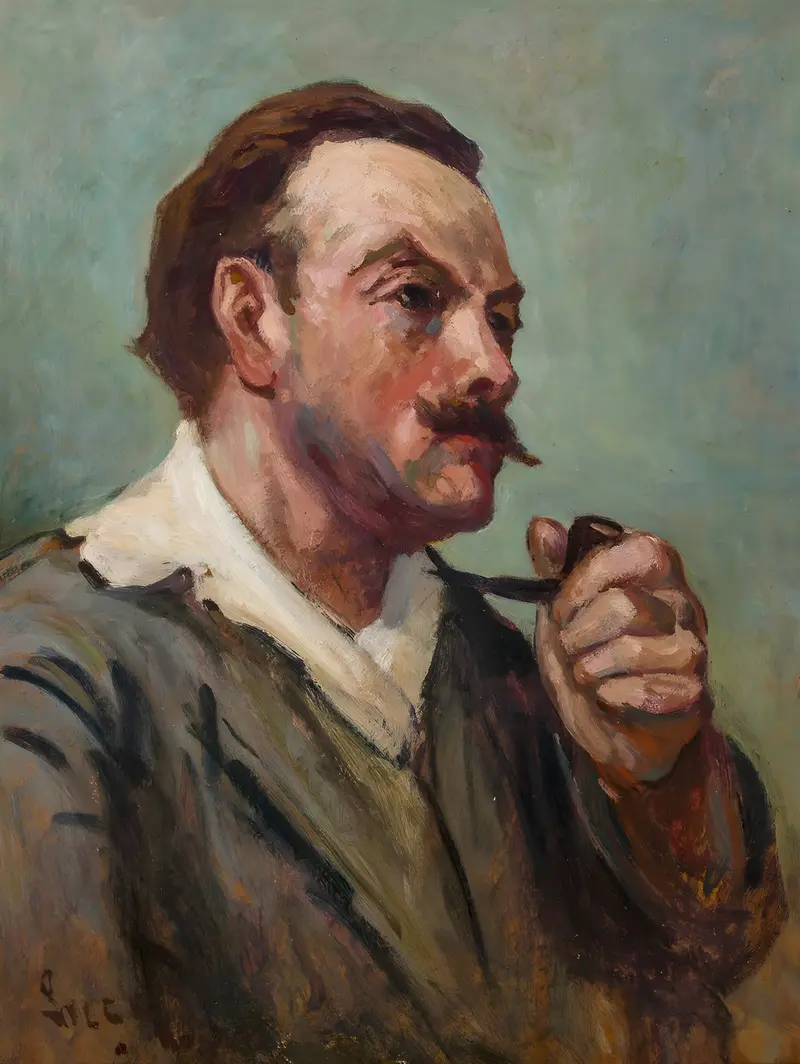
Portrait du Roger à la pipe
Maximilien Luce
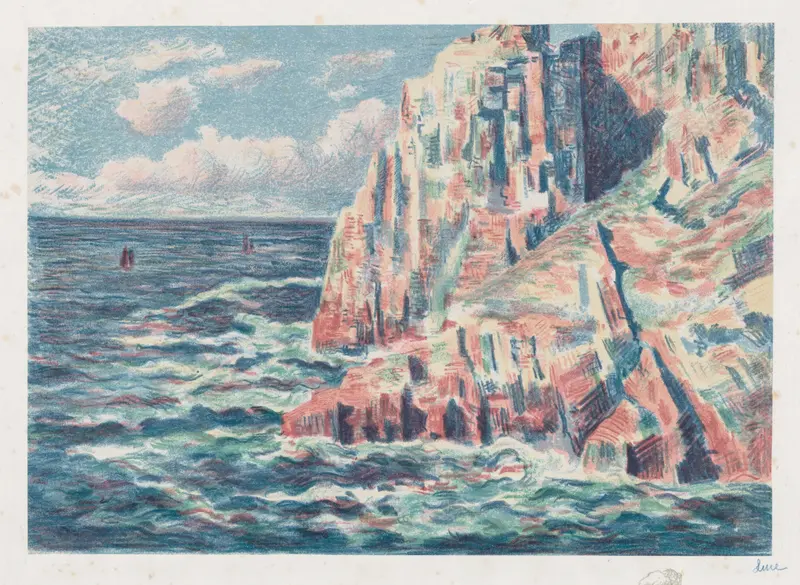
The Sea at Camaret, The Red Rocks
Maximilien Luce





