Polo — History & Facts
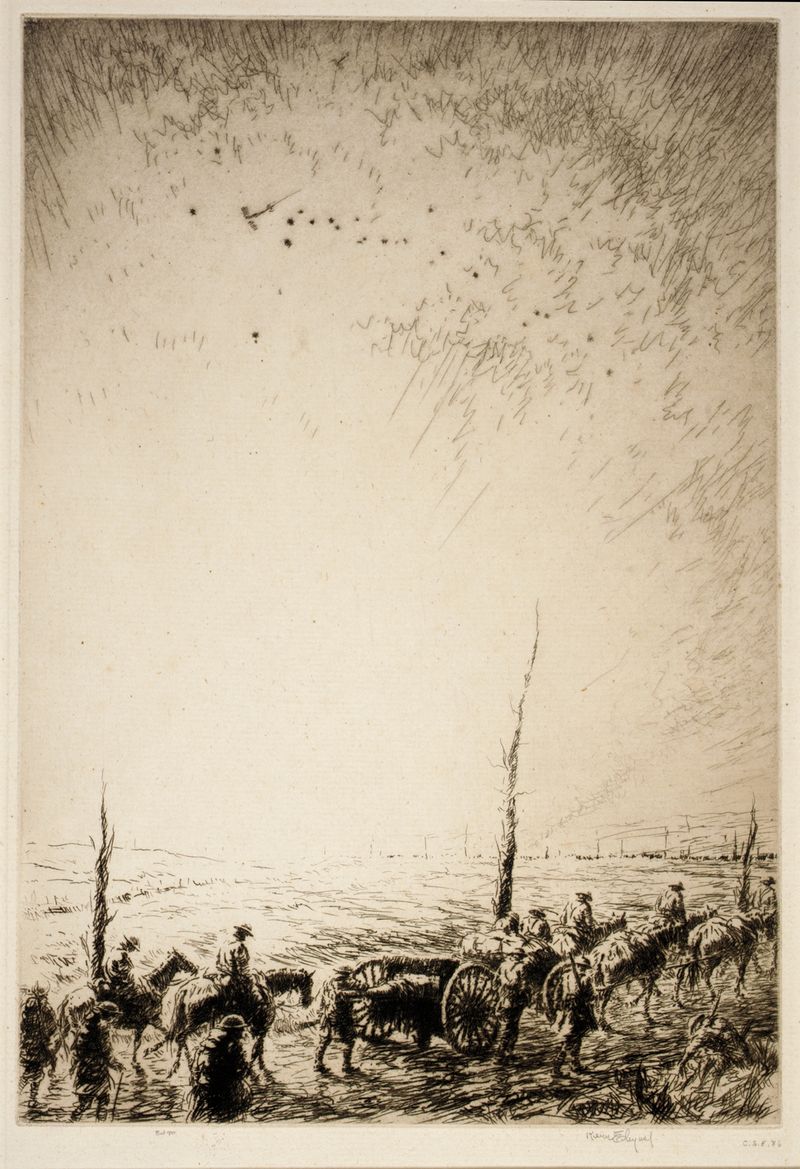
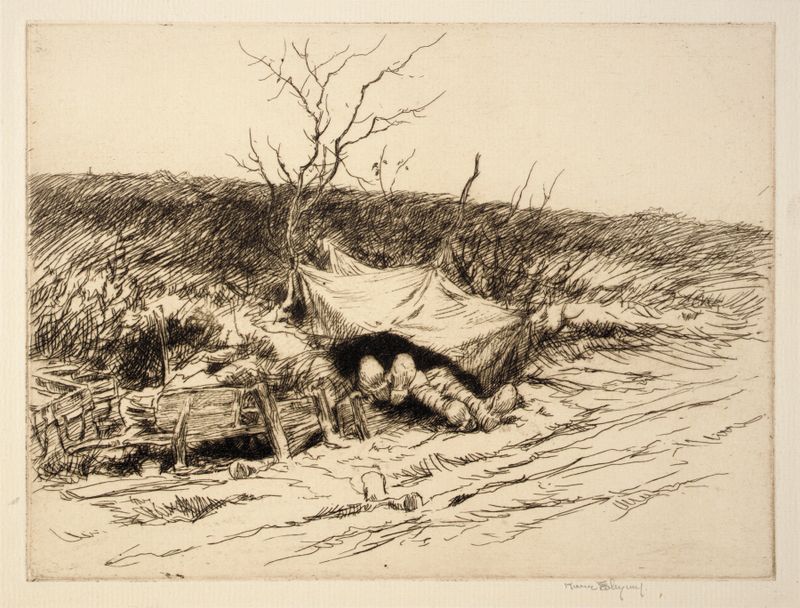
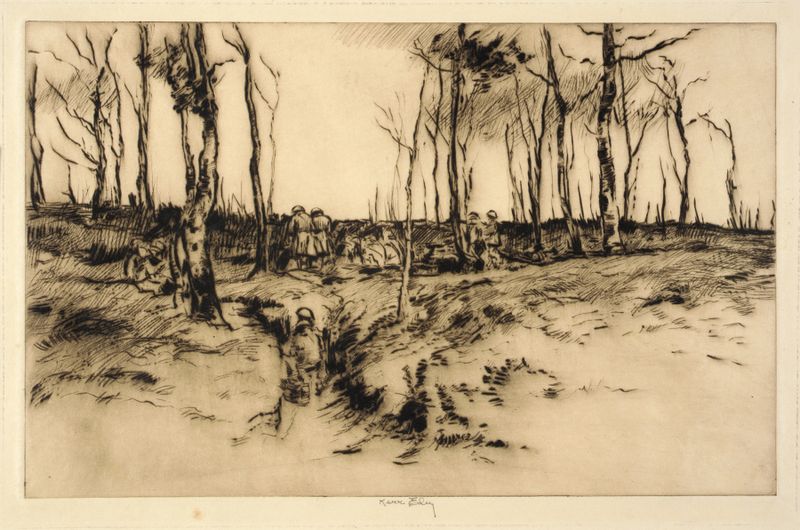
In the sport of polo, the exhilarating rush of galloping hooves and thundering hearts encounters an underlying tension—fear of defeat, fear of injury, fear of exposure. Each player, with their fierce determination, masks their trepidation behind a façade of skill and bravado. Look to the center of the composition where riders clash, their bodies taut with energy, dynamic lines radiating from their mounts. Notice how the muted palette contrasts with the vibrant, swirling dust kicked up by the horses.
The careful interplay of light and shadow creates a palpable sense of motion, drawing the eye to the intense facial expressions that flicker between determination and anxiety. Eby’s brushwork, both delicate and bold, captures the moment before chaos—a frozen heartbeat in the midst of a bustling game. Delve deeper into the players' expressions; a subtle smile belies the fear of failure, while the taut muscles of the horses evoke a sense of primal energy intertwined with anxiety. The framing of the scene offers an almost theatrical perspective, enhancing the emotional stakes as figures are caught between triumph and catastrophe.
The way the light enhances certain details suggests that within each moment of victory lies the specter of fear, lurking just beneath the surface. In 1927, Kerr Eby was entrenched in the evolving landscape of American art, influenced by the turbulence of the post-World War I era. Living in New York, he was drawing upon the themes of conflict and resolution in his work, using sports as a metaphor for the human experience. During this time, the nation was grappling with the aftershocks of war, and Eby's exploration of intense moments in play reflects both the thrill and the underlying fears present in society.