Polperro no. 2 — History & Facts
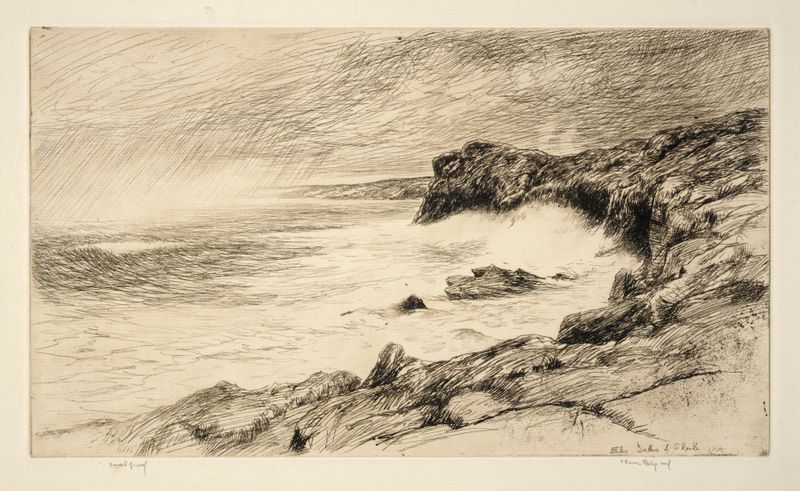
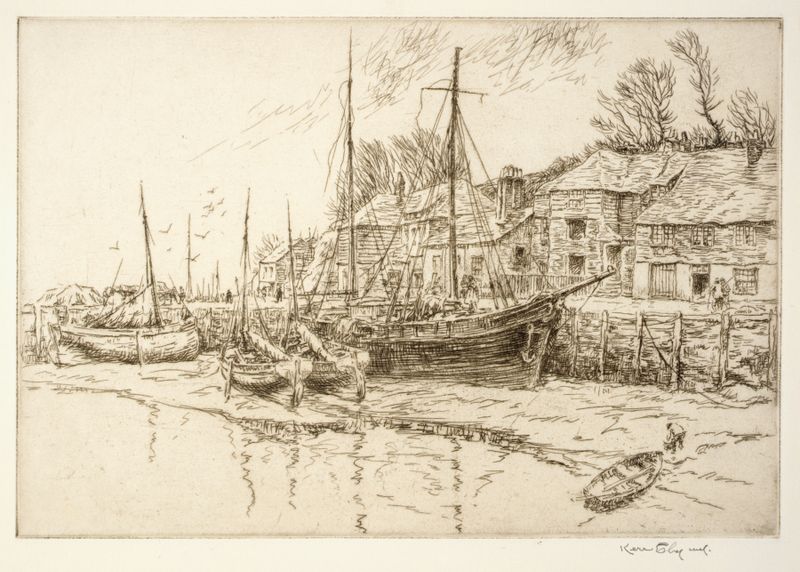
What secret hides in the quiet of the canvas? In Polperro no. 2, a serene yet evocative landscape unfolds, inviting viewers into a contemplative space where nature and artistry converge. The subtle interplay of shadow and light captures a moment suspended in time, one that stirs the imagination and whispers untold stories. Look to the left at the gentle curve of the coastline, where the sea kisses the rocky shore with a delicate foam.
Notice how the soft blues and somber grays blend, creating a sense of depth that draws the eye deeper into the scene. The artist's skill is evident in the textured brushstrokes that breathe life into the waves and the rugged cliffs, while muted greens punctuate the foreground, grounding the composition and inviting you to feel the coolness of the air. Beneath the surface, the painting resonates with contrasts: the calmness of the sea juxtaposed against the jagged rocks, the tranquility of the scene overshadowed by the weight of nature’s power. This duality mirrors the complexities of creation itself—beauty interlaced with tension, inviting reflection and introspection on the artist's journey.
The layering of colors and forms acts as a metaphor for the intricate process of artistic expression, revealing deeper emotions lurking just beyond the visible. In 1926, Kerr Eby painted this work during a pivotal time in his career, as he was transitioning from his earlier focus on war themes to exploring landscapes. Living in New York and heavily influenced by the American Scene movement, he sought to capture the essence of place and experience through his art. This work reflects the burgeoning interest in capturing the tranquility found in nature, a stark contrast to the tumultuous years that preceded it.