
Pompton Plains, New Jersey — History & Facts
Where does light end, and longing begin? In the tender embrace of dusk, shadows stretch across the landscape, weaving stories both seen and felt. The interplay of light and shadow whispers of hidden depths, encouraging the viewer to ponder what lies beyond the visible horizon. Look to the center of the canvas, where a serene lake reflects the amber and violet hues of the setting sun. Notice the delicate brushwork that captures the shimmering surface; each ripple hints at an unseen breeze.
To the left, tall trees stand sentinel, their dark silhouettes contrasting sharply with the vibrant sky, grounding the scene in nature’s tranquility while evoking a sense of mystery. The meticulous arrangement of elements leads your eye toward the distant hills, inviting contemplation of the journey just beyond the frame. The emotional weight of this piece lies in its contrasts. The warm glow of the sunset symbolizes hope and beauty, while the encroaching shadows suggest a sense of loss or the unknown.
This duality creates a tension that resonates deeply, reflecting the fleeting nature of moments—captured yet ephemeral. The stillness of the water mirrors the weight of unexpressed emotions, urging viewers to question what they see and feel, and where their own yearnings might take them. Jasper Francis Cropsey painted Pompton Plains, New Jersey in 1867 during a period of profound change in American art, as the Hudson River School was on its decline. Living in New York, Cropsey turned to the landscapes of his youth, seeking solace in the natural beauty of his surroundings.
At this time, the nation was grappling with the aftermath of the Civil War, and themes of nostalgia and the sublime became increasingly prominent in the artistic dialogue, positioning Cropsey as a pivotal figure in this evolving narrative.
More Artworks by Jasper Francis Cropsey
Browse all →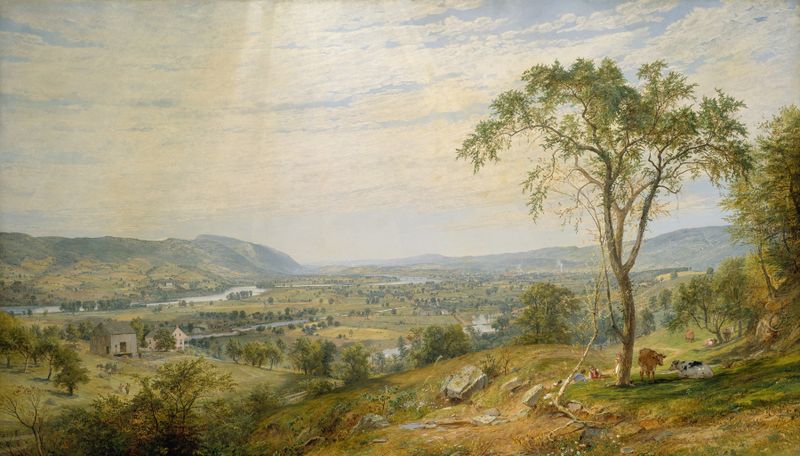
The Valley of Wyoming
Jasper Francis Cropsey
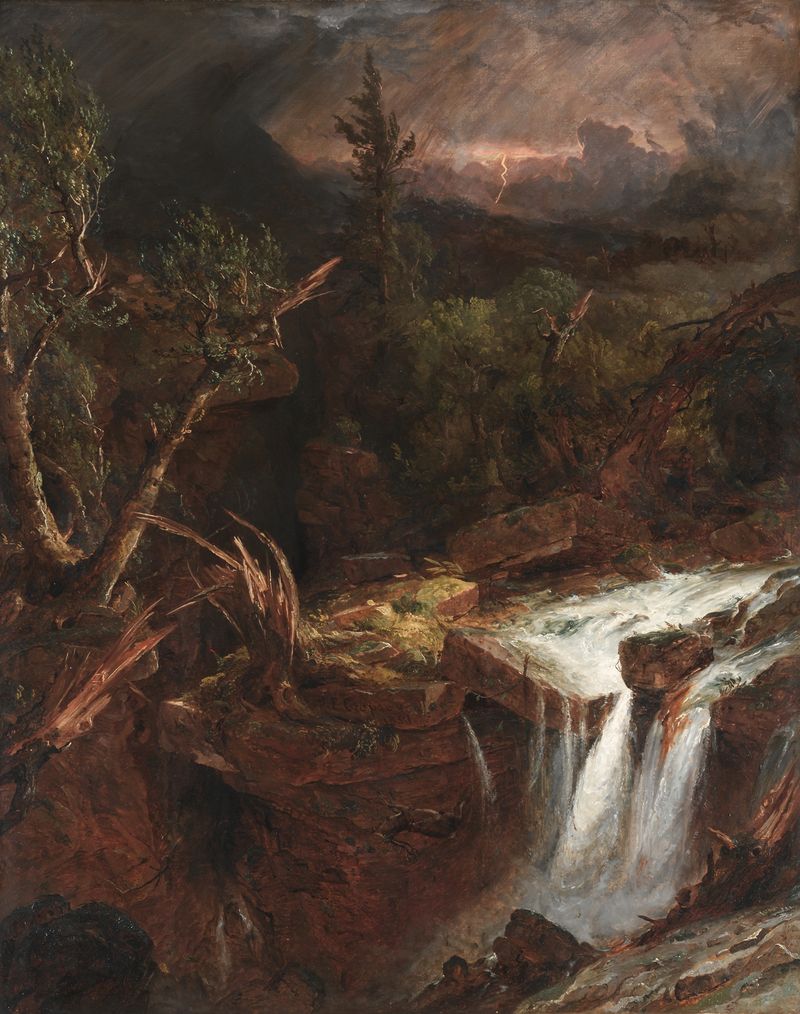
The Clove – A Storm Scene in the Catskill Mountains
Jasper Francis Cropsey
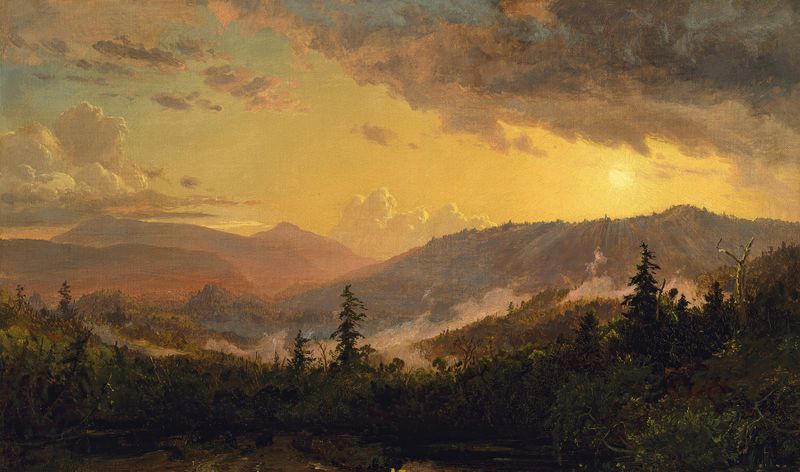
Sunset after a Storm in the Catskill Mountains
Jasper Francis Cropsey
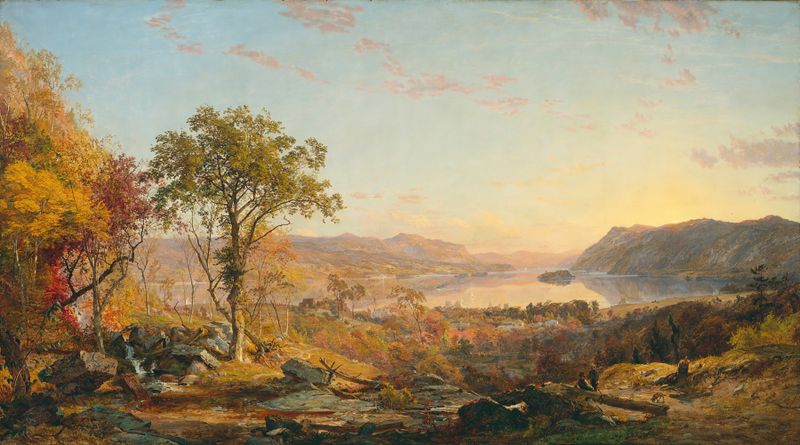
Indian Summer
Jasper Francis Cropsey

Autumn On The River
Jasper Francis Cropsey
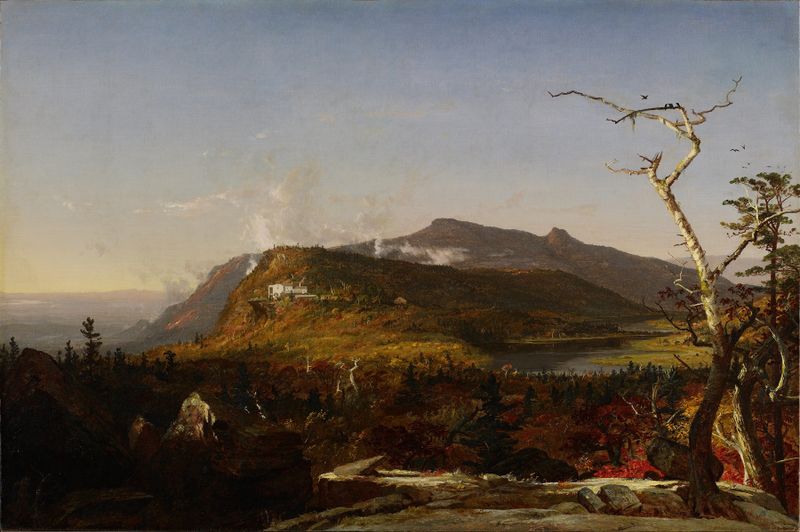
Catskill Mountain House
Jasper Francis Cropsey
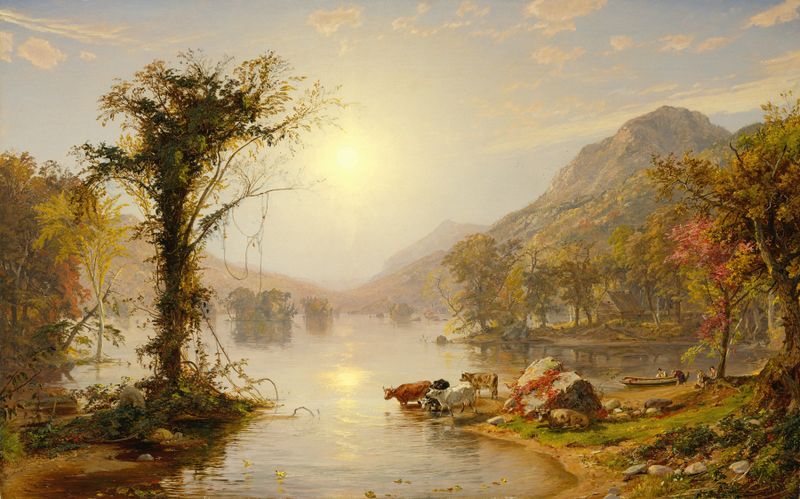
Autumn on Greenwood Lake
Jasper Francis Cropsey
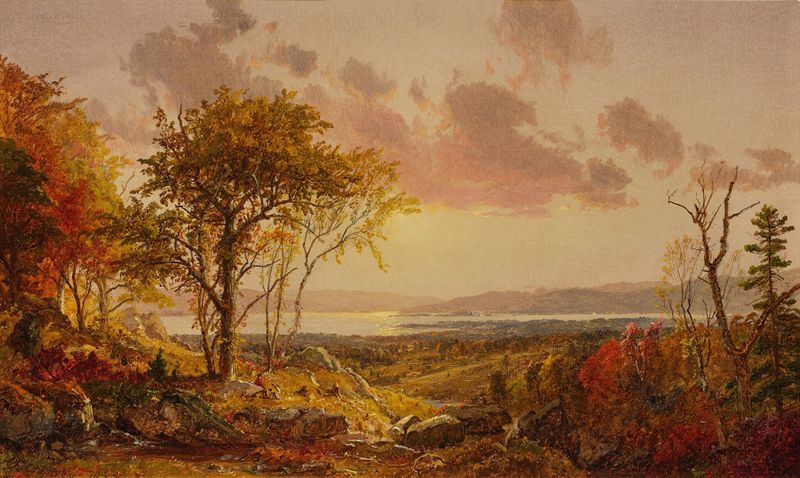
A Distant View of the Hudson River in the Fall
Jasper Francis Cropsey
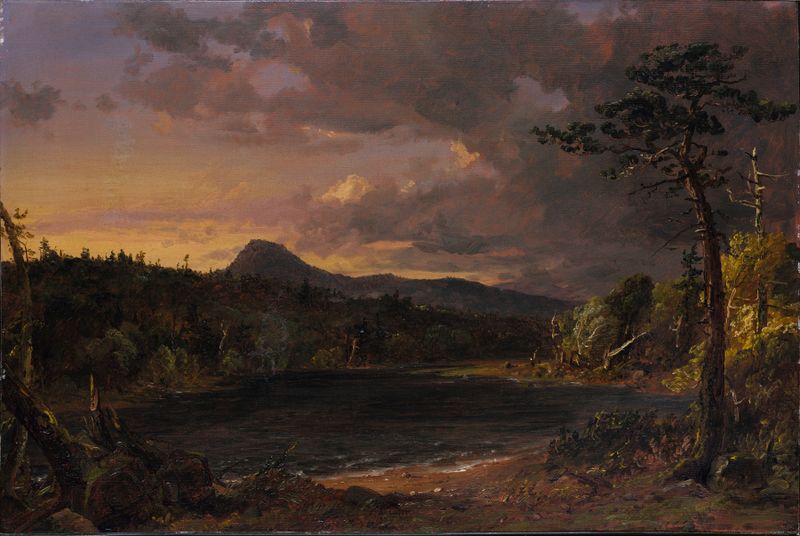
Catskill Creek
Jasper Francis Cropsey

Autumn on the Lake
Jasper Francis Cropsey





