
Ponte del Piovan — History & Facts
In the delicate balance of light and shadow, the pulse of ecstasy reverberates through each stroke, capturing a fleeting moment suspended in time. Look to the lower right, where the dark, sinuous shapes of the bridge entwine with the soft, shimmering reflections on the water's surface. The muted palette of grays and blues coalesces into an atmospheric embrace, drawing the eye to the tranquil melding of sky and river. Observe the subtle texture of the brushwork, which hints at both the solidity of the bridge and the ethereal quality of the light, creating a dialogue between the tangible and the ephemeral. Beneath the surface, the painting holds a juxtaposition of tranquility and movement.
The bridge, a steadfast structure, contrasts with the flowing water, representing the passage of time and the fleeting nature of human experience. It invites the viewer to ponder the relationship between the built environment and the natural world, elevating an ordinary scene into a meditation on connection and impermanence. Whistler’s choice of color and composition imbues the work with a serene ecstasy, inviting contemplation. In the late 1870s, the artist was living in London, grappling with the complexities of modernity while exploring the nuances of color and form.
During this period, Whistler was at the height of his career, advocating for art as a manifestation of beauty rather than mere representation. Ponte del Piovan reflects his attempts to weave together his fascination with intimate scenes and broader existential themes, marking a significant evolution in his artistic journey.
More Artworks by James Abbott McNeill Whistler
Browse all →
Nocturne in Blue and Silver
James Abbott McNeill Whistler
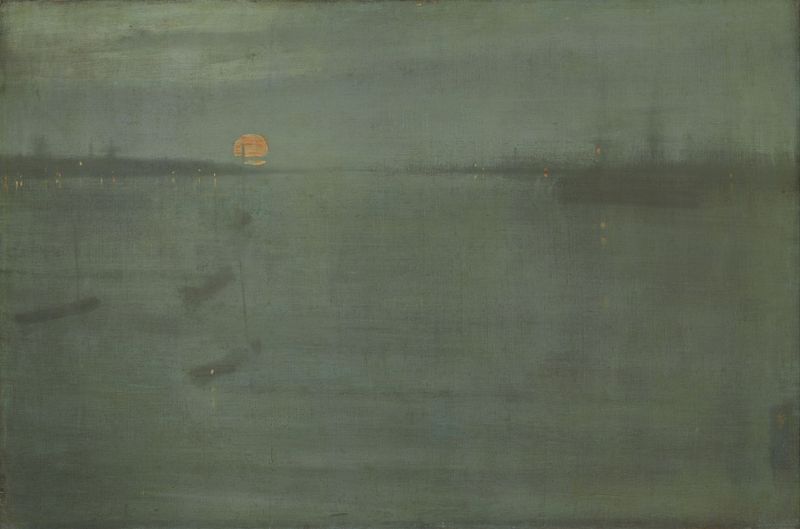
Nocturne: Blue and Gold–Southampton Water
James Abbott McNeill Whistler
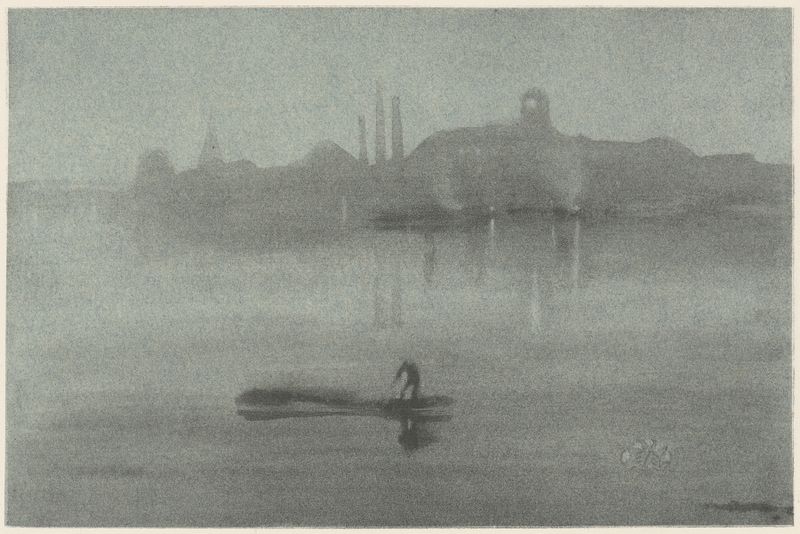
Nocturne
James Abbott McNeill Whistler
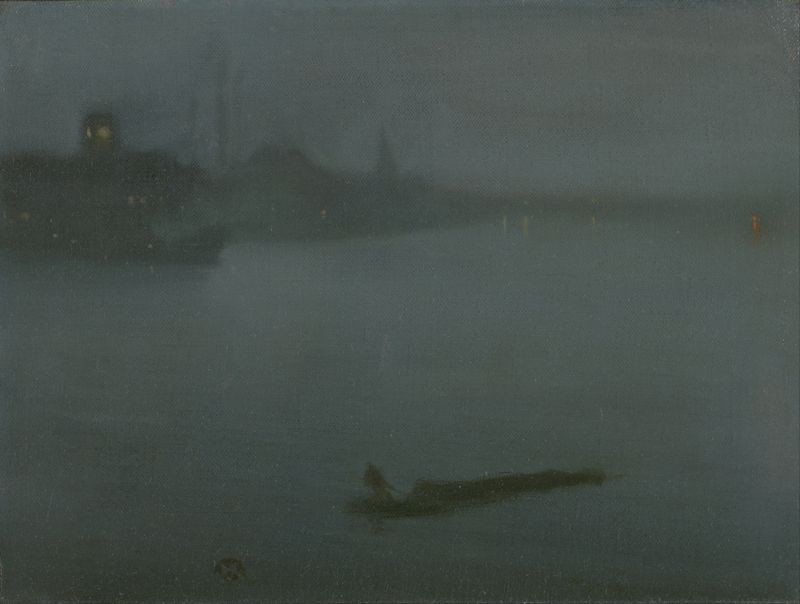
Nocturne in Blue and Silver
James Abbott McNeill Whistler
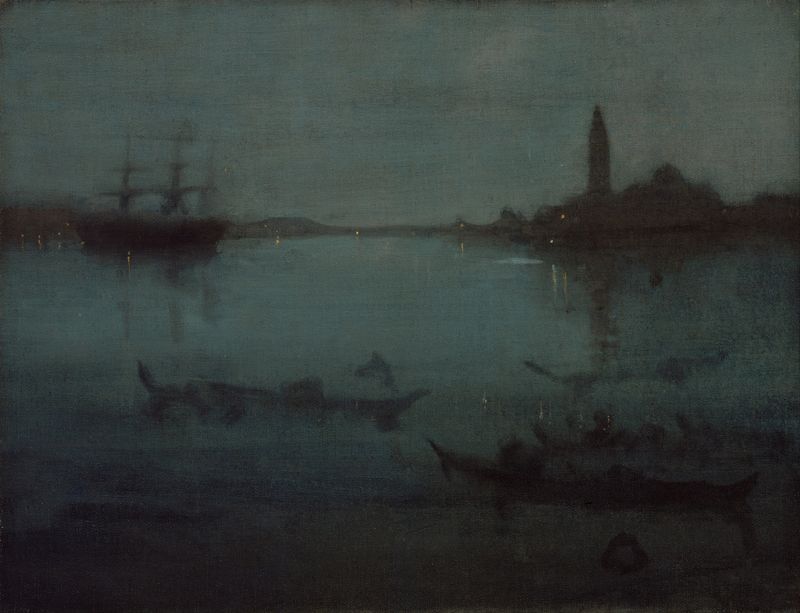
Nocturne in Blue and Silver- The Lagoon, Venice
James Abbott McNeill Whistler
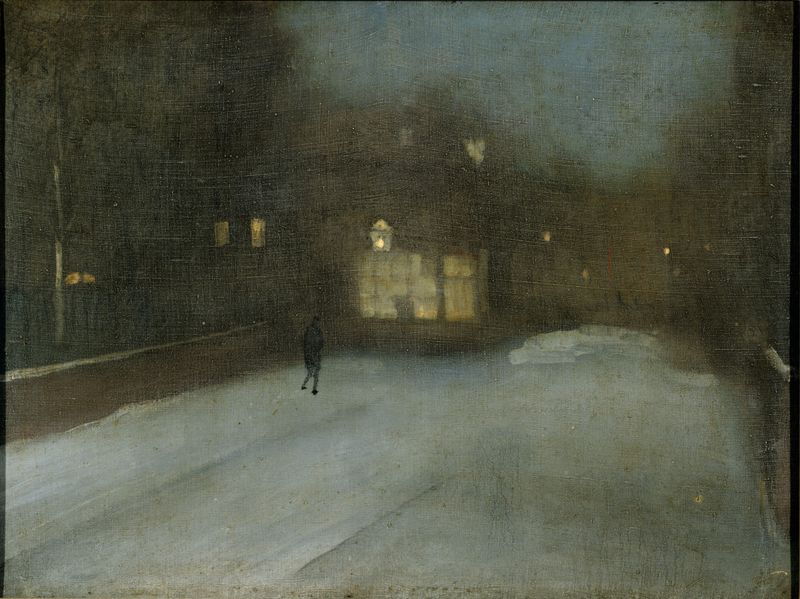
Nocturne in Grey and Gold: Chelsea Snow
James Abbott McNeill Whistler
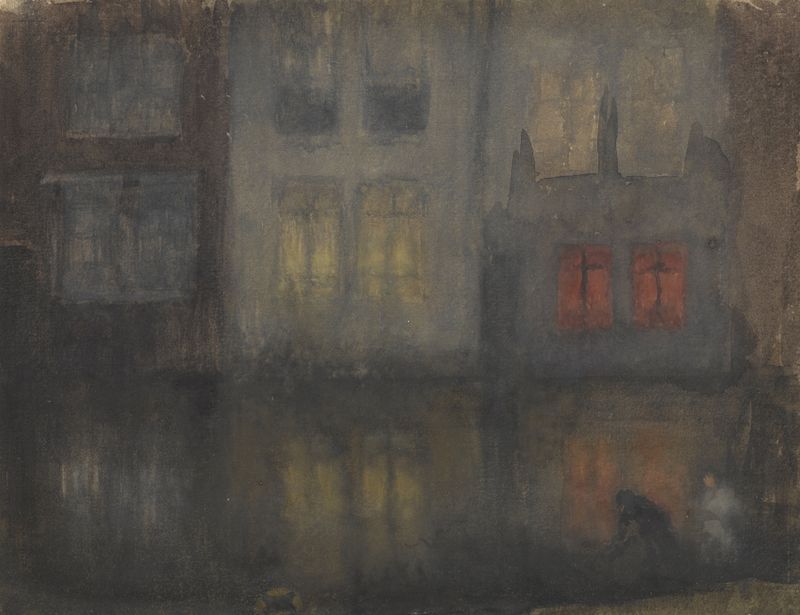
Nocturne: Black and Red—Back Canal, Holland
James Abbott McNeill Whistler
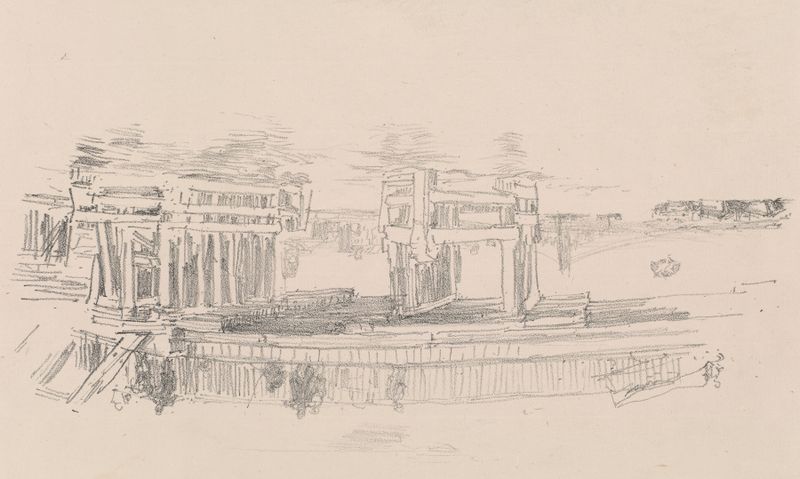
Old Battersea Bridge
James Abbott McNeill Whistler

Nocturne: Blue and Silver–Battersea Reach
James Abbott McNeill Whistler
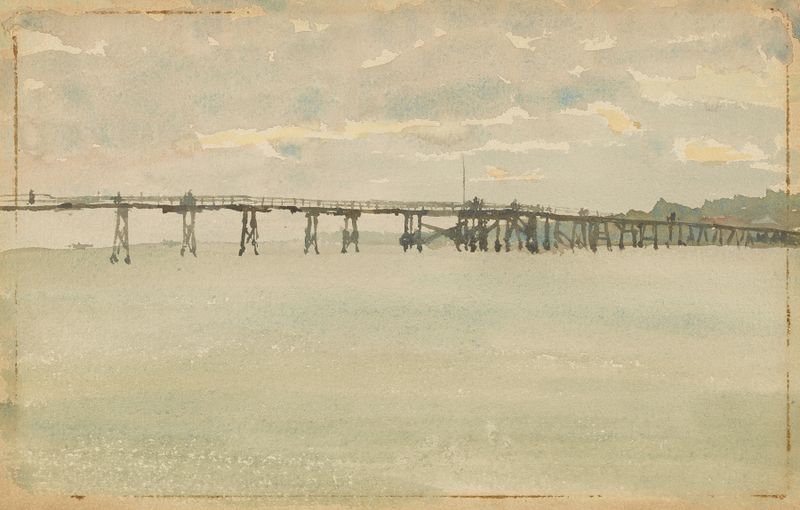
Grey and Silver–Pier, Southend
James Abbott McNeill Whistler





