
Ponte del Piovan — History & Facts
This notion encapsulates the profound desire embedded within the gentle strokes of Whistler’s canvas, where every nuance speaks of longing and beauty. Look to the left at the delicate arch of the bridge, its silhouette woven against the soft, flowing water. The palette of muted blues and grays envelops the scene, creating a tranquil atmosphere that invites a sense of introspection. Notice how the smoke from the distant chimneys curls lazily into the sky, melding with the clouds, while the subtle reflections dance on the water’s surface, hinting at the interplay between reality and illusion.
The composition leads the eye gracefully along the bridge, suggesting a journey not just through space, but through emotion. Beneath the surface, the painting reveals a juxtaposition between the solidity of the bridge and the fluidity of the water, representing the tension between permanence and transience. The muted tones evoke a sense of nostalgia, while the slightly blurred edges hint at the ephemeral nature of desire itself. Whistler captures a moment in time that resonates with an unfulfilled longing, where the soul yearns to connect, yet remains distanced by the flowing current of existence. In 1879, Whistler painted this work during his time in Venice, a period marked by a desire to explore the interplay of light and color.
He was establishing his reputation as an artist who blurred the lines between painting and music, focusing on aesthetics rather than narrative. This period was significant as it coincided with his philosophy of "art for art's sake,” a pursuit that would shape modern art movements.
More Artworks by James Abbott McNeill Whistler
Browse all →
Nocturne in Blue and Silver
James Abbott McNeill Whistler
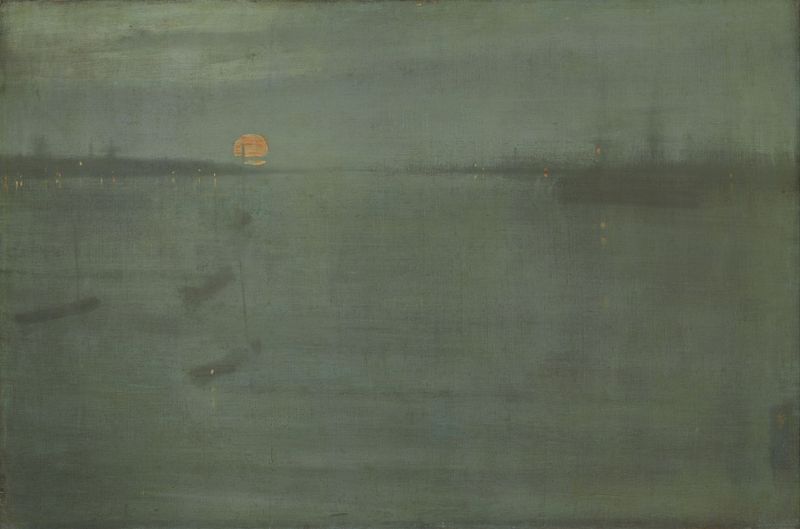
Nocturne: Blue and Gold–Southampton Water
James Abbott McNeill Whistler
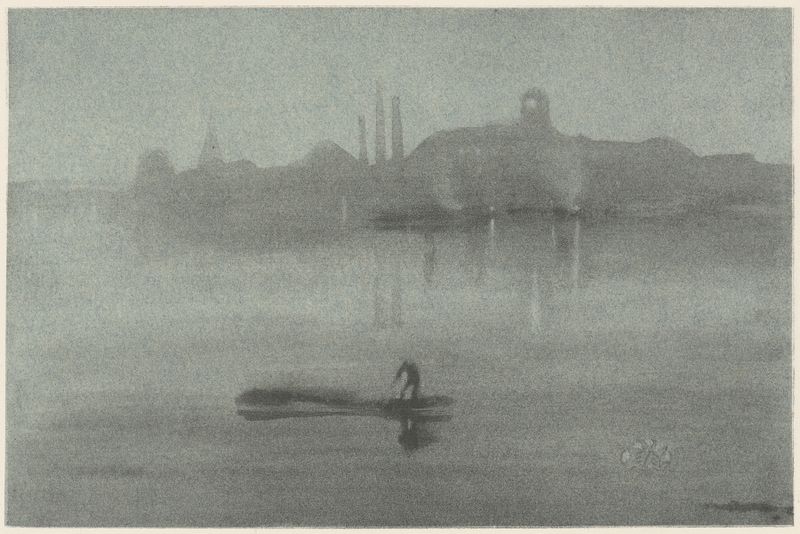
Nocturne
James Abbott McNeill Whistler
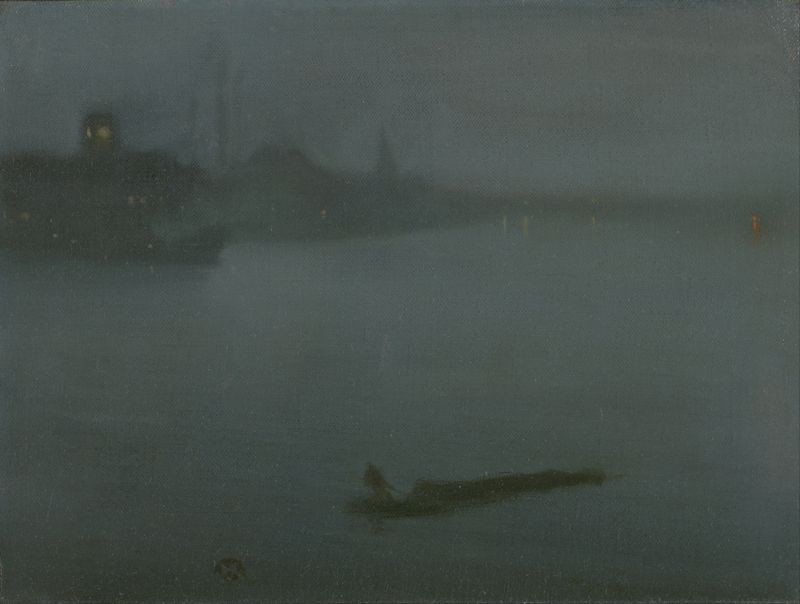
Nocturne in Blue and Silver
James Abbott McNeill Whistler
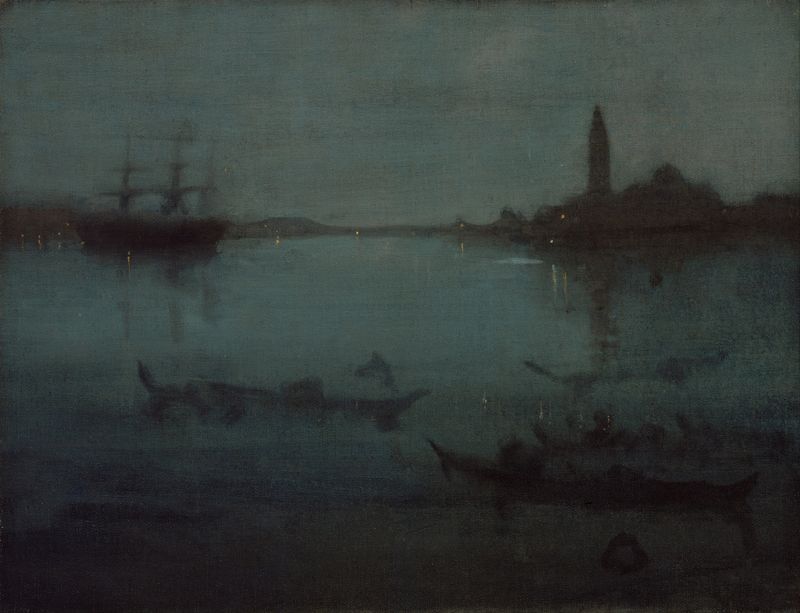
Nocturne in Blue and Silver- The Lagoon, Venice
James Abbott McNeill Whistler
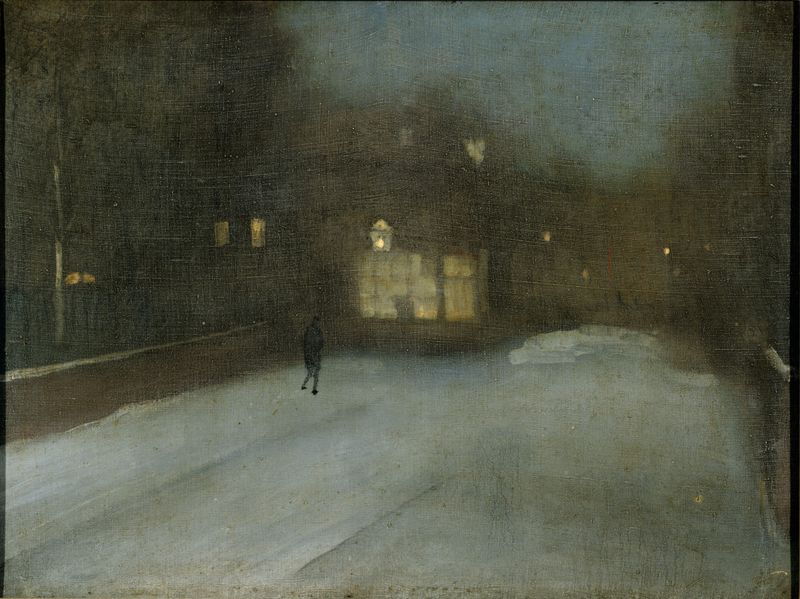
Nocturne in Grey and Gold: Chelsea Snow
James Abbott McNeill Whistler
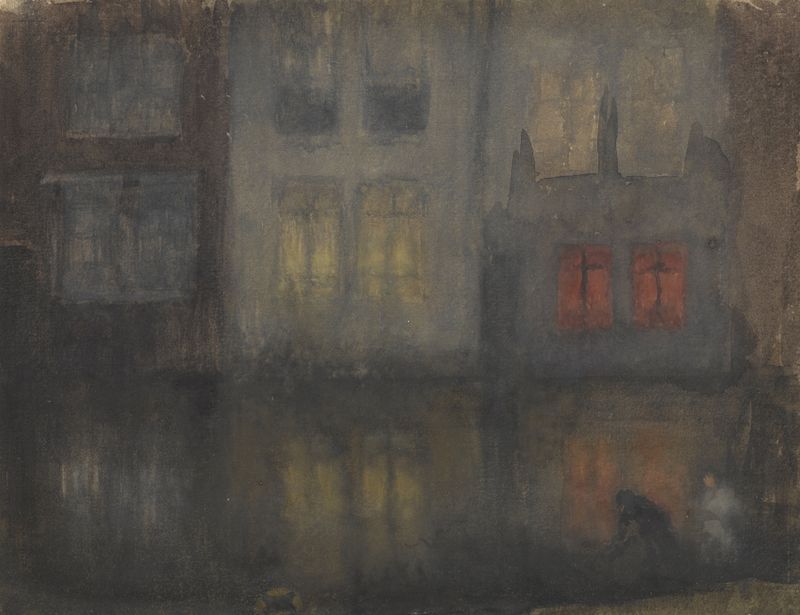
Nocturne: Black and Red—Back Canal, Holland
James Abbott McNeill Whistler
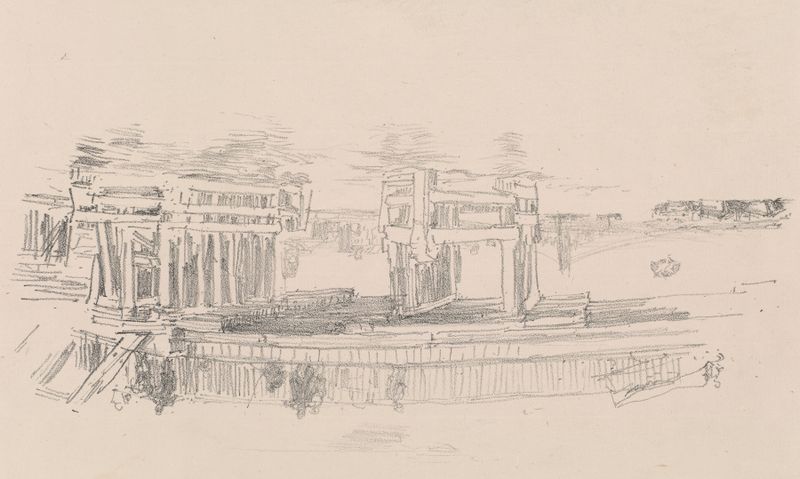
Old Battersea Bridge
James Abbott McNeill Whistler

Nocturne: Blue and Silver–Battersea Reach
James Abbott McNeill Whistler
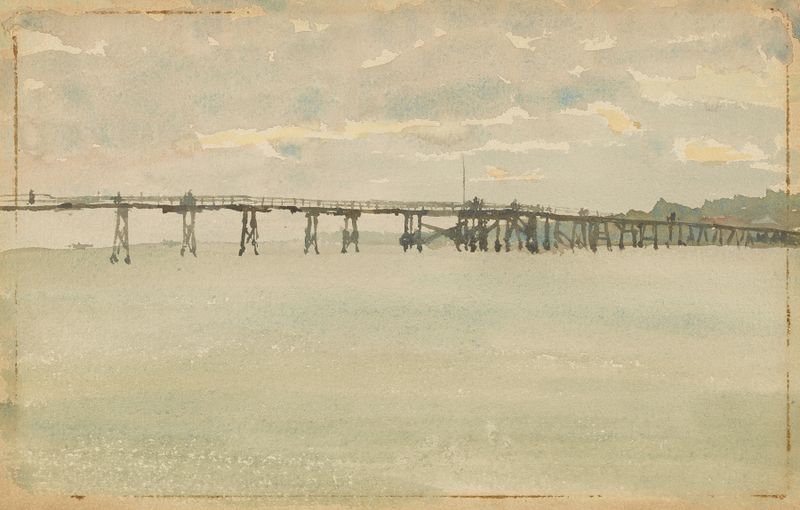
Grey and Silver–Pier, Southend
James Abbott McNeill Whistler





