
Ponte grande — History & Facts
This sentiment echoes through the intricate layers of perception in Luigi Mayer's Ponte grande, where the absence of vibrancy reveals a profound emptiness. Look to the center of the canvas, where the arching bridge commands attention. The muted tones of grey and brown envelop the scene, creating a somber atmosphere that mirrors the weight of history. Notice how the delicate strokes of paint render the stone a weathered texture, inviting contemplation.
The sparse details draw the eye toward the distant horizon, where the faint outlines of hills seem to dissolve into the fog, invoking a sense of longing for what lies beyond. Within this stillness, contrasting themes emerge: the solidity of the bridge juxtaposed with the ethereal quality of the landscape, suggesting both permanence and transience. Each brushstroke encapsulates a moment caught in time, while the void around the structure evokes feelings of solitude and introspection. The silence enveloping the scene is almost palpable, beckoning viewers to reflect on their own narratives of absence and the spaces left unfilled. Painted in 1810, Ponte grande captures a pivotal moment in Mayer's career while he was in London, exploring the relationship between man-made structures and the natural world.
This period marked a growing interest in topographical accuracy, as artists sought to document the changing landscapes of their time. As the industrial revolution loomed, this work reflects not only a personal exploration of voids but also an artistic commentary on the shifting dynamics between humanity and the environment.
More Artworks by Luigi Mayer
Browse all →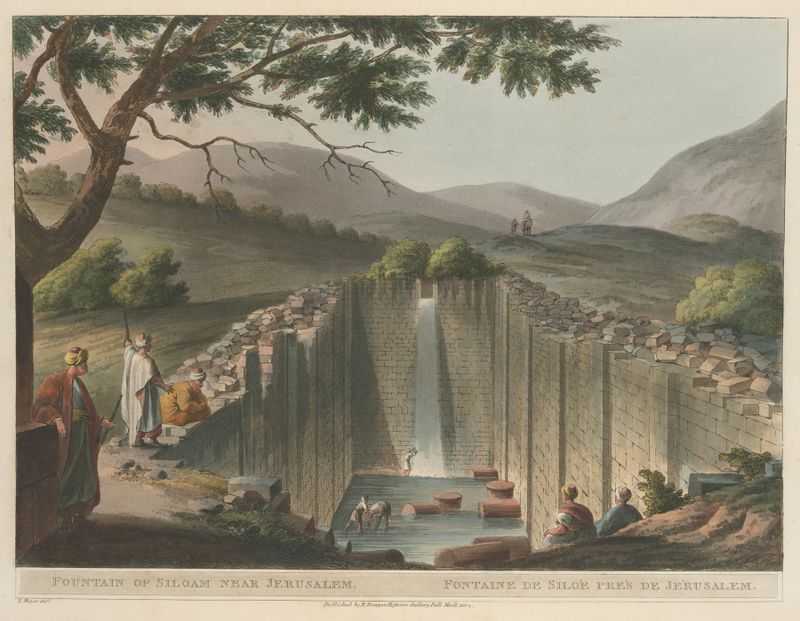
Fountain of Siloam Near Jerusalem
Luigi Mayer

View of the Dardanelles
Luigi Mayer
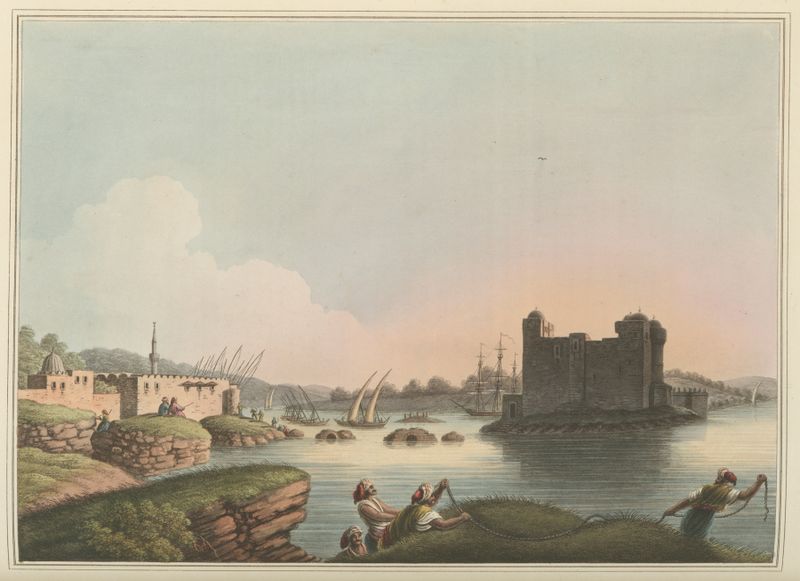
Port of Latachia
Luigi Mayer

Stadium at Ephesus
Luigi Mayer

Ancient Temples at Agrigentum
Luigi Mayer
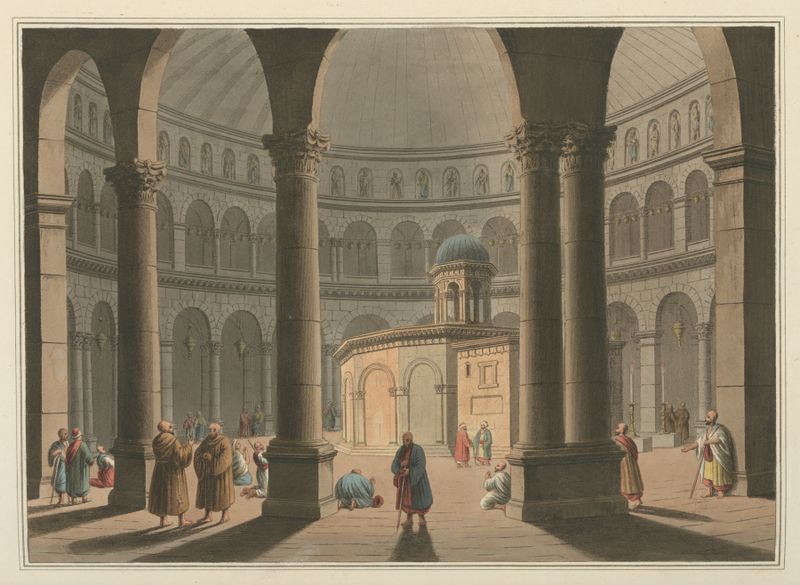
Church of the Holy Sepulchre
Luigi Mayer
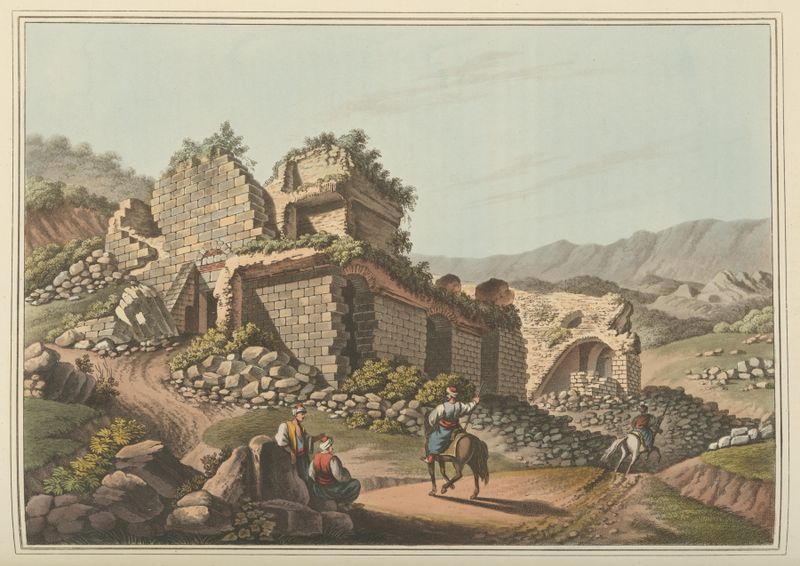
Theatre at Ephesus
Luigi Mayer
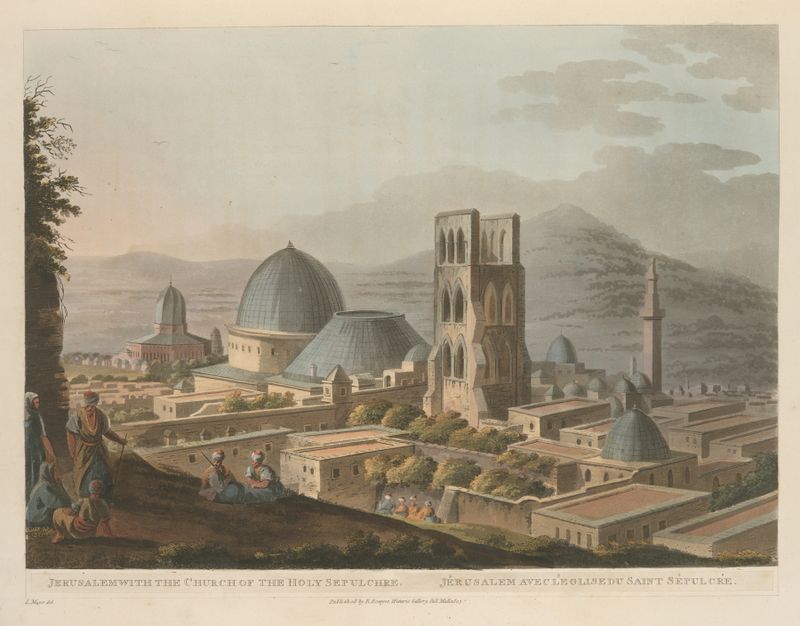
Jerusalem with the Church of the Holy Sepulchre
Luigi Mayer
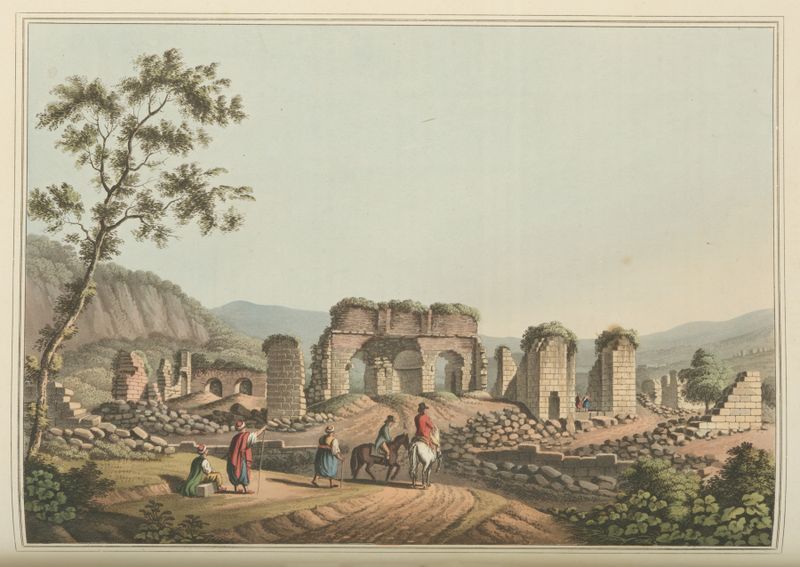
Ruins of the Temple of Diana at Ephesus
Luigi Mayer

Crater in the Island of Volcano
Luigi Mayer





