
Ponte piccolo — History & Facts
What if beauty was never meant to be finished? In the delicate strokes of a bygone era, we encounter a glimpse of eternity as time unfurls before us. Look to the center of Ponte piccolo, where the gentle arch of the bridge invites your gaze across the flowing waters beneath. The artist’s use of soft blues and warm earth tones creates a harmonious balance, while delicate brushwork imbues the scene with an ethereal quality. The interplay of light and shadow dances upon the bridge, suggesting a moment suspended, frozen in time yet alive with possibilities.
The meticulous detail of the lush foliage and the serene landscape behind it draws you deeper into this tranquil vision. Yet, beneath its tranquil surface lies a tension between the ephemeral beauty of nature and the permanence of human construction. The bridge, a symbol of connection, stands resilient against the passage of time, while the serene river reminds us of life’s transitory nature. The viewer may sense a bittersweet longing; the landscape, while idyllic, hints at the inevitability of change, a juxtaposition of the eternal and the fleeting. In 1810, Luigi Mayer found himself in a vibrant artistic milieu, painting in the context of Romanticism, which celebrated nature and emotion.
Living in London after leaving Italy, he was deeply influenced by the sublime beauty of the English landscape. The world was undergoing transformation, with industrialization looming, and his work reflects a striving to capture the essence of a world that is both beautiful and impermanent.
More Artworks by Luigi Mayer
Browse all →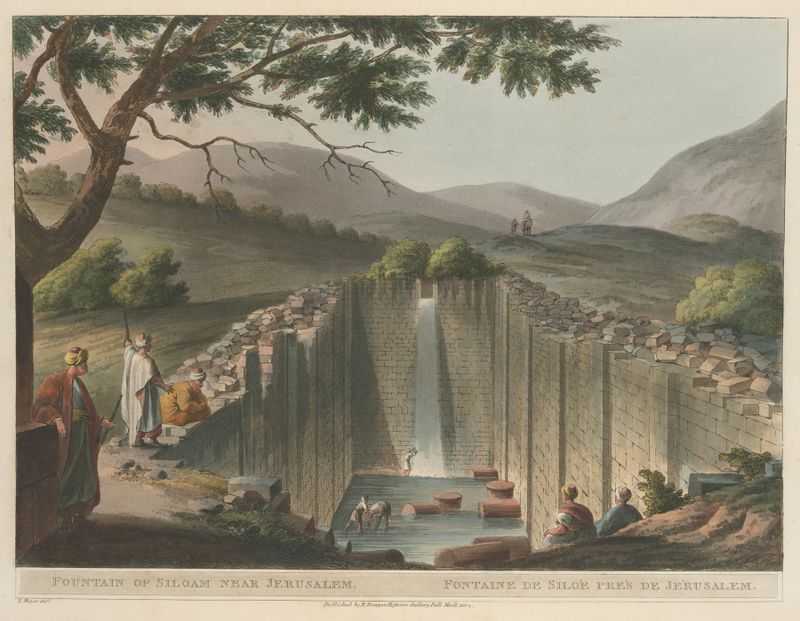
Fountain of Siloam Near Jerusalem
Luigi Mayer

View of the Dardanelles
Luigi Mayer
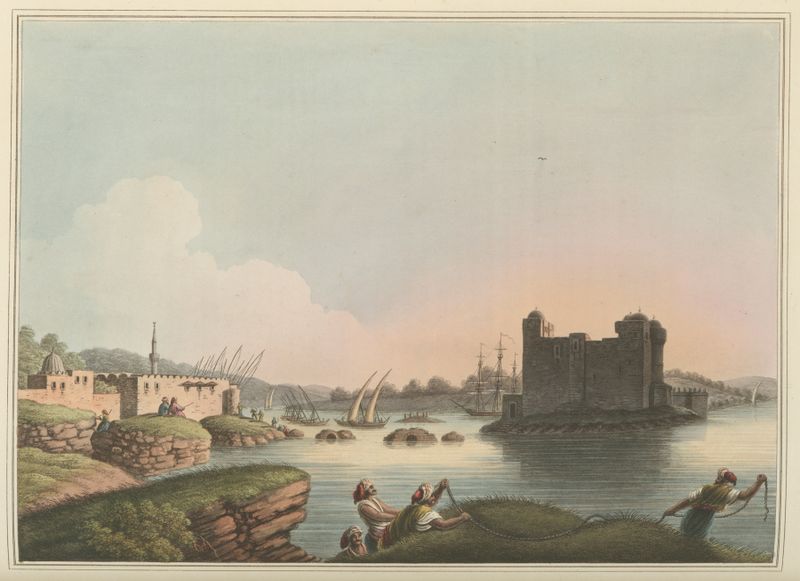
Port of Latachia
Luigi Mayer

Stadium at Ephesus
Luigi Mayer

Ancient Temples at Agrigentum
Luigi Mayer
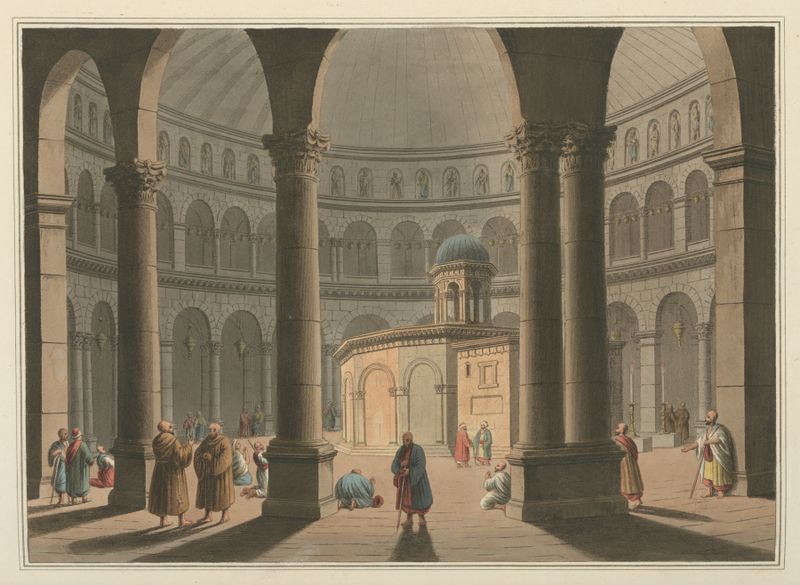
Church of the Holy Sepulchre
Luigi Mayer
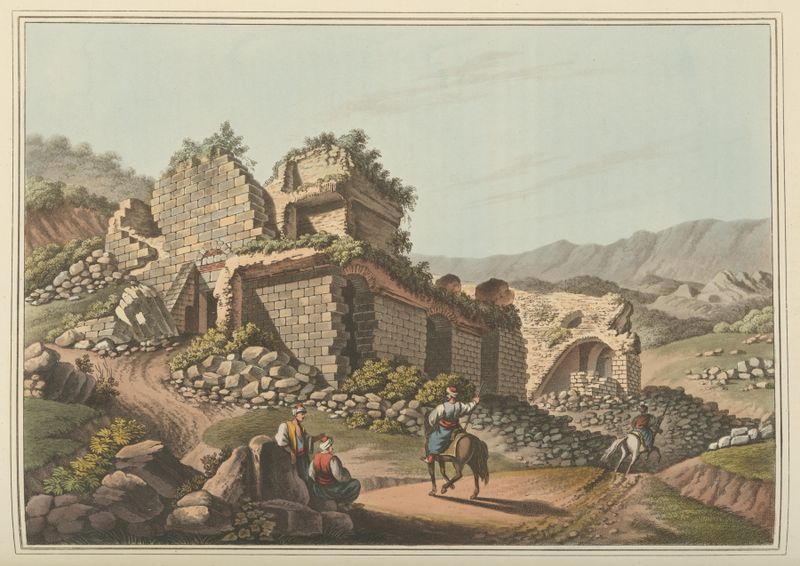
Theatre at Ephesus
Luigi Mayer
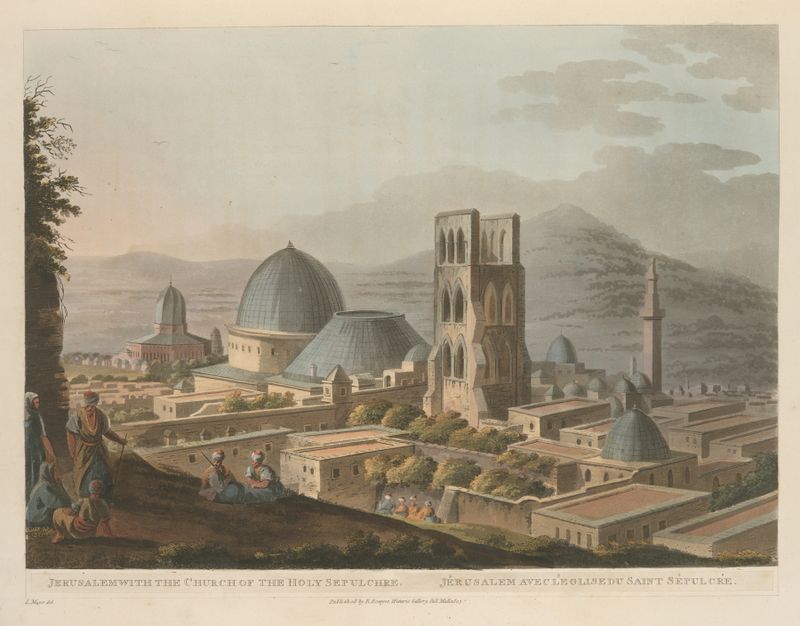
Jerusalem with the Church of the Holy Sepulchre
Luigi Mayer
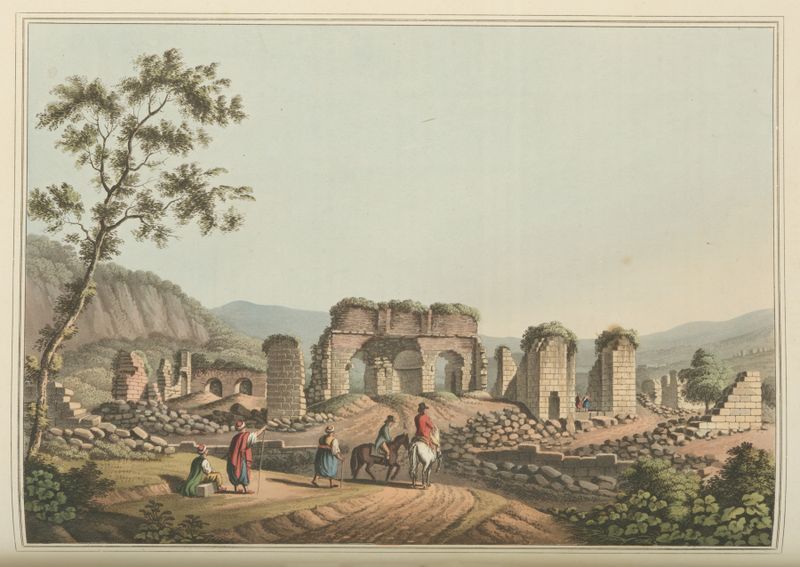
Ruins of the Temple of Diana at Ephesus
Luigi Mayer

Crater in the Island of Volcano
Luigi Mayer





