
Poplars — History & Facts
In the hushed moments of contemplation, one discovers the delicate balance between nature and abstraction, hinting at a deeper harmony within. Look to the foreground, where the slender trunks of poplar trees rise like sentinels against a backdrop of muted earth tones. Their vertical forms stretch upward, almost yearning for the sky, while the dappled sunlight filters through the leaves, creating a dance of light and shadow that invites the eye to explore. Notice how the artist’s brushstrokes vary in texture, vibrant greens merging with soft browns, suggesting not only the life within the trees but also the very essence of the landscape itself. In this work, one senses the inherent tension between the rigidity of the trees and the fluidity of their surroundings.
The contrast between the stark vertical lines and the soft, enveloping foliage reminds us of the eternal conflict between man’s structures and the untamed spirit of nature. Each stroke embodies this interplay, reflecting a moment frozen in time where serenity and chaos exist side by side, urging the viewer to find their own place within this balance. In 1901, Jan Stanisławski created Poplars during a period of rich exploration in Polish art, as artists sought to define their national identity amidst the changing tides of Europe. Living in Warsaw, he was part of a movement that embraced impressionistic techniques while contributing to the broader narrative of post-impressionism.
This painting stands as a testament to his deep appreciation for nature and his quest for equilibrium between color and form, capturing an era of artistic awakening.
More Artworks by Jan Stanisławski
Browse all →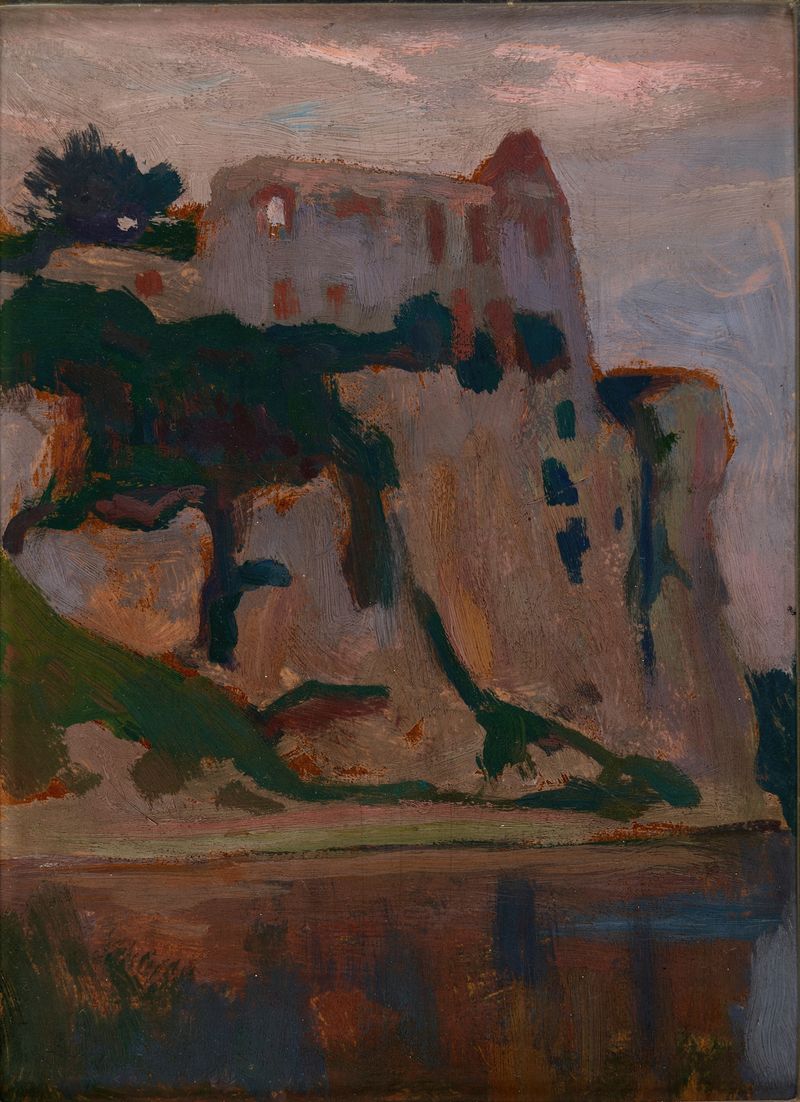
Tyniec at Dawn
Jan Stanisławski
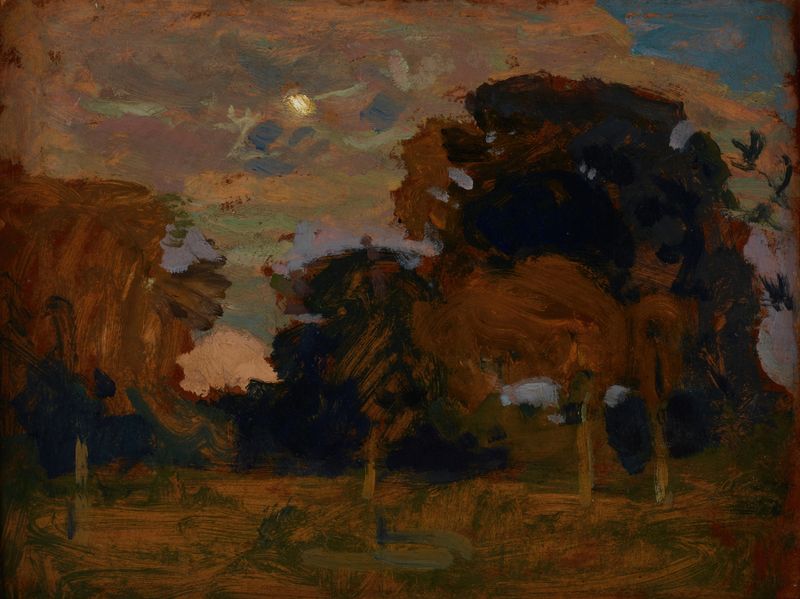
Moon in the Clouds
Jan Stanisławski
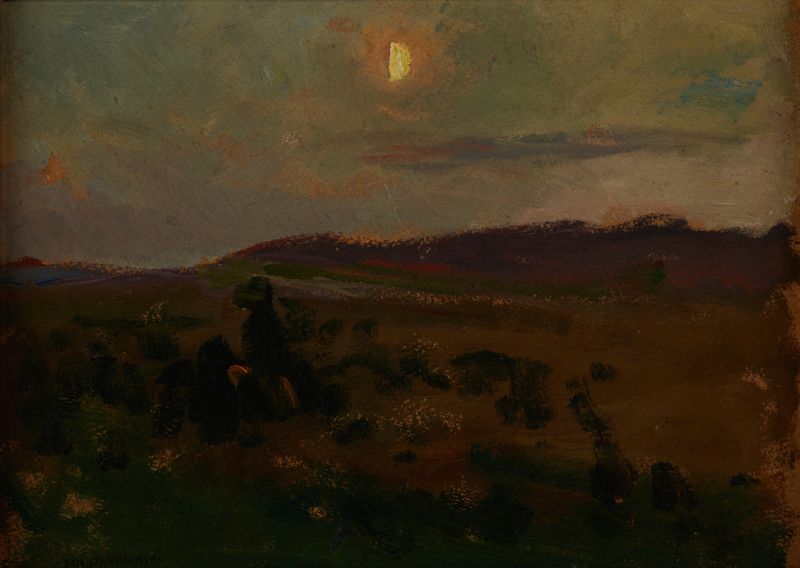
Moonrise
Jan Stanisławski
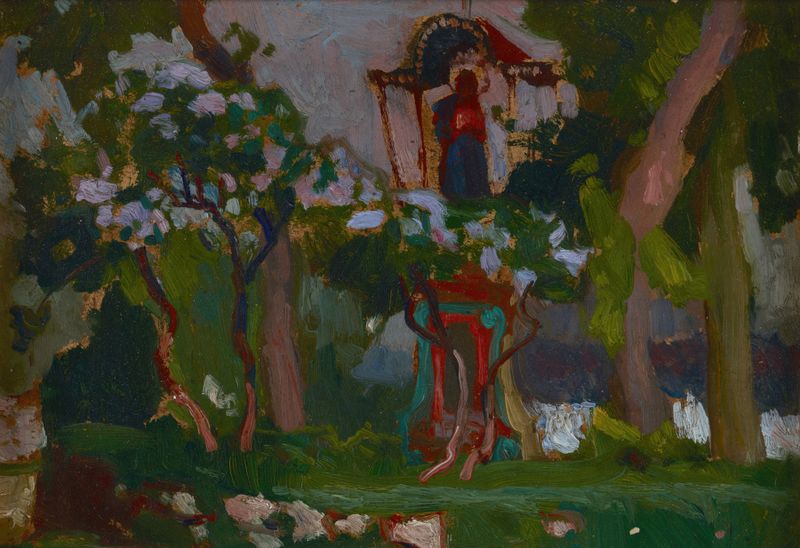
May
Jan Stanisławski
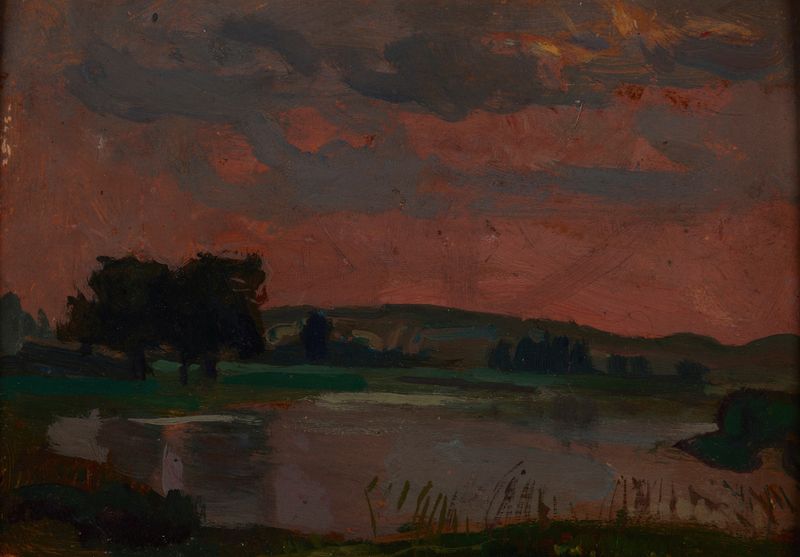
The Vistula in the Twilight
Jan Stanisławski
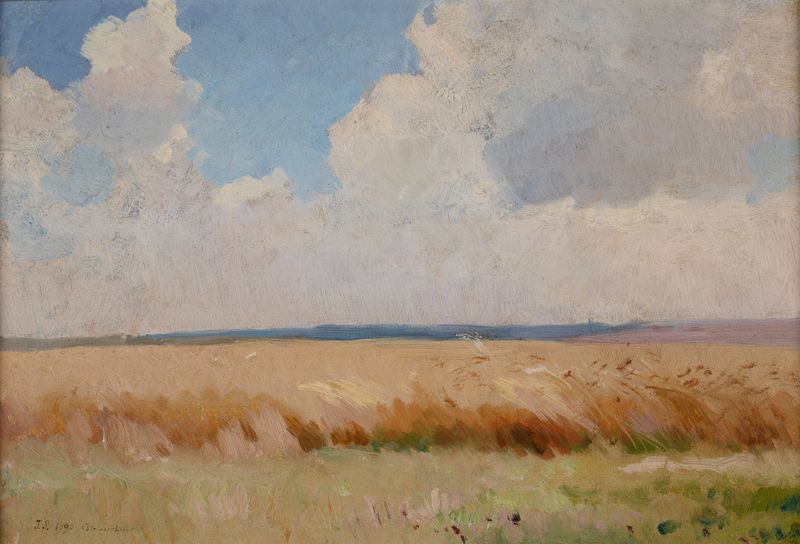
Field at Białocerkiew (Bila Tserkva)
Jan Stanisławski
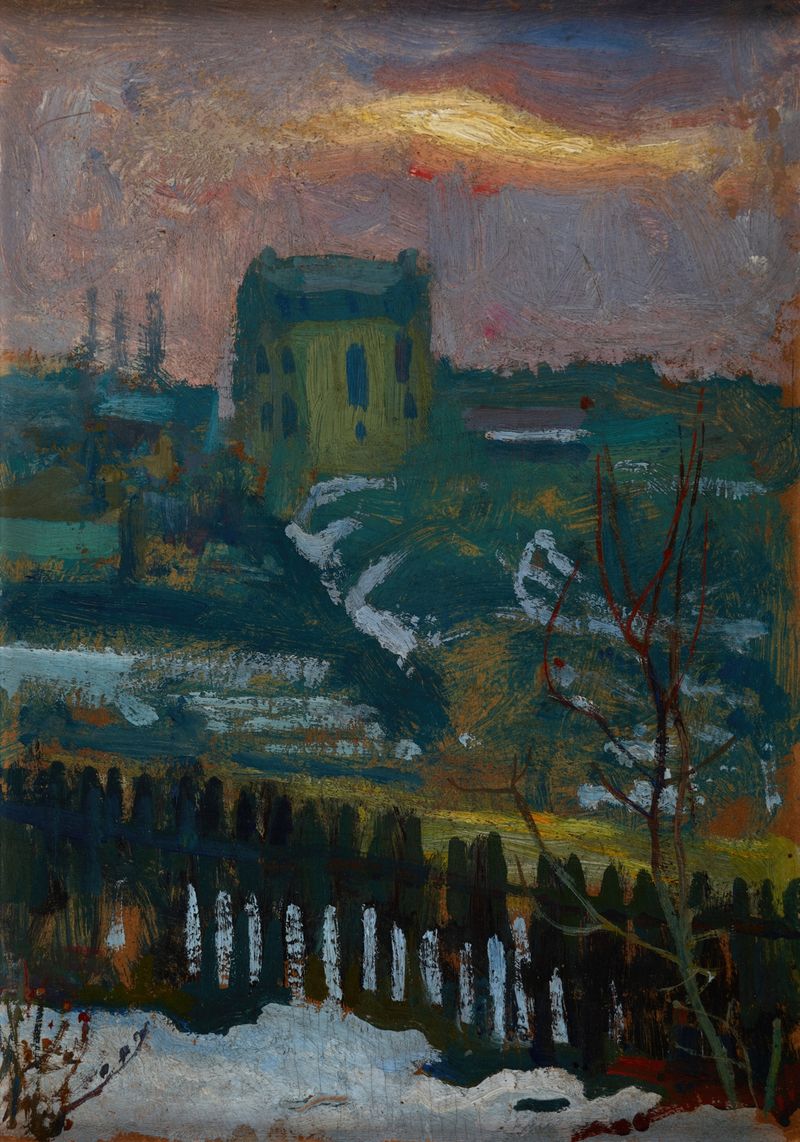
House in Winter
Jan Stanisławski
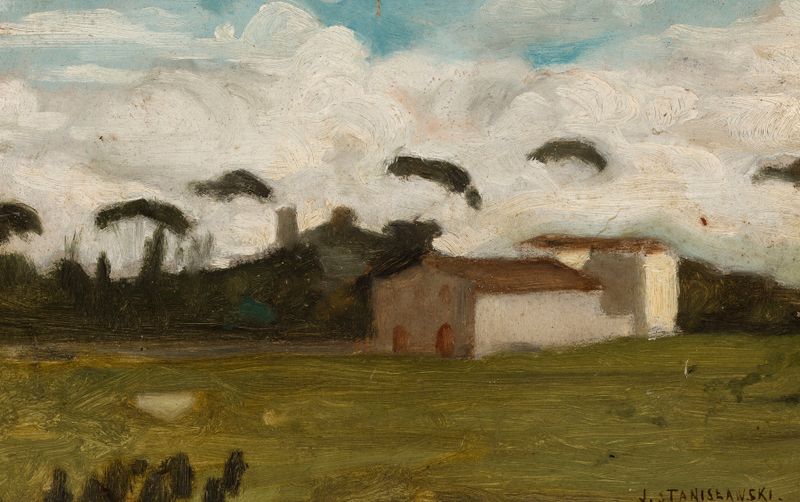
Landscape
Jan Stanisławski
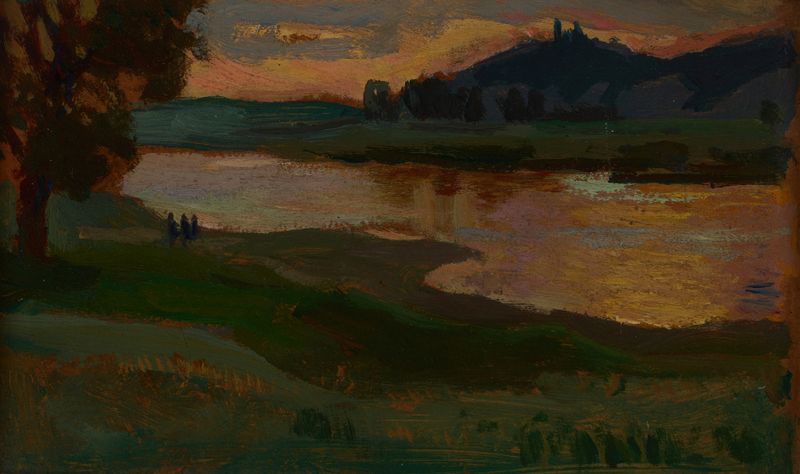
Bielany at Dusk
Jan Stanisławski
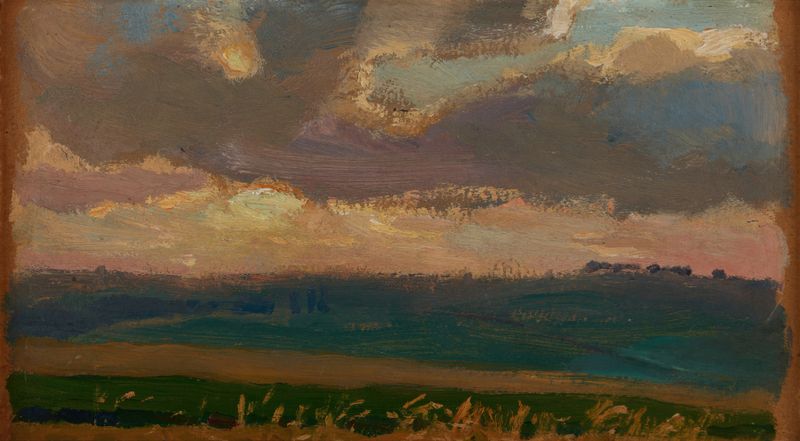
Fields at Proszowice
Jan Stanisławski





