
Poplars — History & Facts
Is this a mirror — or a memory? The delicate interplay between reality and recollection unfolds within the serene landscape, inviting us to ponder the nature of time and experience. Focus on the gentle sway of the tall poplars, their slender trunks drawing the eye upward, as if reaching for an elusive sky. Notice how the dappled sunlight filters through the leaves, casting intricate shadows on the ground below. The soft palette of greens and browns evokes a sense of tranquility, while the splashes of light create a harmonious balance, blending the trees seamlessly into their surroundings.
This masterful technique encapsulates a fleeting moment, urging the viewer to linger in the stillness of nature. The emotional tension is encapsulated in the juxtaposition of solidity and ephemerality. The trees stand firm, symbols of resilience and continuity, while the shimmering reflections in the nearby water suggest the transient nature of memory itself. Each ripple distorts the image, echoing how memories often shift and change over time, yet remain anchored in our consciousness.
This duality resonates deeply, inviting introspection and connection to our own past experiences. In 1901, Jan Stanisławski painted Poplars during a period of burgeoning exploration in Polish art, where the influence of Impressionism began to weave into the fabric of local aesthetics. Living in the artistic haven of Warsaw, Stanisławski was deeply engaged with capturing the nuances of the natural world, striving to translate emotion onto canvas. The work reflects not only his personal journey as an artist but also the broader cultural renaissance taking place in Poland at the turn of the century.
More Artworks by Jan Stanisławski
Browse all →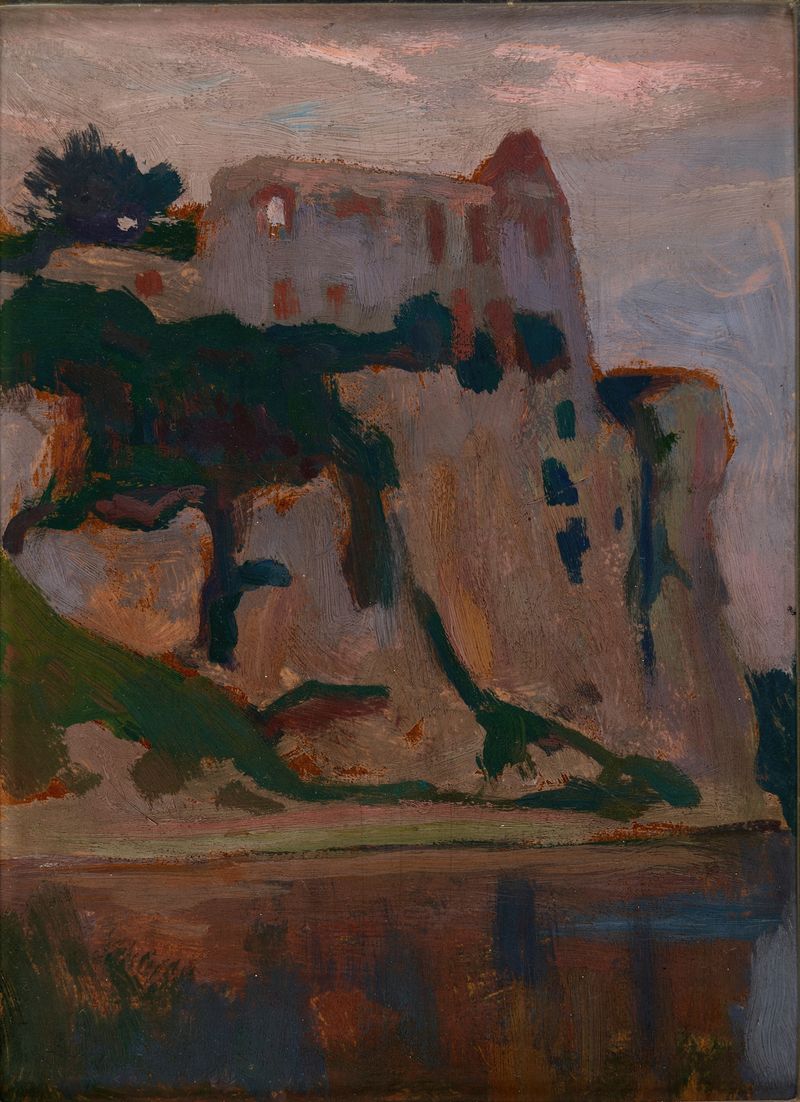
Tyniec at Dawn
Jan Stanisławski
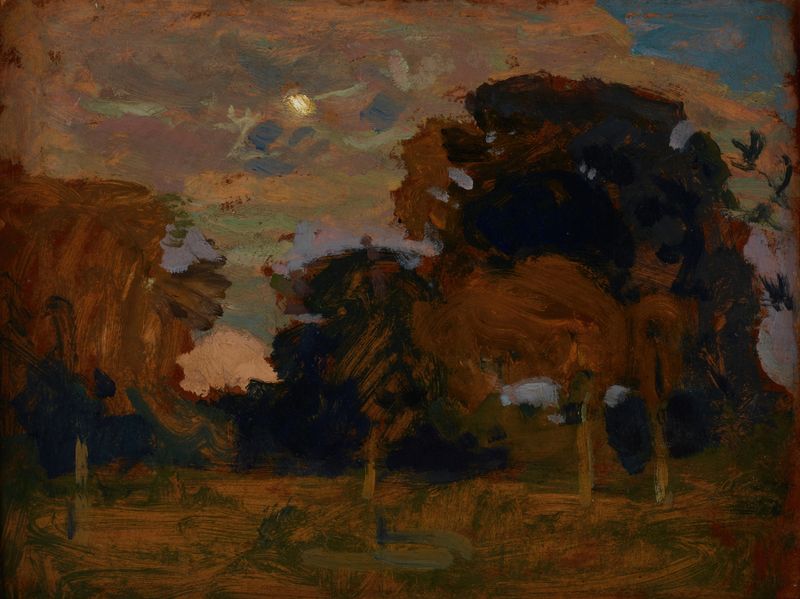
Moon in the Clouds
Jan Stanisławski
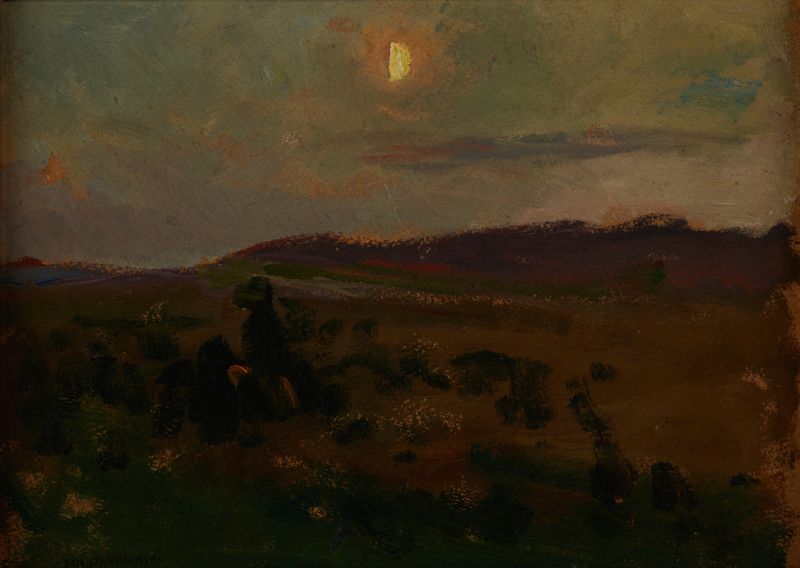
Moonrise
Jan Stanisławski
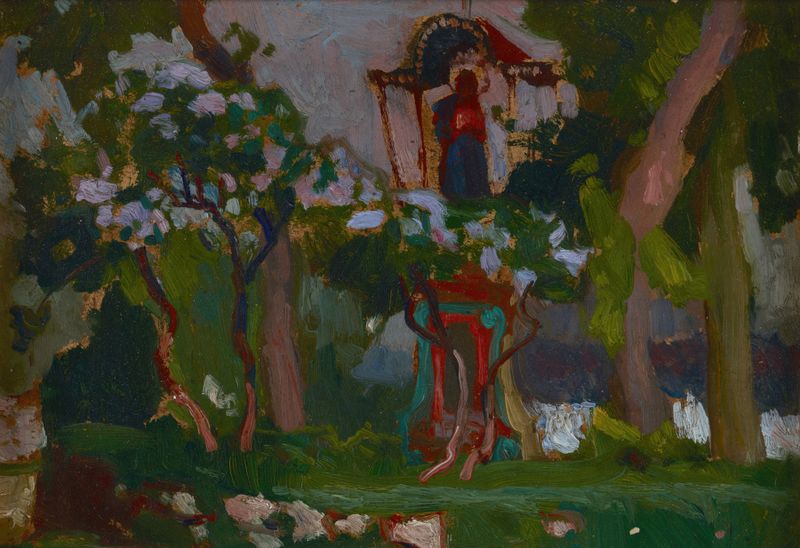
May
Jan Stanisławski
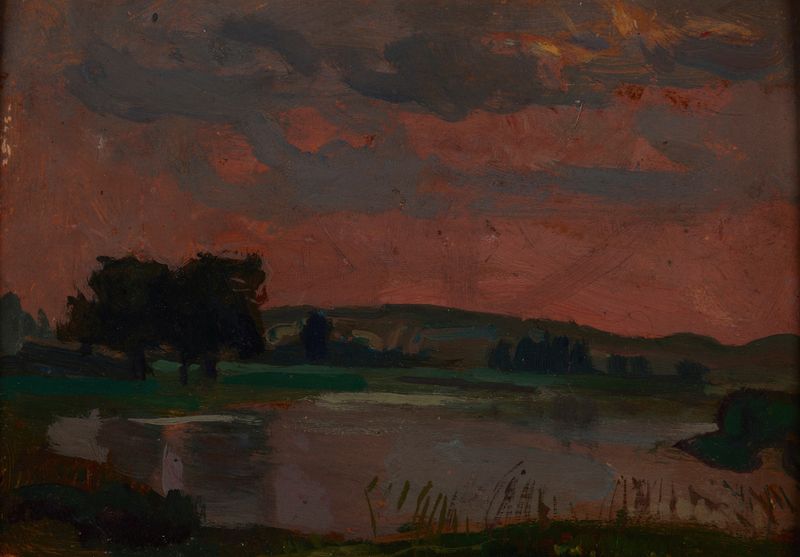
The Vistula in the Twilight
Jan Stanisławski
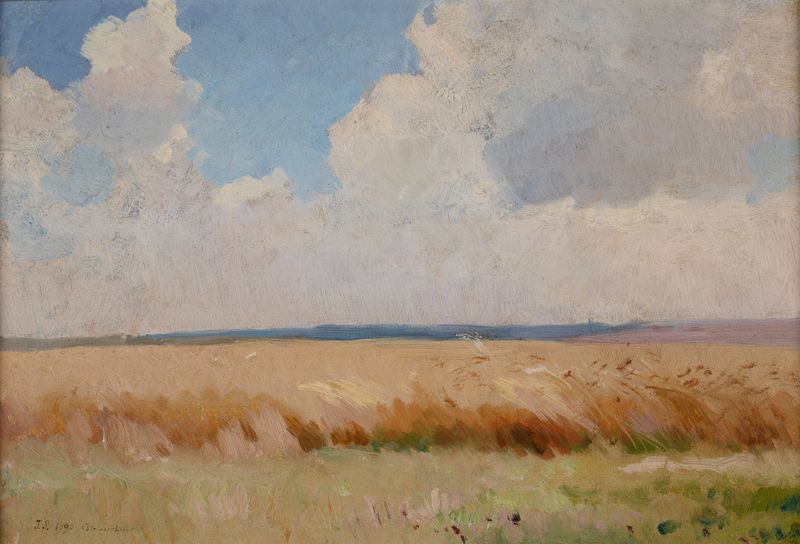
Field at Białocerkiew (Bila Tserkva)
Jan Stanisławski
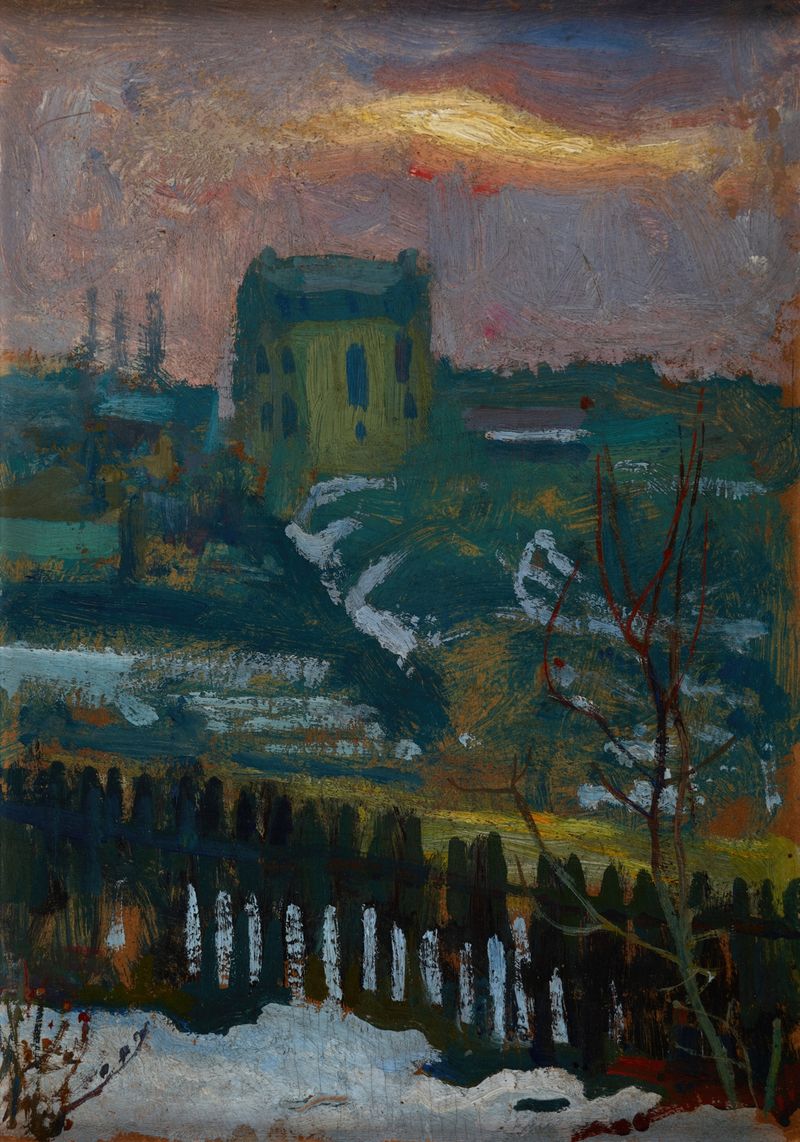
House in Winter
Jan Stanisławski
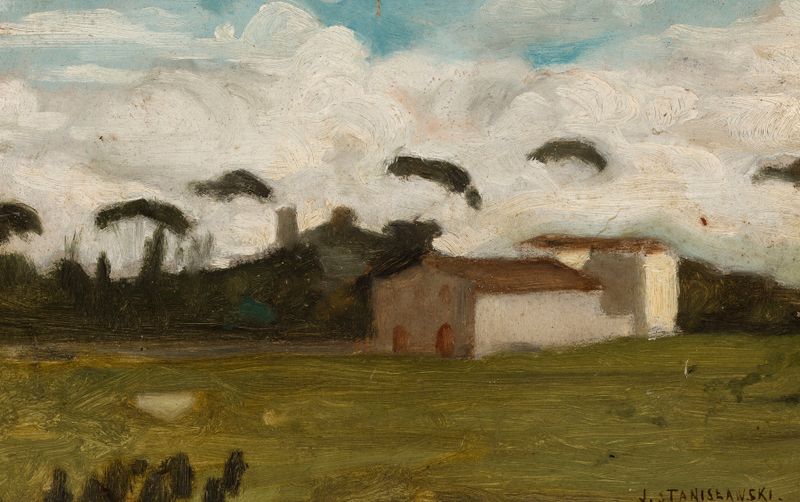
Landscape
Jan Stanisławski
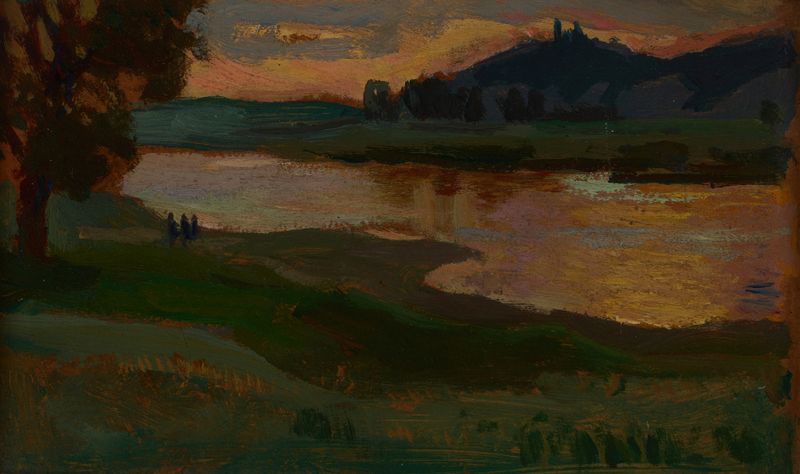
Bielany at Dusk
Jan Stanisławski
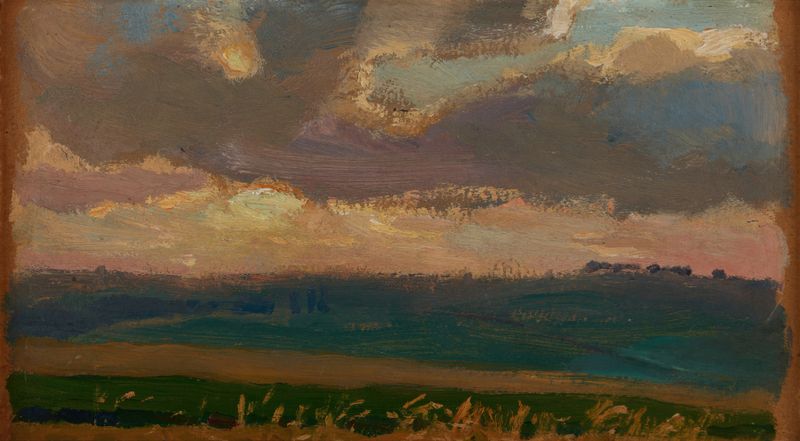
Fields at Proszowice
Jan Stanisławski





