
Port d’Ostende — History & Facts
Can beauty exist without sorrow? In Port d’Ostende, the shimmering harbor evokes a sense of longing, a delicate dance between desire and melancholy. Look to the foreground where a solitary figure stands, gazing pensively over the tranquil waters. The gentle waves reflect the soft colors of dusk, hues of lavender and gold blending seamlessly. Notice how the light falls upon the boats, their sails slightly billowing as if whispering secrets of distant lands.
Taelemans employs a masterful touch with his brushwork, creating a sense of movement that invites viewers to step into the scene and linger. The play of light and shadow speaks to the tension between hope and despair, the boats representing unattainable dreams. The solitary figure embodies this duality; their posture suggests both contemplation and yearning, evoking a silent narrative of what lies beyond the horizon. This tension is further amplified by the cool blues of the water juxtaposed against the warm tones of the sky, a visual metaphor for the emotional complexity of desire itself. In the late 1920s, Jean-François Taelemans was immersed in the vibrant art scene of Belgium, where post-war sentiments began to shape artistic expression.
Working in Ostend, a bustling port city, he captured the essence of life at the water's edge. This period marked a shift toward modernism, and Taelemans, inspired by his surroundings, channeled the collective longing for connection and beauty, all while reflecting the subtleties of the human condition.
More Artworks by Jean-François Taelemans
Browse all →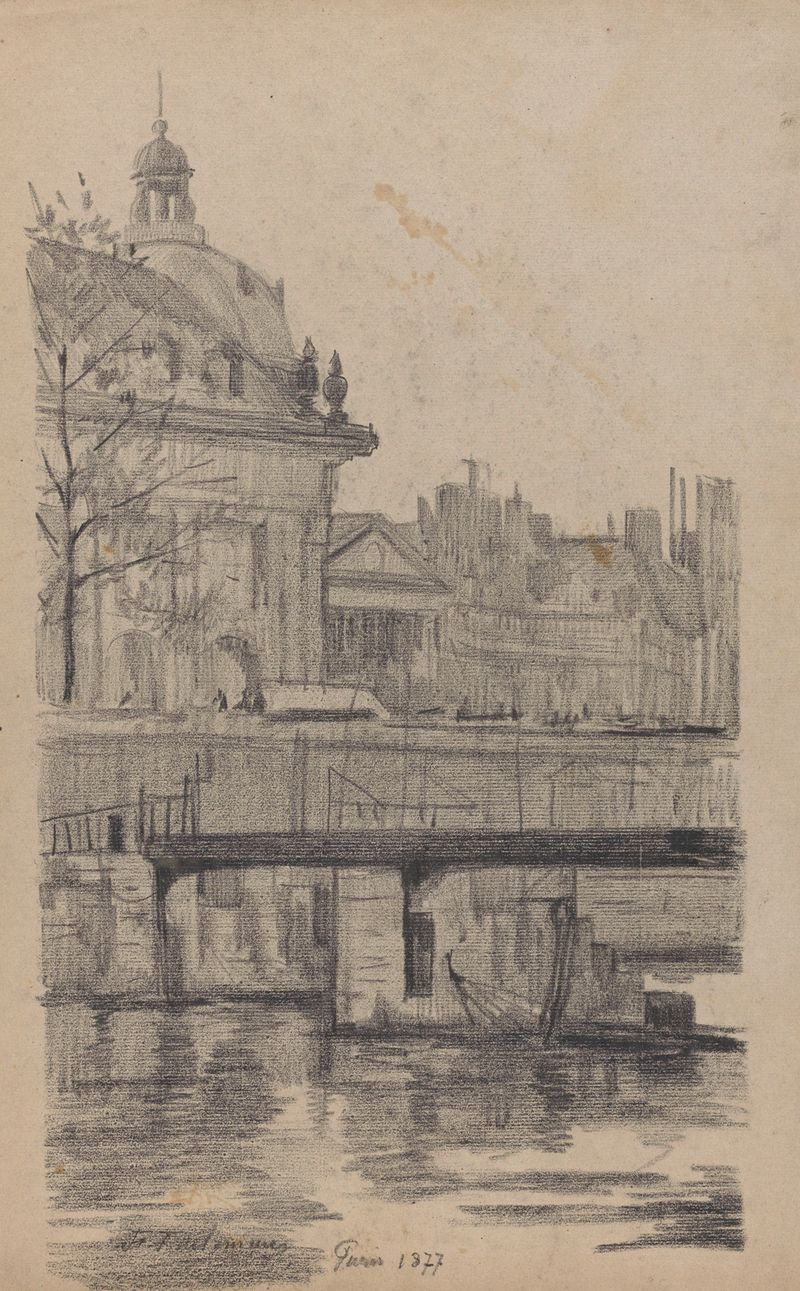
Paris (vue de la Seine et du Collège des Quatre Nations (actuellement siège de l’Institut de France)
Jean-François Taelemans
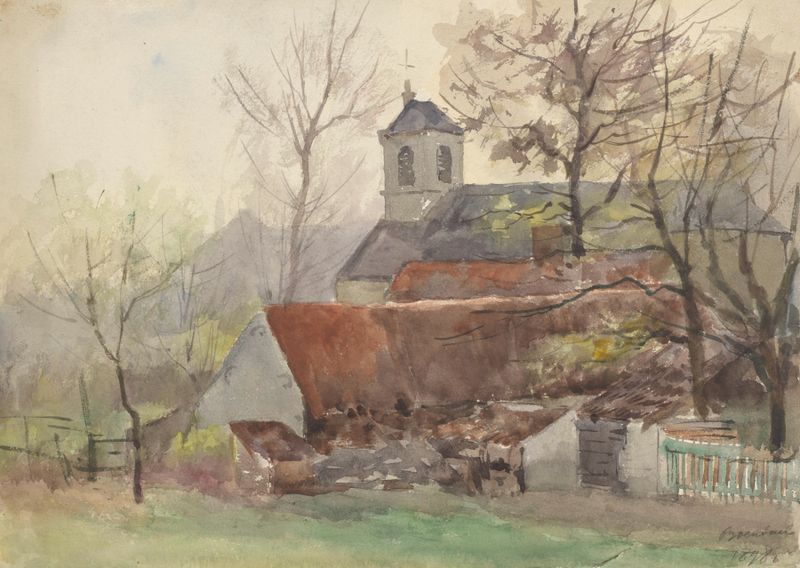
Boendael (église)
Jean-François Taelemans
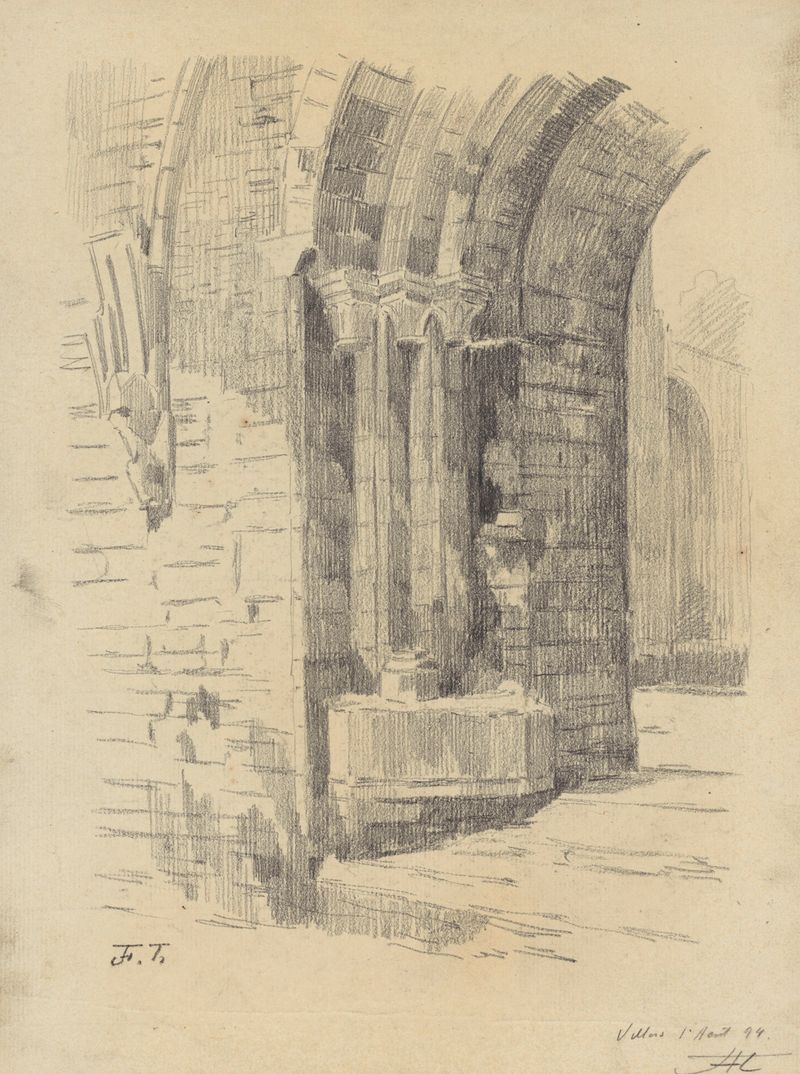
Ruines de l’abbaye de Villers-la-Ville – porche entre le cloître et l’église abbatiale (côté droit)
Jean-François Taelemans
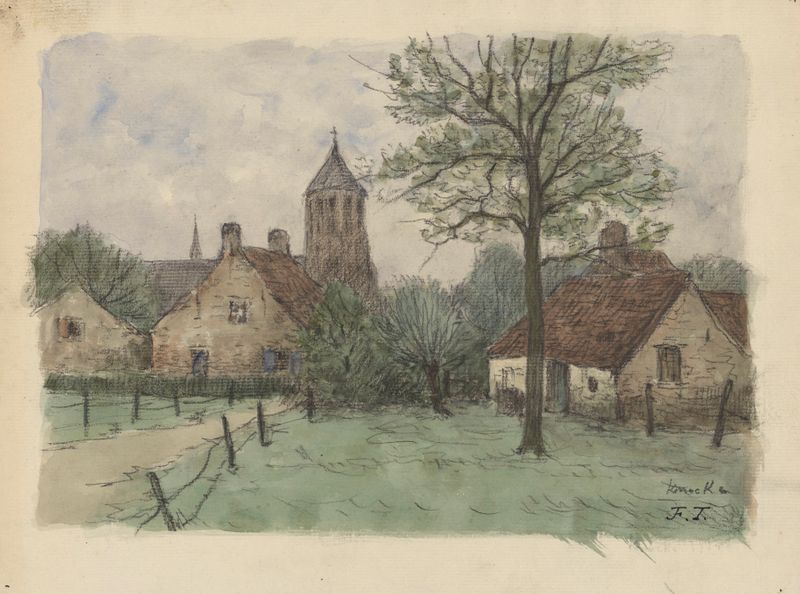
Village et église Sint Margaretha à Knocke
Jean-François Taelemans
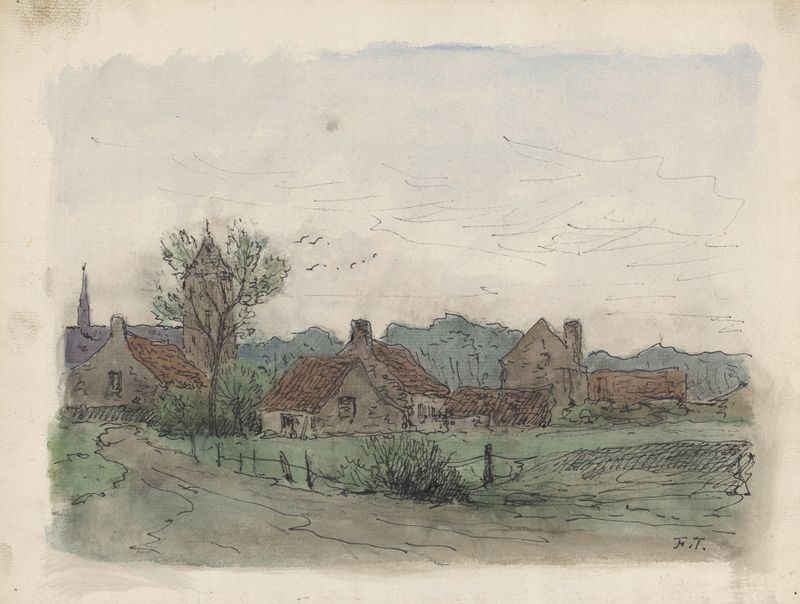
Village
Jean-François Taelemans
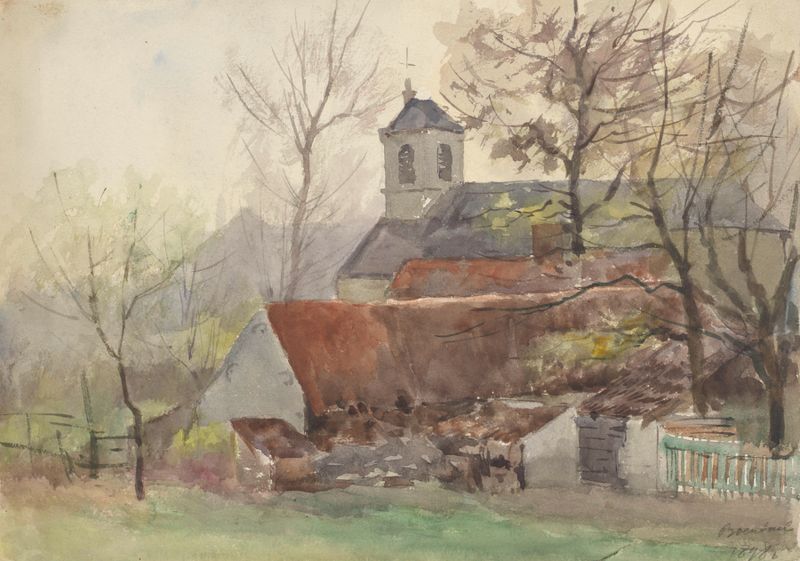
Boendael (église)
Jean-François Taelemans
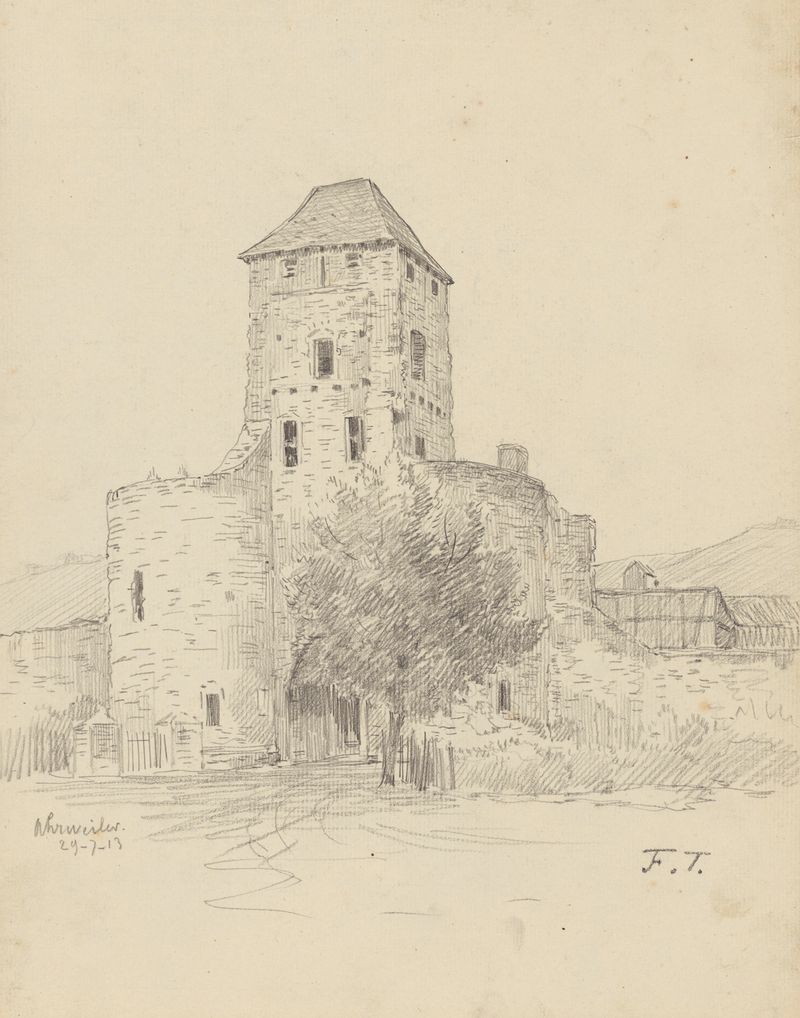
Vieille tour (porte) à Ahrweiler (Allemagne)
Jean-François Taelemans
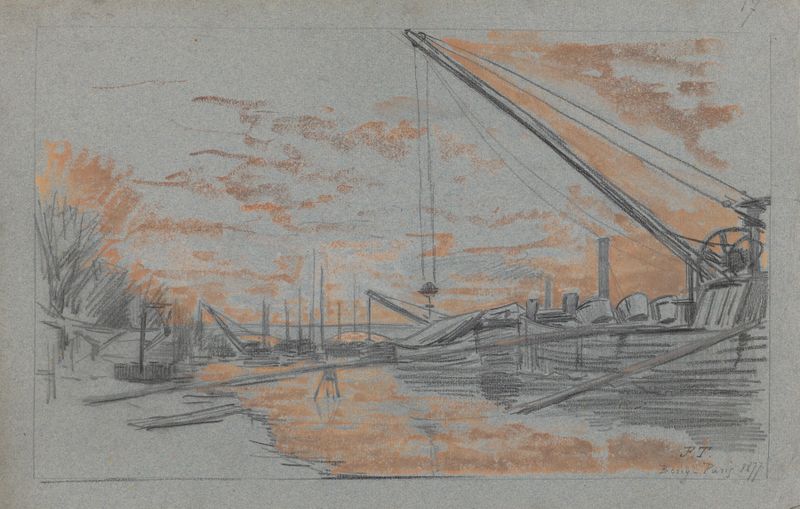
Bercy – Paris (bord de Seine avec chalands à l’ancre en cours de chargement, soleil couchant)
Jean-François Taelemans
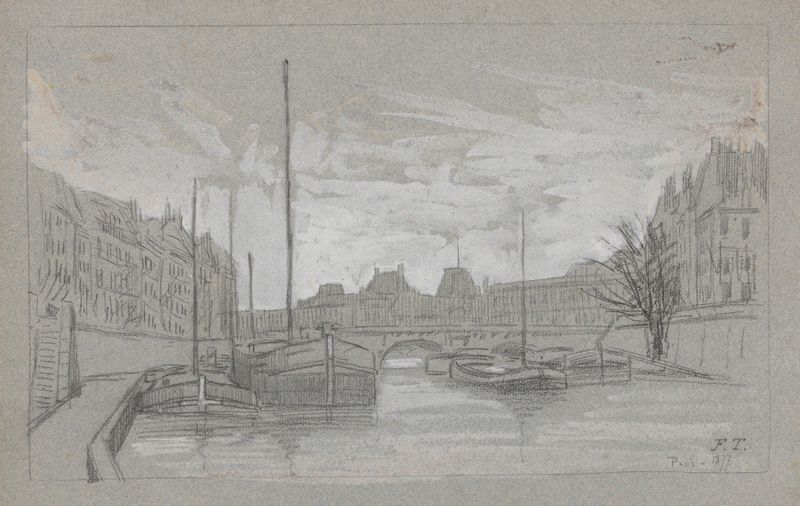
Paris (bateaux sur la Seine près d’un pont)
Jean-François Taelemans
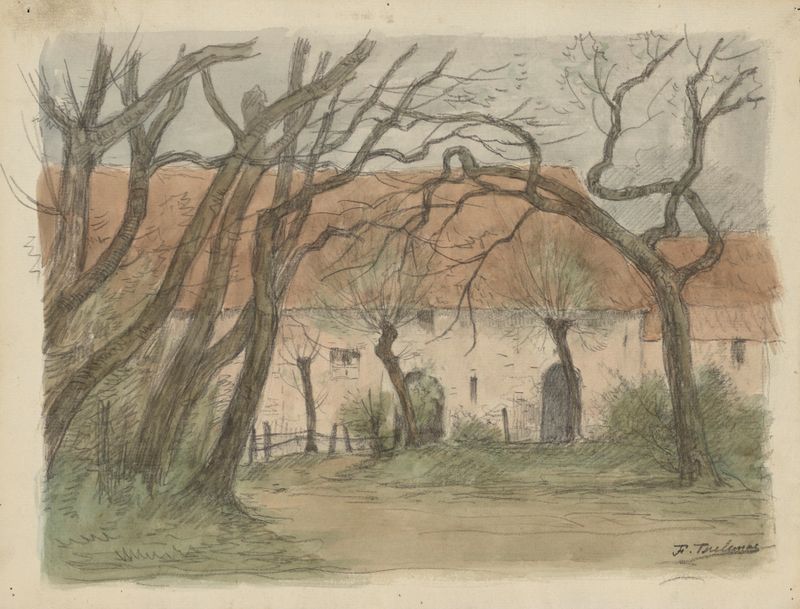
Grande maison campagnarde derrière un bouquet d’arbres
Jean-François Taelemans





