
Portrait of a boy — History & Facts
What holds the viewer first is the boy’s gaze—steady, almost adult in its self-possession, meeting us from beneath the shadow of a broad, soft hat. The light, gentle but insistent, finds his cheek and the tip of his nose, drawing attention to the subtle flush of youth and the beginnings of self-awareness. There is a quiet confidence in the set of his mouth and the directness of his eyes, as if he has just turned toward us, caught between curiosity and reserve.
The background is a muted haze, pushing the young sitter forward, his presence immediate and unadorned. Every brushstroke in the hair and hat seems chosen to keep our attention on the face, the real subject of the painting. This portrait belongs to the world of seventeenth-century Dutch art, where painters like Adriaen van Ostade found poetry in everyday faces. Between 1640 and 1685, artists in the northern provinces were experimenting with new ways of seeing and representing ordinary people, often for a growing middle-class audience that wanted images of themselves and their children.
While van Ostade is better known for his lively scenes of peasant life, here he turns his attention to the quiet drama of a single child, rendered with care and individuality. The painting now resides in the Geheugen van Nederland collection, a reminder that history has kept few traces of this boy’s life—except for this moment, preserved in paint, inviting us to wonder who he was.
More Artworks by Adriaen van Ostade

Dans in de herberg
Adriaen van Ostade
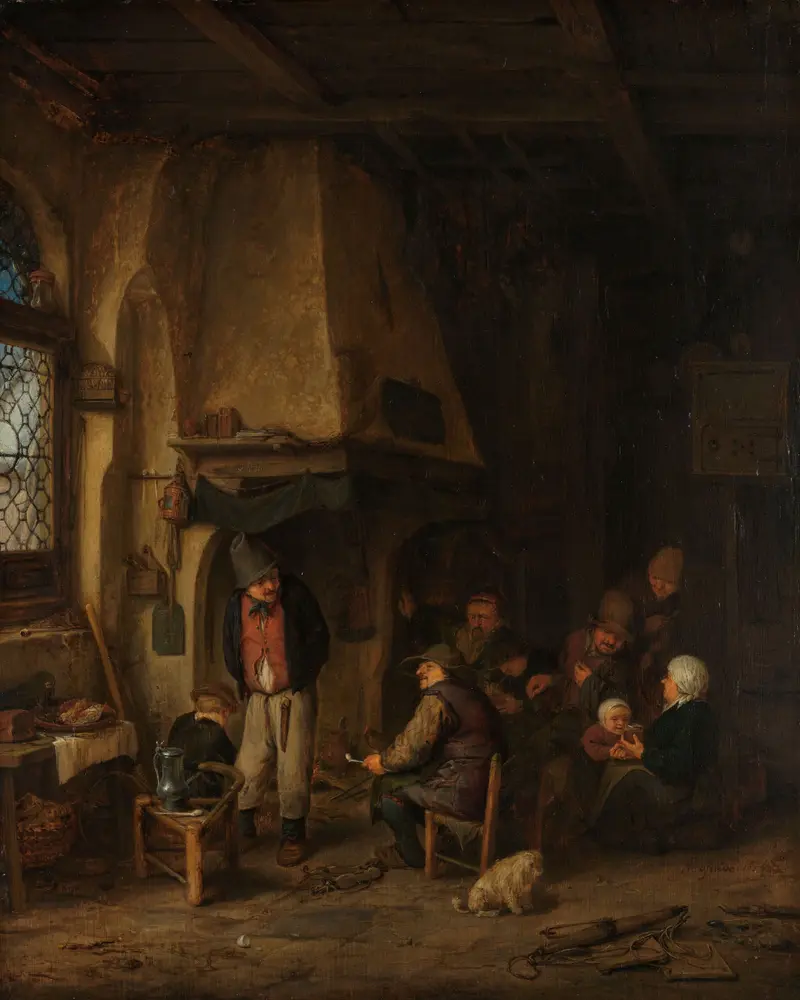
‘The Skaters’: Peasants in an Interior
Adriaen van Ostade
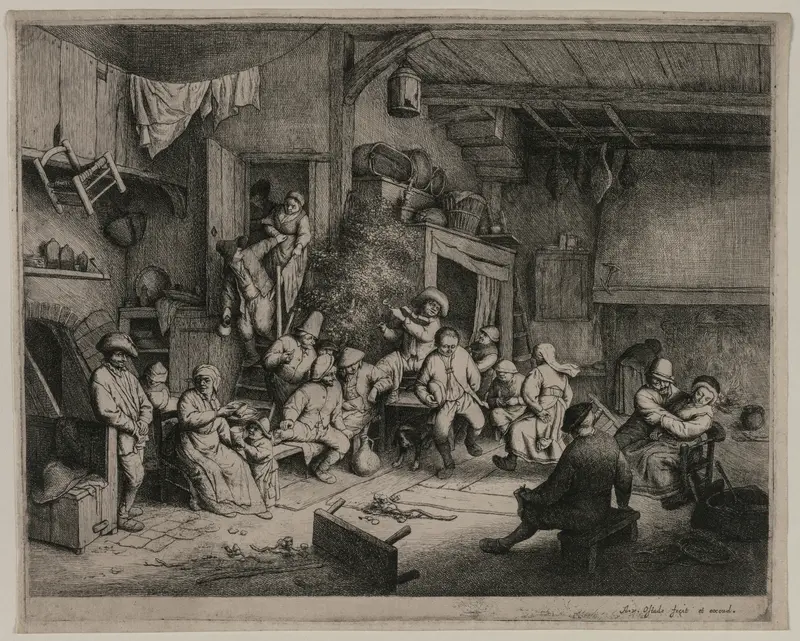
Dance at the Inn
Adriaen van Ostade
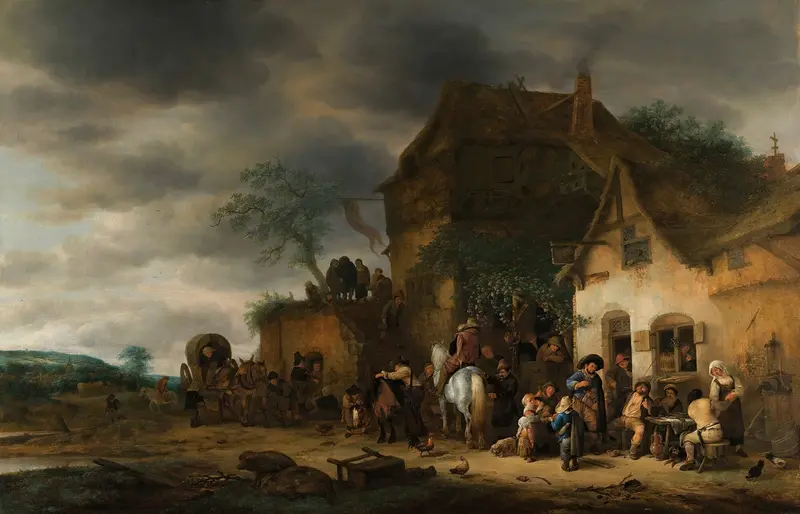
Travellers Halted At A Country Inn
Adriaen van Ostade
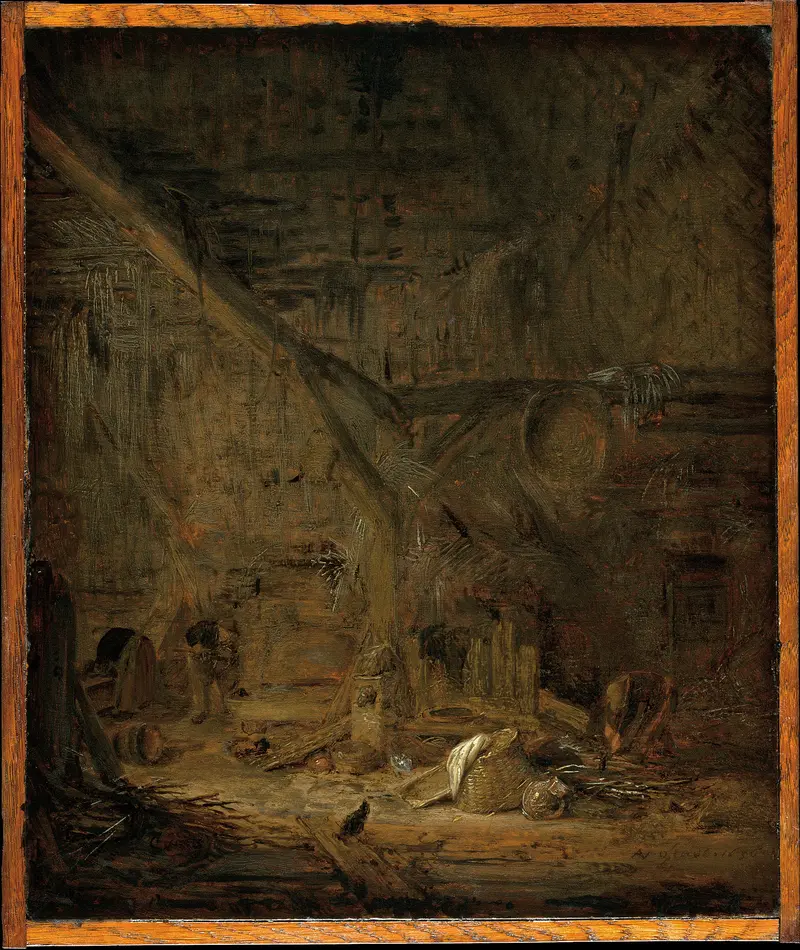
Interior of a Barn
Adriaen van Ostade
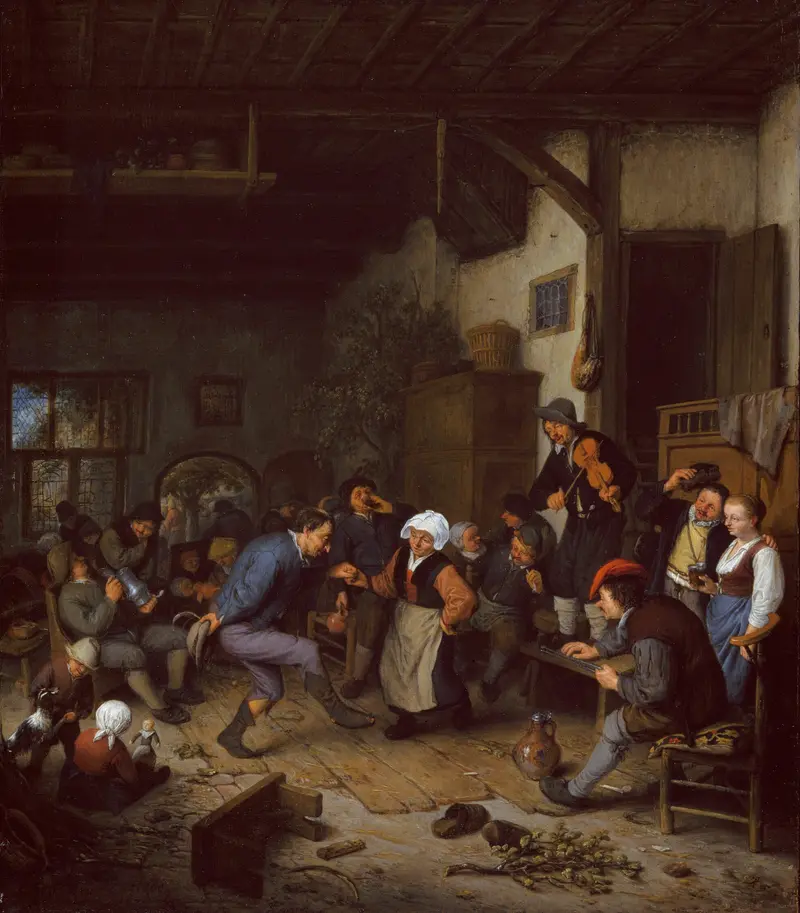
Merrymakers in an Inn
Adriaen van Ostade
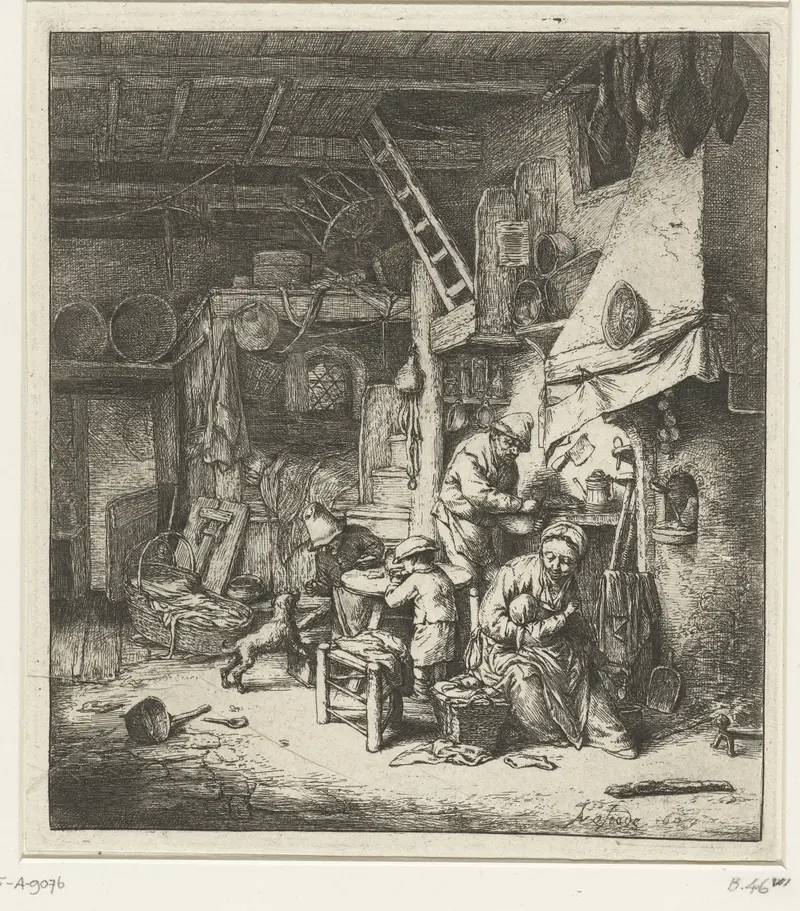
Boerengezin in interieur
Adriaen van Ostade
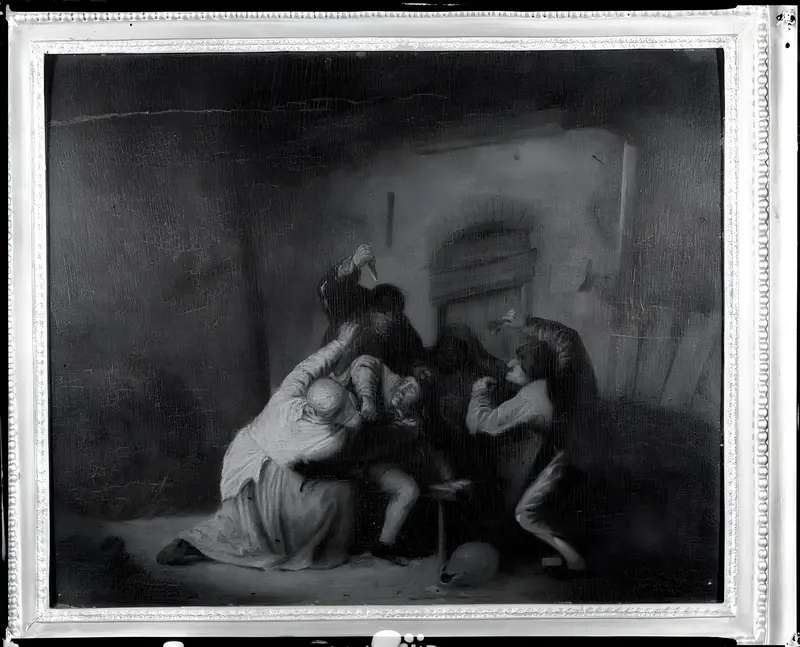
Peasants Brawling in a Tavern
Adriaen van Ostade
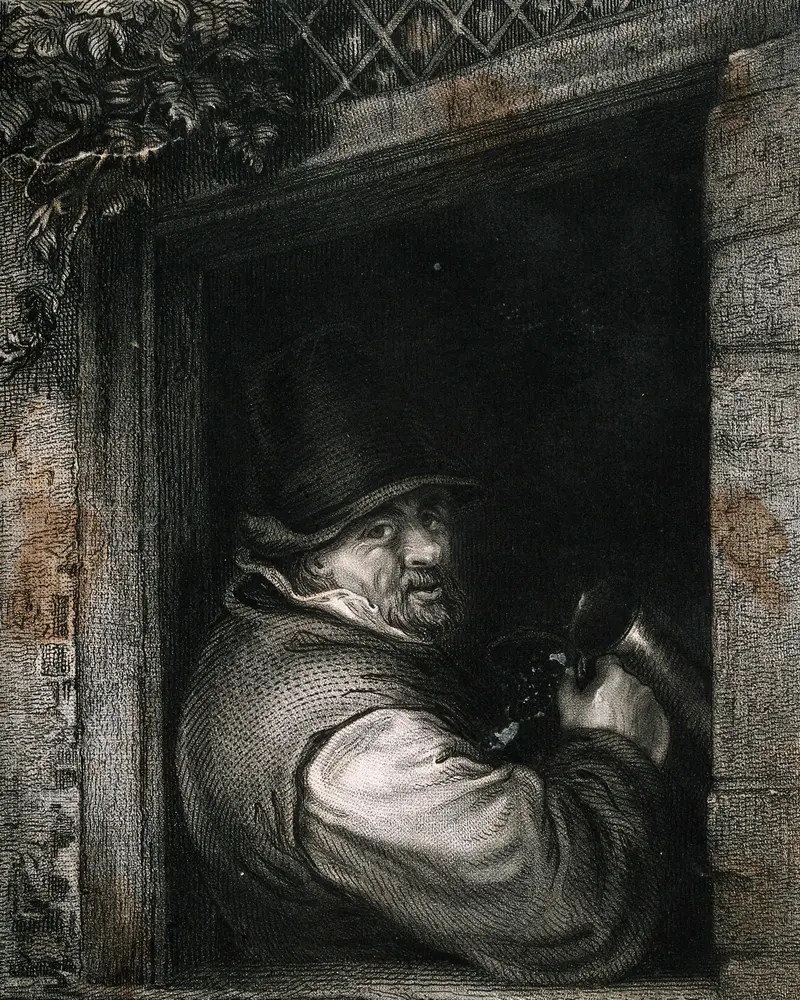
Man with a Tankard at a Window
Adriaen van Ostade
Dans in de herberg
Adriaen van Ostade





