
Portrait of a Gentleman Netting Partridges — History & Facts
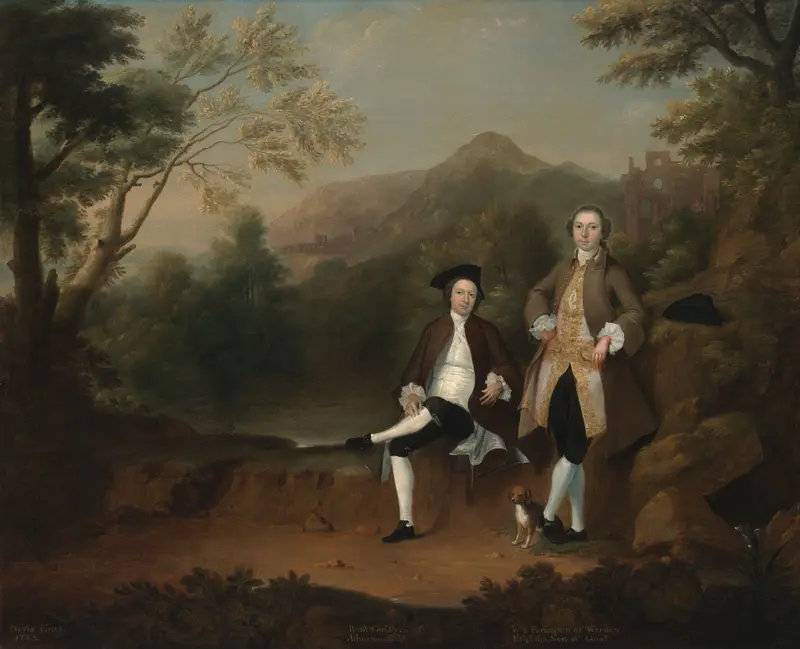
What first catches the eye in Portrait of a Gentleman Netting Partridges is the poised stillness of the figure, caught in the midst of an action that is both genteel and practical. The gentleman stands alone on a gentle slope, his fine coat and stockings setting him apart from the rustic landscape that rolls away behind him. His hands, delicately engaged in the work of setting a net, draw the viewer’s attention to the subtle tension between leisure and labor—a balance that defined the English landed classes of the mid-eighteenth century.
The scattered partridges at his feet, along with the waiting gun and attentive dog, are not just trophies but emblems of skill and status. Light falls gently from the left, illuminating his face and the crisp folds of his attire, while the distant house and winding river invite the eye to wander into the cool, ordered countryside beyond. Painted in 1756, this work belongs to a world where portraiture often doubled as a declaration of identity and aspiration. In the England of Arthur Devis, gentlemen commissioned such images to affirm their place in society, their land, and their pursuits.
The genre thrived on the quiet display of property, taste, and accomplishment—here, the act of netting partridges stands for a life lived in harmony with estate and tradition. While history has kept few traces of this particular sitter or his story, the painting survives as a testament to the rituals and rhythms of Georgian country life. Look again at the gentleman’s calm gaze: it is as much a challenge as an invitation, asking the viewer to step into his world, if only for a moment.
More Artworks by Arthur Devis
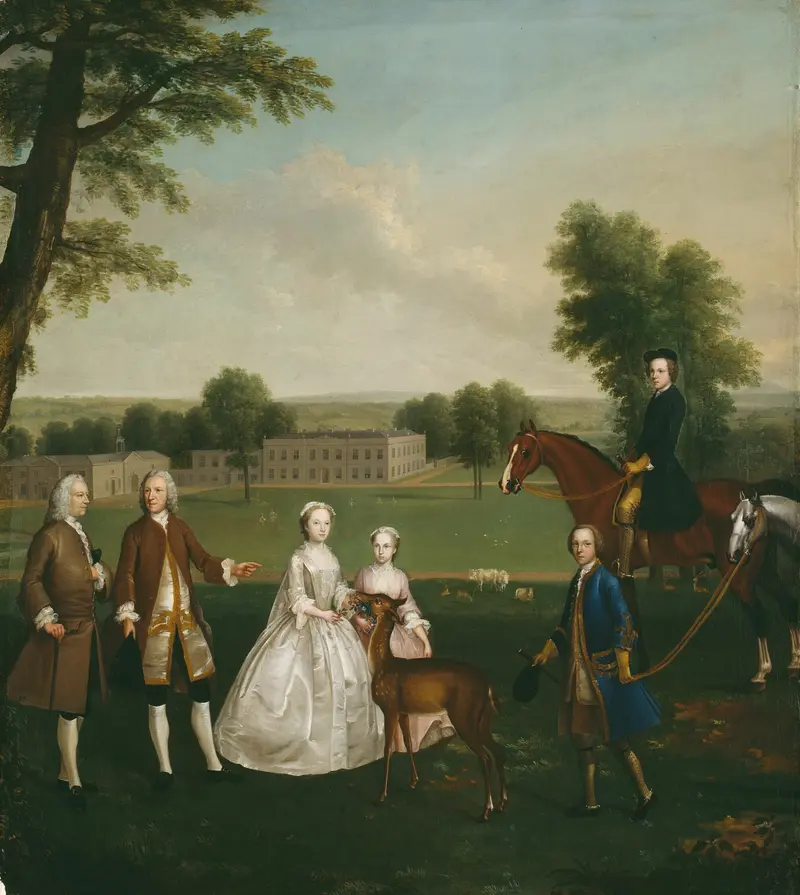
Thomas Lister and Family at Gisburne Park
Arthur Devis

Sir John Shaw and his Family in the Park at Eltham Lodge, Kent
Arthur Devis
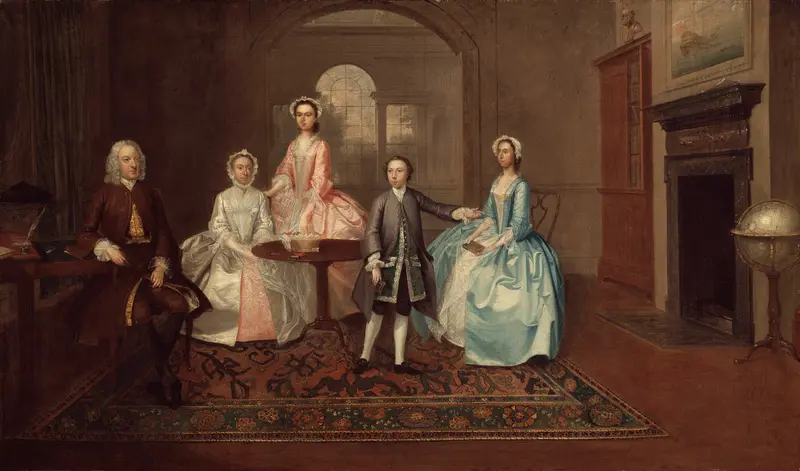
John Thomlinson and His Family
Arthur Devis
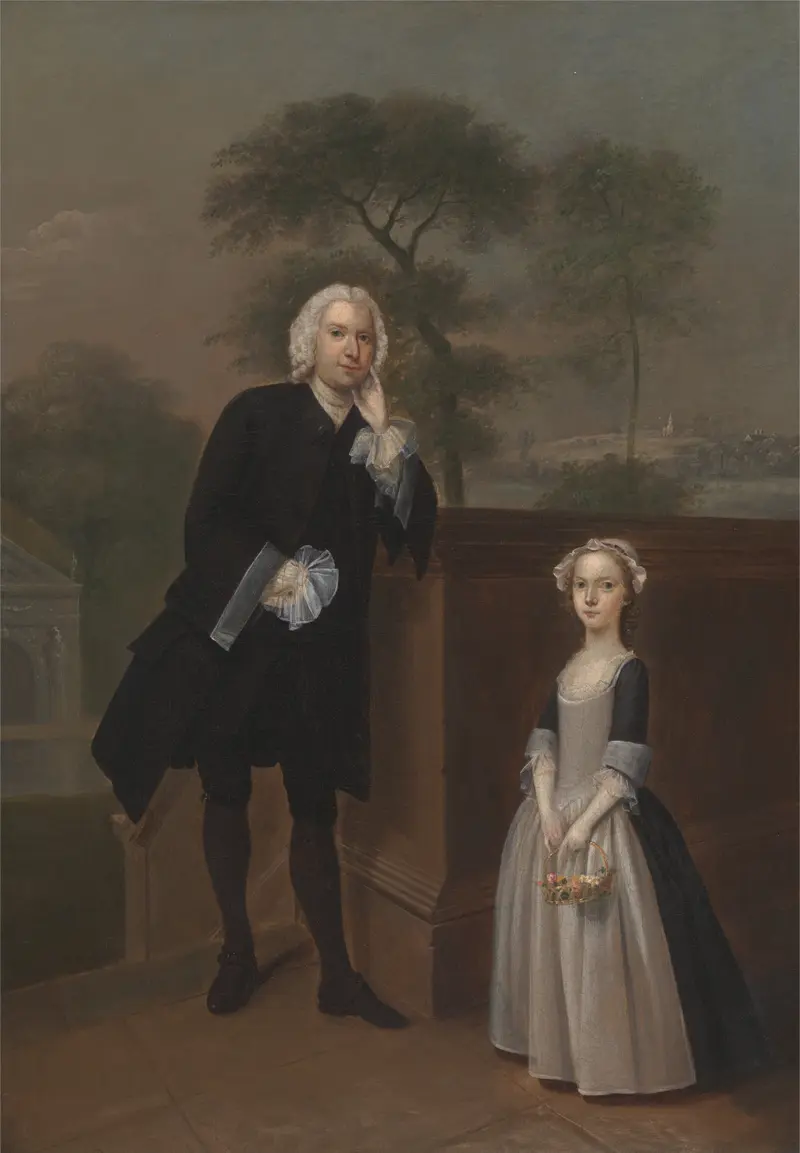
An Unknown Man with His Daughter
Arthur Devis
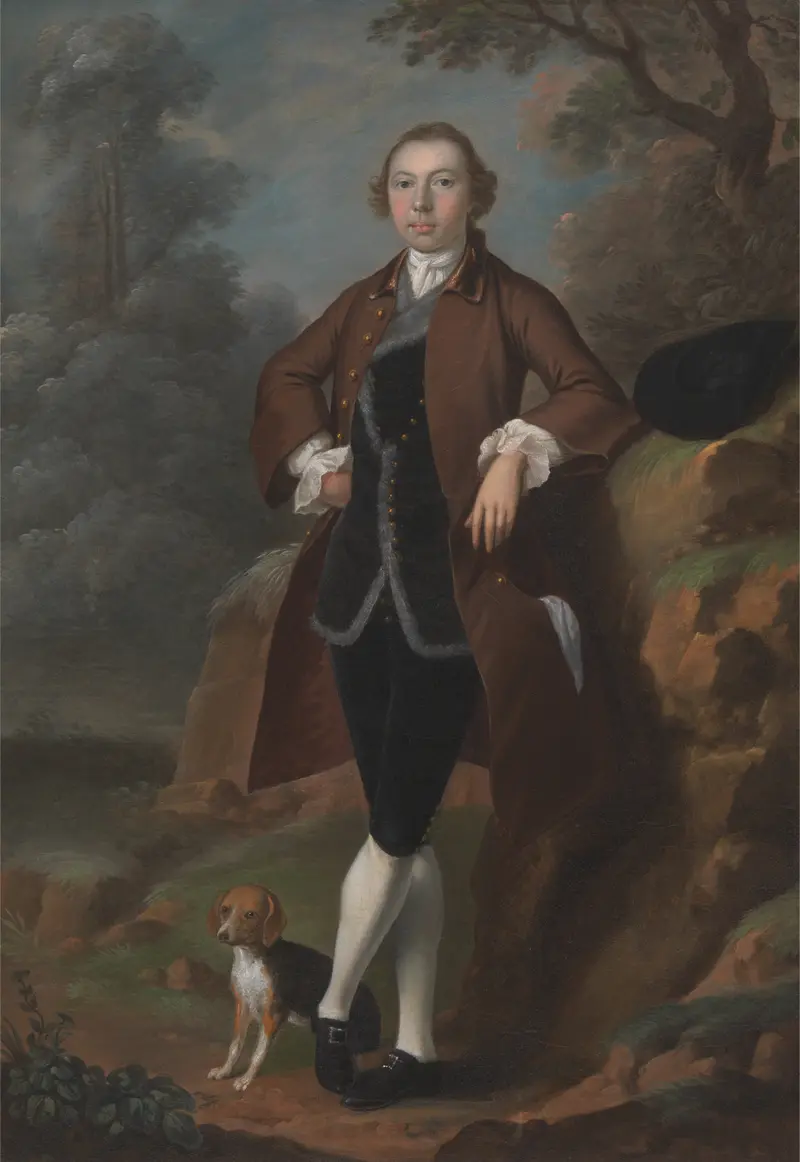
William Farington of Shawe Hall, Lancashire
Arthur Devis
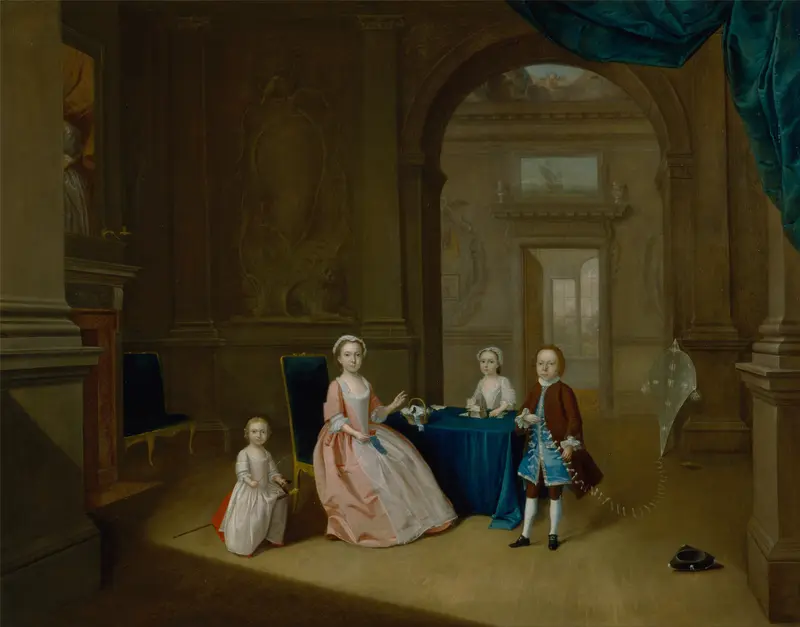
Children in an Interior
Arthur Devis
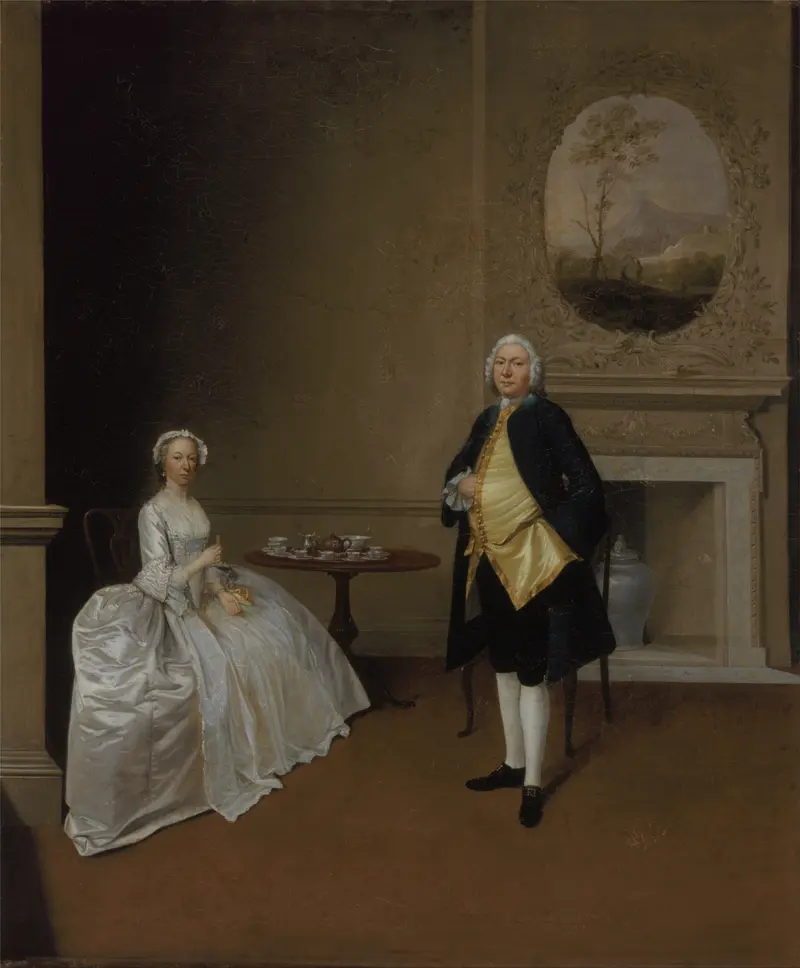
A Couple, Traditionally Identified as Mr. and Mrs. Hill
Arthur Devis
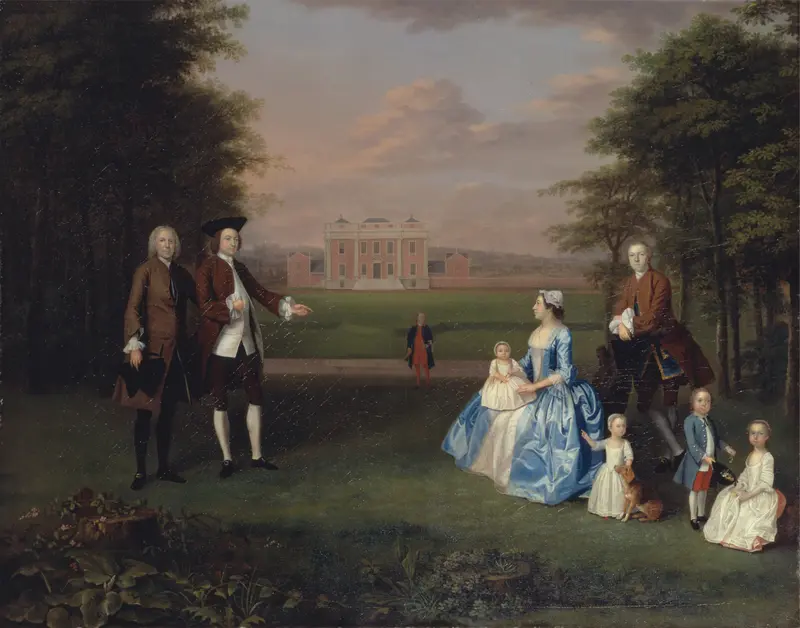
Robert Gwillym, Elizabeth Gwillym (née Atherton), and Their Family
Arthur Devis
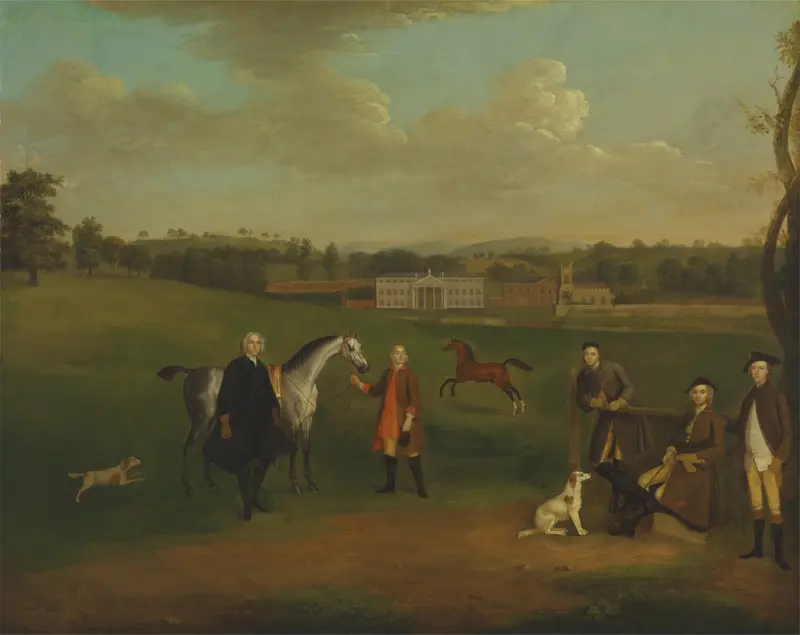
Leak Okeover, Rev. John Allen and Captain Chester at Okeover Hall, Staffordshire
Arthur Devis
Robert Gwillym of Atherton and William Farington of Werden
Arthur Devis





