
Portrait of a Gentleman — History & Facts
No one knows the true identity of the sitter in Portrait of a Gentleman, painted by Tintoretto in 1595, and this mystery has fascinated scholars for centuries. Some have speculated he was a Venetian senator, others a wealthy merchant, but the absence of identifying attributes leaves the question open. The painting emerges from the last years of Tintoretto's life, when he was at the height of his fame, and portrait commissions from Venice’s elite were both lucrative and prestigious.
The sitter’s anonymity is unusual for the period, when portraits often served as declarations of status and lineage. This ambiguity has led to ongoing debate: is this a specific individual, or an idealized type? The gentleman meets our gaze directly, his expression poised between confidence and introspection. He is dressed in sober black, the fashion of Venetian patricians, with a crisp white collar that glows against the dark background.
His right hand, elegantly gloved, rests on a table, while his left is bare—a gesture that may hint at openness or negotiation. The light falls diagonally across his face, carving out his features with characteristic Tintoretto drama, reminiscent of the psychological intensity seen in Titian’s late portraits. Unlike the elaborate settings favored by some contemporaries, Tintoretto strips the scene to essentials, focusing all attention on the sitter’s presence and character. The exact provenance of Portrait of a Gentleman is unclear, as is often the case with works from Tintoretto’s prolific workshop.
It likely passed through several private Venetian collections before entering public view. Over the centuries, the painting has been attributed alternately to Tintoretto himself and to his son, Domenico Tintoretto, reflecting the collaborative nature of their studio in the 1590s. Today, most experts agree it bears the hallmarks of the elder Tintoretto's hand, especially in the bold brushwork and psychological depth.
The painting stands as a testament to the enduring allure of Venetian portraiture at the close of the Renaissance, inviting viewers to ponder both the man and the artist behind the canvas.
More Artworks by Tintoretto
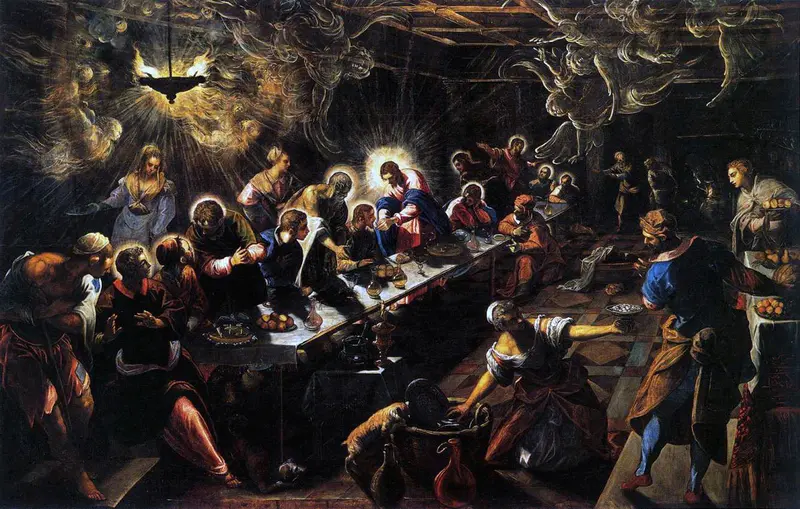
The Last Supper
Tintoretto
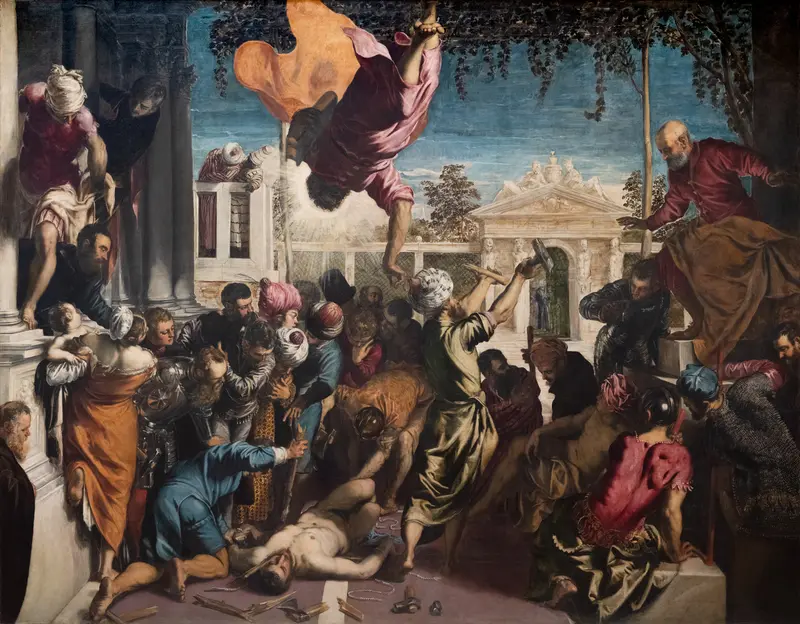
The Miracle of the Slave
Tintoretto
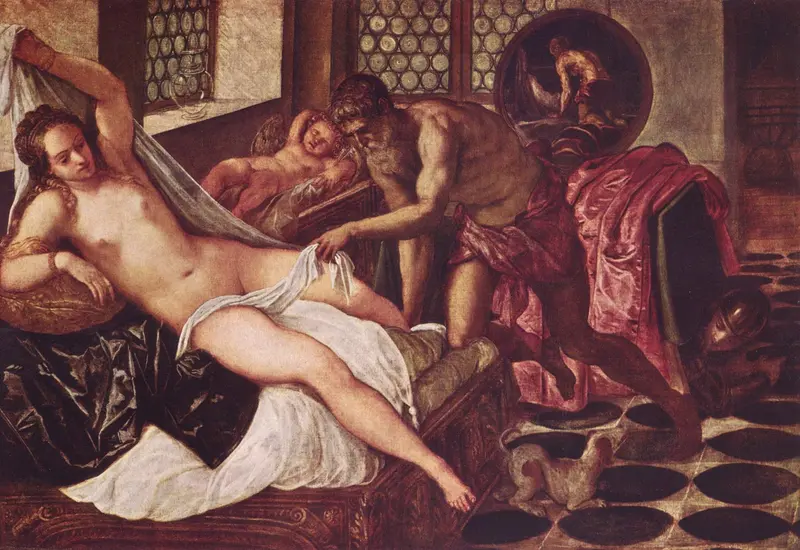
Venus and Mars Surprised by Vulcan
Tintoretto

Adoration of the Shepherds
Tintoretto
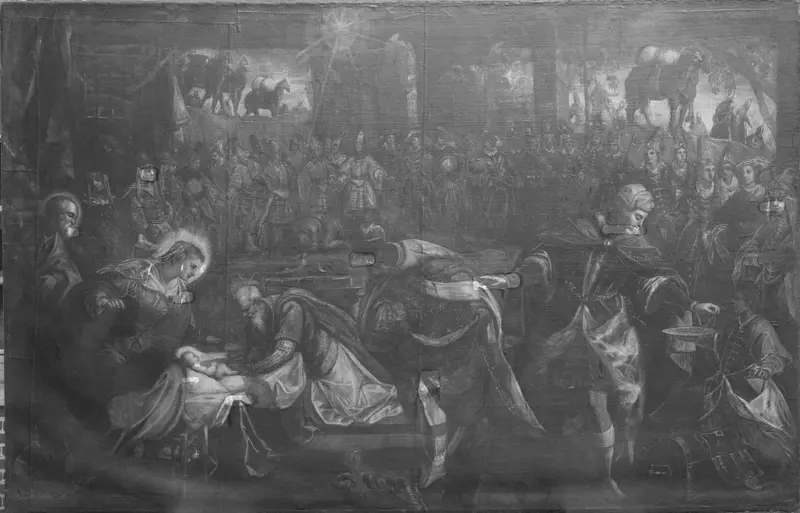
Adoration of the Magi
Tintoretto
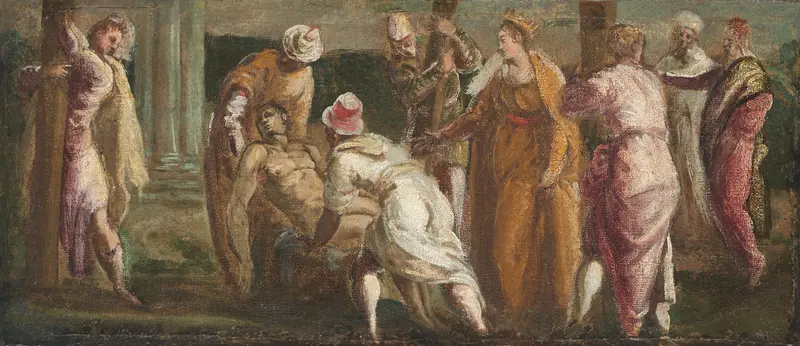
Saint Helen Testing the True Cross
Tintoretto
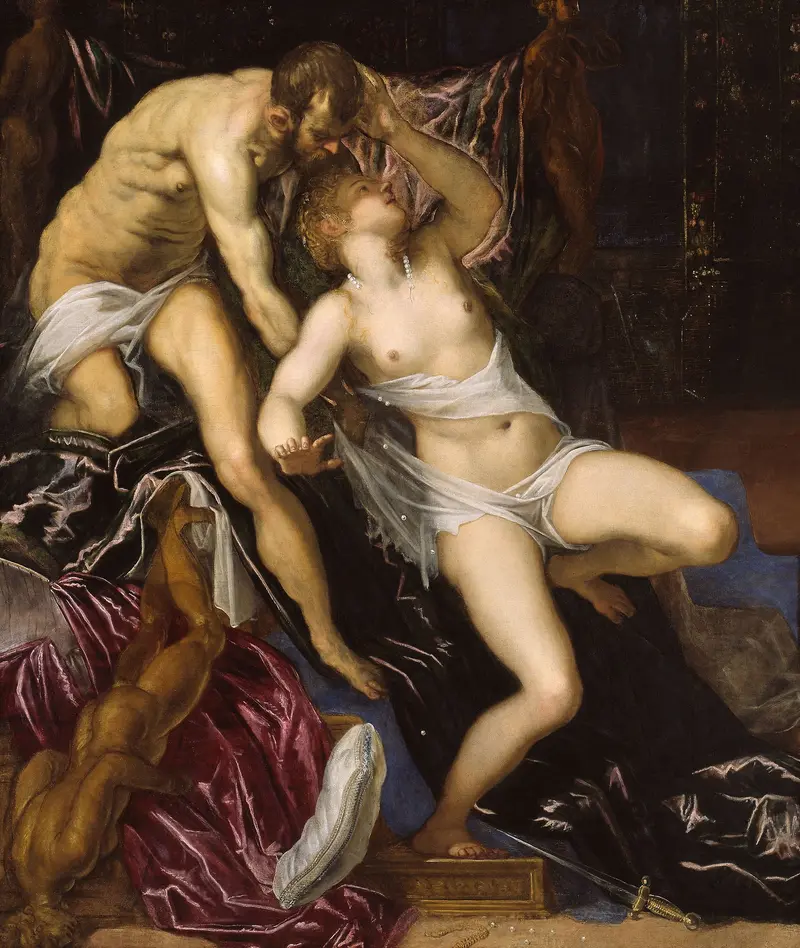
Tarquin and Lucretia
Tintoretto
Two Male Figures in Motion (verso)
Tintoretto
A Female Nude [verso]
Tintoretto
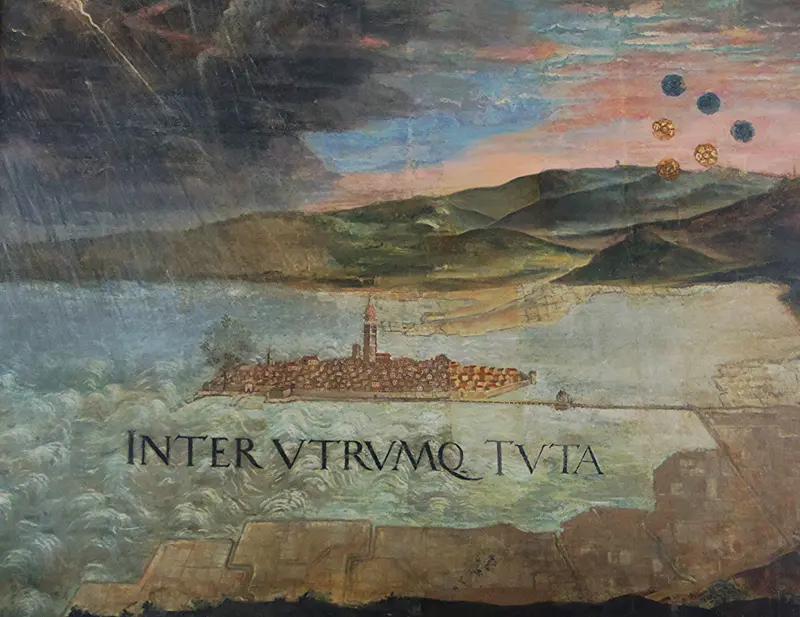
Veduta Kopra
Tintoretto





