
Portrait of a lady — History & Facts
What first catches the eye is the intricate lace ruff that frames the sitter’s face—a fragile architecture of whiteness, almost floating against the deep, dark field behind her. The painter, Adriaen Thomasz. Key, sets her pale skin aglow with a gentle, steady light, drawing attention to her composed expression and the delicate transparency of her veil.
Her right hand, adorned with rings and clutching a heavy gold chain, emerges from the darkness, a subtle display of wealth and status. The patterned sleeves, rich with detail, hint at the careful labor and expense behind her attire, while the black of her dress recedes into shadow, focusing our gaze on her face and hands—her identity and her means. Painted in the 16th century, this portrait belongs to a world where likeness was more than memory; it was a declaration of standing and virtue. In the Low Countries, such portraits were often commissioned by prosperous burghers or their families, eager to assert their place in a rapidly changing society shaped by commerce and faith.
The sober palette and restrained pose reflect the values of the era, when outward modesty paired with subtle signals of affluence. Now housed in the National Museum in Warsaw, Portrait of a lady stands as a quiet testament to the ambitions and anxieties of its time—inviting us to search her gaze for the private story behind the public mask.
More Artworks by Adriaen Thomasz. Key
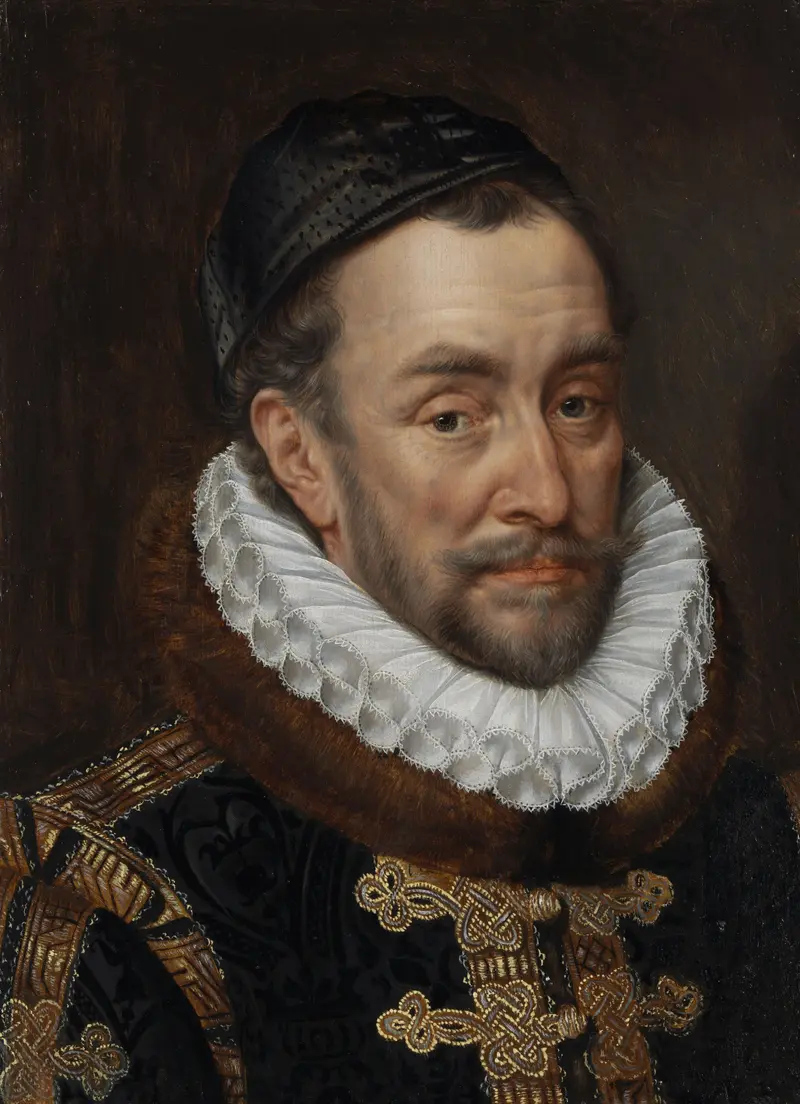
Portrait of William I, Prince of Orange
Adriaen Thomasz. Key
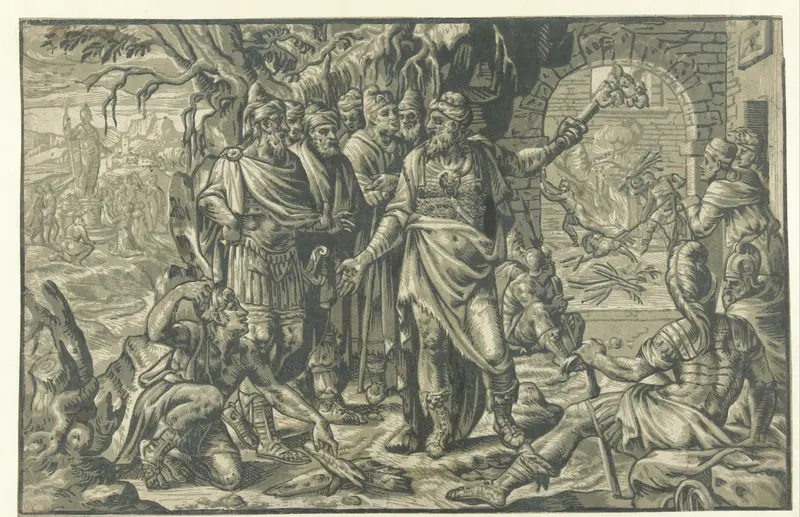
Nebukadnezar werpt de drie jongelingen in de vurige oven
Adriaen Thomasz. Key
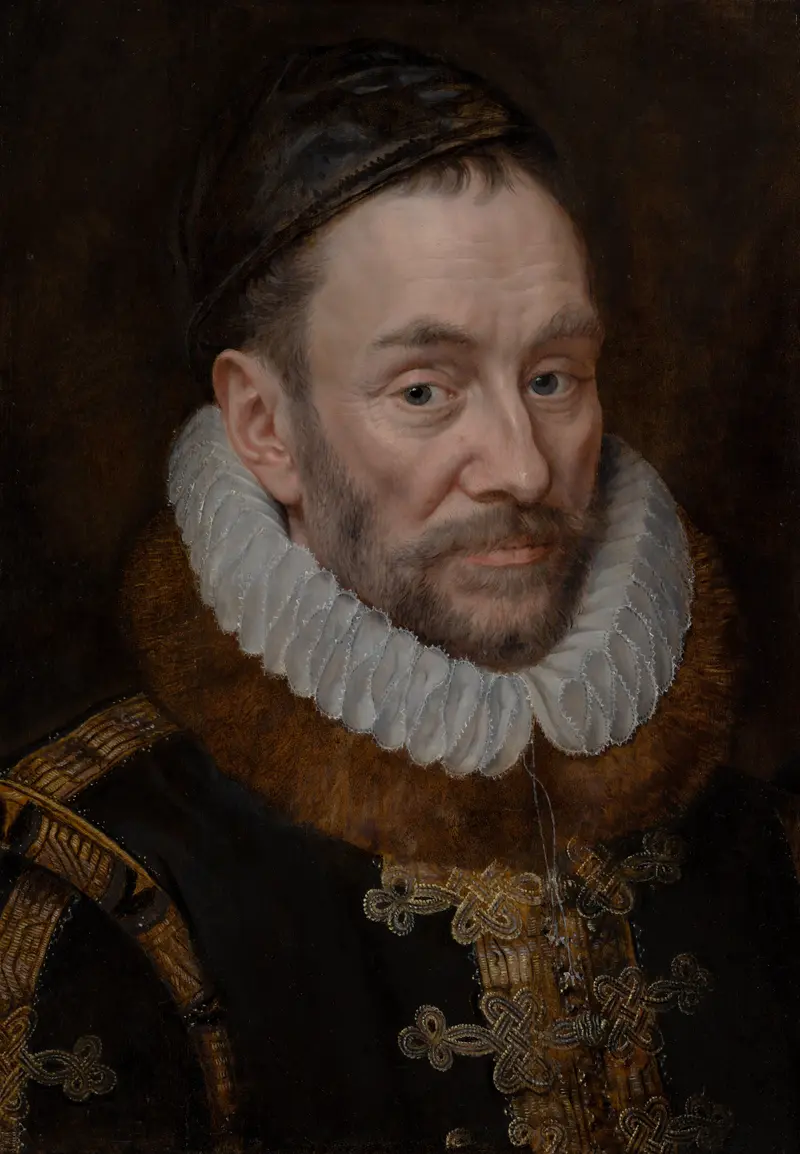
Portrait of William I (1533-1584), Prince of Orange
Adriaen Thomasz. Key
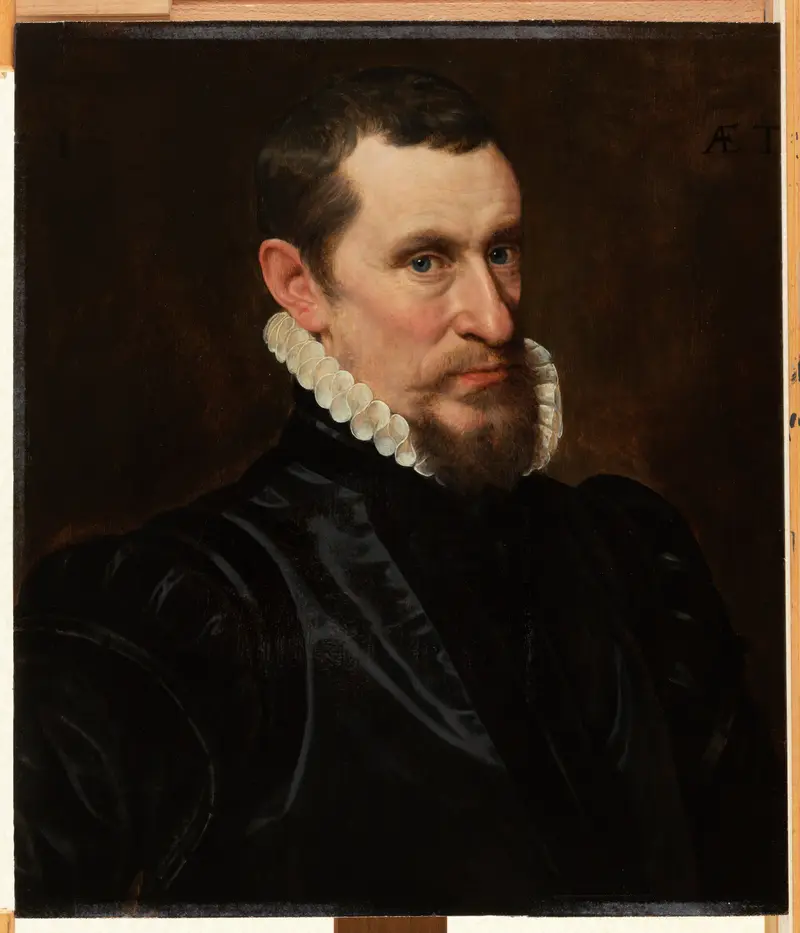
Portrait of Gillis Beys
Adriaen Thomasz. Key
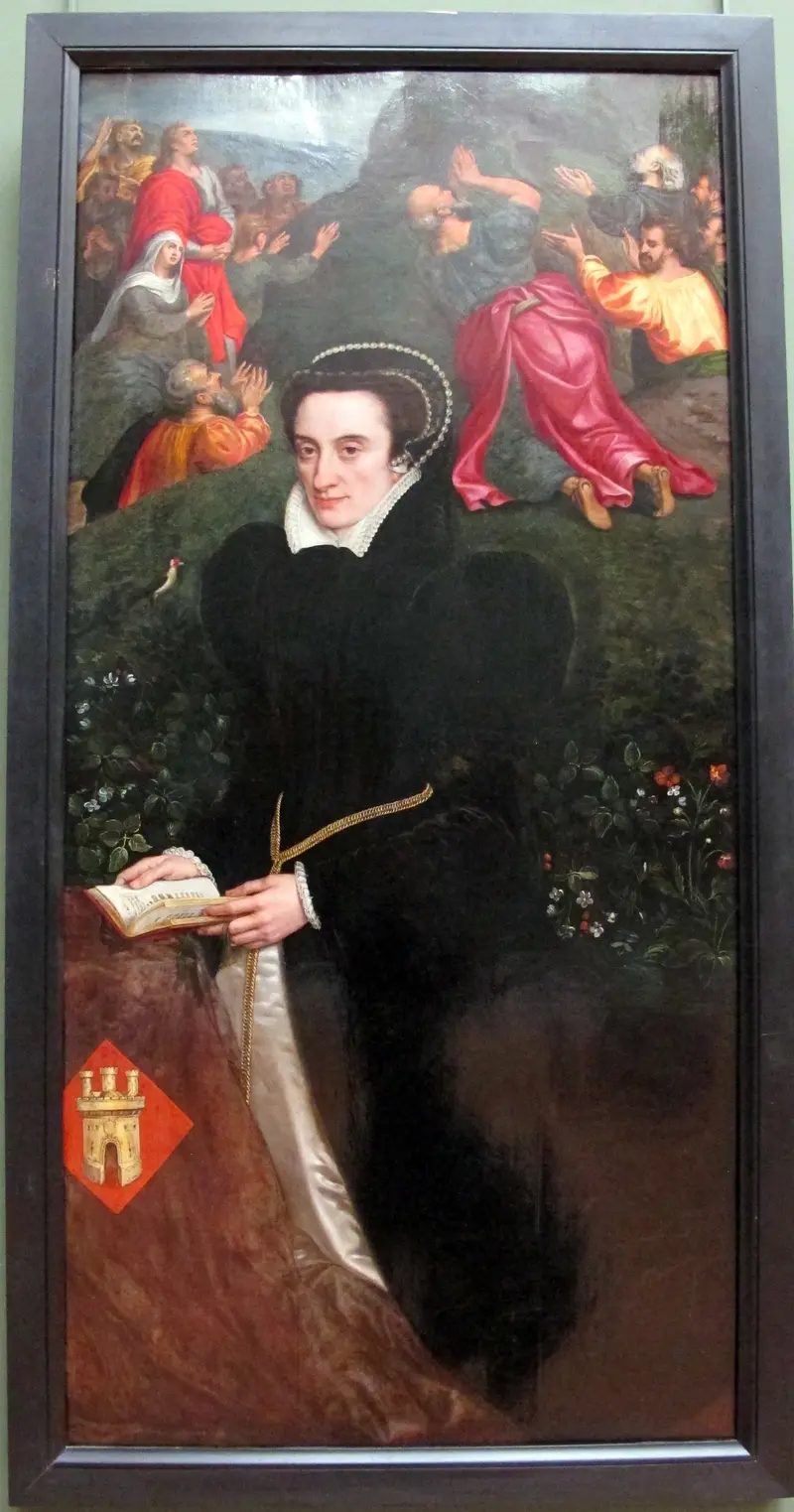
Leonor Lopez de Villanueva, Wife of Antonio del Rio
Adriaen Thomasz. Key
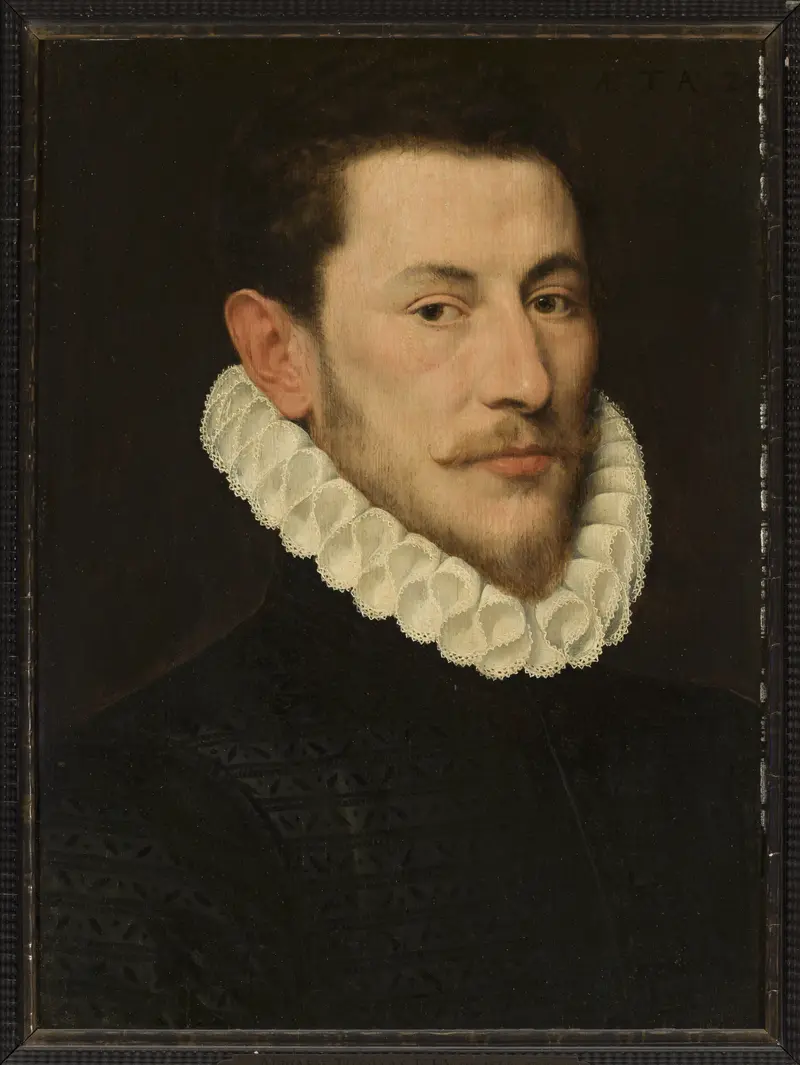
Portrait of a young man
Adriaen Thomasz. Key
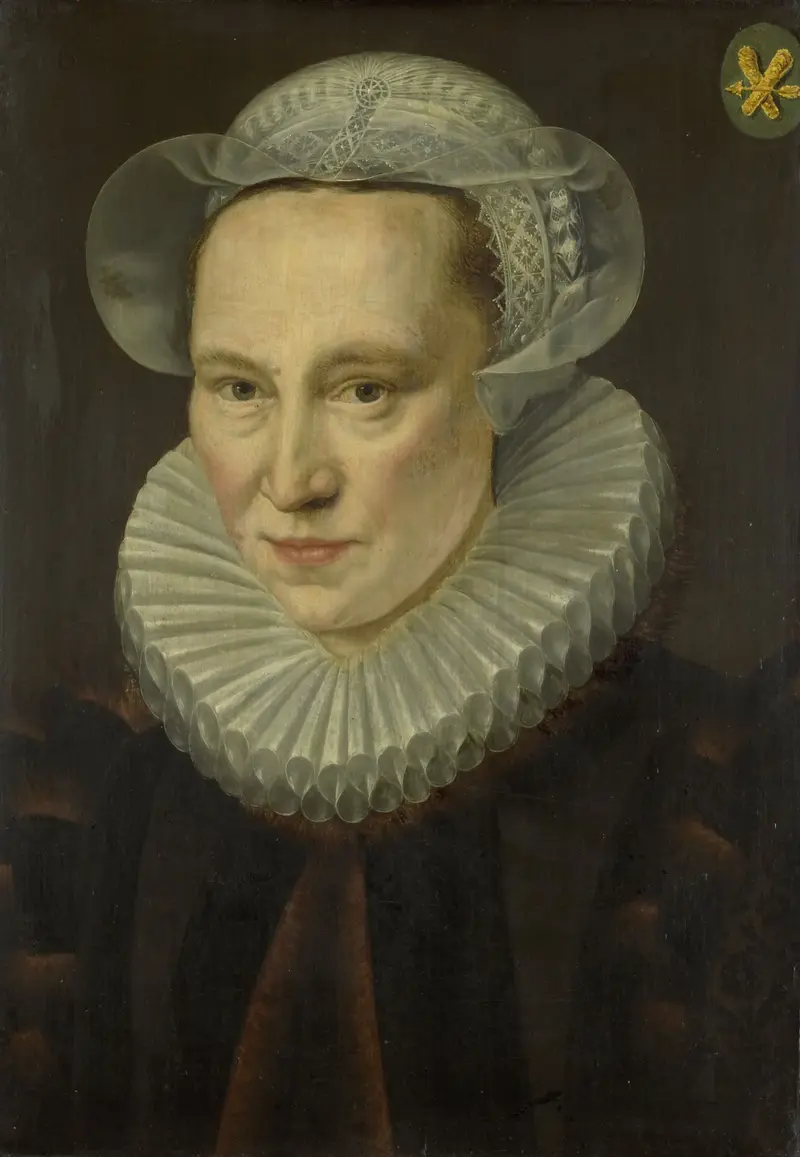
Portrait of Grietje Pietersdr Codde (d. 1607), wife of Jacob Bas
Adriaen Thomasz. Key
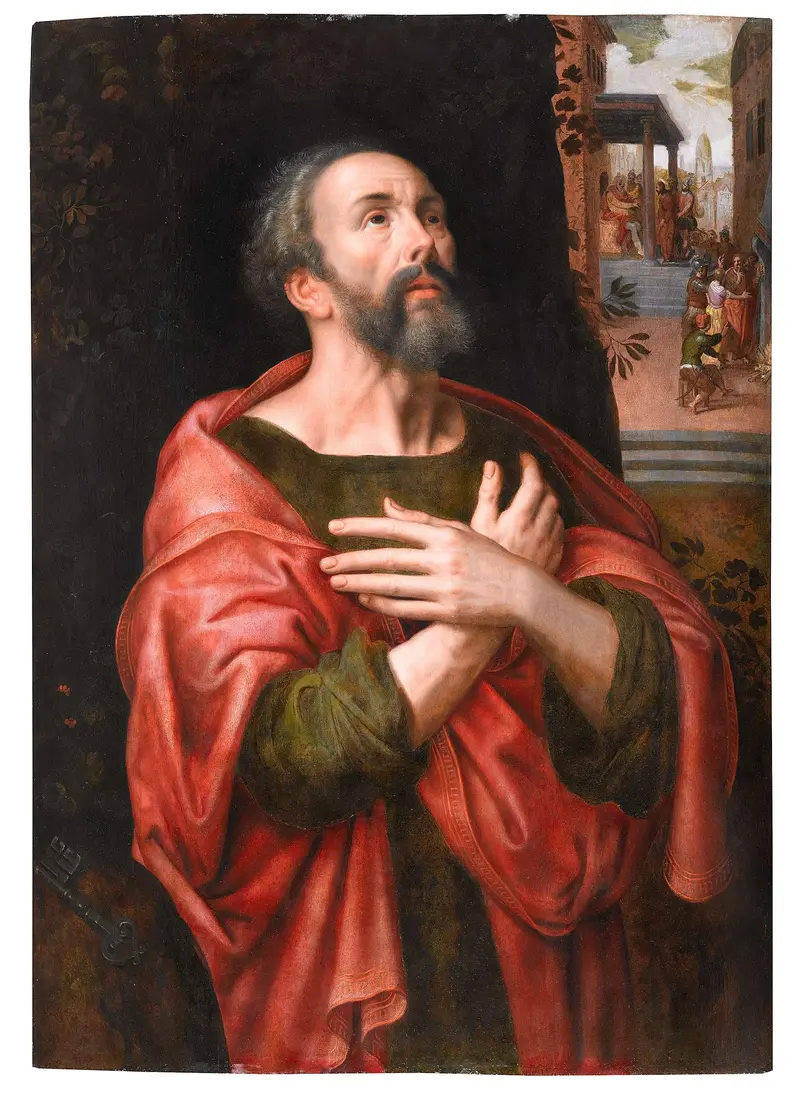
St. Peter Penitent
Adriaen Thomasz. Key
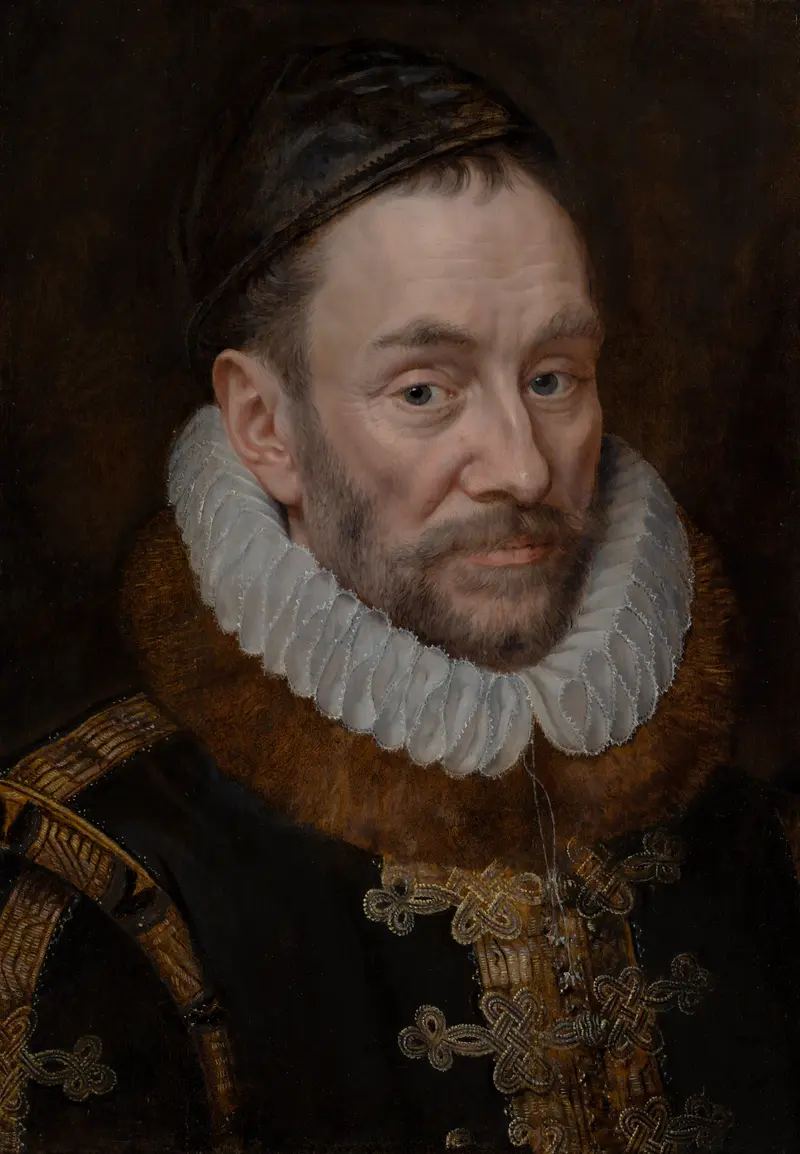
William I, Prince of Orange, known as William the Silent
Adriaen Thomasz. Key
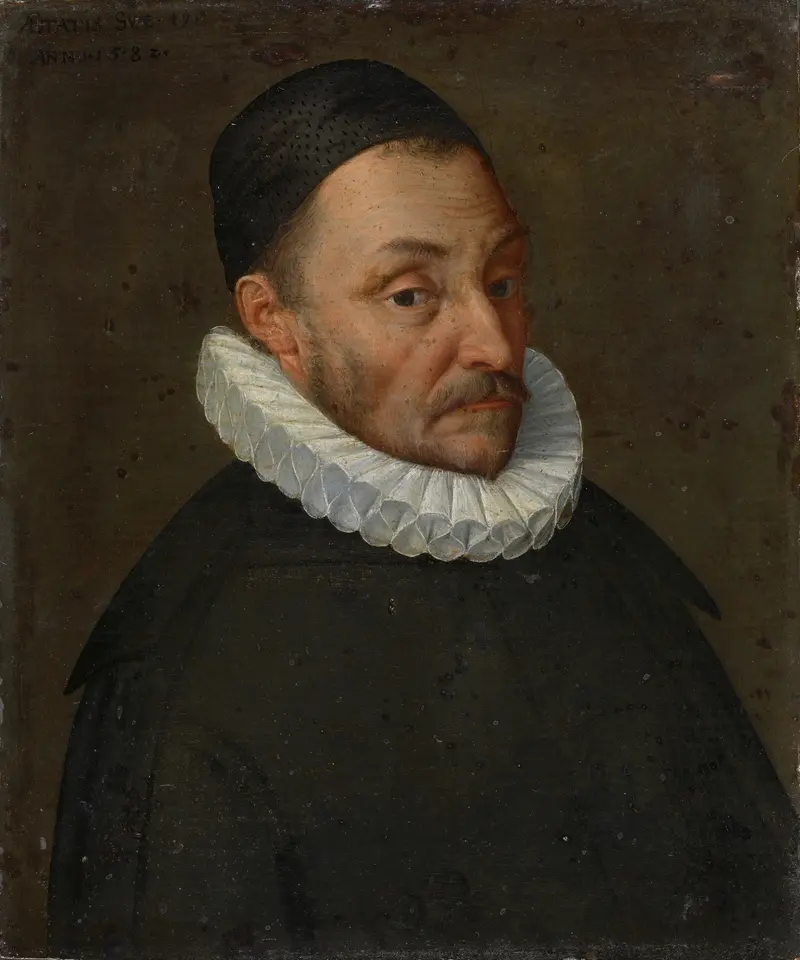
Willem of Orange (1533-1584), leader of the Dutch revolt against Spain
Adriaen Thomasz. Key





