
Portrait of a Lady in a Landscape — History & Facts
A glimmer of silver catches the eye before anything else—a gown so lustrous it seems to gather the last light of day, its folds and ribbons painted with painstaking care. The lady stands poised at the edge of a wooded path, her figure slender and upright, one gloved hand resting on a vivid blue muff. Her gaze meets the viewer’s with a quiet composure, neither haughty nor shy, as if she has just paused in her stroll to greet an unexpected visitor.
Behind her, the landscape opens to a distant manor and a reflective pond, the world of cultivated nature and inherited estate stretching out beneath a sky brushed with gentle clouds. Every detail, from the shimmer of her dress to the delicate lace at her sleeves, signals wealth and refinement, yet there is a stillness to her presence—a moment suspended between the intimacy of a portrait and the grandeur of a landscape. Works like Portrait of a Lady in a Landscape, painted by Arthur Devis in 1750, belong to a world where portraits were more than likenesses: they were declarations of status, taste, and connection to land. In mid-18th-century England, families commissioned such images to anchor themselves in society, displaying them in drawing rooms as proof of lineage and propriety.
Devis was known for these genteel portrayals, often setting his sitters against carefully arranged parks or gardens that hinted at their estates, aspirations, or even their marriage prospects. While history has kept few traces of the individual stories behind many of these portraits, their purpose endures in every brushstroke—inviting us to imagine the lives, ambitions, and quiet rituals of the age. Look again at the lady’s calm expression and the expanse behind her; in this painted pause, the world she inhabited lingers, waiting to be read.
More Artworks by Arthur Devis
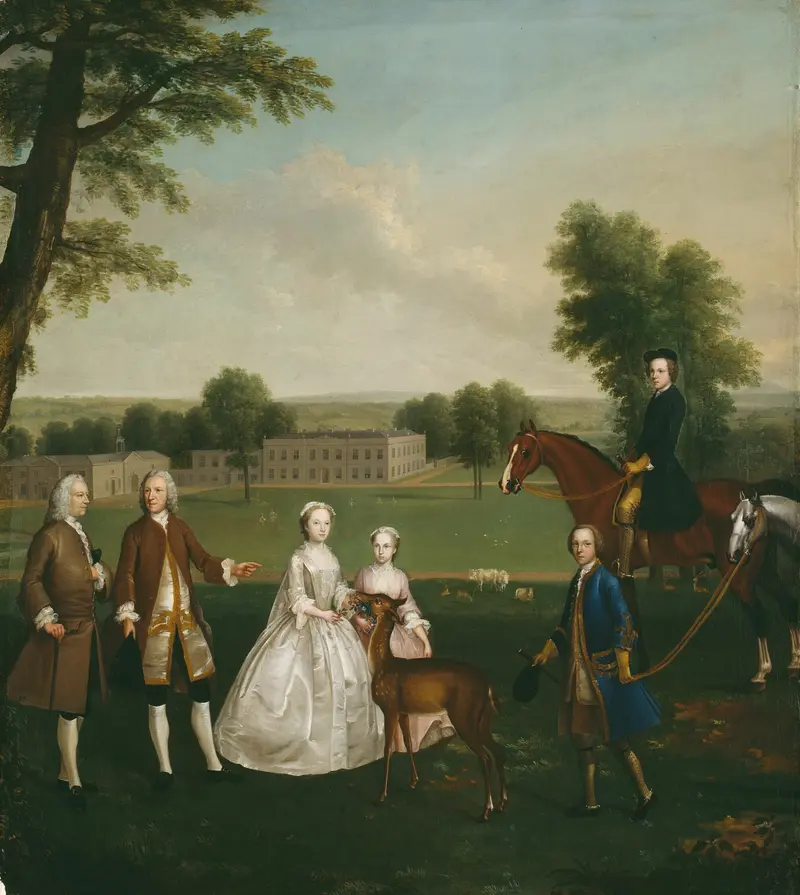
Thomas Lister and Family at Gisburne Park
Arthur Devis

Sir John Shaw and his Family in the Park at Eltham Lodge, Kent
Arthur Devis
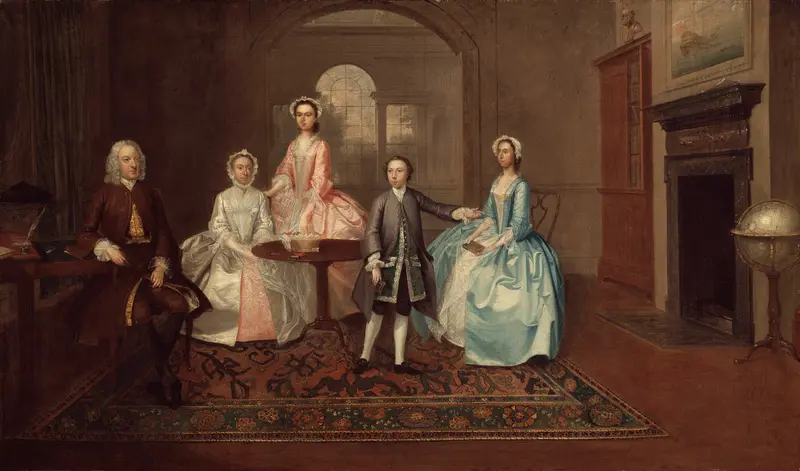
John Thomlinson and His Family
Arthur Devis
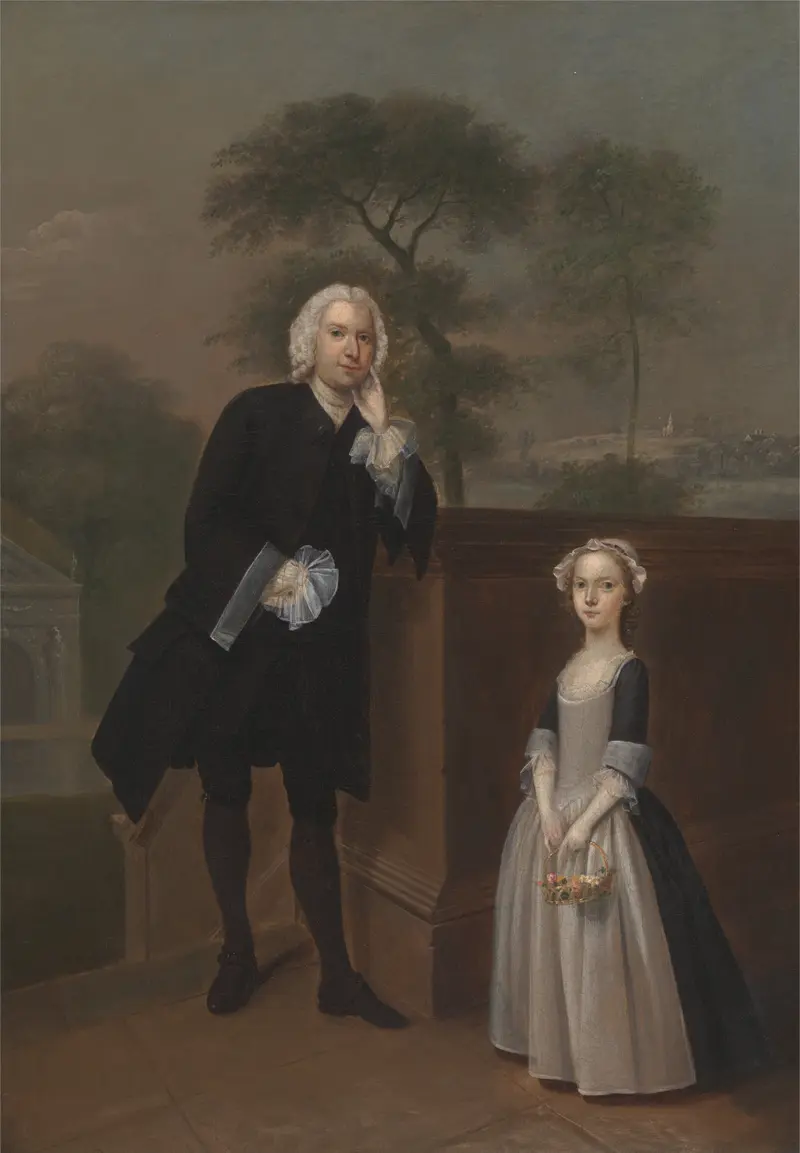
An Unknown Man with His Daughter
Arthur Devis
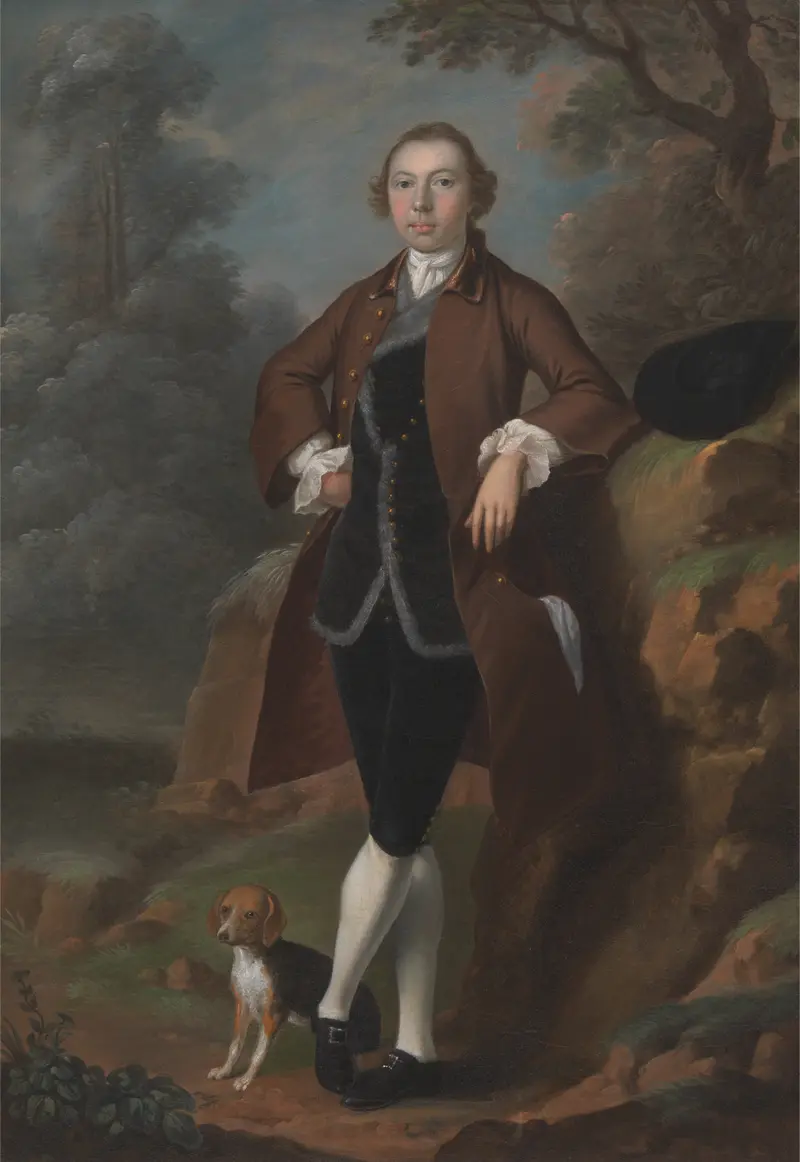
William Farington of Shawe Hall, Lancashire
Arthur Devis
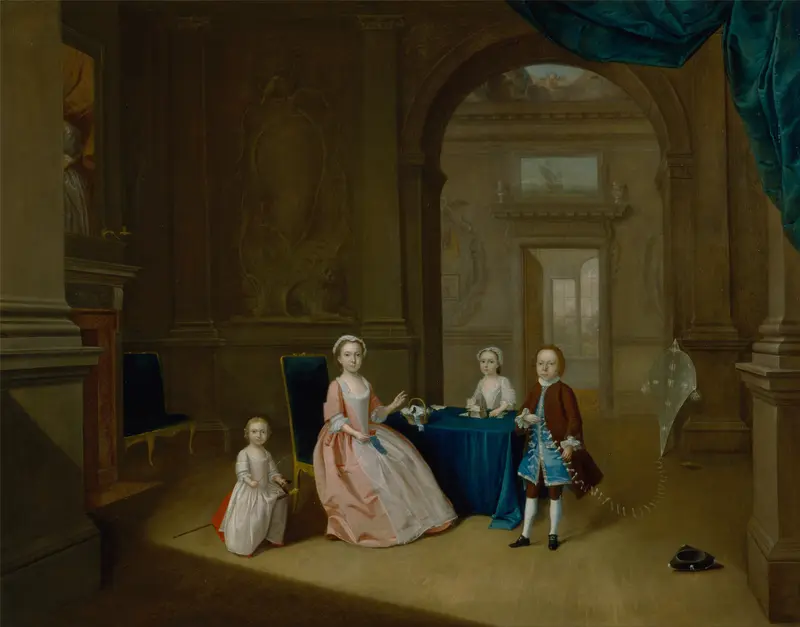
Children in an Interior
Arthur Devis
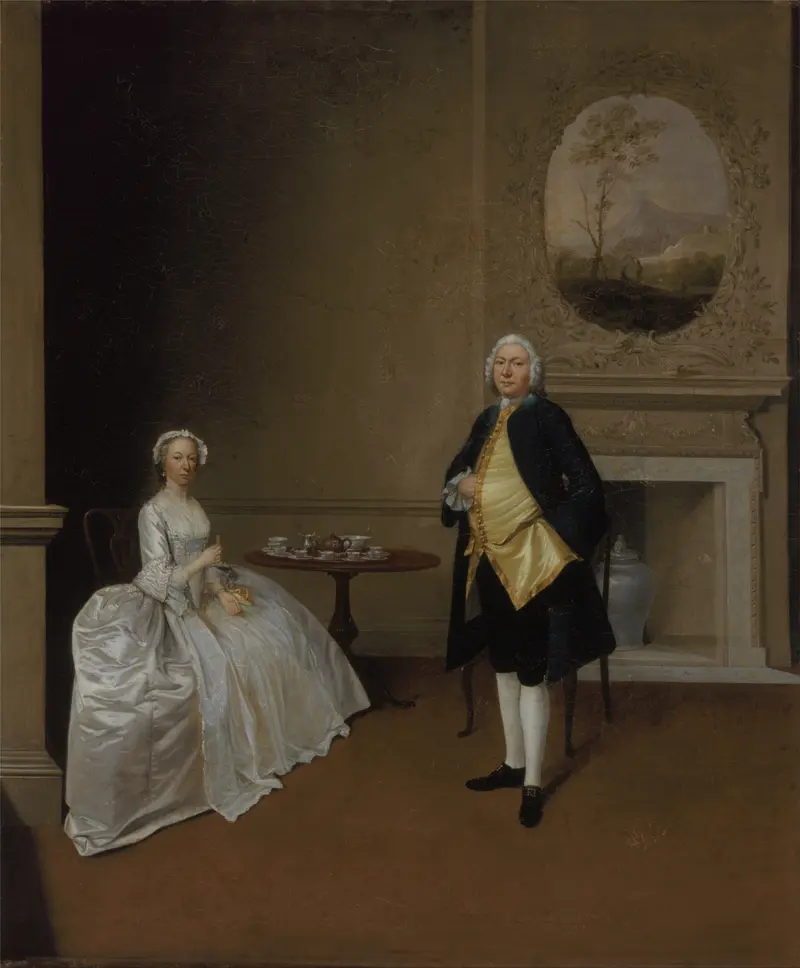
A Couple, Traditionally Identified as Mr. and Mrs. Hill
Arthur Devis
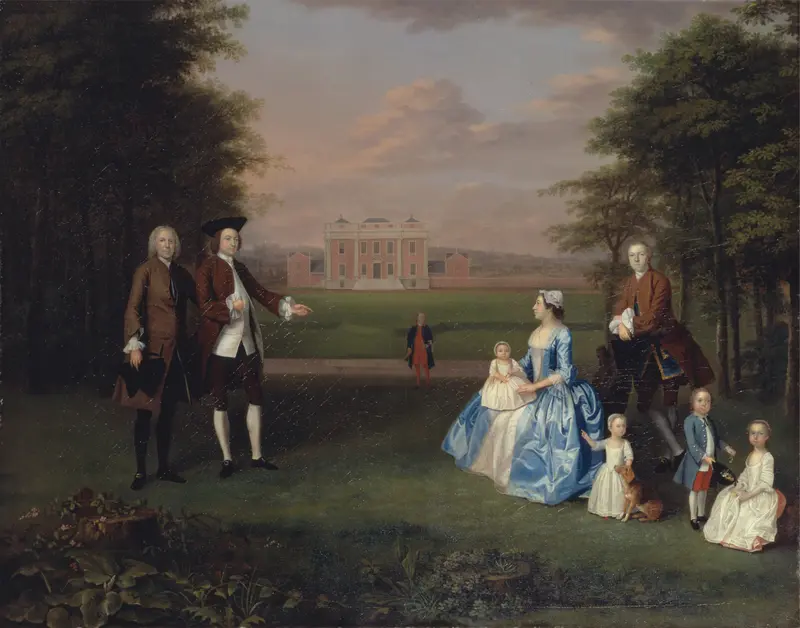
Robert Gwillym, Elizabeth Gwillym (née Atherton), and Their Family
Arthur Devis
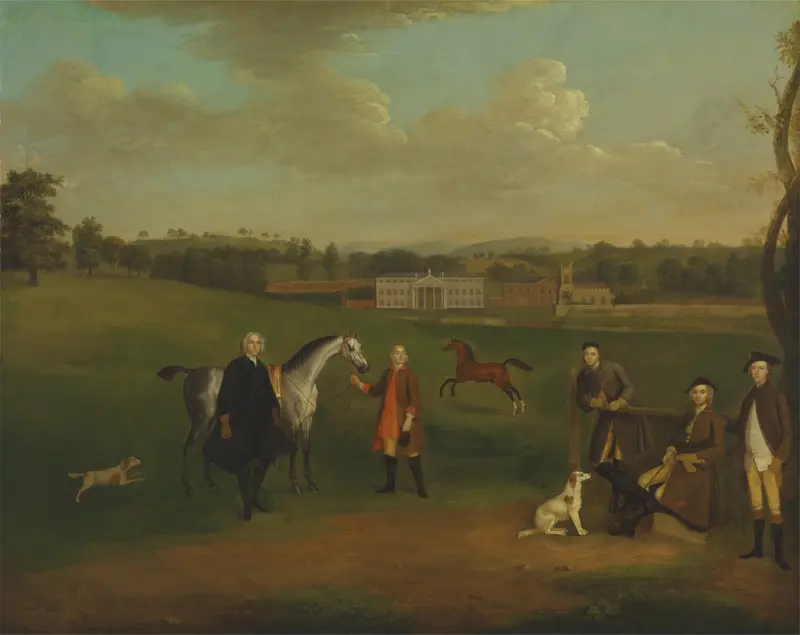
Leak Okeover, Rev. John Allen and Captain Chester at Okeover Hall, Staffordshire
Arthur Devis
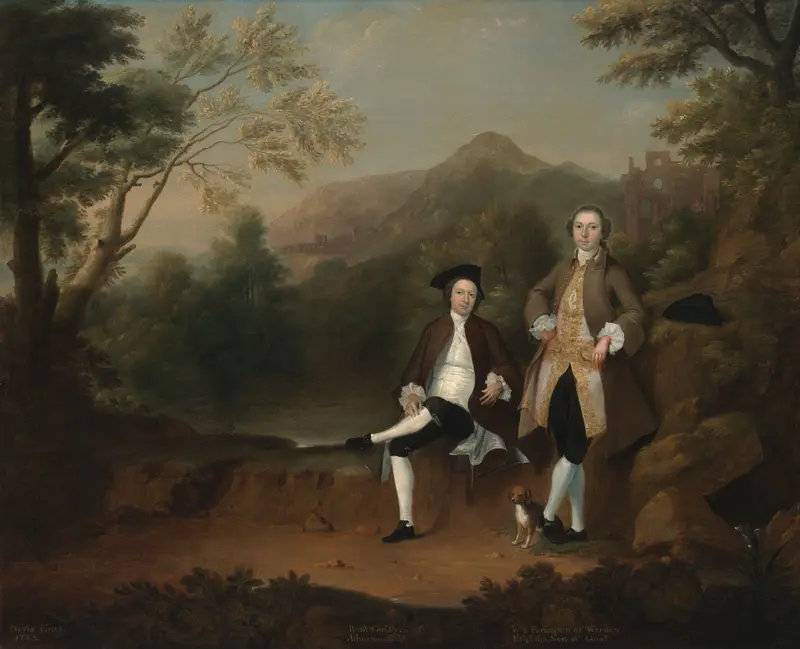
Robert Gwillym of Atherton and William Farington of Werden
Arthur Devis





