
Portrait of a Man — History & Facts
What first catches the eye is the sense of movement in the sitter’s pose—one hand gripping a staff, the other planted firmly at his waist, as if he has just turned to answer an unseen call. The play of light across his face and the rich folds of his clothing draws us in, highlighting not just the textures of velvet and linen but the quick intelligence in his gaze. Every detail, from the glinting brooch at his chest to the tousled hair, seems chosen to suggest a personality in motion: alert, perhaps a touch impatient, certainly alive to the world beyond the frame.
The warm, earthy palette anchors him in space, while the shadowed background lets the figure step forward, almost into our own. Painted in 1689 by Aert de Gelder, this Portrait of a Man belongs to a world where portraiture had become both a personal and social statement. In the late seventeenth-century Dutch Republic, such images were often commissioned by prosperous citizens eager to assert their status and individuality, yet the artist’s brush here resists mere flattery in favor of character. De Gelder, a student of Rembrandt, was known for his dramatic use of light and psychological depth—traits visible in the confident modeling and expressive features of this sitter.
Now part of the Detroit Institute of Arts collection, this painting stands as a vivid reminder that even when history keeps few traces of a subject’s name, the force of personality can leap centuries in a single glance.
More Artworks by Aert de Gelder

Portrait of a Young Woman
Aert de Gelder

Hermanus Boerhaave (1668-1738), Professor of Medicine at the University of Leiden, with his Wife Maria Drolenvaux (1686-1746) and their Daughter Johanna Maria (1712-91)
Aert de Gelder
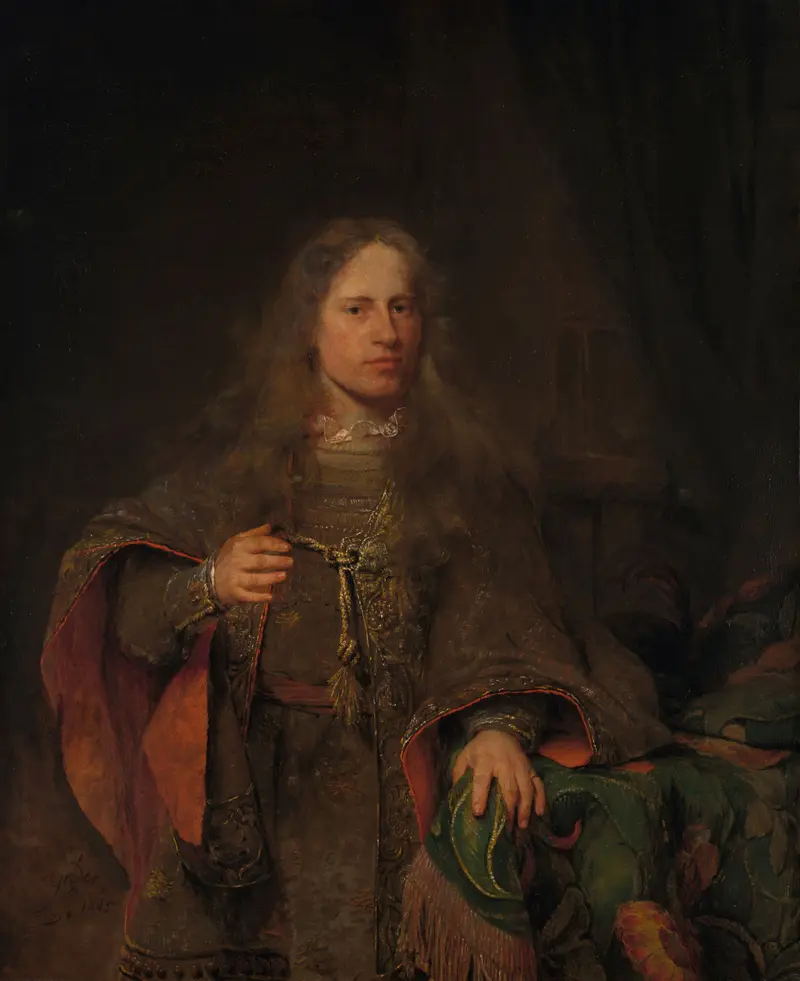
Portrait of Ernest de Beveren, Lord of West-IJsselmonde and De Lindt
Aert de Gelder
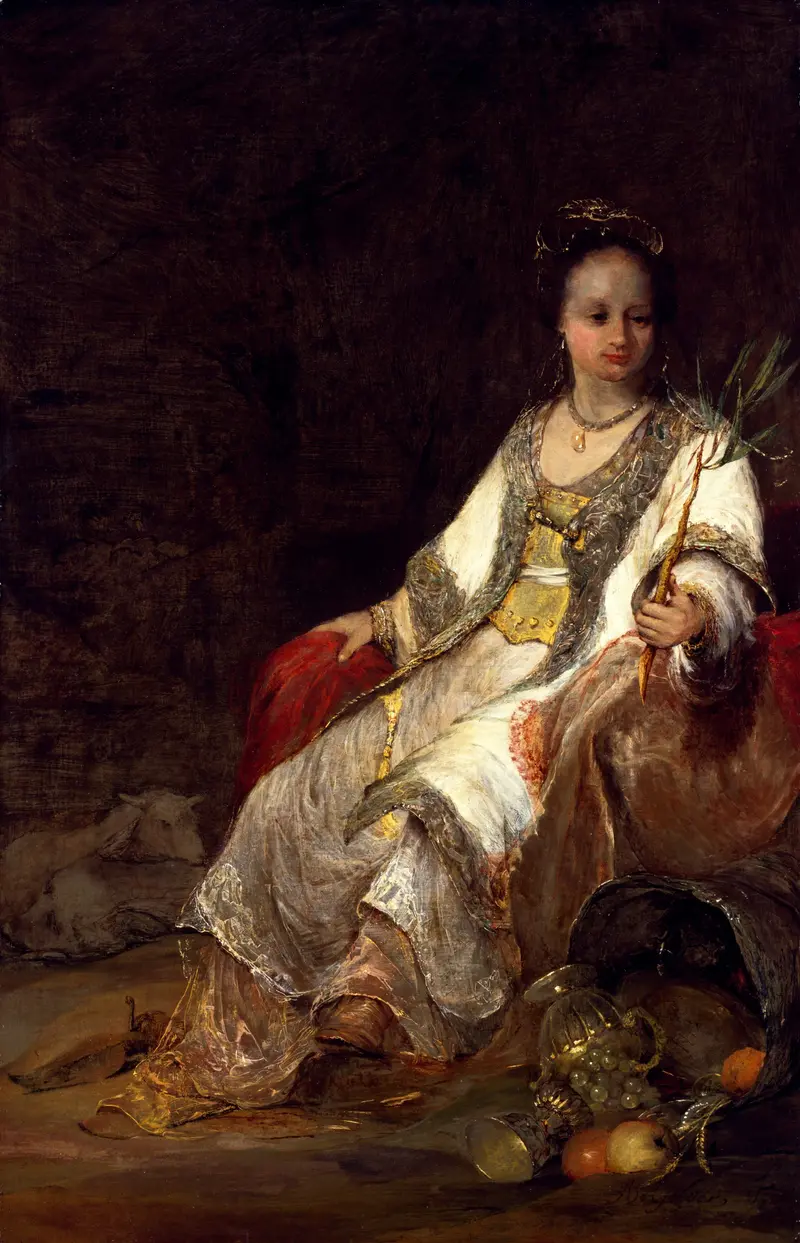
Allegory on Peace
Aert de Gelder
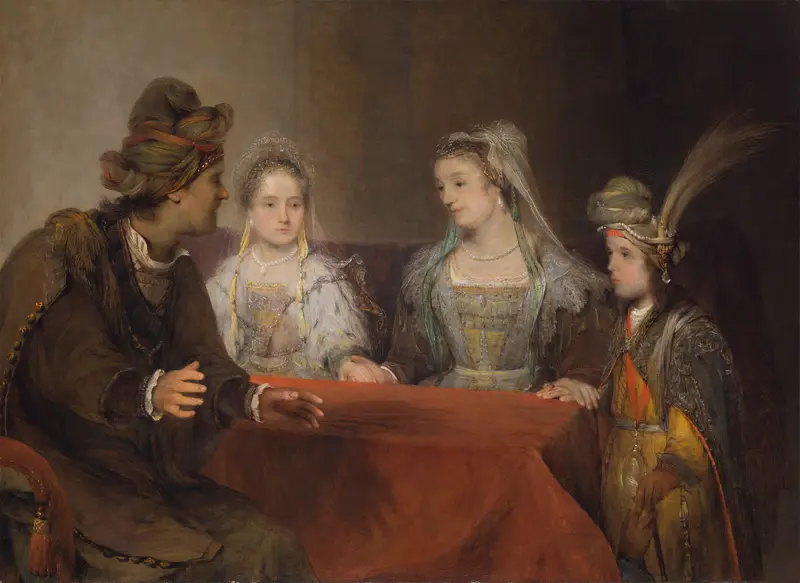
Edna Entrusting Tobias with Sarah
Aert de Gelder
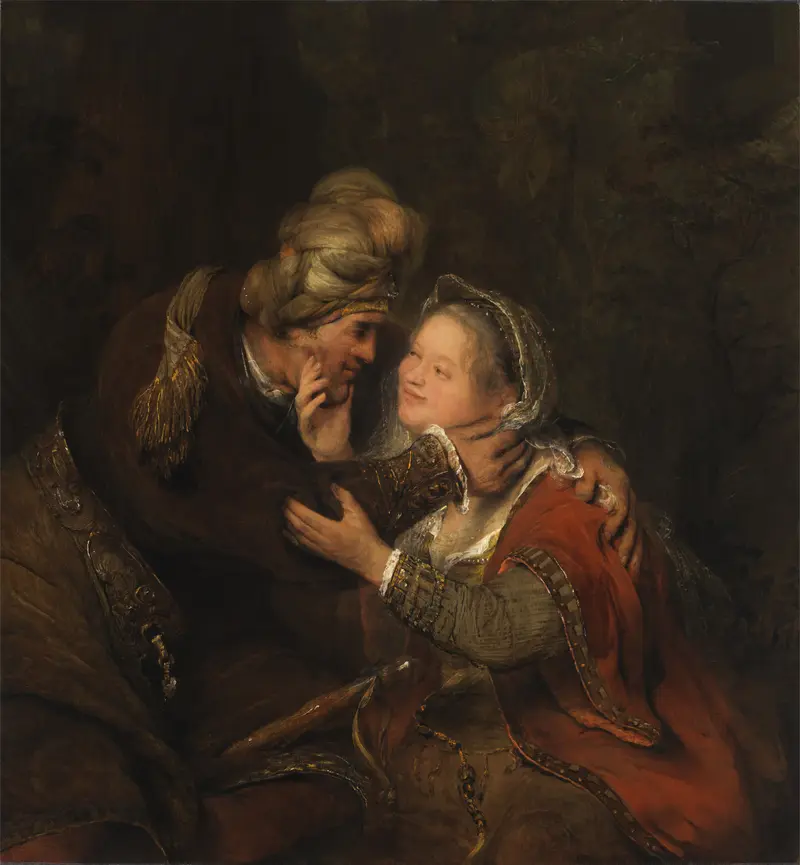
Judah and Tamar
Aert de Gelder
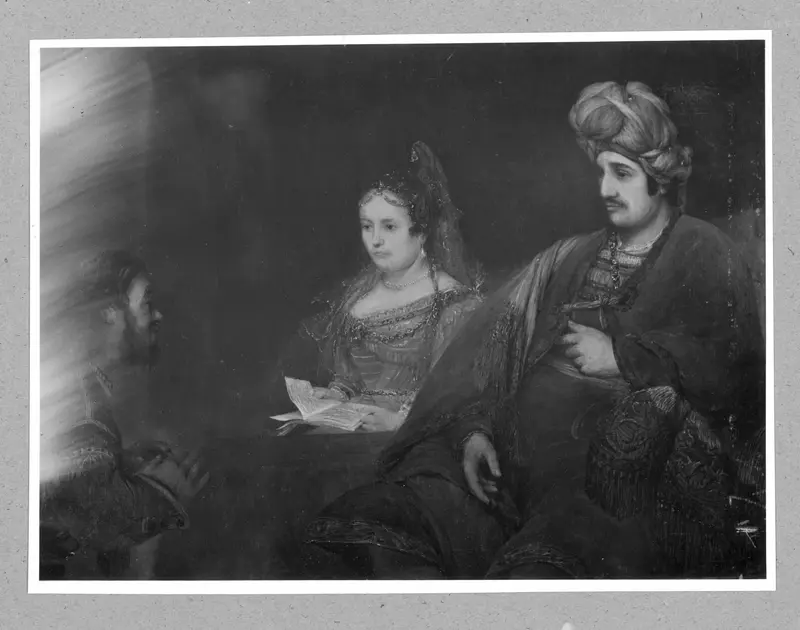
Hamas before Ahasver
Aert de Gelder
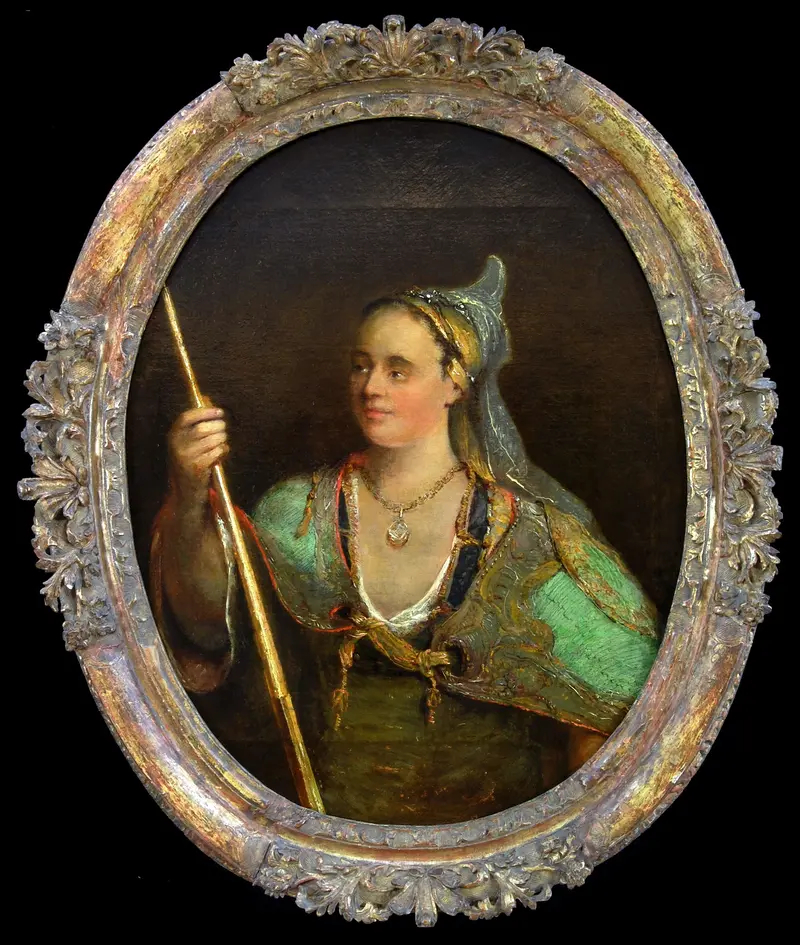
A female allegorical figure
Aert de Gelder
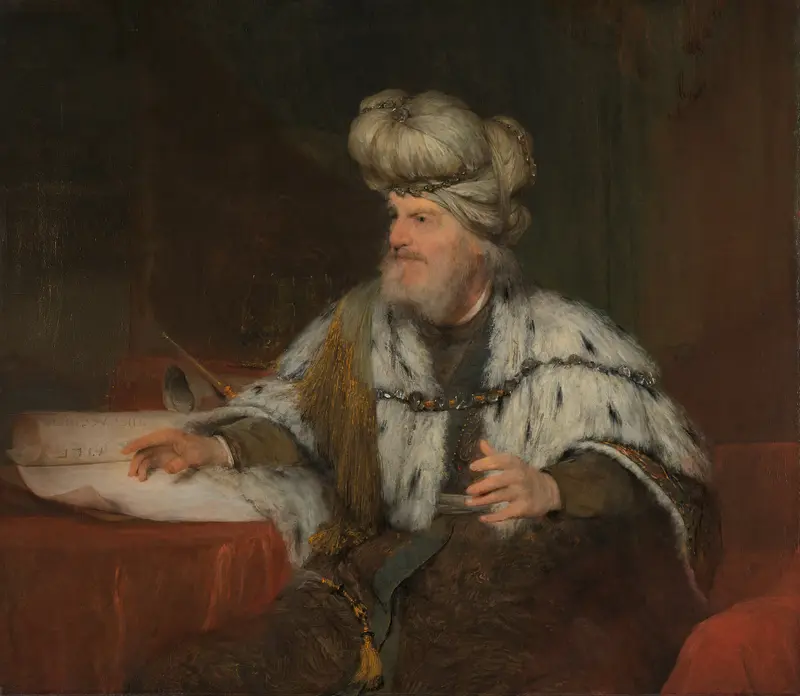
King David
Aert de Gelder
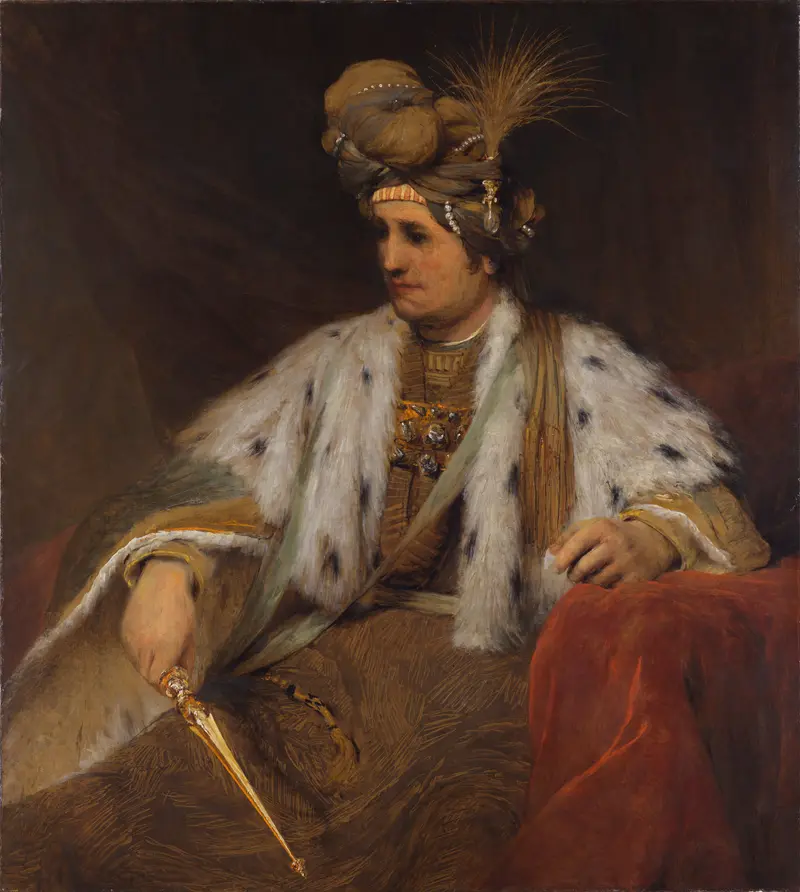
Old Testament Figure, Probably King Solomon
Aert de Gelder





