
Portrait of a Man Aged 31 — History & Facts
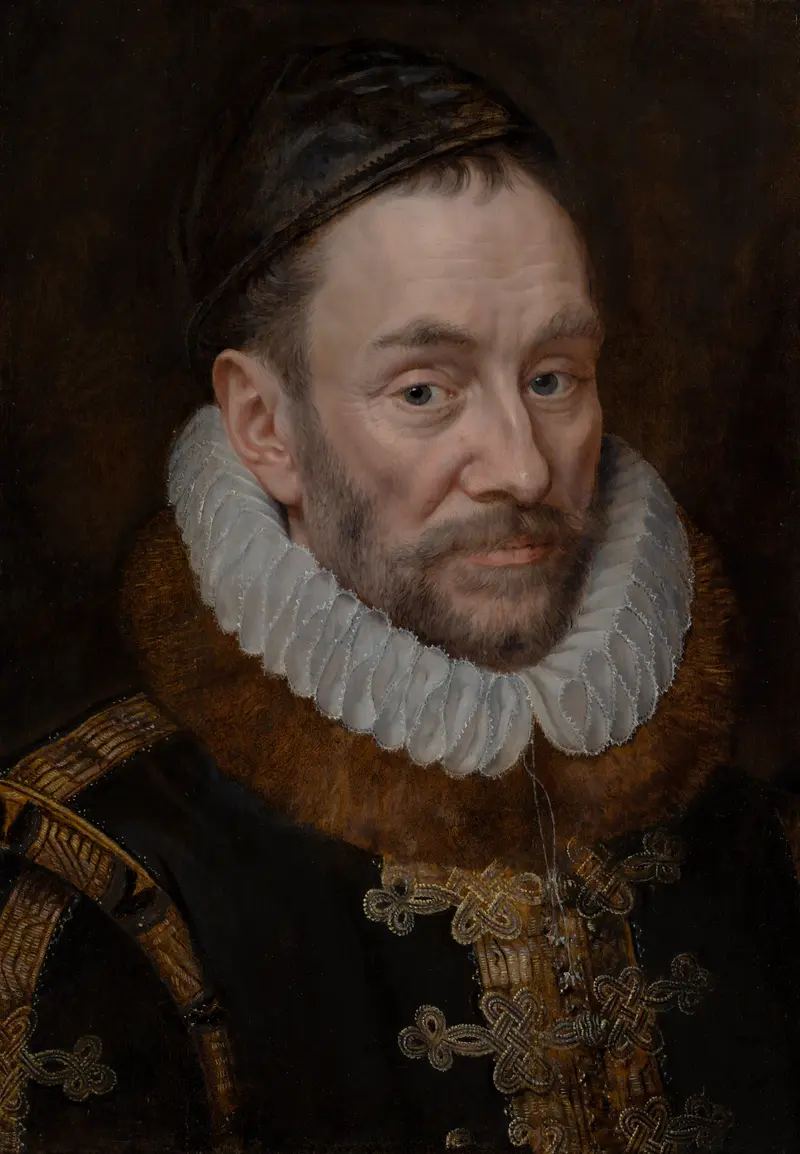
What first pulls the viewer in is the almost startling clarity of the sitter’s gaze, direct yet reserved, as if caught in a moment of self-reflection. The crisp, sculptural ruff frames his face like a stage, its intricate folds rendered with such precision that you can almost feel the starched linen. Light glances across his pale skin and reddish beard, picking out the fine lines around his eyes and the subtle tension in his mouth.
The dark, nearly featureless background pushes the man forward, isolating him in space and time, while the gold chains draped over his shoulder hint at status without ostentation. Every element in Portrait of a Man Aged 31 by Adriaen Thomasz. Key seems chosen to focus attention on the sitter’s inner life—his alertness, his guarded intelligence. Painted in 1579, this portrait belongs to a world where the merchant and patrician classes of the Low Countries were asserting their identities through art.
Portraits like this were not just records but statements: of dignity, of prosperity, of belonging to a new, self-confident urban elite. The ruff, a hallmark of late sixteenth-century fashion, was both a symbol of wealth and a technical challenge for painters, demanding mastery of both light and texture. Adriaen Thomasz.
Key was known for such psychological acuity, and here he gives us not just a likeness, but a sense of presence. History has kept few traces of this sitter’s story, but the painting’s survival in the National Gallery of Ireland’s collection invites us to look again, searching his face for the ambitions and anxieties of his age.
More Artworks by Adriaen Thomasz. Key
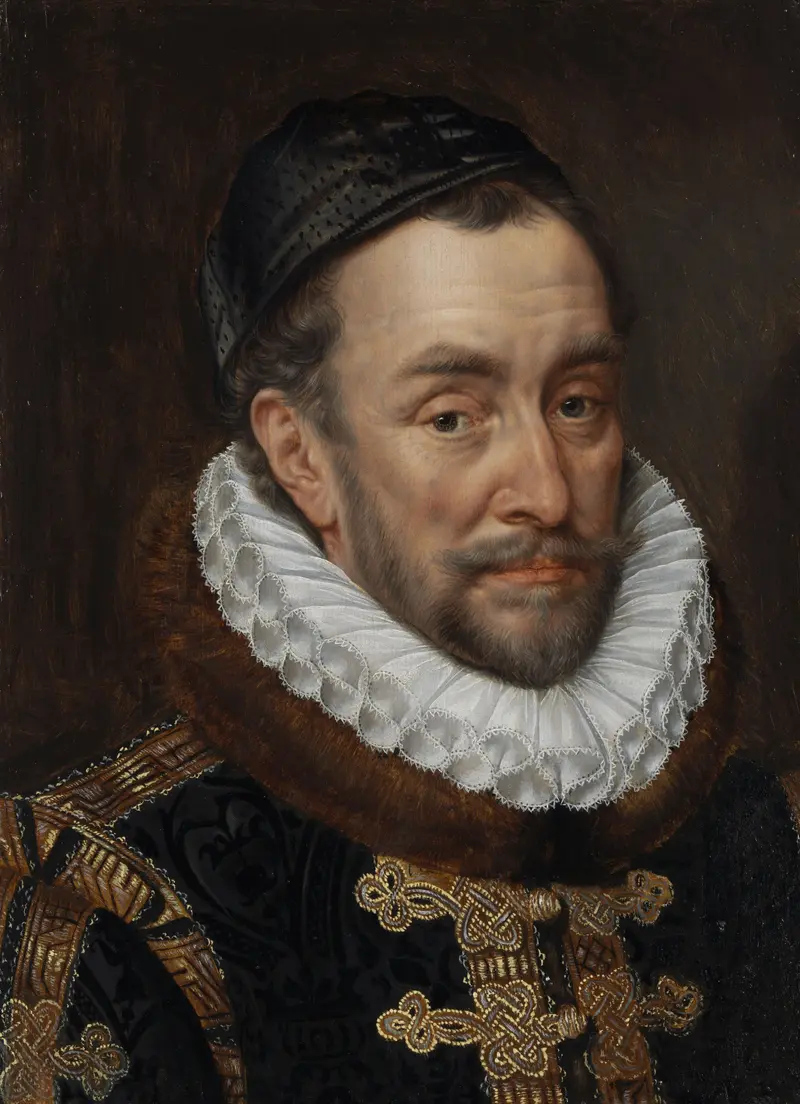
Portrait of William I, Prince of Orange
Adriaen Thomasz. Key
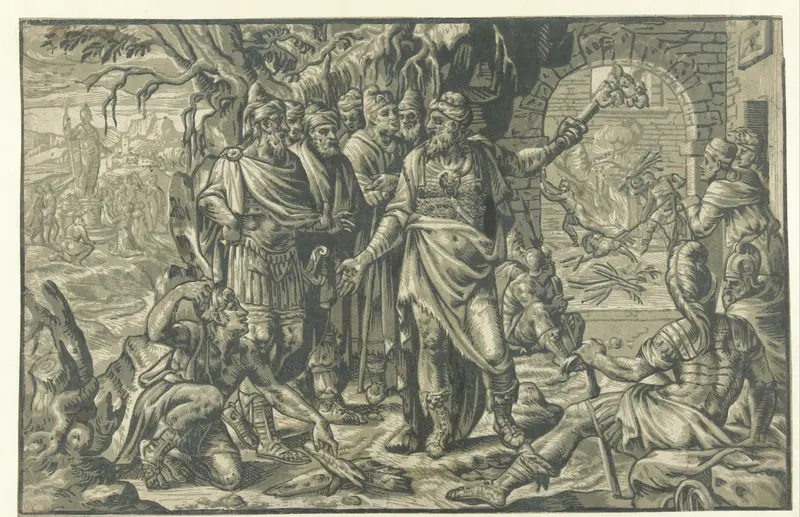
Nebukadnezar werpt de drie jongelingen in de vurige oven
Adriaen Thomasz. Key
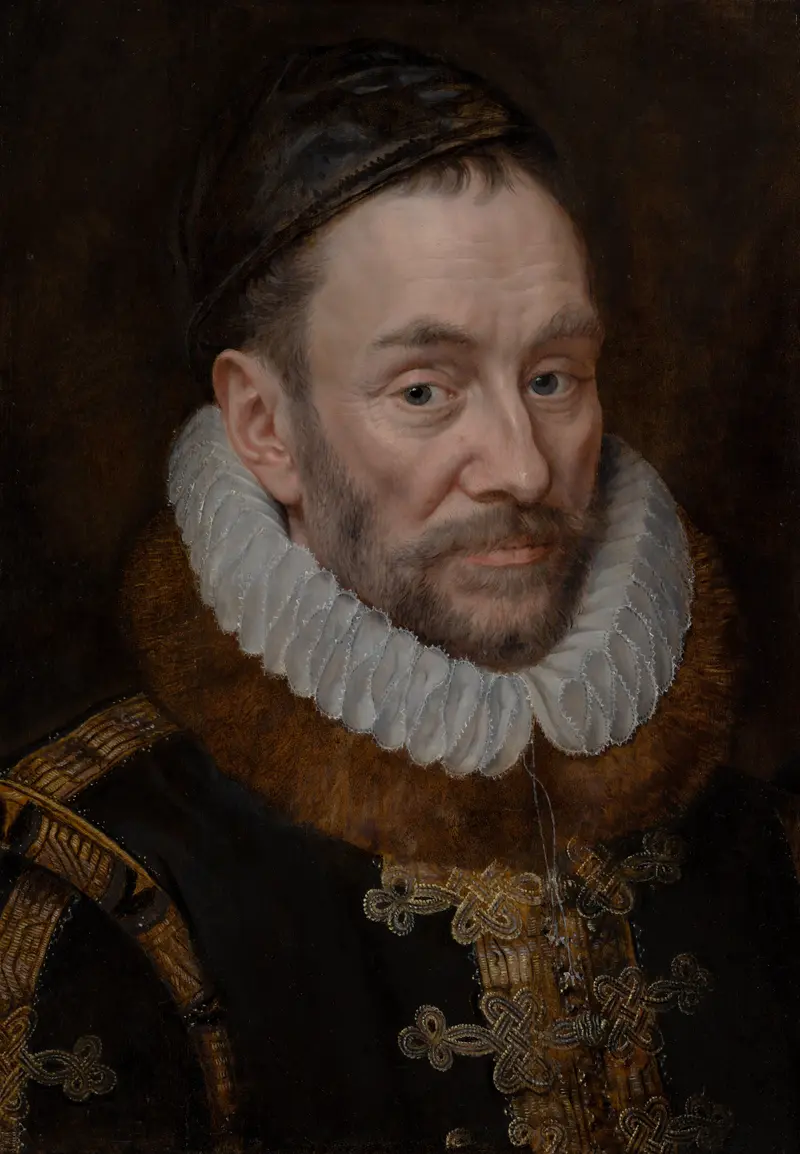
Portrait of William I (1533-1584), Prince of Orange
Adriaen Thomasz. Key
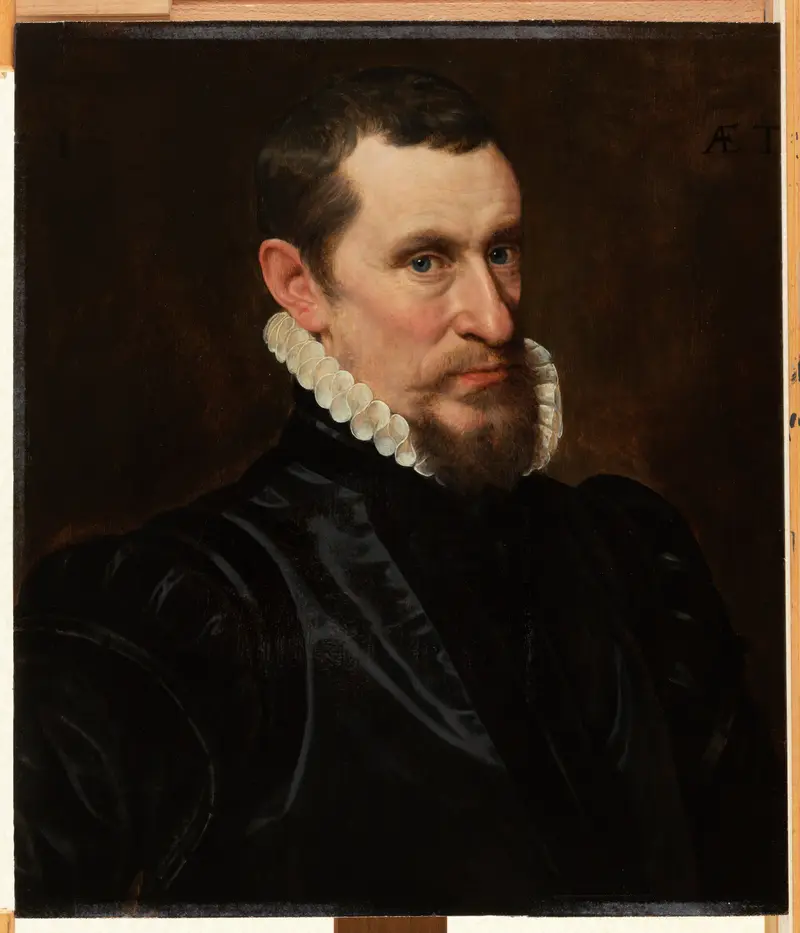
Portrait of Gillis Beys
Adriaen Thomasz. Key
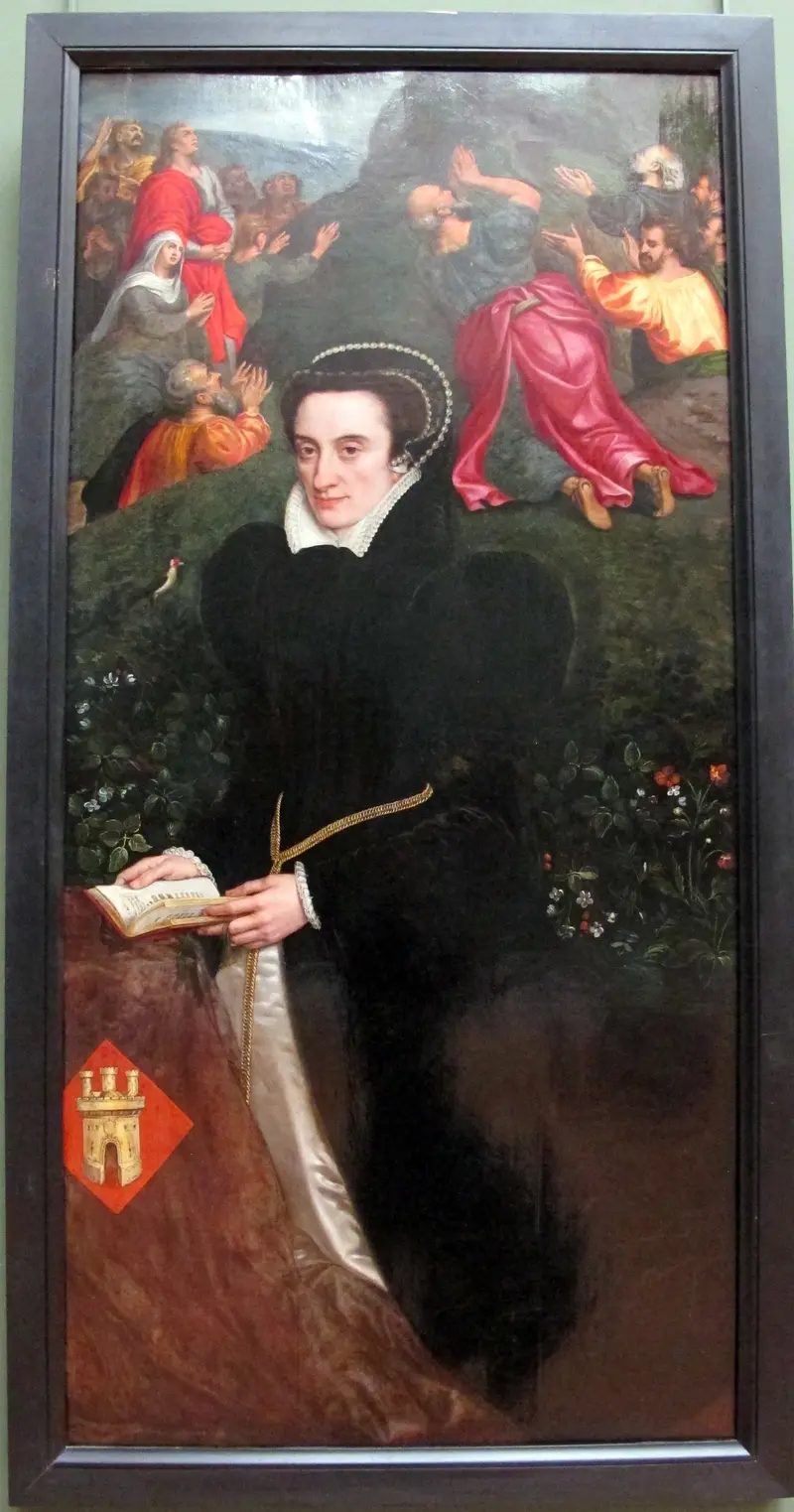
Leonor Lopez de Villanueva, Wife of Antonio del Rio
Adriaen Thomasz. Key
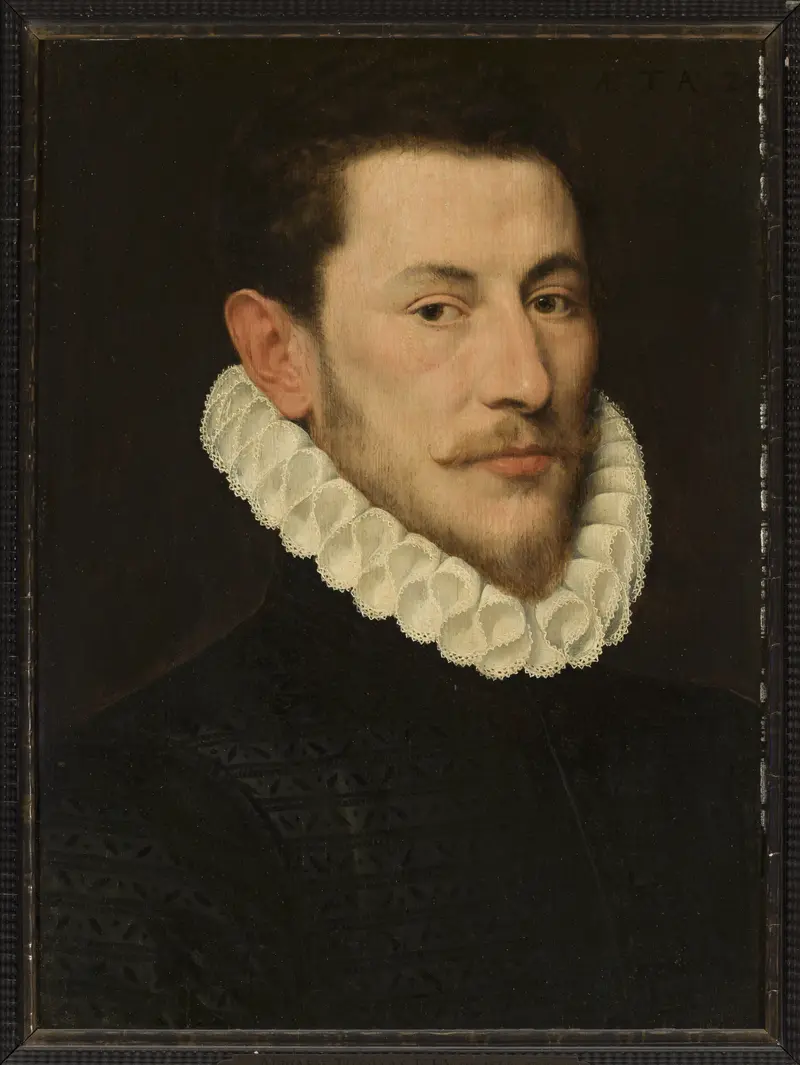
Portrait of a young man
Adriaen Thomasz. Key
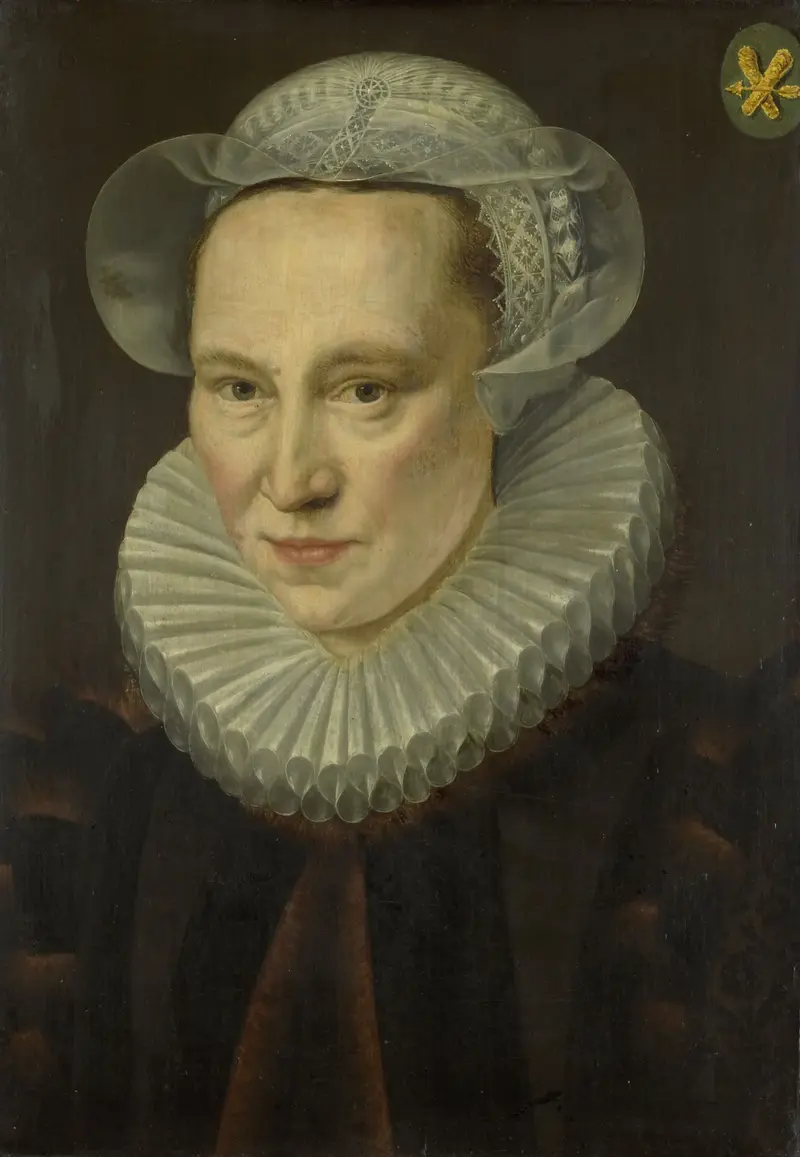
Portrait of Grietje Pietersdr Codde (d. 1607), wife of Jacob Bas
Adriaen Thomasz. Key
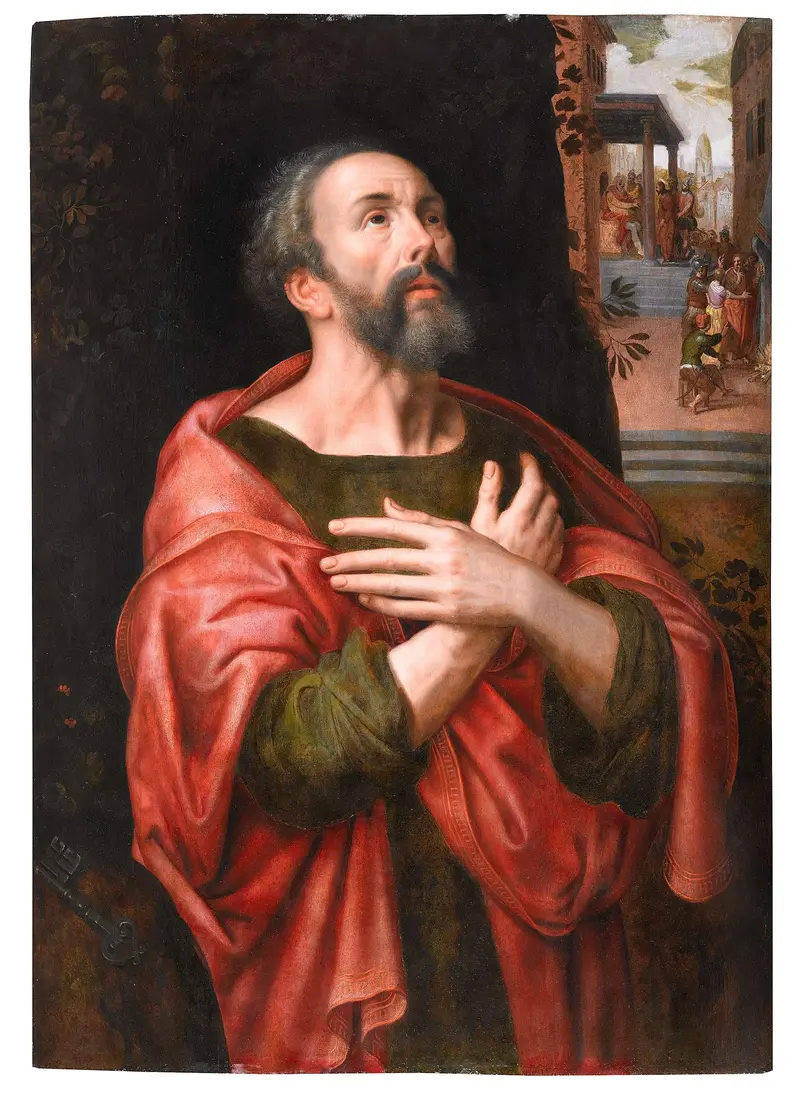
St. Peter Penitent
Adriaen Thomasz. Key
William I, Prince of Orange, known as William the Silent
Adriaen Thomasz. Key
Willem of Orange (1533-1584), leader of the Dutch revolt against Spain
Adriaen Thomasz. Key





