
Portrait of a man aged 37 — History & Facts
In 1637, Frans Hals inscribed the exact age of his sitter—thirty-seven—onto the canvas, a rare precision in an era when portraits often left their subjects' identities and ages shrouded in ambiguity. This detail has sparked generations of debate: who was this confident man, immortalized at the very midpoint of his life? The absence of a name has only deepened the intrigue, with art historians poring over Haarlem's civic records and guild rosters, searching for a likely match among the prosperous burghers and merchants who sought Hals’ lively brush. The man meets our gaze with a frank, almost challenging directness, his lips parted as if caught mid-sentence. He is dressed in sober black, the starched white ruff and cuffs crisply rendered, signaling both his wealth and adherence to the sober Dutch taste of the time.
Hals’ quick, fluid brushstrokes animate the sitter’s features, capturing a fleeting expression rather than a frozen mask—a technique that set him apart from contemporaries like Rembrandt, whose portraits of the same period often probe psychological depths with shadow and introspection. Here, the light falls evenly across the man’s face, emphasizing vitality and presence over mystery. The physical history of Portrait of a man aged 37 is as elusive as its subject’s name. Like many of Hals’ portraits, it likely hung in a private home for centuries before entering the public eye through the art market, passing through the hands of collectors who prized Hals’ ability to conjure personality from oil and canvas.
Today, the painting stands as a testament to the heights of Dutch portraiture in the Baroque era, and to Hals’ singular gift for capturing the spark of life in his sitters—even when their names have faded from memory.
More Artworks by Frans Hals

Banquet of the Officers of the St George Civic Guard
Frans Hals

Portrait of Jacob Pietersz Olycan (1596-1638)
Frans Hals
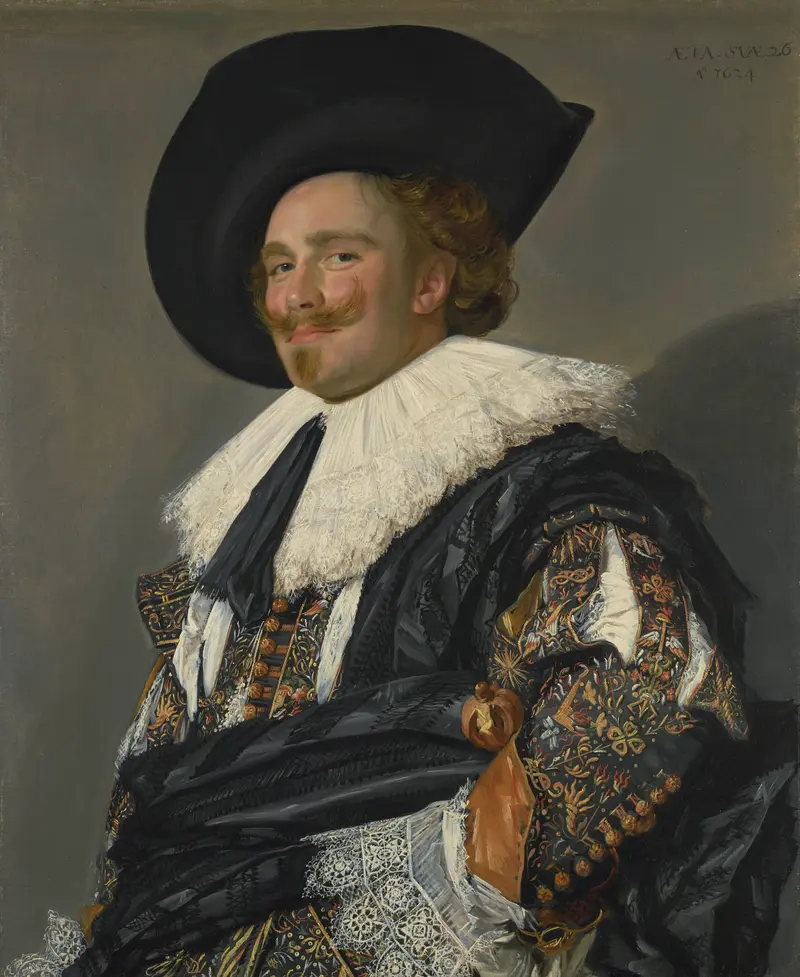
Laughing Cavalier
Frans Hals

Militia Company of District XI under the Command of Captain Reynier Reael, Known as ‘The Meagre Company’
Frans Hals
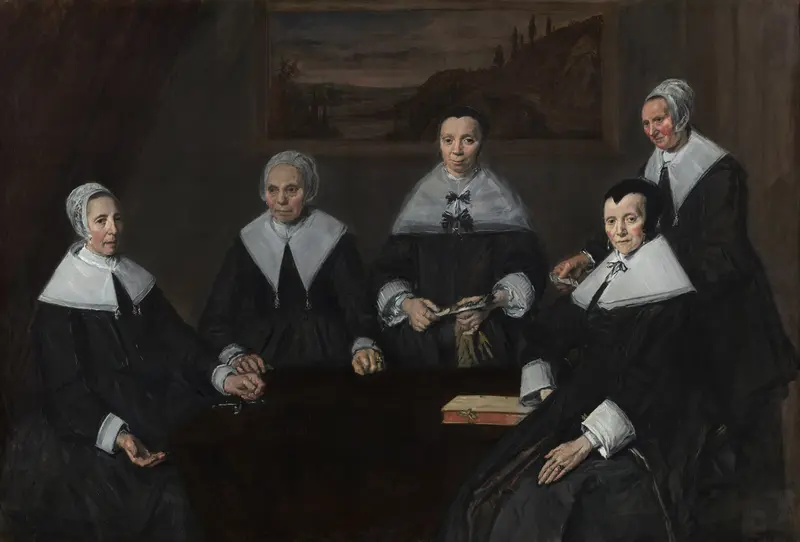
Regentesses of the Old Men's Alms House
Frans Hals
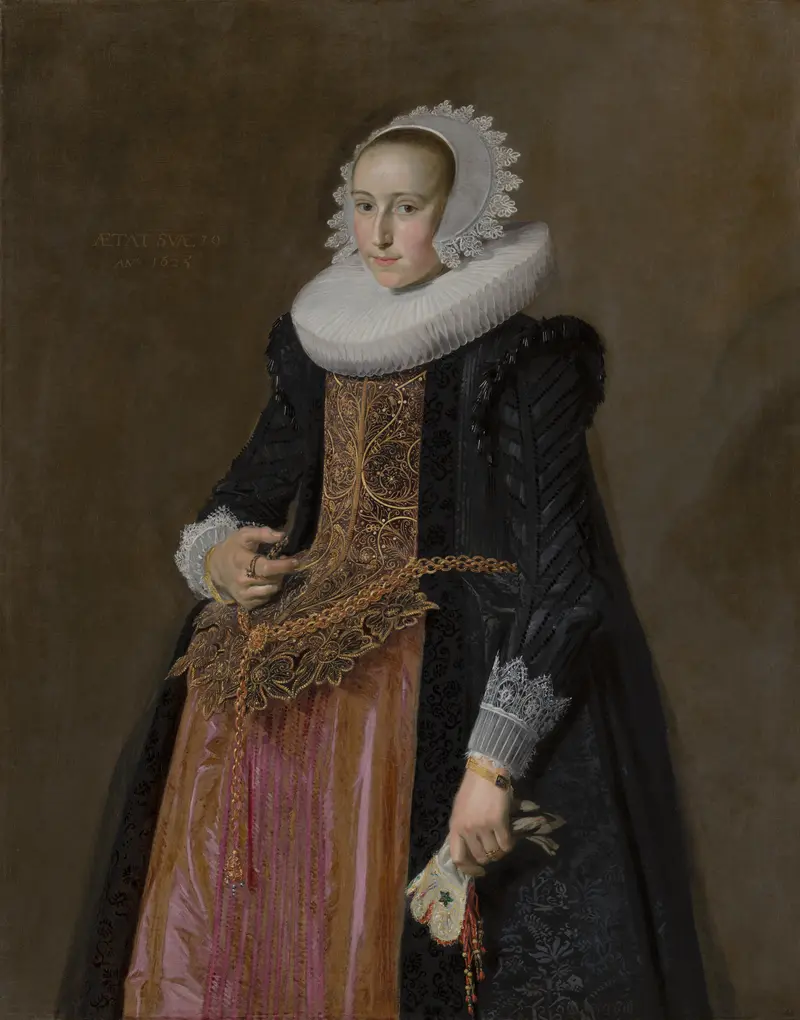
Portrait of Aletta Hanemans (1606–1653)
Frans Hals
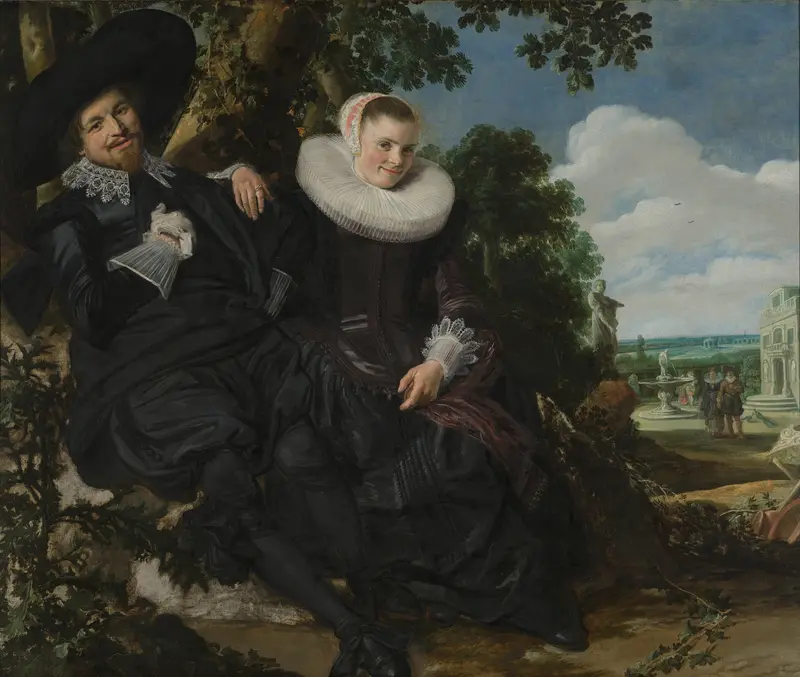
Portrait of a Married Couple, Likely Isaac Abrahamsz Massa and Beatrix van der Laen
Frans Hals
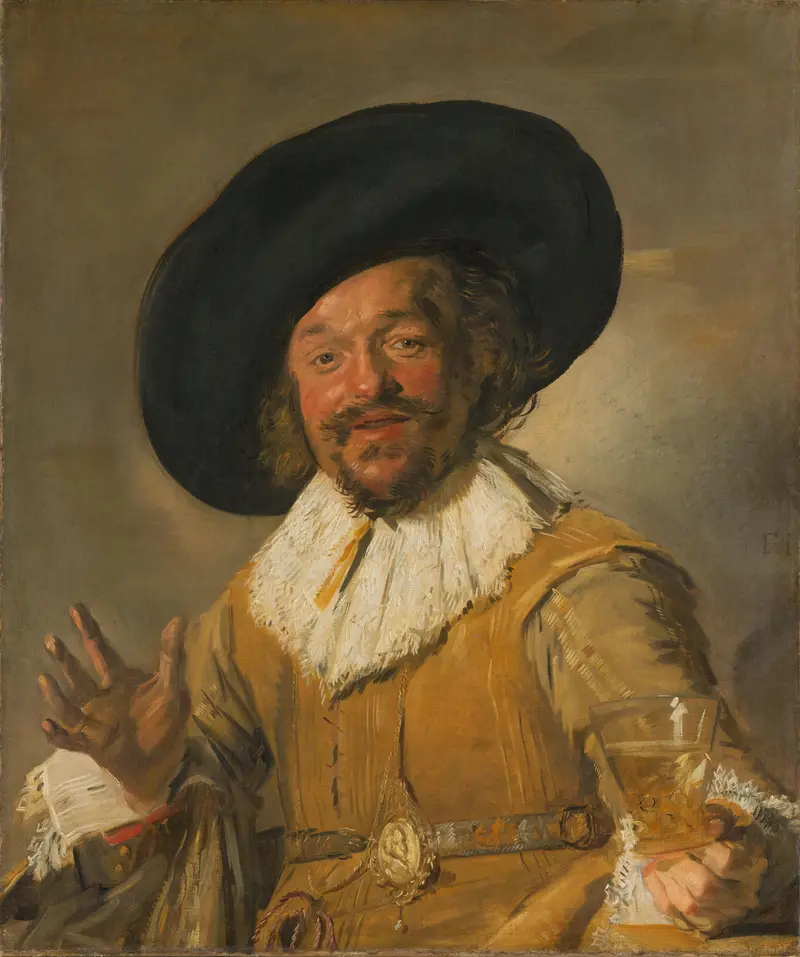
The Merry Drinker
Frans Hals
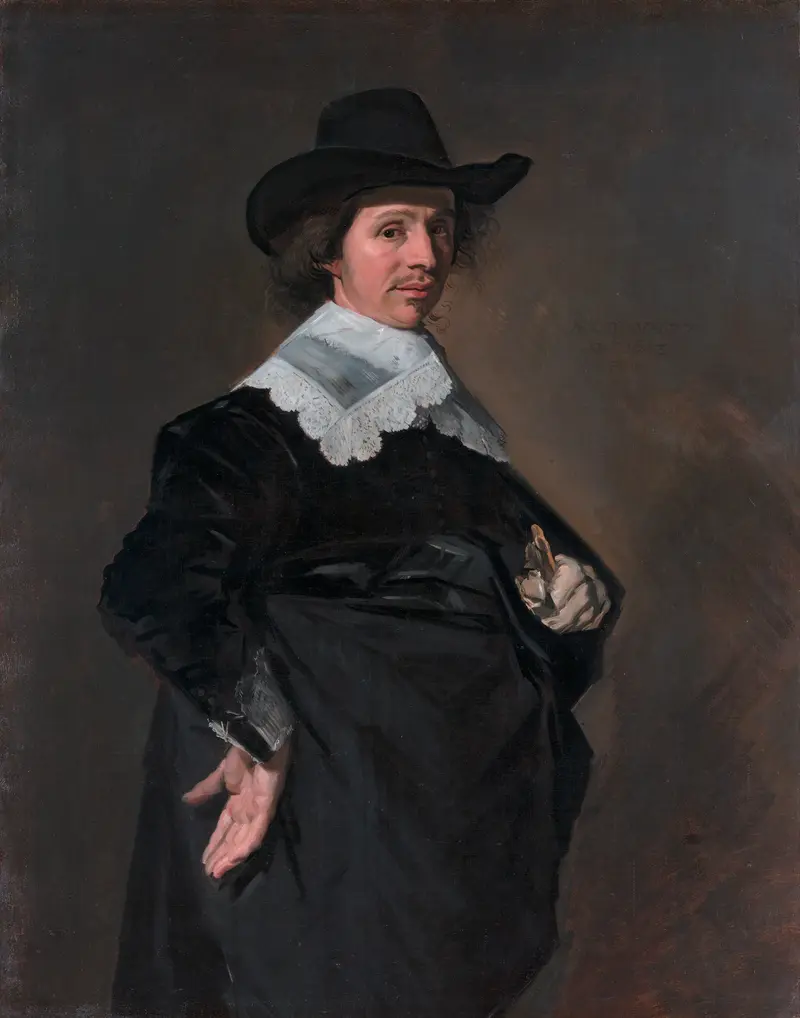
Portrait of Paulus Verschuur
Frans Hals
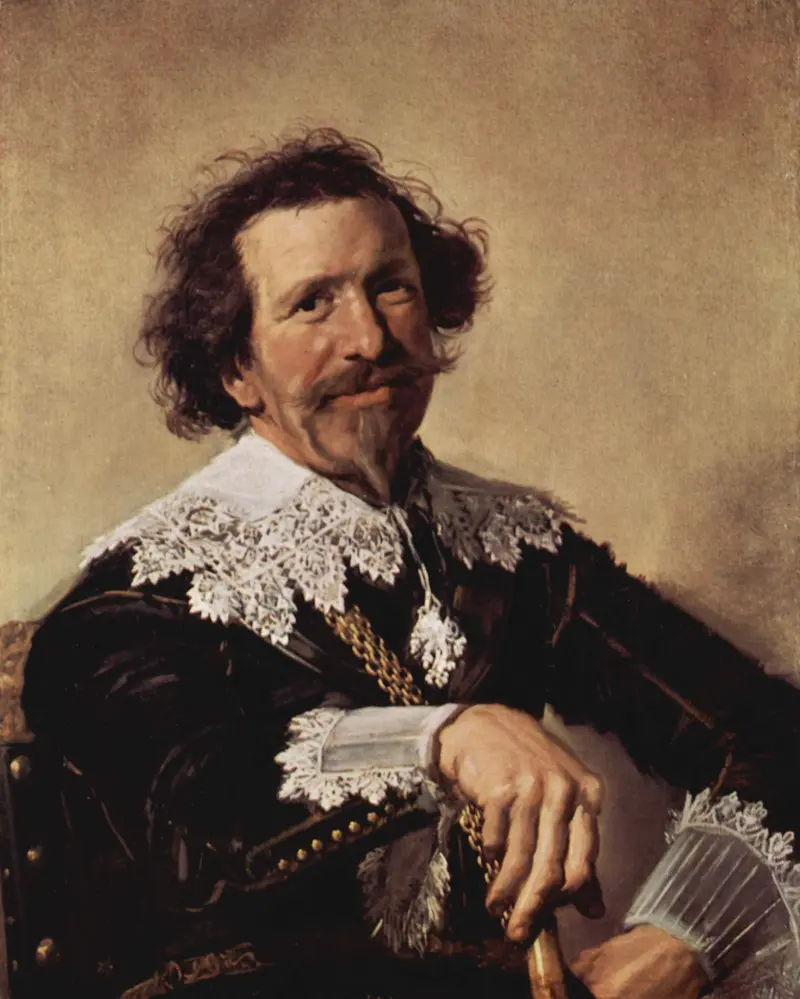
Portrait of Pieter van den Broecke
Frans Hals





